
Qual a relação entre a floresta amazônica, o deserto de Kaisut e o luxo da Quinta Avenida?
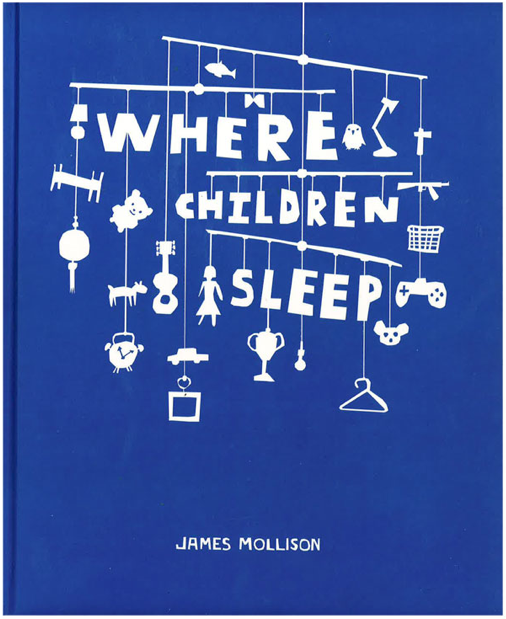 Na sequência da homenagem desta manhã aos lugares onde as crianças leem e aprendem, surge um olhar curioso sobre onde elas dormem. É exatamente isso que o fotógrafo documentarista James Mollison, nascido no Quênia, criado na Inglaterra e radicado em Veneza, explora em " Where Children Sleep" (Onde as Crianças Dormem) — uma série notável que captura a diversidade e, muitas vezes, a disparidade entre as vidas de crianças ao redor do mundo por meio de retratos de seus quartos. O projeto começou com a proposta de abordar os direitos das crianças e se transformou em uma reflexão ponderada sobre pobreza e privilégio, com suas 56 imagens abrangendo desde as pedreiras do Nepal até as províncias agrícolas da China e a ostentação da Quinta Avenida.
Desde o início, eu não queria que fosse apenas sobre 'crianças carentes' em países em desenvolvimento, mas sim algo mais inclusivo, sobre crianças de todos os tipos de situações. Pareceu-me fazer sentido fotografar as próprias crianças também, mas separadamente de seus quartos, usando um fundo neutro.” ~ James Mollison
Talvez o mais interessante seja que o livro foi escrito e concebido como uma ferramenta de empatia para crianças de 9 a 13 anos, para que elas compreendam melhor a vida de outras crianças ao redor do mundo, mas também é um comovente ensaio fotográfico sobre direitos humanos para o leitor adulto.
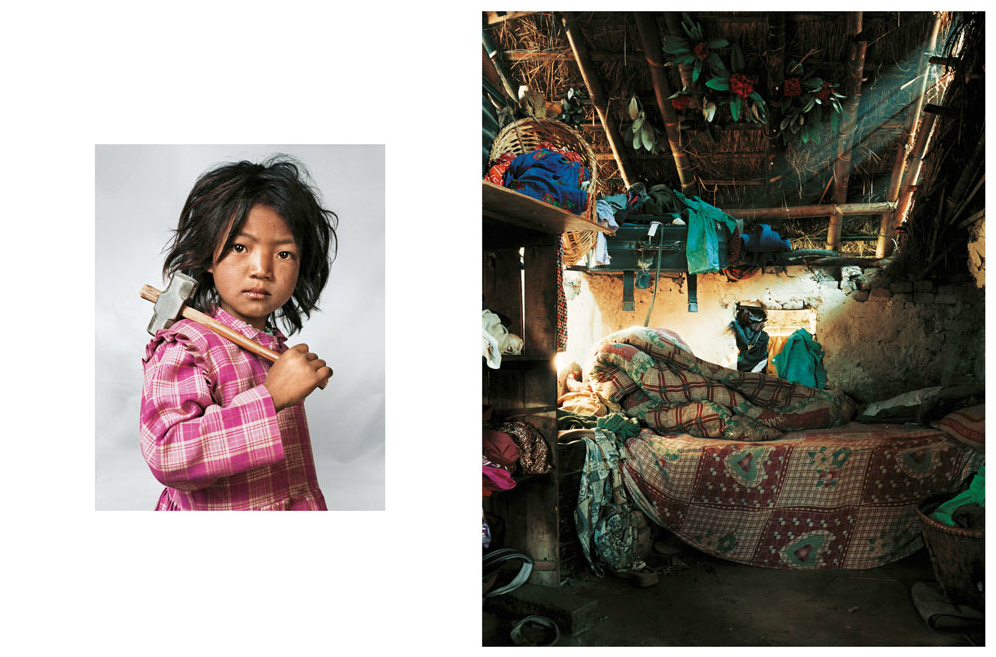
Indira, de 7 anos, trabalha em uma pedreira de granito e mora em uma casa de um cômodo perto de Katmandu, no Nepal, com seus pais, irmão e irmã.
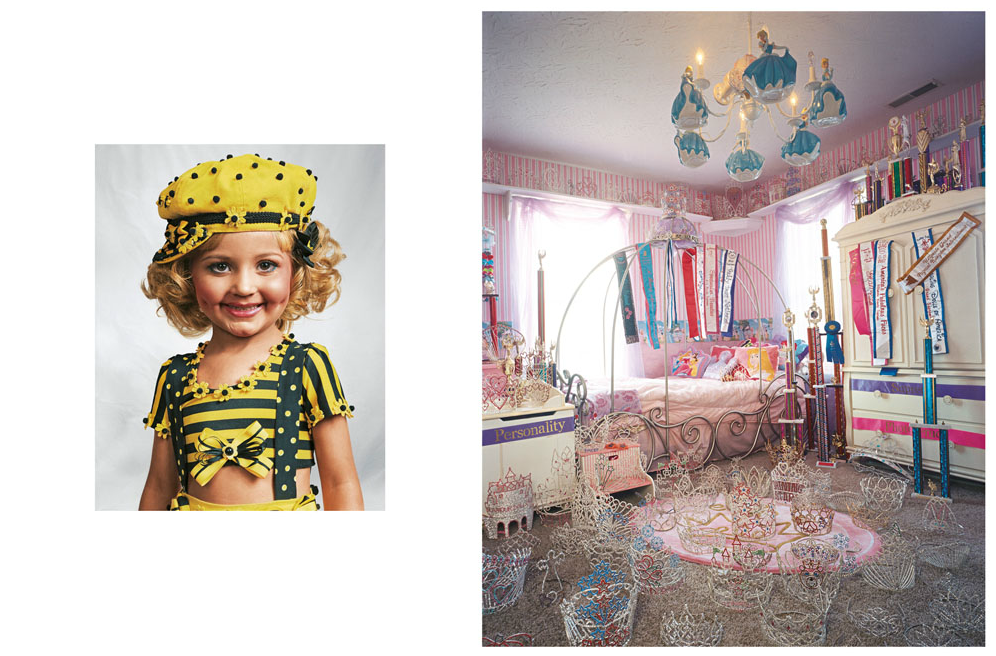
Jasmine, de 4 anos, já participou de mais de 100 concursos de beleza infantil e mora em uma casa grande na zona rural do Kentucky.
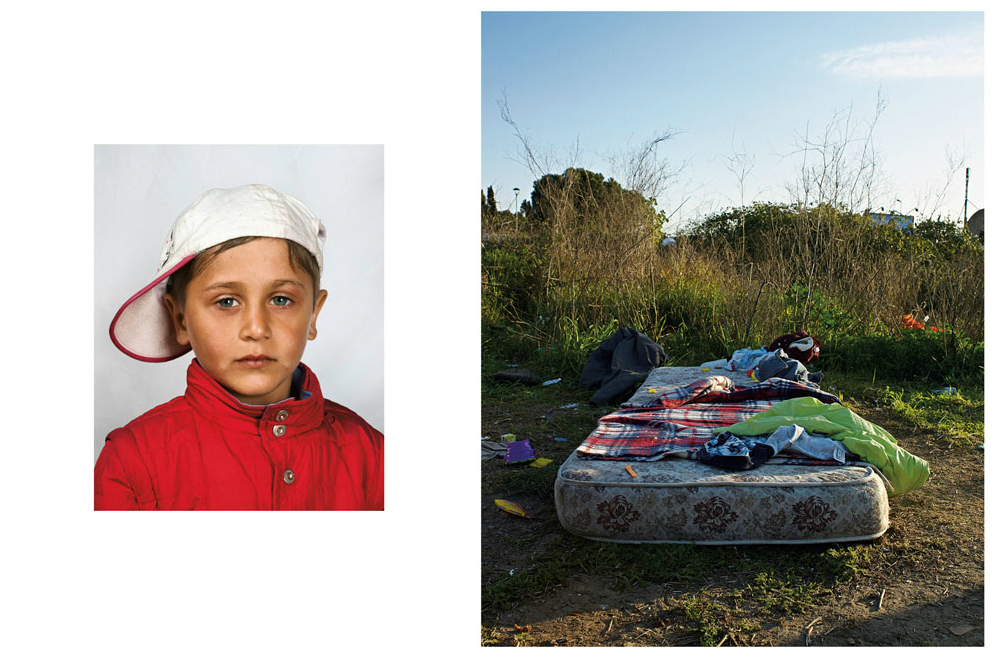
Menino romeno de 4 anos que divide um colchão com sua família nos arredores de Roma.
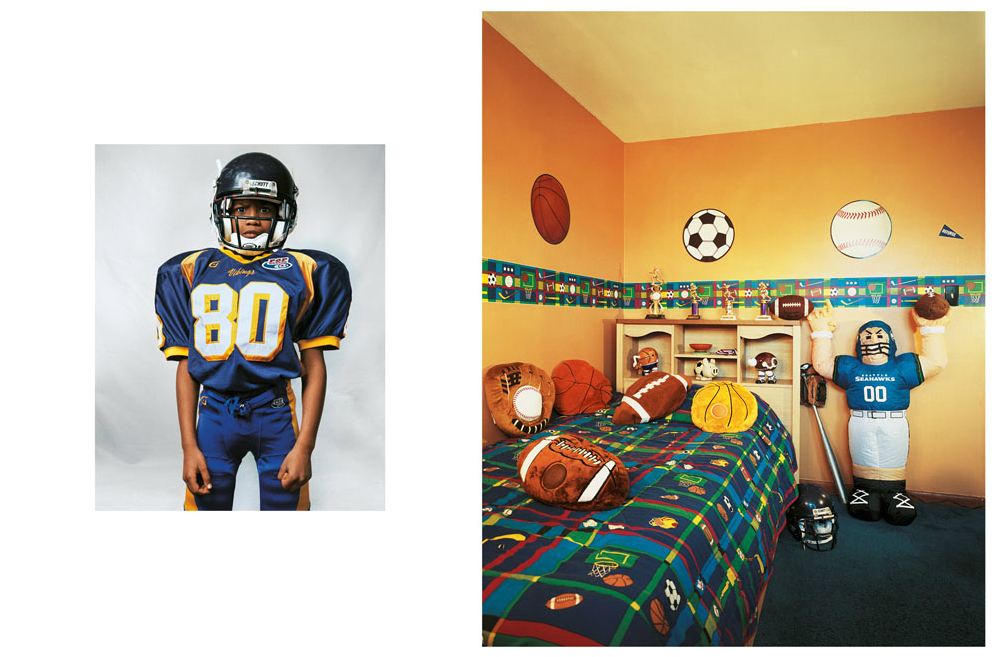
Justin, de 8 anos, joga futebol americano, basquete e beisebol. Ele mora em uma casa de quatro quartos em Nova Jersey.
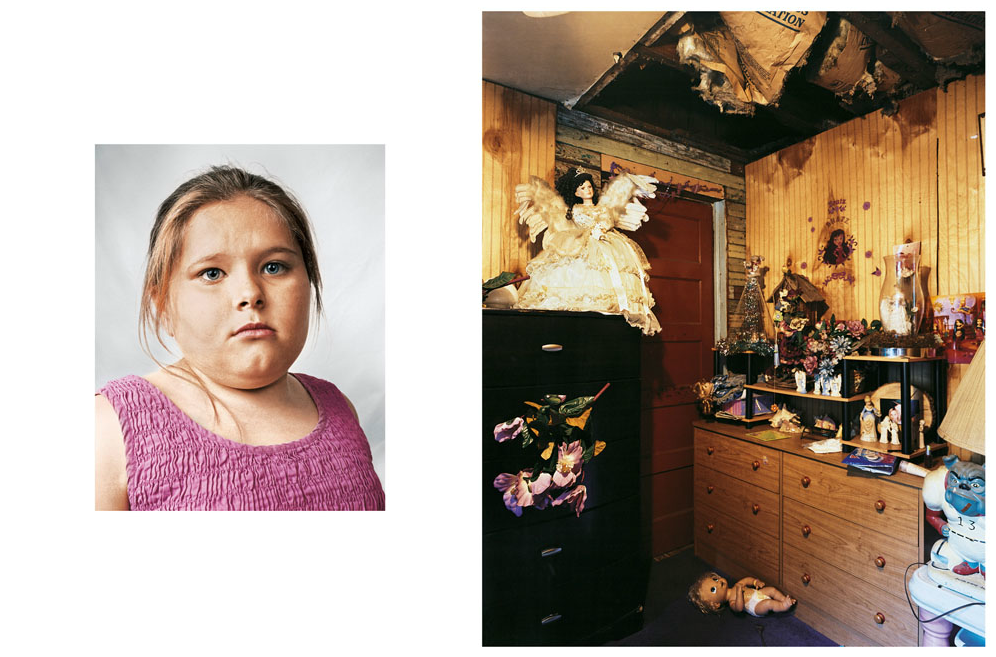
Alyssa mora em uma pequena casa de madeira com sua família nos Apalaches.

Ahkohxet, de 8 anos, pertence à tribo Kraho e vive na bacia amazônica do Brasil.

Dong, de 9 anos, divide um quarto com seus pais, irmã e avô, enquanto cultivam arroz e cana-de-açúcar na província de Yunnan, na China.

Delanie, de 9 anos, aspira a ser estilista e mora com os pais e irmãos mais novos em uma casa grande em Nova Jersey.
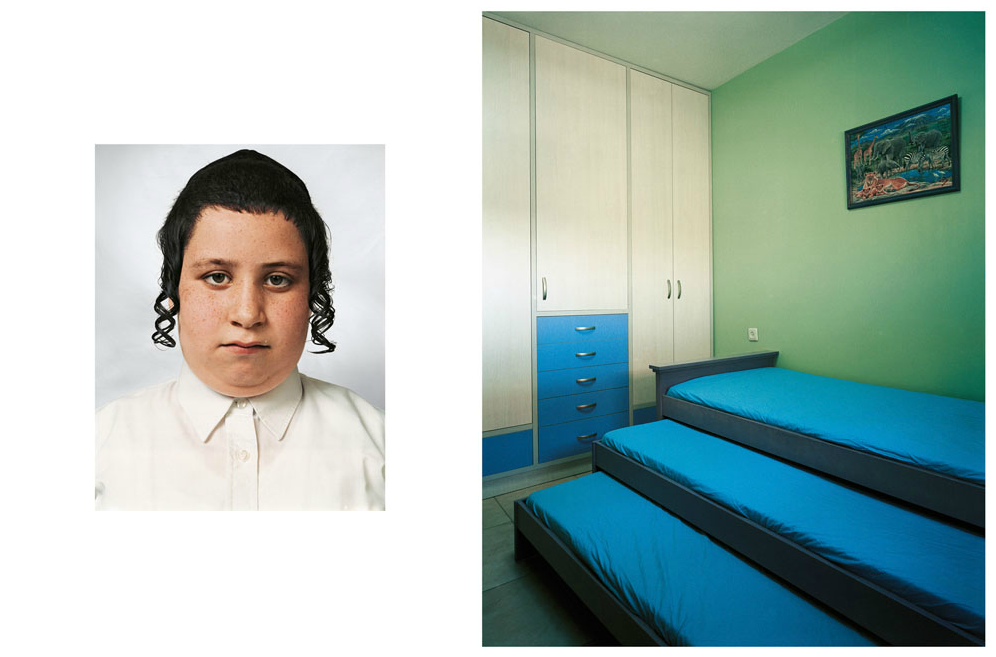
Tsvika, de 9 anos, e seus irmãos dividem um quarto em um apartamento na Cisjordânia, em uma comunidade judaica ortodoxa fechada conhecida como Beitar Illit.
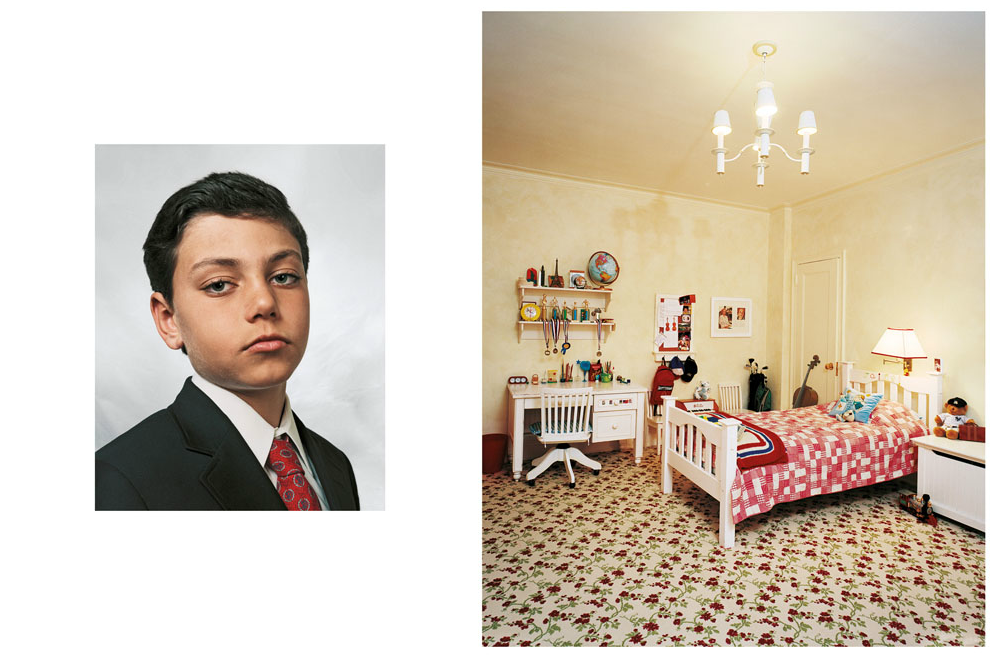
Jamie, de 9 anos, divide um apartamento no último andar da Quinta Avenida, em Nova York, com seus pais e três irmãos. As outras duas casas da família ficam na Espanha e nos Hamptons.
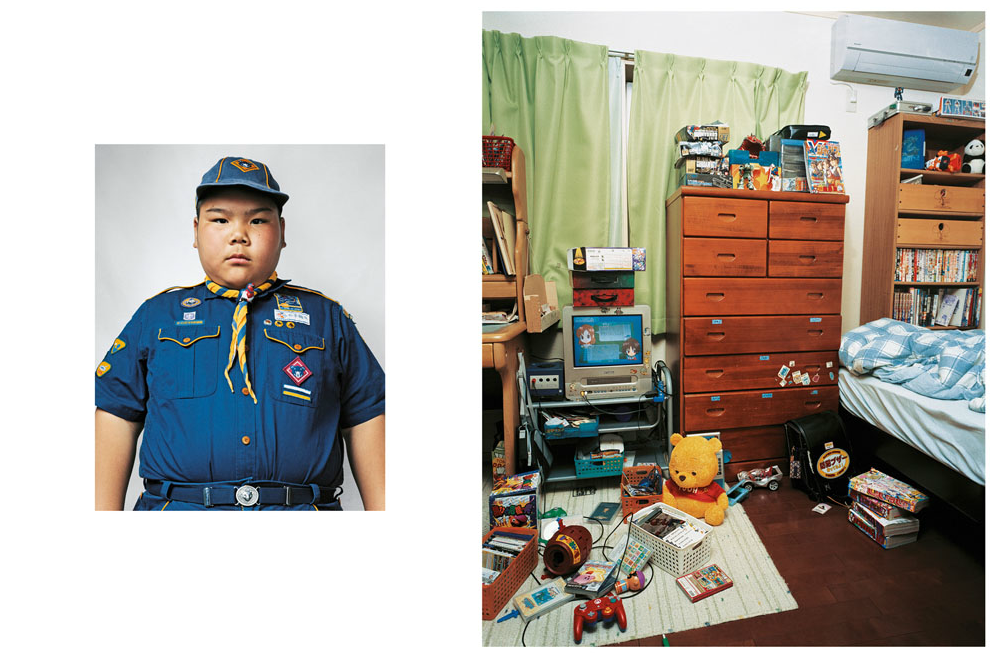
Ryuta, de 10 anos, é um campeão de sumô que vive em Tóquio com sua família.
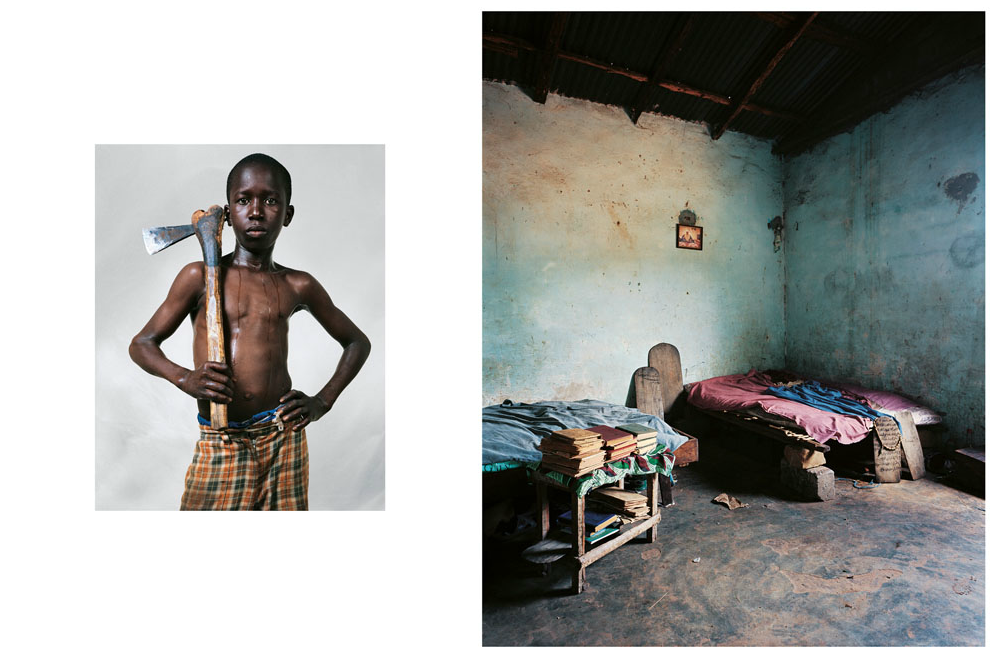
Lamine, de 12 anos, dorme em um quarto compartilhado com vários outros meninos na escola corânica de sua aldeia senegalesa.
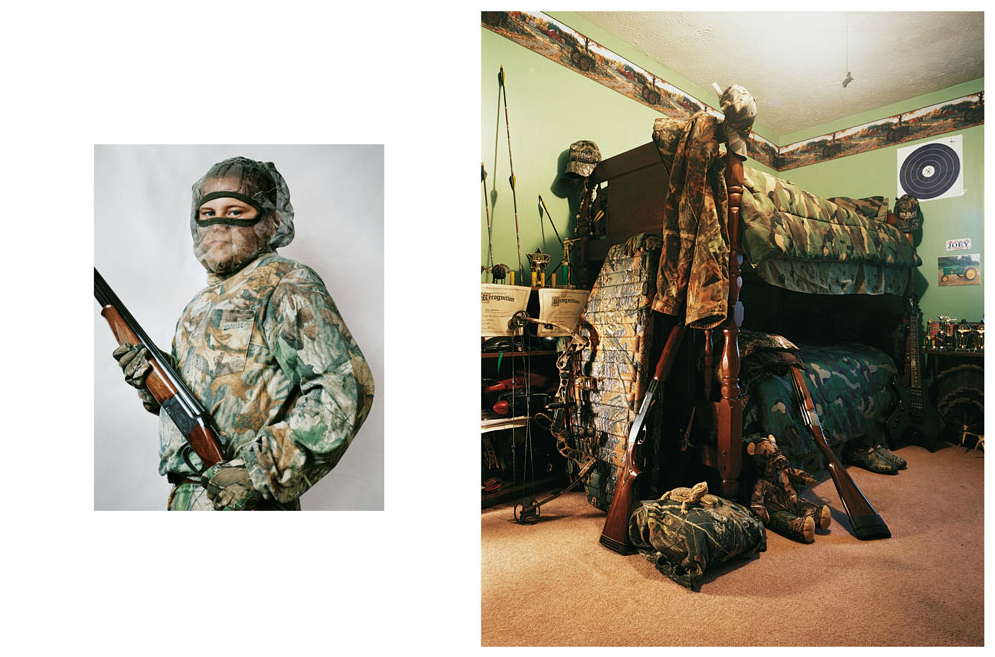
Joey, de 11 anos, que matou seu primeiro cervo aos sete anos, mora no Kentucky com sua família.
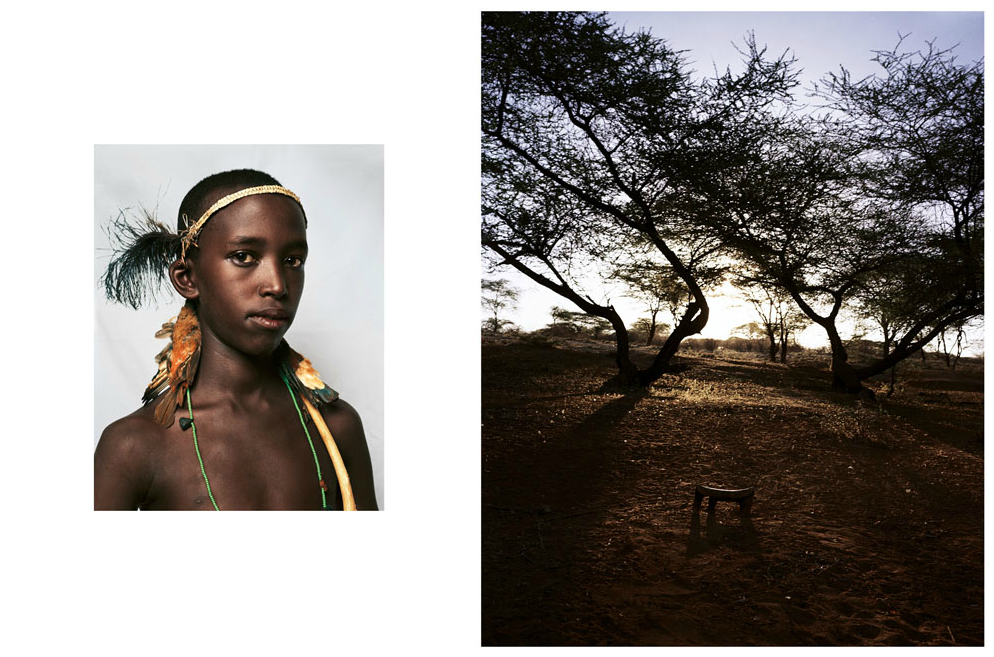
Irkena, de 14 anos, é membro da tribo seminômade Rendille, no Quênia, e vive com sua mãe em uma moradia temporária no deserto de Kaisut.
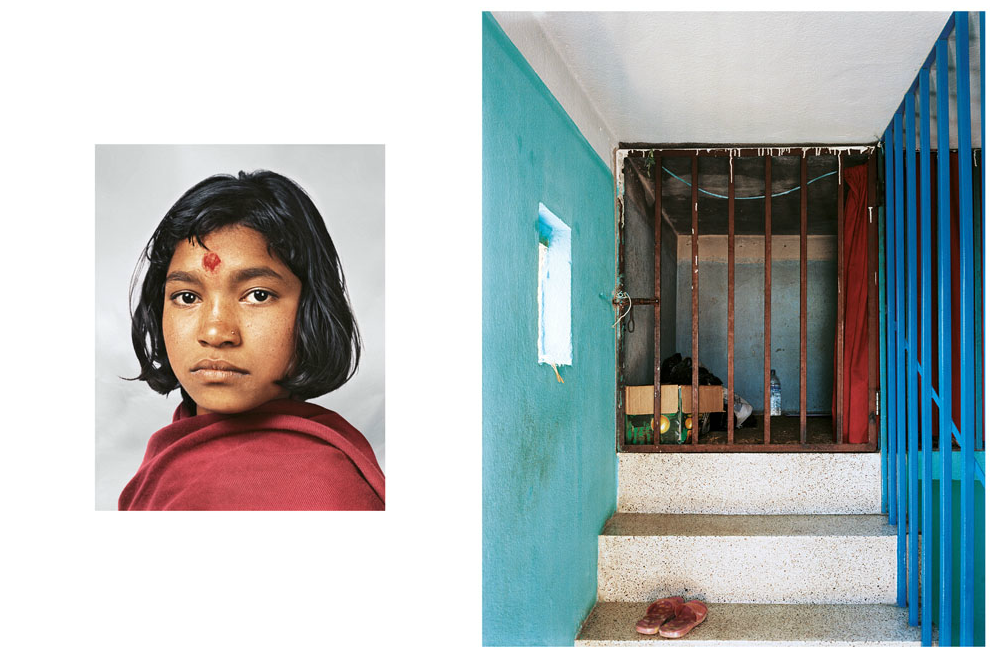
Prena, de 14 anos, é uma trabalhadora doméstica no Nepal e vive em um quarto minúsculo no sótão da casa onde trabalha, em Katmandu.
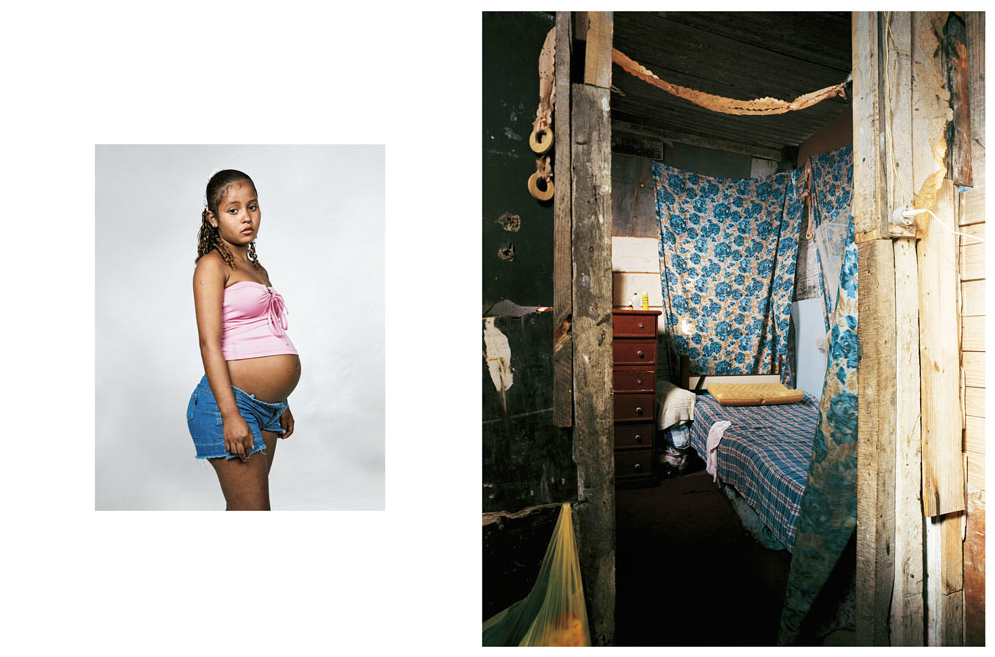
Erien, de 14 anos, dormiu no chão de sua casa na favela do Rio de Janeiro até os estágios finais de sua gravidez.
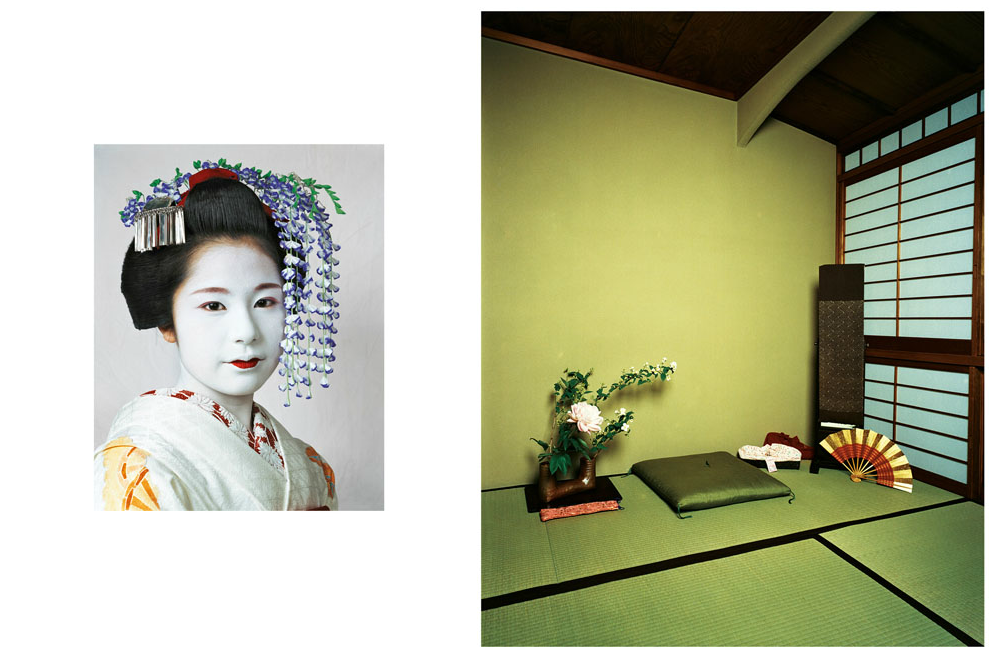
Risa, de 15 anos, está se preparando para ser gueixa e divide uma casa de chá com 13 mulheres em Kyoto, no Japão.
Molliesey é representada pela MAP e pela Flatland Gallery , e publicada por Chris Boot .
O livro "Where Children Sleep" lembra as incursões voyeurísticas de Peter Menzels pelo mundo através dadieta e dos pertences das pessoas, e a análise de JeongMee Yoon sobre o condicionamento da identidade de gênero infantil por meio das cores dos quartos . A capa que brilha no escuro, à la "Radioactive" , é a cereja do bolo, um toque lúdico e maravilhoso.
Todas as imagens são cortesia de James Mollison, via The New York Times.
COMMUNITY REFLECTIONS
SHARE YOUR REFLECTION
13 PAST RESPONSES
Some wonderful thought provoking photos. I know things don't make us happy and that the world cannot support the over-consumption of the rich countries - but it is so hard to get put this knowledge into practice.
What a great article. I showed this article to my 11 yr old daughter. She was sad & and thought how hectic the world was, as some can be so lucky & other live in such hectic conditions...I asked her if she thought that she is lucky herself for staying in a beautiful 3 bedroom home herself, being the only child. She said yes but still felt sad. i told her that live is what you make of it & that she has unlimited potential to become whatever she wanted to be in the world...she smiled & said she wanted to help the world people & children from this kind of sadness...
Maybe we have the next female president of south Africa coming up...yeah!
B
ugh the contrast makes me cringe. I am American but I now have 2 more reasons to stay away from Kentucky...blah. I look forward to reading the book, though. It is thought provoking. I love photography. What I wonder is if the photographer asked the children if they were happy.
And there are no smiling, happy children here. Most photographers ask for a smile. Why not here?? The rich seem more miserable than the poor but they are all so stoic.
Great photos that tell a trillion and one stories. From my recent experience in Kolkata, India, I think this book should have included at least one children's home on the very very busy footpath [with almost no path at all] on very very congested streets of Kolkata. Children are born and reared in such "foot-path homes". One must see with one's eyes to believe and comprehend but not noticed by the government, politicians and most importantly, the intellectual middle-classes of Kolkata [its sons and daughters are scattered all over the world enjoying life to the fullest - at whose cost ?, I wonder !
At least if the children of Haves start appreciating their blessings over the children of Have Nots this will serve some purpose. However will they ever understand the hunger pangs, feeling of insecurity, problems of child pregnancy............ God Save this world from the most cruel......i.e. the selfish human being. ( I do not want to refer animals as cruel, because they do every thing for their survival or when they are threatened. Whereas a highly evolved(?) animal called human being more often does whatever he feels like for entertainment , self gratification etc coming out of selfish thoughts.
Its hard to measure privilege but easy to compare, and that comparison is uncomfortable from my comfortable home !
A thought-provoking article. Nothing shows the disparity and the diversity of the world like the places where people rest their head at night, especially children. Thanks for bringing awareness to this.
Amazing photographs. The one thing that occurs to me is that North Americans assume (not all) that just because we have more money and fancy stuff in our rooms that we are better off. I beg to differ. Who do you think are the happiest people here?
All poster children for birth control. Made me really sad. Especially the American kids. The planet needs a good pandemic. Sad for the world. We're all just creepy animals overpopulating the world.
Thought provoking and insightful. Its hard to say much..
Well, a picture is worth a thousand words. In this case it's ten thousand...