
In times gone by, amidst widespread poverty, the flour mills realized that some women were using sacks to make clothes for their children. In response, the flour mills started using flowered fabric…
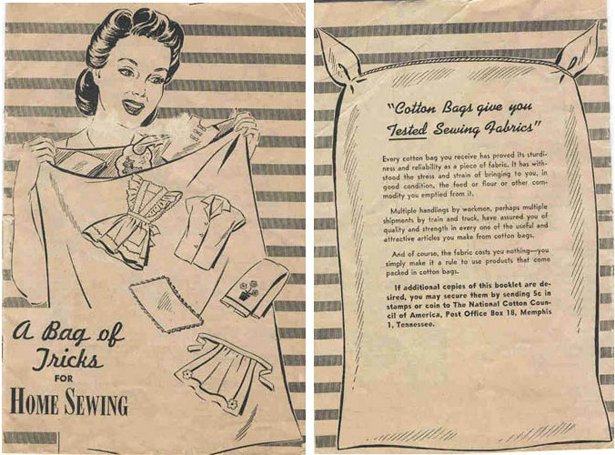
With the introduction of this new cloth into the home, thrifty women everywhere began to reuse the cloth for a variety of home uses – dish towels, diapers, and more. The bags began to become very popular for clothing items.

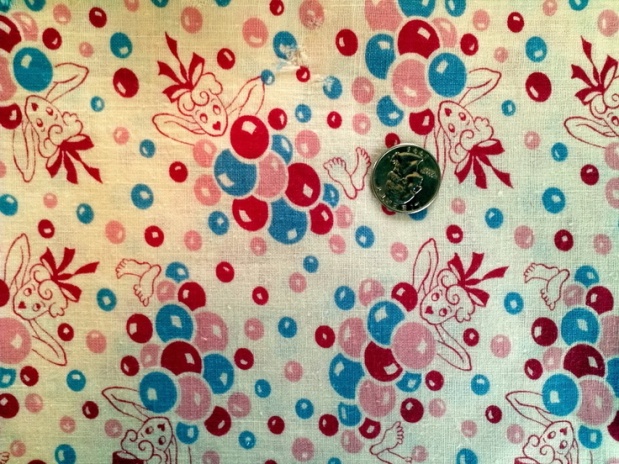
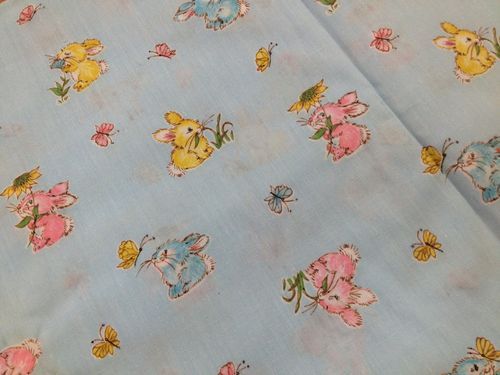
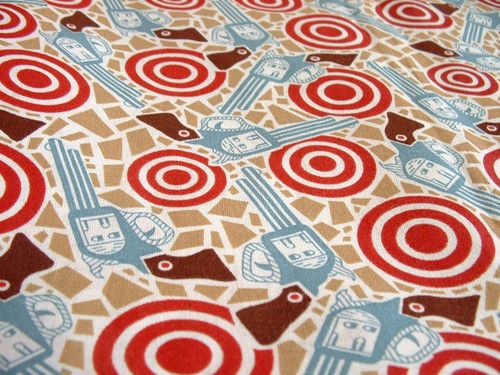
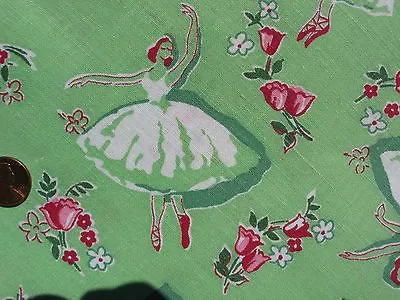
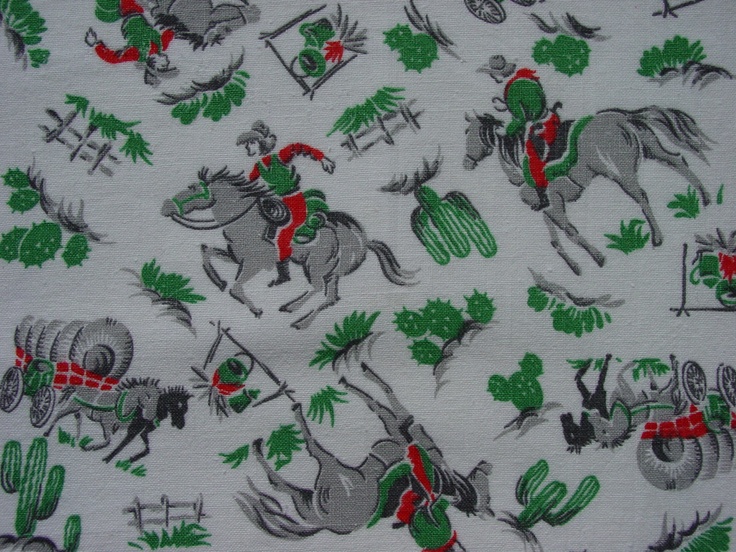
As the recycling trend looked like it was going to stay, the manufacturers began to print their cloth bags – or feedsacks – in an ever wider variety of patterns and colors.
Some of the patterns they started using are shown below


Over time, the popularity of the feedsack as clothing fabric increased beyond anyone’s wildest expectations, fueled by both ingenuity and scarcity.
By the time WWII dominated the lives of Americans, and cloth for fabric was in short supply due to its use in the construction of uniforms, it was estimated that over three and a half million women and children were wearing garments created from feedsacks.
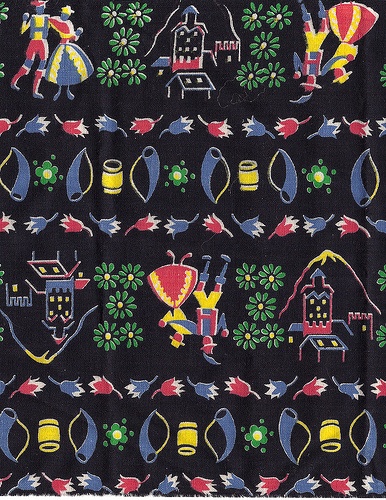 Images like these help to remind us that large swaths of the country were once so poor that making clothes for children, out of flour sacks, was simply a part of life in those times.

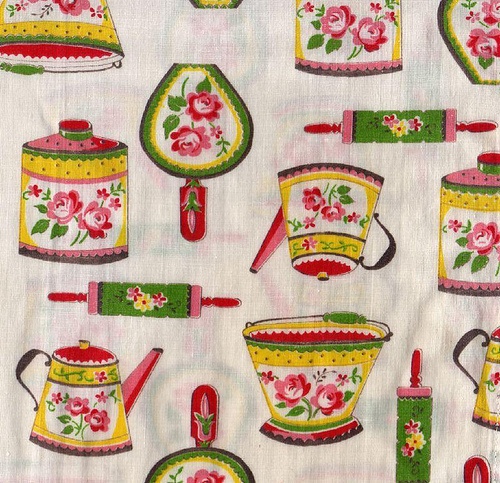
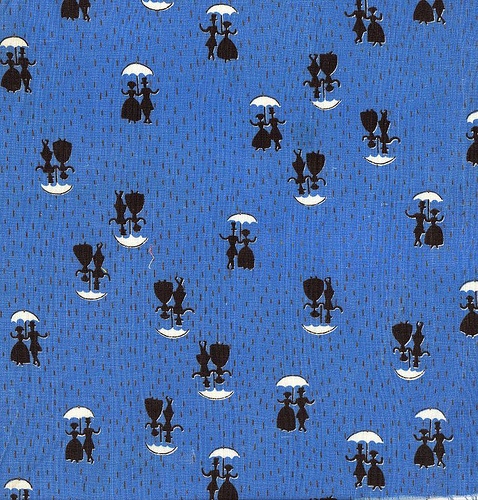

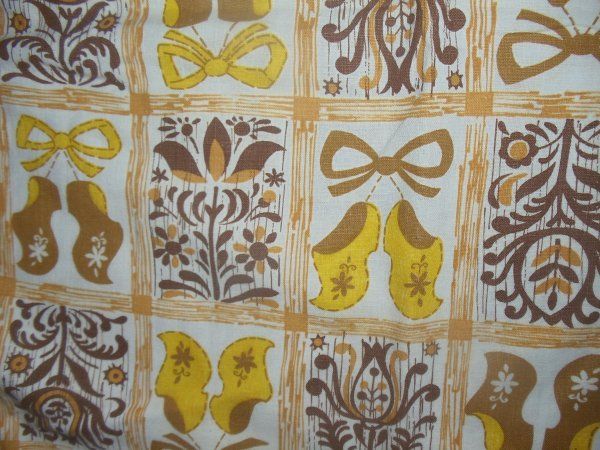

 The manufacturers even gave instructions for how to remove the ink…



 Families shown below with their children wearing the feed sack dresses. People back then certainly knew how to try to use and reuse everything they had and not be wasteful.


Feed sacks continued to grab the attention of women during the depression and World War II. In the 1950s, though, cheaper paper sacks became available, and thus the gradual decline for these bright, beautiful and functional fabrics began.
The start of the 1960’s saw sack manufacturers trying to tempt customers back with cartoon-printed fabrics, from buck rogers to cinderella. There was even a television advertising campaign intended to prick the conscience of the american housewife, but it failed to generate a significant upsurge in sales. Today it is only the amish who still use cotton sacks for their dry goods.
The world has changed in so many ways since back then, yet having a mindset for making the best use of what you have available to you is a trait that, rightly, does and should carry on.
COMMUNITY REFLECTIONS
SHARE YOUR REFLECTION
10 PAST RESPONSES
former owner. There were prints and solids; when I told my mom, an avid hand quilter I made the trip from El Paso to Granbury where we cut out two quilts. I have since made two aprons from the unique prints. We were both so excited by my discovery.
The difference between the rich and the poor has always been, is and always will be...
When it comes to quality, expensive is not always better...
I hope to read many more interesting articles here in the future...
I wore dresses made out of flour sacks when I was a child. My family was not poor--but we were frugal--and my Mother and Grandmother sewed beautifully. I am wearing a flour sack dress in my first grade picture (1950), but only because I had forgotten about "picture day." My Mother was mortified! After all, I had perfectly good store-bought dresses. But I cherish that picture.
loved this! Wish we could go back to cotton sacks for bulk goods, makes so much more sense. I would absolutely wear a dress or skirt or pants or blouse made from these wonderful and sweet fabrics! Brilliant of the manufacturers to key into this need too!
Like pajamas, a pillowcase, and a patchwork quilt lovingly made of flour sacks -- this story is heartwarming. Thank you.