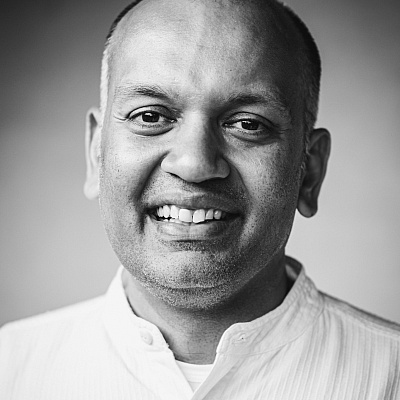
Imagine a world where we have more ways to connect than ever before—social media, video calls, instant messages—yet somehow we feel more alone. That's the paradox a man named Nipun Mehta shared with a graduating high school class. Nipun walked away from a high-paying tech job to start ServiceSpace, an organization that now has 450,000 members worldwide, all focused on generosity and connection. He told the students they're inheriting a world that's both "miserable and magical"—better than ever in many ways (less hunger, longer lives, more democracy), yet facing serious challenges like climate change and a crisis of loneliness. The average American adult now reports having just one real friend they can count on.
Nipun's message wasn't about doom and gloom, though. He shared three powerful keys to rebuilding connection in our disconnected world. First, give—not because you have to, but because humans are naturally wired for generosity. He told the story of six-year-old Ruby Bridges, who prayed for the people threatening her as she integrated an all-white school. Second, receive—understand that when we give, we also receive joy, purpose, and transformation. And third, dance—stop keeping track of who gives what and just enjoy the flow of connection between people. From restaurants where diners pay for strangers' meals to a homeless woman offering her only nickel as a gift, Nipun showed that everyone can be generous, no matter what they have.
Let's Talk About It
1. Nipun says we live in a "miserable and magical" world at the same time. What are some things that feel magical about our world today? What feels miserable or challenging? Do you think this paradox is real in your own life?
2. The story mentions that the average American adult has only one real friend they can count on, even though we're more "connected" online than ever. What do you think makes a real friend different from an online connection? How many people do you feel you could truly count on?
3. Think about Ruby Bridges, the six-year-old who prayed for people who were threatening her. Have you ever had to show kindness to someone who wasn't kind to you? What happened, and how did it feel?
4. Nipun says "to be truly selfish, you must be generous" because giving makes us feel good too. Does that idea make sense to you? Can you think of a time when doing something kind for someone else actually made YOU feel better?
After-Dinner Experiment
Try the "Mystery Kindness Challenge" as a family this week. Each person secretly does one act of kindness for someone outside your family—it could be paying for a stranger's coffee, leaving an encouraging note for a coworker or classmate, helping a neighbor with yard work, or donating something you no longer need. The catch: don't tell anyone in the family what you did until you gather for dinner again in a few days. Then share your stories. How did it feel to give? Did you receive anything unexpected in return—maybe a smile, a thank you, or just a warm feeling inside? Did staying anonymous (not seeking credit) change the experience? See if you can keep the chain going with one act of kindness per week.
COMMUNITY REFLECTIONS
SHARE YOUR REFLECTION
3 PAST RESPONSES
It is not easy to find this kind of attitude.
After the COVID it seems that Pandoras box, was opened again, and even hope isn't in the box,