
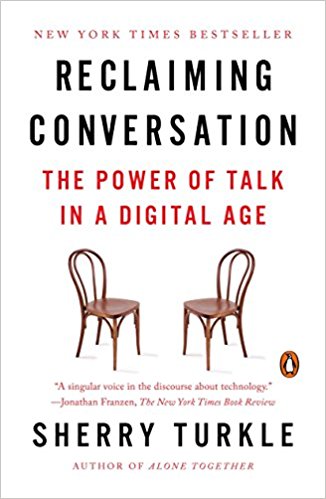
जब हम अपने मोबाइल फोन पर अत्यधिक निर्भर हो जाते हैं तो क्या होता है? एमआईटी की समाजशास्त्री शेरी टर्कल, जिन्होंने 'रिक्लेमिंग कन्वर्सेशन' नामक नई पुस्तक लिखी है, के अनुसार, हम दूसरों के साथ अधिक गहन और सहज बातचीत करने की अपनी क्षमता खो देते हैं, जिससे हमारे सामाजिक संबंधों का स्वरूप खतरनाक तरीके से बदल जाता है।
 टर्कल ने पिछले 20 वर्षों से इस बात का अध्ययन किया है कि प्रौद्योगिकी हमारे अकेले और समूह में व्यवहार करने के तरीके पर क्या प्रभाव डालती है। शुरुआत में तो वे समाज को बेहतर बनाने की प्रौद्योगिकी की क्षमता से उत्साहित थीं, लेकिन अब वे इस बात को लेकर चिंतित हैं कि नई प्रौद्योगिकियां, विशेष रूप से मोबाइल फोन, हमारे समुदायों के सामाजिक ताने-बाने को कैसे कमजोर कर रही हैं।
अपनी पिछली बेस्टसेलर किताब, 'अलोन टुगेदर' में उन्होंने इस बात पर चिंता व्यक्त की थी कि तकनीक हमें और अधिक एकाकी बना रही है, जबकि साथ ही साथ यह हमें आपस में जोड़ने का वादा भी कर रही है। 2012 में उस किताब के प्रकाशन के बाद से, तकनीक और भी व्यापक हो गई है और हमारे आधुनिक जीवन का अभिन्न अंग बन गई है। 'रिक्लेमिंग कन्वर्सेशन ' टर्कल का आह्वान है कि हम मोबाइल फोन के सामाजिक प्रभावों पर गहराई से विचार करें और सहानुभूति , आत्मनिरीक्षण, रचनात्मकता और आत्मीयता की हमारी क्षमता को संरक्षित करने के लिए अपने दैनिक जीवन में बातचीत की भूमिका को पुनः स्थापित करें।
मैंने टर्कल से फोन पर उनकी किताब और उससे जुड़े कुछ सवालों के बारे में बात की। हमारी बातचीत का संपादित अंश यहाँ प्रस्तुत है।
जिल सट्टी: आपकी नई किताब में चेतावनी दी गई है कि सेल फोन और अन्य पोर्टेबल संचार तकनीकें बातचीत की कला को खत्म कर रही हैं। आपने विशेष रूप से बातचीत पर ही ध्यान केंद्रित क्यों किया?
शेरी टर्कल: क्योंकि बातचीत सबसे मानवीय और मानवीय बनाने वाली गतिविधि है। यहीं से सहानुभूति और आत्मीयता का जन्म होता है—आँखों के संपर्क के कारण, क्योंकि हम दूसरे व्यक्ति की आवाज़ के लहजे को सुन सकते हैं, उनके शारीरिक हाव-भाव को महसूस कर सकते हैं, उनकी उपस्थिति को महसूस कर सकते हैं। यहीं से हम दूसरों के बारे में सीखते हैं। लेकिन, अनजाने में, बिना किसी योजना के, हम वास्तव में बातचीत से इस तरह दूर होते जा रहे हैं कि मेरे शोध से पता चलता है कि यह हमें नुकसान पहुँचा रहा है।
जेएस: मोबाइल फोन और अन्य प्रौद्योगिकियां हमें किस प्रकार नुकसान पहुंचा रही हैं?
एसटी: 89 प्रतिशत अमेरिकियों का कहना है कि अपनी पिछली सामाजिक बातचीत के दौरान उन्होंने फोन निकाला, और 82 प्रतिशत ने कहा कि इससे उनकी बातचीत का माहौल बिगड़ गया। मूल रूप से, हम कुछ ऐसा कर रहे हैं जिसके बारे में हम जानते हैं कि यह हमारी बातचीत को नुकसान पहुंचा रहा है।
मैं एक अध्ययन का हवाला दूंगा। अगर आप किसी सामाजिक बातचीत में मोबाइल फोन का इस्तेमाल करते हैं, तो इससे दो बातें होती हैं: पहली, इससे आपकी बातचीत की गुणवत्ता कम हो जाती है, क्योंकि आप उन विषयों पर बात करने लगते हैं जिन पर आपको बीच में टोकने से कोई आपत्ति नहीं होती, जो कि स्वाभाविक है; और दूसरी, इससे लोगों के बीच आपसी सहानुभूति कम हो जाती है।
तो, दोपहर के भोजन के समय मेज पर मोबाइल फोन रखने जैसी छोटी सी बात भी लोगों के बीच होने वाली बातचीत के भावनात्मक महत्व को कम कर देती है और उनके बीच के जुड़ाव को भी कमजोर कर देती है। अगर आप इसे उन सभी मौकों से गुणा करें जब आप किसी के साथ कॉफी पीते समय, अपने बच्चे के साथ नाश्ता करते समय या अपने साथी से अपनी भावनाओं के बारे में बात करते समय मेज पर मोबाइल फोन रखते हैं, तो हम दिन में 10, 20, 30 बार एक-दूसरे के साथ ऐसा कर रहे होते हैं।
जेएस: तो, अगर मोबाइल फोन वास्तव में हमारे आपसी संबंधों को नुकसान पहुंचा रहा है, तो मनुष्य इसके आकर्षण के प्रति इतने संवेदनशील क्यों हैं?
एसटी: मोबाइल फोन हमें ऐसे वादे करते हैं जो किसी दयालु जिन्न के उपहार के समान हैं—कि हमें कभी अकेला नहीं रहना पड़ेगा, हम कभी ऊबेंगे नहीं, हम अपना ध्यान जहाँ चाहें लगा सकते हैं, और हम एक साथ कई काम कर सकते हैं, जो शायद सबसे लुभावना है। अपना ध्यान जहाँ चाहें लगाने की यह क्षमता ही वह चीज़ बन गई है जो लोग अपने सामाजिक मेलजोल में सबसे ज़्यादा चाहते हैं—यह एहसास कि आपको अपना 100 प्रतिशत समर्पित करने की ज़रूरत नहीं है और आप इस डर से बच सकते हैं कि बातचीत के दौरान कभी आप ऊब जाएँगे।
दरअसल, खुद को कुछ पल के लिए ऊबने देना मानवीय अंतःक्रिया के लिए बेहद ज़रूरी है और यह आपके मस्तिष्क के लिए भी उतना ही ज़रूरी है। जब आप ऊबते हैं, तो आपका मस्तिष्क बिल्कुल भी ऊबता नहीं है - यह खुद को तरोताज़ा कर रहा होता है, और इसे आराम के लिए इस समय की आवश्यकता होती है।
हम मोबाइल फोन के प्रति बहुत संवेदनशील हैं, और यहां तक कि हमें अपने फोन द्वारा दी जाने वाली निरंतर उत्तेजना से एक प्रकार का न्यूरोकेमिकल नशा भी मिलता है।
 मैंने पिछले 20 साल तकनीक की ताकत का अध्ययन करने में बिताए हैं, लेकिन जानते हैं क्या? हम अभी भी बदलाव ला सकते हैं। हम अपने फोन का इस्तेमाल ऐसे तरीकों से कर सकते हैं जो हमारे बच्चों, हमारे परिवार, हमारे काम और हमारे खुद के लिए बेहतर हों। यह कहना गलत होगा कि हम तकनीक के आदी हो गए हैं। यह हेरोइन नहीं है।
जेएस: आपकी किताब में एक बात जिसने मुझे प्रभावित किया, वह यह थी कि आपने जिन लोगों का साक्षात्कार लिया, उनमें से कई लोगों ने ऑनलाइन माध्यम से संघर्ष या भावनात्मक समस्याओं को सुलझाने के फायदों के बारे में बात की। उन्होंने कहा कि वे अपनी प्रतिक्रियाओं में अधिक सावधानी बरत सकते हैं और इससे आपसी तनाव कम करने में मदद मिलती है। यह अच्छी बात लगती है। इस विचार में समस्या क्या है?
एसटी: जब मैंने अपनी किताब के लिए शोध किया तो यह जानकर मुझे बहुत आश्चर्य हुआ कि कितने लोग अपने साथी या बच्चों के साथ झगड़ों को कम करने या कठिन भावनात्मक मुद्दों से निपटने के लिए ऑनलाइन माध्यम का उपयोग करना चाहते हैं।
लेकिन चलिए बच्चे का उदाहरण लेते हैं। अगर आप अपने बच्चे के साथ ऐसा करते हैं, अगर आप उनसे सिर्फ़ नियंत्रित तरीके से पेश आते हैं, तो आप असल में उनके सबसे बड़े डर को हवा दे रहे हैं—कि उनकी सच्चाई, उनका गुस्सा, उनकी अनकही भावनाएँ, ऐसी चीज़ें हैं जिन्हें आप संभाल नहीं सकते। और यही वो बात है जो एक माता-पिता को अपने बच्चे से नहीं कहनी चाहिए । आपके बच्चे को ये सुनने की ज़रूरत नहीं है कि आप उनकी भावनाओं की तीव्रता को समझ नहीं सकते, स्वीकार नहीं कर सकते और उसका सम्मान नहीं कर सकते।
लोगों को अपनी भावनाओं को साझा करने की ज़रूरत है—मैं इस बात को लेकर बहुत दृढ़ विश्वास रखती हूँ। मैं समझती हूँ कि लोग टकराव से क्यों बचते हैं, लेकिन इस तरीके का इस्तेमाल करने वाले लोगों के बच्चे अंततः यह सोचने लगते हैं कि उनकी भावनाएँ ठीक नहीं हैं। इसका एक और दिलचस्प रूप भी है, जिसमें माता-पिता अपने बच्चों को रोबोट से बात करने के लिए देते हैं या चाहते हैं कि उनके बच्चे सिरी से बात करें, क्योंकि उन्हें लगता है कि यह अपनी भावनाओं को व्यक्त करने का एक सुरक्षित तरीका होगा। लेकिन, आपके बच्चे को बिल्कुल भी इसकी ज़रूरत नहीं है ।
जेएस: कुछ अध्ययनों से ऐसा प्रतीत होता है कि सोशल मीडिया के बढ़ते उपयोग से वास्तव में ऑफलाइन सामाजिक मेलजोल बढ़ता है। मुझे आश्चर्य है कि यह आपके सिद्धांत से कितना मेल खाता है?
एसटी: मैं इस डेटा को इस तरह समझता हूँ कि अगर आप सामाजिक व्यक्ति हैं, सामाजिक रूप से सक्रिय व्यक्ति हैं, तो सोशल मीडिया का आपका उपयोग आपकी सामाजिक प्रोफ़ाइल का हिस्सा बन जाता है। और मुझे लगता है कि यह बहुत अच्छी बात है। मेरी किताब तकनीक विरोधी नहीं है; यह संवाद समर्थक है। इसलिए, अगर आपको लगता है कि सोशल मीडिया के उपयोग से आपके आमने-सामने के संवादों की संख्या बढ़ती है, तो मैं इसका शत प्रतिशत समर्थन करता हूँ।
एक और व्यक्ति जिसे सोशल मीडिया से मदद मिल सकती है, वह है जो इसका उपयोग लोगों से आमने-सामने बातचीत करने की दिशा में छोटे-छोटे कदम उठाने के लिए करता है। यदि आप ऐसे व्यक्ति हैं, तो मैं आपका पूरा समर्थन करता हूँ।
मुझे उन लोगों की ज्यादा चिंता है जिनके लिए सोशल मीडिया एक तरह का विकल्प बन जाता है, जो सचमुच फेसबुक पर कुछ पोस्ट करते हैं और बस वहीं बैठकर देखते हैं कि उनकी तस्वीर पर 100 लाइक मिलते हैं या नहीं, जिनका आत्म-सम्मान और ध्यान इस बात से तय होता है कि सोशल मीडिया पर उन्हें कितना स्वीकार किया जाता है, कितना चाहा जाता है और कितना पसंद किया जाता है।
और मुझे उन अनेक स्थितियों की चिंता है जिनमें हम छह अन्य लोगों के साथ डिनर पार्टी में बातचीत कर रहे होते हैं, और हर कोई भोजन के दौरान मैसेज कर रहा होता है और "तीन-व्यक्ति नियम" का पालन कर रहा होता है—यानी कि मैसेज करने के लिए सिर नीचे करने से पहले तीन लोगों का सिर ऊपर होना ज़रूरी है। इस स्थिति में, जहाँ हर कोई ध्यान भी दे रहा होता है और नहीं भी, अंत में कोई भी अपने मन की बात गंभीरता से नहीं कह पाता, और हमारी बातचीत सतही हो जाती है, और हम एक-दूसरे से जुड़ाव महसूस नहीं करते।
जेएस: आप कार्यस्थल के वातावरण पर बातचीत के प्रभाव के बारे में भी लिखते हैं। क्या बातचीत काम में बाधा नहीं बनती? कार्यस्थल पर बातचीत को बढ़ावा देना क्यों ज़रूरी है?
एसटी: कार्यस्थल में, बातचीत के लिए विशेष स्थान बनाना आवश्यक है क्योंकि, सबसे महत्वपूर्ण बात, बातचीत से वास्तव में लाभ बढ़ता है। सभी अध्ययनों से पता चलता है कि जब लोगों को आपस में बात करने की अनुमति दी जाती है, तो वे बेहतर प्रदर्शन करते हैं—वे अधिक सहयोगात्मक होते हैं, अधिक रचनात्मक होते हैं और अधिक कार्य पूरा करते हैं।
कंपनियों के लिए कार्यस्थल पर बातचीत के लिए जगह बनाना बहुत ज़रूरी है। लेकिन अगर कोई मैनेजर कर्मचारियों को यह उदाहरण नहीं देता कि बातचीत करने के लिए ईमेल से दूर रहना ठीक है, तो कुछ भी हासिल नहीं होगा। मैं एक ऐसे कार्यस्थल पर गया जहाँ हर 10 फीट पर कैपुचीनो मशीनें थीं और बातचीत के लिए उपयुक्त आकार की मेजें थीं, जहाँ सब कुछ बातचीत के लिए ही बनाया गया था। लेकिन लोग यह महसूस कर रहे थे कि कंपनी के प्रति समर्पण दिखाने का सबसे महत्वपूर्ण तरीका ईमेल का तुरंत जवाब देना है। अगर आपको लगातार ईमेल पर रहना पड़े तो बातचीत करना संभव नहीं है। जिन लोगों का मैंने इंटरव्यू लिया, उनमें से कुछ अपने फोन से दूर रहने से डरते थे। इसका मतलब यह है कि वे नाश्ते के समय भी अपना मोबाइल फोन साथ ले जाते हैं और अपने बच्चों के साथ नाश्ता नहीं करते।
जेएस: यदि प्रौद्योगिकी इतनी सर्वव्यापी होने के बावजूद समस्याग्रस्त है, तो आप इसे अत्यधिक लत लगने से बचाते हुए, इसे प्रबंधनीय स्तर पर बनाए रखने के लिए क्या सुझाव देते हैं?
एसटी: आगे का रास्ता तकनीक के बिना जीने का नहीं है, बल्कि इसके साथ अधिक सामंजस्य बिठाकर जीने का है। मेरी नज़र में पहला कदम है रसोई, भोजन कक्ष, कार जैसी पवित्र जगहें बनाना, जो उपकरणों से मुक्त हों और बातचीत के लिए समर्पित हों। जब आप किसी मित्र, सहकर्मी या परिवार के सदस्य के साथ दोपहर का भोजन करें, तो अपने बीच में फ़ोन न रखें। भोजन को ऐसा समय बनाएं जब आप सुनने और अपनी बात कहने के लिए मौजूद हों।
जब हम कमरे में मौजूद दोस्तों और अपने फोन पर मौजूद सभी लोगों से बातचीत में उलझते रहते हैं, तो हम उन बातचीत से वंचित रह जाते हैं जिनमें सहानुभूति पनपती है और आत्मीयता बढ़ती है। मेरी मुलाकात एक समझदार कॉलेज छात्रा से हुई, जिसने "सात मिनट के नियम" के बारे में बताया: किसी बातचीत के दिलचस्प होने का पता लगाने में सात मिनट लगते हैं। और उसने यह भी माना कि वह शायद ही कभी अपने सात मिनट देने को तैयार होती है। जैसे ही बातचीत में थोड़ी देर का ठहराव आता है, वह अपने फोन में लग जाती है। लेकिन जब हम अटकते हैं, हिचकिचाते हैं और बातचीत में ठहराव आता है, तभी हम एक-दूसरे के सामने खुद को सबसे ज़्यादा ज़ाहिर करते हैं।
इसलिए उन मानवीय क्षणों के लिए जगह बनाएं, स्वीकार करें कि जीवन एक स्थिर "भोजन" नहीं है, और सहानुभूति, समुदाय और रचनात्मकता के लिए बातचीत की गति का आनंद लेना सीखें।
COMMUNITY REFLECTIONS
SHARE YOUR REFLECTION
9 PAST RESPONSES
Recently, my wife's brother and sister-in-law visited us for a few days. Along with them came their smart-phones (my wife and I have one antiquated "dumb-phone" that we use for traveling or for certain occasions only). Of course, wherever my in-laws were, their smart-phones came along, with the requisite browsing and texting. One day we went to a beautiful botanical garden for a stroll and some picture-taking. And of course, along came the smart-phones. Well, my brother-in-law decided to separate himself from the rest of us and proceeded to text his every move to his wife, who was with the rest of us. Every few minutes of peaceful silence and enjoyment of the wonderful sights was interrupted by a barrage of texts, with their accompanying screams for attention. A wonderful outdoor moment in nature ruined. And oh, they are in their late 60s!
What we are now experiencing has been aptly termed, "Persistent Interruption Technology," and from what I can see, quite addicted to it.
I'm 61 and glad I'm on the far side of the PITs.
[Hide Full Comment]Putting private thoughts (or "feelings") into the cloud feels *safer* than discussing them privately? Is that like saying that not using a seat belt in a car feels "safer" because buckling up makes someone feel claustrophobic? DUH.
To use technology in a right way sounds a good idea for those who have enough intelligence
and strength to do that the reality is that that group of community is usually the smallest
Look at the planet now and see what is going on. Majority is helplessly following dictation of economy ,knowing that those who have some compassion should help humanity how to live in harmony with our natural world of which we are part and then we may have a chance to use any technology for our benefit .
May all beings be happy.
,
One general rule I make an effort to enforce with loved ones, friends. When we set down to a meal, we set down to a meal. My rule states no discussion of the following:
politics
religion
economics
money
business
sex
Further, all phones & gadgets are either off, on silent, not given interaction. If pressed I excuse the rule to help aid with digestive troubles from stress. Generally, people then, understand and comply. "Oh, yeah I guess that makes sense. If it helps us digest our food better, alright."
You might think eliminating all the above from conversation will not leave much to discuss. You're thought would err. I will tolerate discussion of spirituality, this is not religion but how a person relates to our world. I'll handle it that as long as it remains topical and doesn't get too in depth or begin to sound like proselytizing.
I'll even give a little wiggle room to politics, so long as it again stays highly topical. If someone goes to far I will kindly remind us all. "Hey, that's all good for corporations to set policies. We're having a meal. How about the quality of this food?"
Business & money talk? No, I do not want it when we eat. That kind of stuff is peddling death usually. When we eat, we're celebrating life. Even if I'm supposed to be doing some business, or having to deal with money issues. "This can wait until we've eaten. I'll bring it back up when the time is right. Thanks,"
We can also talk about gardening, household tips, health concerns. There is plenty to chit chat about. I simply prefer to not have all the normally crappy, well, crap invade a nice meal with those I love. That crap has no place in our circle. I find once others come to "break bread" with me and they get a "feel" of my rule/s of eating, they seem to appreciate and respect that. If they do not, I slide them out into outfield. I'll not waste valued time on them. They get a cold shoulder, if i even let them see the shoulder.
I do not have a cell phone, "smart" or otherwise. My wife has her phone. I just don't "get" that kind of stuff. I also do not get too enthused about gaming. I like very few puzzle types of games, a few rpg. But I'm moderate in playing even these. Don't do a lot of Facebook either. I'm on there merely to give my wife a pointer. "Oh, look, my husband!"
No, I'm not exactly a Luddite either. I'm just not "getting" a lot of stuff any more. Might be I need a college degree. Although, I'm sure it would do no good for me. There's already a lot I'm overqualified to do work wise, and I'm only a high school graduate. And there's a lot I seemingly need a college degree to do.
Well, I can grow beans & peas. :) People like eating those. People will offer help for beans & peas, they'll offer the money stuff too for my wife. She can then pay that darned Bill guy who comes monthly to collect his share.
[Hide Full Comment]Maybe it's because I am 63, but I've been in the computer field since I left college (tho retired now), so it's not like I've been a Luddite all my life. But I, too, have begun to abhor the fascination with cellphones. I look around public spaces, like my gym, and it's almost comical how all eyes are glued to their devices. I'm not a big socializer, either, but I don't use a cell phone as the mask others do to avoid even meeting the eyes of a person across a room.
But my biggest disappointment involves being called by people on their cell phones, when they are obviously driving, or walking, or shopping, etc. At first I tried to rationalize my disturbed feelings away, knowing how much "it makes sense" to use time like that to make calls or handle things. They were still talking completely to me, just getting something else done.
But the feelings persisted. Finally, I pinpointed the problem. It was ME that was the "something else to get done". Can check off the "keeping in touch with friends/family" box, without it actually taking up any of one's time.
One particular friend, who I've known for about 30 years and was very, very close to, seems puzzled by my seeming to distance him, not always answering his calls, or calling him back. But I remember when we used to sit for hours together, sharing deep conversations, including our feelings about important issues in our lives. (We happened to be going thru marital breakups at the same time, so naturally found it nice to have someone to share deep feelings with.)
What he doesn't seem to get, is that every time he calls me while he's food shopping, or driving, pausing while he looks for a street, or a brand of cereal, or whatever, our conversations never get past the "rained hard today, didn't it?" or "yeah, work is a pain" stuff. I especially noticed it because he remarried in those years, and happens to be divorcing again, and I thought maybe he could use someone to talk to, so I was trying to be there and not ignore his calls. But I finally gave up, and have gone back to checking off my own box, something like "have I gone too many calls in a row without answering?" so give him the chunk of time ... until his shopping trip is over, or he's found the location he was driving to.
I find it very sad. But I've accepted it. It's an introspective time for me, so it's fine that many of my friends are so "busy". Maybe if they seemed happier I'd be convinced it was a good thing, but too many of them seem to recognize there's a lack, but have no clue the connection to how they've reduced their conversations to something they can check off while they do something else.
Sad.
[Hide Full Comment]Thank you Jill for expressing my feelings so well. I'm 65 (retired) and will NOT allow technology to dominate my life. I'm on the computer to read newsletters and write. I do check e-mail but not constantly. I'd rather pick up the phone to talk with someone but some in my age group have become e-mail or texting adopters. The younger set - I am concerned for them. Not only is communication an issue, but their posture, eyes, and use of thumbs is not good for the body. I am personally offended when someone uses their phone or tablet when I am talking with them. So rude! It's like saying I am less worthy of their attention than whatever potential 'life--changing' thing they HAVE to see RIGHT NOW is to them. End of rant. I do hope this attitude of 'receiving a feed' changes. It's unhealthy is so many ways.
Revealing article and frightening, but we need to embrace phones/technology bc it is not going away. We need to rethink their usage and as author states create sacred space and limits. Nothing is more sacred than human face to face interaction.