
联合圣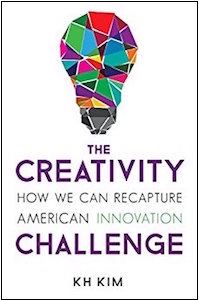 ates 以成为创新灯塔而自豪。
但据教育心理学家金凯熙(KH Kim)的研究显示,过去几十年里,美国的创造力大幅下降。金凯熙是新书《创造力挑战》(The Creativity Challenge )的作者。她对超过27万人进行了测试,受试者涵盖从幼儿园儿童到成年人的各个年龄段,研究内容包括他们提出原创想法的能力、进行细致深入思考的能力、综合信息的能力以及开放好奇的心态——这些正是她所定义的创造力。她的研究发现,美国人的创造力在1966年至1990年间有所提升,但此后开始显著下降。
这就是个问题。“美国能够找到并实施解决国家当前面临问题的人才越来越少,”她写道。“如果这种趋势不能尽快扭转,美国将无法应对未来的挑战。”
根据金的研究,创造力危机的根源在于“社会逐渐背离了美国创造力赖以存在的价值观”。她解释说,20世纪,全球移民涌入美国,带来了不同的视角,这极大地激发了美国的创造力。反过来,美国的教育体系也鼓励创造力,强调智力多样性、好奇心、冒险精神和非传统思维。然而,经济现实导致了这些价值观的转变:从20世纪80年代开始,培养创造力似乎不再是获得稳定工作的途径,学校为了获得资金,开始将重点放在提高标准化考试成绩上。
《创造力挑战》一书探讨了如何应对这种令人沮丧的趋势。她的书对我们所有人——尤其是身居领导职位的人——都是一个挑战,挑战我们去创造鼓励创造力及其所有益处的环境。
创意人士的八个特征
培养创造力的一个方法是,管理者、教育者和家长需要了解有创造力的人所展现的行为和态度,并给予认可和支持。换句话说,我们必须认识到创造力在现实生活中是什么样的——在我们管理的员工、我们的孩子和学生身上,甚至在我们自己身上。金的书中,基于她回顾的数十年研究,总结了有创造力的人常见的二十多种行为。其中许多行为,尤其是以下几种,有时会被误解为叛逆和不切实际。
具有全局思维:创意人士擅长抽象思考,他们超越当前情境的具体细节,寻求新的解决方案。然而,由于他们的乐观和好奇心,他们有时会被视为不切实际、不切实际。
自发性:有创造力的人往往灵活应变,能够迅速抓住新机遇,以开放的心态和玩乐的视角看待它们——这可能会显得冲动。
活泼好动:富有创造力的人往往性格开朗,渴望探索世界。但另一方面,这也可能被视为调皮捣蛋。
韧性强:有创造力的人能在失败后重新振作,从挑战中迅速恢复,并重新专注于克服逆境的新方法。有时,这种韧性会显得有些好斗。
自主型:富有创造力的人往往追求思想和行动上的独立性,依靠内在动力去实现目标。有时,这类人可能会显得难以控制。
特立独行:富有创造力的人往往会为了追求自身目标而拒绝接受现有的规范和权威。这使他们能够看到他人所看不到的东西,并提出突破常规的解决方案,而这些方案有时会被视为叛逆之举。
冒险精神:许多富有创造力的人在乐观的驱使下,愿意放弃稳定的生活,去追求不确定的回报。在普通人看来,这可能显得鲁莽。
白日梦:通过白日梦,有创造力的人能够设想出新的视角和解决方案——但在此过程中,他们的一些想法可能看起来像是妄想。
如何支持创意人士
识别创造力最难的地方在于它发生在幕后:你可能会看到有人在工作中走神,却无法判断他们是在拖延时间还是在为灵感迸发的创意做准备。创造力的过程在某种程度上是隐形的,尽管它的成果却意义非凡。
基于此,金提出了一些支持创造力的建议:
为创意人才提供他们所需的资源。金说,创新者就像植物,他们渴望资源才能成长和发展。这包括给予他们时间和自由去探索可能激发他们灵感的非正式活动,例如在职进修或学校的替代作业。如果员工想花一天时间去博物馆参观新展览,不妨让他们去——也许他们正陷入创作瓶颈,需要一些灵感来激发下一个项目创意。
促进多元化。多元文化且对不同语言、种族和性取向持开放态度的环境,能够为挑战我们既有思维模式的不同观点提供空间。领导者应努力避免创建一个文化同质化且以一致性为基础的社群。
鼓励导师制。金认为,导师制对个人的创造力大有裨益。“他们最终会引导受指导者抓住新的机会,通过承担智力风险或挑战主流观点来发现自身的独特之处,”她写道。领导者可以调整组织架构,鼓励经验丰富的员工或学生指导他人。
牢记这些指导原则,我们可以努力营造有利于创造力发展的环境,这反过来将使组织受益,并帮助社会用急需的新想法应对当今的挑战。
金写道:“人类拥有前所未有的创造力和潜力,许多人发现,在创造的过程中,他们实现了人生的真正目标。”
COMMUNITY REFLECTIONS
SHARE YOUR REFLECTION
1 PAST RESPONSES
"However, economic realities caused a shift in these values: Starting in the 1980s, cultivating creativity didn’t seem like the path to a stable job, and schools shifted to focus on improving standardized test scores in order to get funding, Kim writes."
What wasn't mentioned here is that this was very much a deliberate effort, and a core part of the neoconservative agenda. It corresponds perfectly with their concerted efforts in the 1980s to take over school boards nationwide, and the plan to remove "dangerous" things like thinking skills and inquiry-based learning from curriculum. I was teaching during this time, and teachers using creative, innovative methods were attacked professionally and personally. The cons sought a return to "traditional methods", such as rote memorization and eschewed independent thinking skills, which they claimed taught kids to "question the values they were brought up with."
From those efforts came the nationwide political move to base school funding on test scores, and the preferred curriculum was seen as that offered from large publishing corporations, and a key benefit from the conservative point of view was that it was "teacher-proof".
Teachers were given scripted lesson plans - literal scripts - that must be adhered to no matter what. If it was October 12, you better be on p.23 of Unit 4, or else. Being able to successfully regurgitate the material the tests covered long enough to pass the tests and keep the districts funding became key.
As any true educator knows, learning - real learning - is messy, unscripted, and often occurs in fits and starts. It involves a myriad of factors, a number of which reside outside the control of any district or classroom. Deep learning is not measured by standardized tests.
I think most readers here realize that standardized tests measure successful regurgitators, and to a large extent, conformity, the primary objectives of public education. On these tests, there is only one "right answer". This mentality is the very antithesis of creative thinking and doing, as the Kim states.
The goal is to produce people just smart enough to work the equipment and perform the tasks the corporate elite deems important, but not independent or creative enough to truly think for oneself. Hence the current emphasis in secondary and higher ed on "job skills". And while having job skills is not a bad thing, seeing the mentality behind the current system is important if we ever hope to have something more creative for our children and grandchildren.
Kim's work, and the ideas presented here, are of critical importance. The problems we are facing will require creative and innovative thinking and problem-solving like never before!
[Hide Full Comment]