
我大约12岁的时候才知道,我祖父的生日是12月12日。如果他还活着,今天就是他100岁生日了。我是在他来慕尼黑做眼科手术的时候得知他的生日的。他患有糖尿病,视力一直在下降。当时在巴基斯坦很难找到能做这种手术的眼科医生。我祖父会说很多语言,比如旁遮普语、乌尔都语、波斯语、英语、阿拉伯语和一些梵语,但他不会说德语。他来的时候正值我的学校假期,所以我被指定为他的官方翻译,负责他看医生和住院期间的沟通。
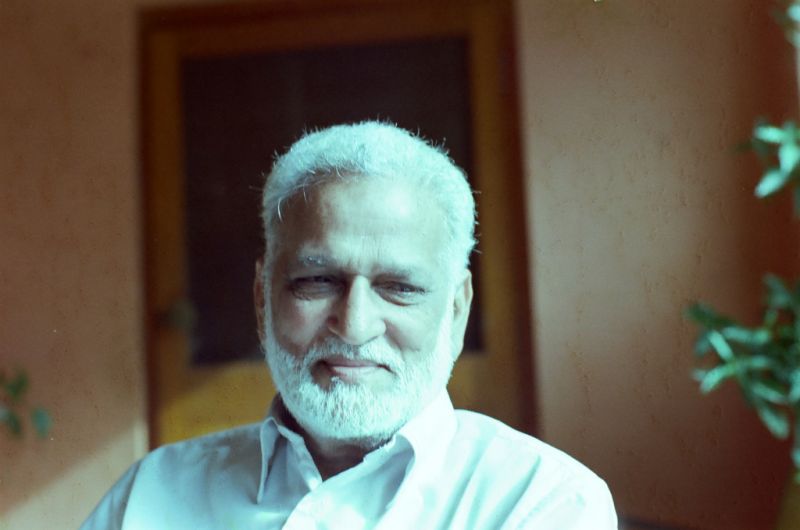
手术前一天下午,我们去了医院。我正在填写登记表,问爷爷他的生日,他说是2012年12月12日。我惊讶地发现他的生日竟然是这么个特别的数字组合。登记处的女士看到日期后,问我爷爷是否确定日期正确。我把这句话翻译给爷爷听,他笑着说:“差不多没错。谁也说不准,但肯定很好记。” 我知道自己是翻译,但这需要比直接翻译更讲究的技巧。你不能跟德国公务员说某个日期“差不多没错”。如果在这个时候引入不确定性,后果不堪设想。
因此,我转述了我祖父的回答:“是的,完全正确!”
然后她说:“ Eine Schnapszahl !”
我祖父让我翻译这句话,我又一次词穷了。 “Schnapszahl”字面意思是“Schnapsnumber”(酒的数字),是德语中表示重复数字的表达,比如33或555。这个词的起源可能与醉酒者可能出现的短暂复视有关,也可能与一种饮酒游戏有关,在加法运算中遇到重复数字后就要喝Schnaps (一种烈酒)。我不太确定该如何把它翻译成乌尔都语,才能避免深入探讨德语习语中经常用玩笑的方式提及酒精的背景。
我决定把她的话翻译成“多么难忘的一天啊”,我的祖父点了点头。
随后,一位住院医师接诊了我们,他也指出了我们这个特殊的生日。
他的评论是“ Darauf sollten wir einen trinken !”,这是一句德语习语,翻译过来是“我们都应该喝一杯庆祝一下”,但实际上只是“好耶!”或“太棒了!”的意思。
爷爷想知道医生说了什么,我又一次陷入了困境。我应该准确地翻译,并解释说这只是一句德语习语,并非有意冒犯巴基斯坦穆斯林吗?还是应该干脆略过关于酒的部分?语言翻译本来就够难了,还要兼顾文化敏感性,这对我来说更是难上加难。我的乌尔都语本来就不好,最后只能勉强翻译成“这是一个令人欣喜的机会”。爷爷一脸疑惑地看着我,但并没有多问。
*****
祖父做完眼科手术的第二天,眼科医生和住院医生来查房。他们取下他的眼罩,检查了眼睛,告诉我一切正常。他只需要再休息几天就能回家了。医生们重新给他戴上纱布和眼罩后,就去诊治下一位病人了。
医生查房结束后,我认识了护士长。她似乎把眼科病房当成了自己的部队,管理得像个严厉的教官。她走进每个房间,命令所有病人下床到公共区域走动。她说,只有懒人才会赖在床上。最好的恢复方法就是活动。
我告诉她,我觉得我爷爷还没准备好起床。
“有医生禁止他起床吗?”
“不,其实不是,”我回答道。
“如果他双腿健全,他可以自己走到公共休息室。如果他腿脚不便,我们会提供轮椅。”
“他昨天刚做了手术,需要休息,”我抗议道,并指着爷爷的眼罩。
“昨天是昨天,今天是今天!”教官回答道。
这句话在我看来并没有什么深意,我还在等着进一步的解释,但教官已经继续前进,命令隔壁房间的病人起床。
我和祖父别无选择,只好加入到那群独眼老人的队伍中,他们看起来像是退休的、体弱多病的海盗。他们正慢慢地从房间里蹒跚走向公共区域。
公共区域摆放着椅子、沙发和几张桌子。我和祖父在角落里坐下,开始聊天。他给我讲他一生的故事,生动地描述了他和朋友们如何自豪地反抗英国殖民者。祖父用波斯语为我朗诵了波斯诗人萨迪的诗集《古丽斯坦》 ,并把它们翻译成乌尔都语。他想了解德国历史以及我在学校里学些什么。他问我是否读过歌德的诗,因为印度诗人伊克巴尔非常欣赏歌德的诗歌。
我们聊了几个小时。像大多数孩子一样,我当时并没有意识到自己有多么享受这些谈话。直到多年后祖父去世,我才后悔当初没有把和他谈话的内容记下来。如今,我只有一些零碎的记忆,但我珍视这些片段。
于是我拿出随身携带的小型旅行象棋,我们开始下棋。我知道他因为做过眼部手术,有些棋子看不清楚。我利用他的视力障碍,赢下了每一局。在和爷爷聊天下棋的时候,我注意到其他一些男人一直在盯着我们看。也许他们觉得身边有个孩子很烦,也许他们不喜欢我们不停地聊天,也许他们只是不喜欢我们这些外国人。我尽量不去理会他们的目光,但还是觉得很不自在。
第二天,我们又重复了一遍同样的流程。晨间查房,教官命令所有人到公共区域集合,我和爷爷聊天,下棋。其他病人的目光让我很不舒服。我在想,要不要走过去问问其中一个男人,他们是不是对我爷爷和我有什么意见。还没等我鼓起勇气,一个男人就站起来朝我们走过来。我有点担心,不知道他会对我们做什么,说什么。
“你能问问你爷爷,我能不能借用一下你吗?”
“借我一下?”我吃惊地问道。
“他可以跟你讲各种故事,还可以跟你下几个小时的棋,而我也想找个人聊聊天。”
他说完那句话后,另一个一直默默观察我们的病人插话说,他想问问能不能“借用”我下盘棋。我顿时觉得自己蠢透了。其他一直盯着我和我爷爷看的病人,一点也不种族歧视,也不对我们生气,他们只是羡慕我爷爷有人愿意听他倾诉。
我试着把这段话翻译给爷爷听,但我不知道“借”该怎么翻译。爷爷笑了笑,立刻明白了那些人的意思,告诉我应该尽可能多地和病人交谈。他告诉我,倾听他人是一种双赢的机遇,对讲述者和倾听者来说都是如此。
那天以及之后几天,我祖父都在医院里,我和许多男病友聊天,听他们讲述各自的生活、健康状况、工作,甚至还有关于二战和战后德国生活的故事。我还记得我答应和他们下棋,但当我拿出我那副小小的旅行棋时,我的对手笑了,然后从公共区域的橱柜里拿出一副巨大的棋盘。他赢了我,我的祖父也赢了我,然后他和我在这副巨大的棋盘上下了棋,这副棋盘完全抵消了我旅行棋的优势。
***********
自从我和祖父以及眼科病房的其他病人一起度过那段时光后,我就把医学与叙事联系在了一起。每个人都渴望成为叙述者,但许多人却难以找到倾听者。疾病往往伴随着脆弱和孤独。在这种脆弱的时刻,讲述故事是一种与他人建立联系的方式,有助于克服孤独感。倾听者可以是家人、朋友,甚至是陌生人。不幸的是,许多病人无法找到愿意倾听的家人或朋友。正因如此,像护士或医生这样的医护人员才能发挥至关重要的作用。我们倾听病人,是为了从中获取健康线索,寻找可能有助于诊断的症状。然而,有时倾听本身也具有疗愈作用,因为它能给病人带来慰藉。
虽然我的主要工作是细胞生物学,但我仍然会抽出一些时间从事临床工作。我喜欢当医生的原因之一是有机会倾听患者或他们家属的心声。我会根据心脏病学指南开具所有必要的药物和安排检查,但我发现,倾听患者的心声,让他们有机会讲述自己的经历,能立刻让他们感到宽慰。
当患者体验到有人倾听的喜悦,而医护人员体验到与患者建立联系的喜悦时,这的确是一次“充满喜悦的机会” 。我常常思考,是否有任何方式可以替代倾听患者的心声。为了降低成本或最大化利润,医疗行业正朝着减少医护人员与患者面对面交流的方向发展。远程医疗模式,即患者由身处异地的医生进行评估,正日益普及。如今,患者往往填写病史清单,而不是向医生或护士讲述自己的经历。所有这些发展都在减少患者与医护人员之间面对面交流的机会。然而,社交网络、博客和在线讨论组或许能为患者提供讲述自身故事(包括与健康直接相关的故事以及其他故事)并找到听众的机会。我个人更喜欢传统的叙述方式。听众可以立即给予反馈,而面部表情和细微的语气变化也能帮助叙述者安心。关键在于尊重医学中的叙事过程,并帮助患者找到让他们感到舒适的方式来讲述他们的故事。
COMMUNITY REFLECTIONS
SHARE YOUR REFLECTION
12 PAST RESPONSES
Wonderful story
I came here today because our KindSpring.org group is doing the Reverence challenge and this was given as today's reading. I' m so grateful I got to read this beautiful story today. Thank you! ♥.
I am very late in reading this email -- found it in my inbox after all these months. I'm so glad I did not delete it without reading as this is one of the BEST stories I have read via The Daily Good. I am so inspired by the love and devotion and appreciation you had for your grandfather - as well as the time you spent with the other men in this hospital when you were only 12 yrs old! You were a wise boy then and definitely a wise doctor now. Bless you for sharing this and for all you do.
With much delight I read this beautiful story. I especially enjoyed it because it so relates to a program I started 14 years ago in my local hospital. It is called the Living History Program and it does just what this writer did. I deploy volunteers to the bedside of some of our patients and they use a template to explore the life of the patient. From that document we create a one page detailed social history or "life story" that is shared with the healthcare team and of course, the patient and the family. It becomes a treasured possession and a document that nurses and doctors can use to instantly connect with the patient on a different level. The program has gained in popularity and is now used in about 50 hospitals nationwide, including UCLA, Virginia Mason, Duke and Yale New Haven. For more info contact The Beryl Institute
What a beautiful and inspirational story. Thank you. You were very lucky to have such a wonderful grandfather and he was very lucky to have such an amazing grandson. Your patients are very blessed.
And your grandfather would be very proud of you :)
My heart was touched by your beautiful story. You must be a wonderful physician, and you are certainly doing God's work and surely He is winking down at you. Thank you
I would like to than Daily Good for posting my story here and for the encouraging comments of your readers. Story-telling is such a basic human desire, but it only works well if one finds listeners. I often feel that the art of listening is becoming a lost art. Listeners are just as important as story-tellers.
I was truly touched not only by the story of the relationship between grandson and grandfather but also by Jalees Rehman's view point of doctors. If only there was more face to face dialog and listening between patient and doctor. I feel fortunate that my family practitioner really listens. I only wish I had the opportunity to hear my grandfathers stories, I was quite young when he died.
Thank you for posting this story of human kindness and compassion.
What a wonderful story - I will share with many.
Very kind and beautiful story! I really loved it! Thank you so much!
I'm a Cause-Focused Storyteller so I deeply resonated with this article! Thank you for sharing the beautiful story of taking the time to Listen to your Grandfather; what wonderful Gifts you gave to each other as both the Teller and the Listener benefit from the Stories shared. Listening and encouraging the sharing of stories are beautiful gifts indeed; if every one took the time to listen we could create an even more wonderful world. Every one has a Story and most want the opportunity to share with someone. When I interviewed widowed women who broke tradition and rather than be inherited by another male family member they work on a farming cooperative in Ndiwa village in Kenya, I was amazed to learn that even though they'd worked side by side for 4 years, they'd never shared their stories with each other, it was only after being told their stories mattered and could help someone that they started to share. And then it was like a floodgate opening. I also worked with a translator and can relate to the cultural sensitivity needed in translating (and the humor that sometimes comes out!) :) Big HUG and thank you for a GREAT sharing!
[Hide Full Comment]You reminded me of my grandfather who was also born in Pakistan and moved to India during the partition. He was born om13/4/13. And I used to love spending time listening to his stories every evening
I'm really missing him after reading your story!!!
At present my father in law is going through the same situation. And I just realized that none of us are actually spending time listening to him. So yes, that's what I'm going to be doing now!!
Thank you!!!