
“我们努力追求知识,永远追求更多的知识,但必须明白,我们现在和将来都将一直被神秘所包围。”
“我们人类对‘一切’的定义,充其量只能给我们提供一束微弱的指路明灯,指引我们前行,”本杰明·沃克在他精彩的播客节目《万物理论》的一期节目中说道。当时,我们正就启迪和发现的艺术展开对话。三十年前,卡尔·萨根在他的巨著《科学经验的种种》中就阐述了这一观点,他断言: “如果我们自认为彻底理解了我们是谁,我们从何而来,那我们就失败了。”这或许也是里尔克劝诫我们“活出疑问”时的心声。然而,如果说人类文化史中存在一个共同点,那就是对不可知之物的永不满足的渴望——也就是说,渴望了解一切,并且确信无疑地了解一切,而这本身恰恰是人类精神的敌人。
天体物理学家兼哲学家马塞洛·格莱泽在《知识之岛:科学的局限性与意义的探索》 ( 公共图书馆)一书中探讨了人类最根本的渴望所带来的困惑和悖论,以及现代科学的进步如何加剧了这种困惑和悖论。
介于汉娜·阿伦特关于意义核心中无法解答的问题的永恒宣言和斯图尔特·费尔斯坦关于未知如何驱动科学的论证之间,格莱泽探讨了我们对知识的承诺以及我们同时对未知之谜的迷恋。
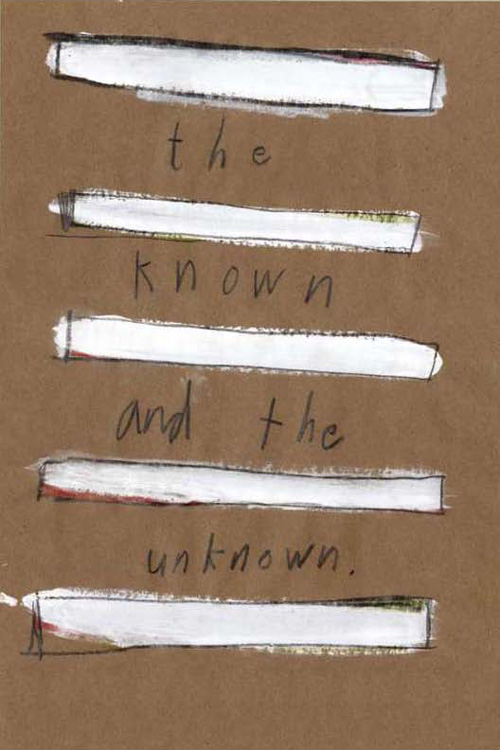
选自黛比·米尔曼的插图散文《安全无虞》,该散文后来成为毕业典礼演讲,探讨了勇气和创造性生活。
由此可见,这既是对人类成就的颂扬,也是对科学技术进步的温和提醒:面对科学技术进步,恰当的反应不是对已掌握的知识感到傲慢(这似乎是我们文明的行事方式),而是对尚待知晓的事物,以及或许最重要的是,对可能永远无法知晓的事物保持谦逊。
格莱泽首先提出一个问题:科学能够解释的宇宙以及我们在宇宙中的位置是否存在根本性的局限性?他尤其关注物理现实。他呼应了认知科学家亚历山德拉·霍洛维茨令人大开眼界的探索——霍洛维茨曾探讨过为什么我们的思维会错过周围发生的绝大多数事情——并写道:
我们所看到的只是“外部世界”的一小部分。即使我们借助望远镜、显微镜和其他探索工具来增强感官知觉,仍然有很多东西是肉眼无法看到的。就像我们的感官一样,每一种仪器都有其局限性。由于自然界的大部分仍然隐藏在我们眼前,我们对世界的认知仅仅基于我们能够测量和分析的那部分现实。因此,科学作为我们描述所见所闻以及我们推测的自然界存在的叙事方式,必然是有限的,它只能讲述故事的一部分……我们追求知识,永远追求更多的知识,但必须明白,我们现在和将来都将始终被神秘所包围……正是对这种神秘的探索,对超越已知边界的渴望,激发了我们的创造力,驱使我们想要了解更多。

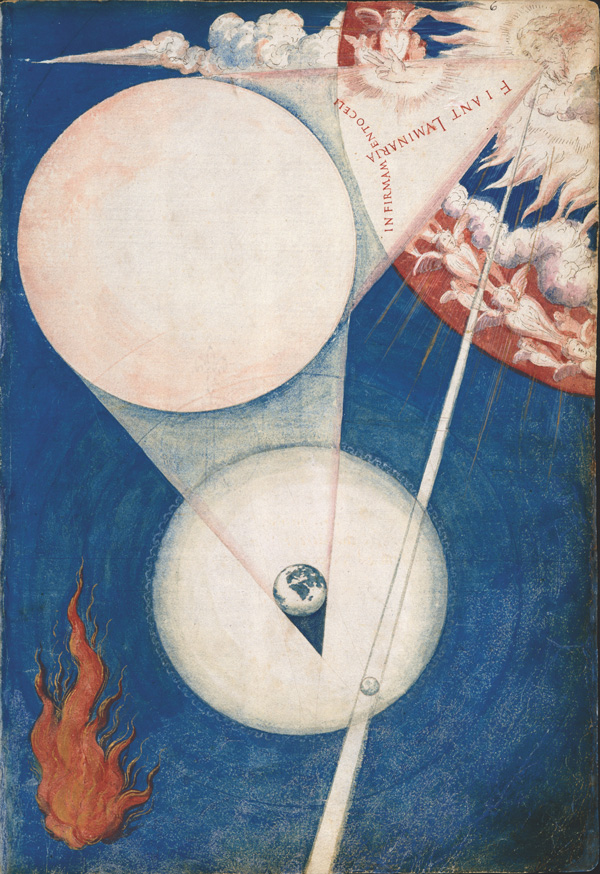
这是葡萄牙艺术家、历史学家和哲学家弗朗西斯科·德·霍兰达(米开朗基罗的学生)于 1573 年创作的一幅画作,出自迈克尔·本森的著作《宇宙图谱》(一部理解宇宙的视觉历史)。
格莱泽补充道:这种观点将菲利普·K·迪克对现实的描述—— “即使你不再相信它,它也不会消失”——与理查德·费曼关于知识和神秘的标志性独白联系起来:
我们所称的现实,其实是一幅不断变化的观念拼图。
[…]
知识的不完整性和我们科学世界观的局限性,反而丰富了我们对意义的探索,因为它们使科学与我们人类的易错性和抱负相契合。
格莱泽指出,尽管现代科学在阐明大脑神经结构方面取得了巨大进步,但在这个过程中,它却将心智简化为单纯的化学反应,这不仅没有促进我们的进步,甚至可能还削弱了我们对自身存在的理解和感知。他告诫人们不要将测量误认为意义:
不存在绝对精确的测量。任何测量结果都必须在其精度范围内说明,并附上“误差范围”以估计误差的大小。高精度测量仅仅是指误差范围小或置信度高的测量;不存在完美无缺、零误差的测量。
[…]
技术限制了实验对物理现实的探索深度。也就是说,机器决定了我们能够测量什么,从而决定了科学家能够了解宇宙和我们自身的哪些方面。作为人类的发明,机器依赖于我们的创造力和现有资源。当机器运转良好时,它们的测量精度会越来越高,有时甚至会揭示出意想不到的现象。
[…]
但经验科学的本质在于,大自然永远拥有最终的解释权……由此可见,如果我们只能通过工具,更确切地说,通过我们有限的调查方法来有限地接触大自然,那么我们对自然界的认识必然是有限的。
然而,尽管在任何特定时刻,世界的大部分对我们来说仍然是不可见的,格莱泽认为,这正是人类想象力蓬勃发展的源泉。但与此同时,我们用这种永不停歇的想象力所创造的工具,也开始塑造可感知的事物,进而塑造我们所知的事物,使“现实”变成了一台由可检测的测量装置组成的复杂机器。格莱泽写道:
如果世界上的大部分地区我们仍然无法看到或接触到,我们就必须认真思考“现实”一词的含义。我们必须思考是否存在某种“终极现实”——万物存在的最终基础——如果存在,我们是否有可能完全把握它。
[…]
我们对现实的认知随着探索自然的仪器不断演进。逐渐地,一些曾经未知的事物变得为人所知。正因如此,我们所谓的“现实”总是在不断变化……我们某一时期认为“真实”的现实,到了另一时期可能就不再是了。
[…]
只要科技进步——而且没有理由认为在我们有生之年科技会停止进步——我们就无法预见这场探索的终结。终极真理难以捉摸,如同幻影一般。
玛丽安·班特杰斯(Marian Bantjes)的艺术作品,出自《超越美丽的图片》(Beyond Pretty Pictures)。
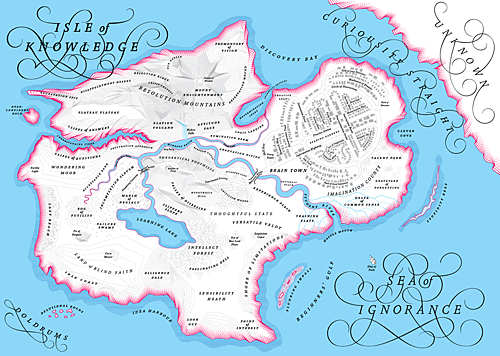
为了阐明这一概念,格莱泽构建了本书标题所依据的隐喻——他将知识描绘成一座被浩瀚未知海洋环绕的孤岛;随着我们了解的深入,这座孤岛不断向海洋延伸,其海岸线标志着已知与未知之间不断变化的界限。格莱泽借用苏格拉底悖论写道:
对世界的了解越多,并不会让我们更接近最终目的地——毕竟,最终目的地的存在本身也只是一种美好的愿望——反而会带来更多的问题和谜团。我们知道的越多,就越能意识到自身的无知,也就越需要提出更多的问题。
格莱泽呼应了雷·布拉德伯里关于“从浪漫开始,逐步构建现实”是人性的一部分的诗意信念,并补充道:
这种认识应该为求知打开大门,而不是关闭大门,因为它使求知成为一种永无止境的追求,一种与未知世界永无止境的浪漫邂逅。
格莱泽告诫人们不要抱有这种狭隘的观念,认为我们只有两种选择——要么是盲目信仰科学、认为科学能够永久解开未知之谜的坚定科学主义,要么是迷信地回避令人不快的真相的宗教蒙昧主义。相反,他提出了第三种方法,“这种方法基于对我们探索现实方式的理解,这种理解可以成为源源不断的灵感之源,而无需设定最终目标或承诺永恒真理。” 格莱泽援引萨根关于怀疑主义与开放性之间至关重要的平衡的著名论断,写道:
这种不稳定的状态正是科学的精髓所在。科学需要失败才能进步。理论需要被推翻,它们的局限性需要被揭示。随着工具对自然界的探索不断深入,它们会暴露旧理论的裂缝,并催生新的理论。然而,我们不应被蒙蔽,误以为这个过程终有尽头。
最近,我在思考机器思考的未来时,也探讨了这个问题的另一个方面——无法解答的“环境”(umwelt)——这是约翰·布罗克曼(John Brockman)为《边缘》(Edge)杂志撰写的年度问答。但格莱泽(Gleiser)的观点尤其令人欣慰,因为它暗示,尽管科学追求答案,但它也因不确定性而蓬勃发展,因此需要一种坚定不移的信念——对追求过程而非结果的信念,但无论如何,它都是一种信念。正如克丽斯塔·蒂佩特(Krista Tippett)精辟地指出,科学与宗教的区别或许在于它们提出的问题而非它们提供的答案,但格莱泽认为,二者之间的分歧和共同点都在于它们各自如何看待神秘:
我们能否在不依赖信仰的情况下理解这个世界?这是科学与信仰二元对立的核心问题……宗教神话试图用不可知的事物来解释未知,而科学则试图用可知的事物来解释未知。
[…]
科学家和信徒都相信存在无法解释的因果关系,也就是说,事物的发生原因未知,即便对二者而言,原因的本质截然不同。在科学领域,这种信念最明显地体现在试图将理论或模型推广到其已验证的极限之外,例如“引力在整个宇宙中都以相同的方式运作”,或者“自然选择进化论适用于所有生命形式,包括外星生命”。这些推广对于将知识推进到未知领域至关重要。鉴于其理论积累了如此强大的解释力,科学家认为自己这样做是合理的。我们甚至可以略带不妥地认为,她的信仰得到了经验的验证。
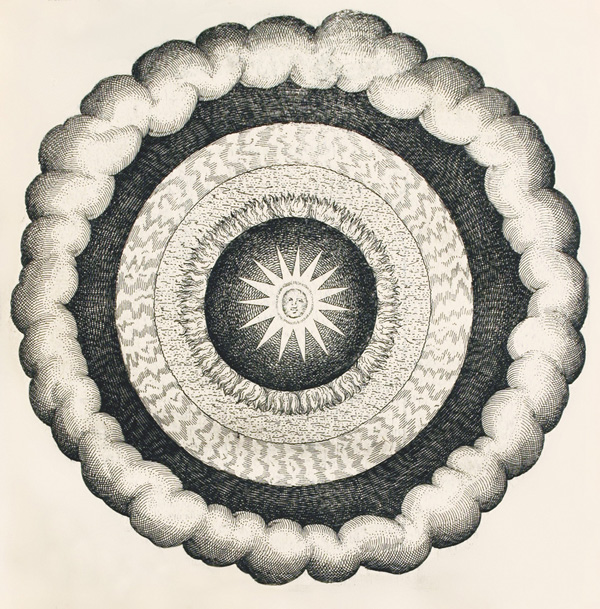
1617 年,迈克尔·本森在他的著作《宇宙图谱》(一部理解宇宙的视觉历史)中,描绘了非空间的概念,这比真空的概念出现的时间要早得多。
格莱泽以牛顿和爱因斯坦为例,指出他们是完全依靠直觉信念来推进经验和理论突破的科学家——牛顿通过引力发现推断出宇宙是无限的,爱因斯坦则发明了“宇宙常数”的概念来讨论空间的有限性——格莱泽补充道:
为了超越已知,牛顿和爱因斯坦都必须承担智力上的风险,基于直觉和个人偏见做出假设。他们明知自己的推测性理论必然存在缺陷和局限性,却依然这样做,这体现了两位史上最伟大科学家在创造过程中所展现出的信念的力量。在某种程度上,所有致力于知识进步的人都在做着同样的事情。
《知识之岛》是一部发人深省的作品——格莱泽进一步探讨了概念上的飞跃如何塑造了我们对意义的追寻,量子力学揭示了物理现实的本质,以及机器和数学的发展如何影响我们对知识极限的看法。
COMMUNITY REFLECTIONS
SHARE YOUR REFLECTION
3 PAST RESPONSES
Very good article. Iacocca of Chrysler motors used to tell his engineers 'don't try to develop a product 100% perfect otherwise you will be late to enter the market and lose it'. At the beginning of 20th Century many Physicists believed and said that everything whatever to be known is already now known. But then Einstein and Aspect Experiment and Heisenberg and many new revelations made us realize that 100% knowledge is not possible.
What a cool article. I have so much to say on this. Mystery has been central to my knowledge base for forever. I will reframe an assertion made several times in the article: those that have successfully combined action with intuition have given us the best we've got.
I'm going to take it one step further and offer the same extrapolation made in other notable cultures around the world, which is that action and intuition have masculine and feminine traits, respectively. The making of things, esp. an environment for good living, is masculine, active. The making of people is feminine, intuitive. Nothing a man makes can match the creative power of what the woman has in store. Or, hell, I don't know, maybe it can, but, a whole new person -- that's up there. And all of that is intuitive. All she needs is to eat and live well and be happy in order to express her strongest power. A man needs to make things to show his creative output.
I hope this type of understanding can empower people and help heal the rift between the sexes. I see a tendency in our culture to lessen expressions of both masculinity and femininity. Personally I think it is a put-on by the controllers to keep control of the controlled. Humankind is not androgynous, not even those born with both male and female traits. There is no just-human. There are male humans and female humans. The universe seems to be a lot like that, as various cultures have asserted over the ages, and neither action nor intuition accomplishes anything good when they are divorced from each other. Just a thought.
[Hide Full Comment]The sea of ignorance begins with ignoring. What do we ignore, and just as importantly, why? What's the hidden agenda in ignoring? What are we pursuing while we simultaneously ignore? Before we ponder the mysteries of the cosmos, we would do better pondering the mysteries at street level, because at street level we are losing life and love on planet earth. Look around. No need to look to the stars for answers to life and love. We are losing our children's health, the minds of the young and the elderly; the bodies of all peoples and all creatures of land, sea, or air, even the seeds of plant and crop life are fodder now for gambling with the manipulation of genes. We douse all of life and all the living with lethal cides of all kinds and sorts that pollute the soils, waters, and air upon which all of life depends. We make weapons larger and more deadly, and march with them around the world reeking havoc and suffering, leaving destruction and chaos behind, and proclaim liberty all the while. Why? Do we really believe that are weapons are speaking for us about freedom, or any other worthwhile message? We chop down ancient and magnificent forests teeming with life and diversity to build more unsustainable buildings, or to burn away in kitchen ovens or to fuel more unsustainable houses and cars with lethal and explosive energies. Or, we eliminate forests, meadows, and wetlands to build and "economically" develop ever more and more glittering "manmade" grandiose cities and suburbs, all of which are non self-sufficient and unsustainable, devoid of the natural world, and heat-producing from all the concrete and asphalt "manmade" materials with which they are built. Why?
If we can't answer these questions, we won't need to be pondering what is "out there"in the cosmos. We are trading away love and life itself for what? We are all still standing here looking on, our pockets full of the money of our schemes and endeavors, and what has happened to life and love while we "ignore" life and love?
Newtown and Einstein might well be two significant scientists, and yet, their work is still exclusively promoted and applauded, force-fed to new generations, while the great science of others is ignored, suppressed, hidden, and buried, revelatory and illuminating scientists like Walter Russell and Viktor Schauberger, Dr. Brian O'Leary, and others, scientists who didn't lose sight of the workings of nature, natural processes, and natural laws. Why do we promote some scientists, and bury the work of others? We invest in ignorance, and ignore at our own great and perilous folly. Our money and the power that it buys, no matter how much of them we possess, can never and will never be able to replace life and love. Why is this? This is truly the first mystery worth pondering. What is it about life and love that is freely bestowed and is also priceless?
Spend some time looking around our planet earth while it is still here, because we are quickly losing touch and understanding with it. And without it, well, the stars will be looking on with great, mystifying sadness. We threw away life and love on our one shared planet home, and we didn't even question why.
[Hide Full Comment]