
日本毛绒玩具与《圣经》和马里儿童死亡率有何关联?
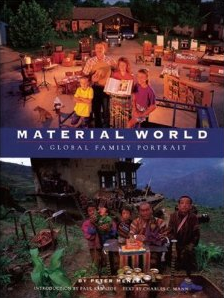
我们一直是摄影记者彼得·门泽尔的忠实粉丝,他的视觉人类学作品捕捉到了人类社会经济和文化光谱的惊人广度。他的《饥饿的星球》和《我吃什么》以非凡的图像表现力描绘了世界的食物来源,今天,我们将目光转向他的一些早期作品,同样聚焦于世界住房: 《物质世界:全球家庭肖像》 ——这是一部引人入胜的视觉时光胶囊,记录了30个国家的生活,由16位世界顶尖摄影师共同拍摄。
在30个国家中,门泽尔分别找到了一个具有统计学意义的普通家庭,并拍摄了他们家门外以及所有物品的照片。最终呈现出一幅令人惊叹的跨文化“物品拼布”,从实用物品到情感寄托,展现了我们利用“物品”来理解世界以及自身在世界中位置的丰富多样的方式。
在索马里内战期间以及第一次布什战争结束后不久,我在科威特做自由职业者,这些经历让我感触颇深,也让我觉得在美国的生活显得肤浅而多余。一天清晨,我坐在办公室里,像往常一样收听美国国家公共广播电台(NPR),这是我喜欢开启一天的方式。我听到了一段关于麦当娜自传营销的精彩报道。这本书在美国引起了轰动。广播报道的结尾是麦当娜唱着:“我生活在一个物质世界,而我只是一个物质女孩”,或者类似的话。我觉得这话说得太对了。我们生活在一个愚蠢的资本主义自恋社会,一个流行歌星的生活比非洲迫在眉睫的饥荒、地雷和童兵问题更重要,也比中东油田发生的世界最大人为自然灾害更引人注目。——彼得·门泽尔
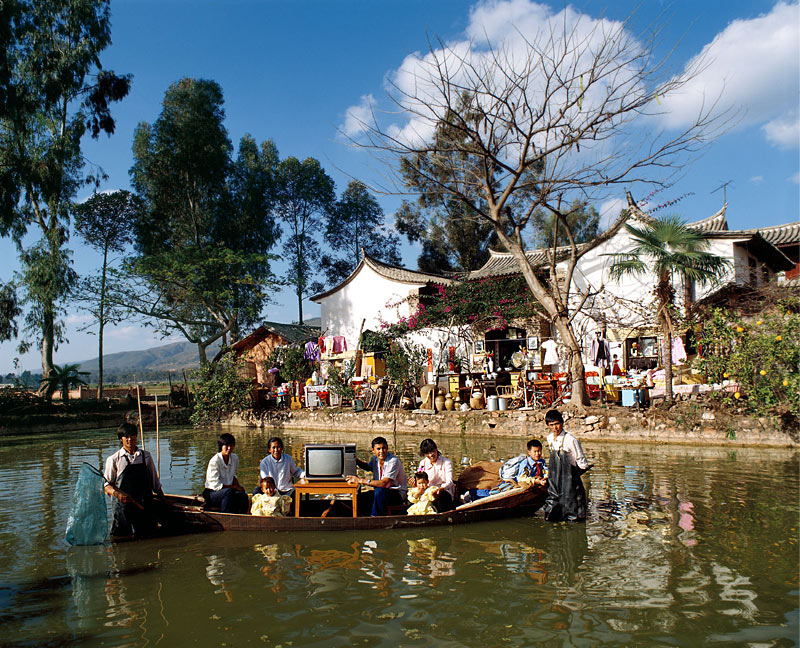
中国:吴氏家族
这个大家庭的九口人住在云南省农村一间三居室、600平方英尺(约56平方米)的房子里。他们没有电话,只能靠两台收音机和家里最珍贵的电视机获取信息。他们希望将来能拥有一台30英寸的电视机、一台录像机、一台冰箱,以及一些治疗自家池塘里养鲤鱼疾病的药品。照片里没有拍到他们的100棵柑橘树、菜园和三头猪。
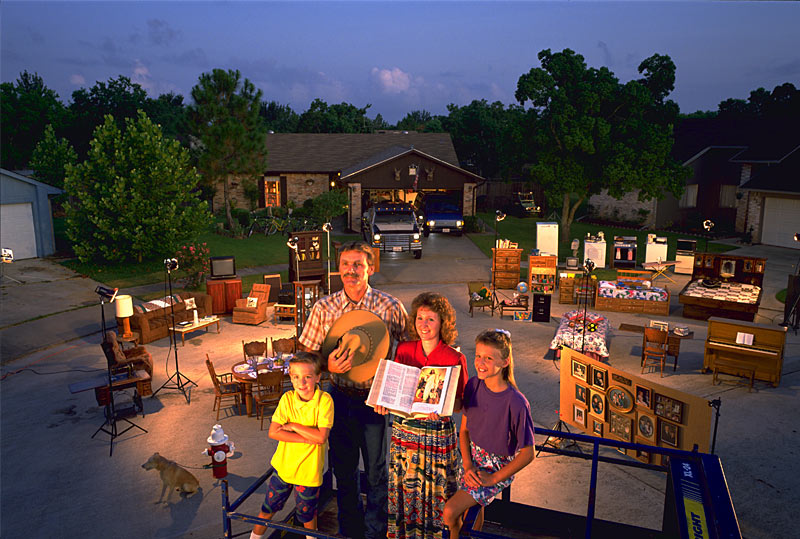
美国:斯基恩家族
里克和帕蒂·斯基恩夫妇的房子面积1600平方英尺,位于德克萨斯州皮尔兰市一条死胡同里,皮尔兰是休斯顿郊区。36岁的里克现在在一家电话公司做电缆接线员。34岁的帕蒂在一所基督教学院任教。摄影师用升降机把他们一家人吊到高处,以便拍摄他们所有的物品,但即便如此,还是不得不舍弃冰箱、摄像机、木工工具、电脑、玻璃蝴蝶标本、蹦床、钓鱼用具,以及里克用来猎鹿的步枪等等。尽管拥有这么多东西,但对斯基恩夫妇来说,没有什么比他们的《圣经》更重要——这体现了精神价值和物质价值之间有趣的对比。
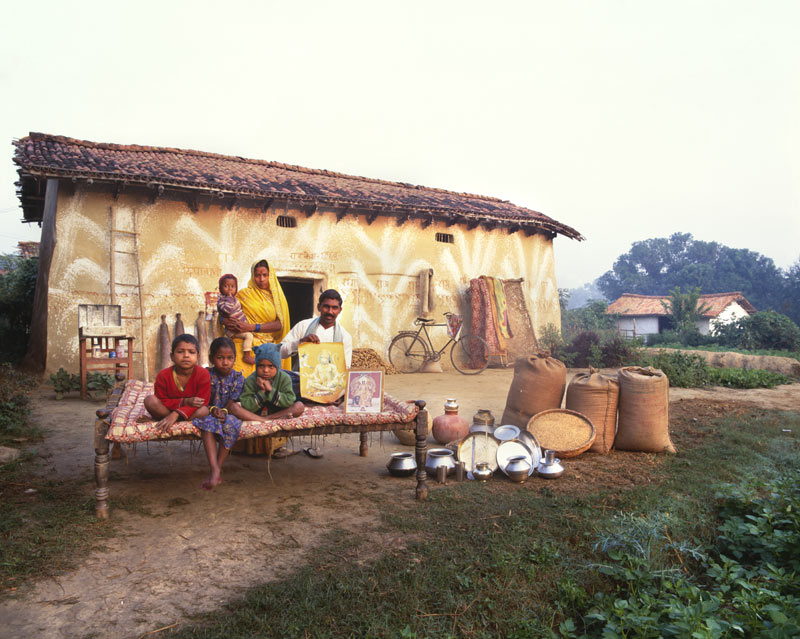
印度:亚德夫家族
25岁的玛什雷·亚德夫17岁时生下了第一个孩子,如今已是四个孩子的母亲。每天早晨,她都要去井里打水,好让大孩子们上学前洗漱。她在一个没有窗户、六英尺乘九英尺的厨房里用柴火做饭,繁重的家务活让她从早忙到晚。她32岁的丈夫巴乔每周大约工作56个小时,而且还得看能不能找到工作。在艰难时期,一家人曾连续两周多没有食物。照片里记录了他们所有的家当——包括两张床、三袋大米、一辆破自行车,以及他们最珍爱的物品:一幅印度教神像的印刷品。
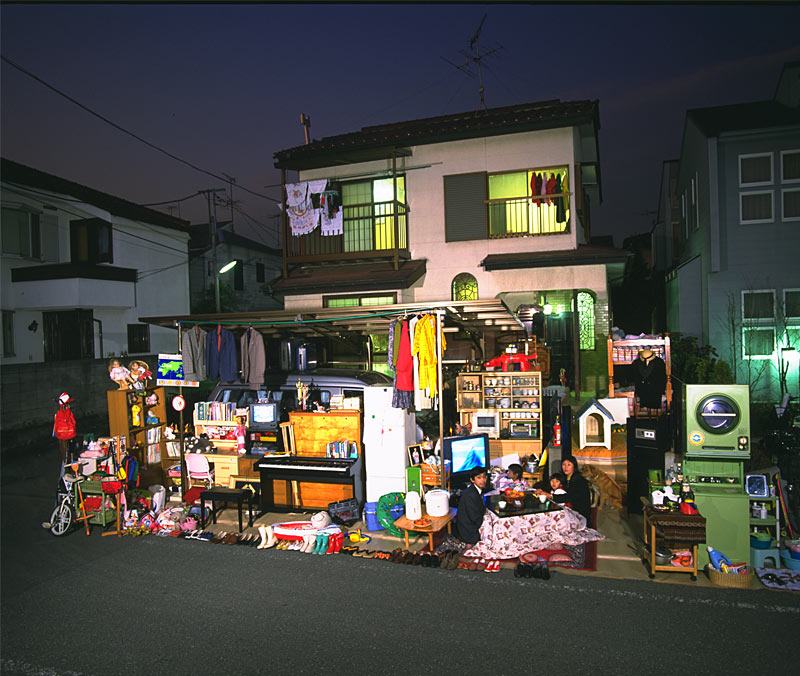
日本:宇喜田家族
43岁的宇喜田沙代和许多日本女性一样,生育年龄相对较晚。她的小女儿现在上幼儿园,还没有像她九岁的姐姐那样,承受着考试和周六补习班的压力。沙代做事井井有条,这让她能够轻松安排孩子们的繁忙日程,并保持她们位于东京的1421平方英尺(约132平方米)的家中整洁有序。家中堆满了衣服、电器,以及为女儿和爱犬准备的大量玩具。尽管拥有现代生活的各种便利,但一家人最珍视的物品却是一枚戒指和一件祖传陶器。他们对未来的愿望是:拥有一栋更大的房子和更多的储物空间。
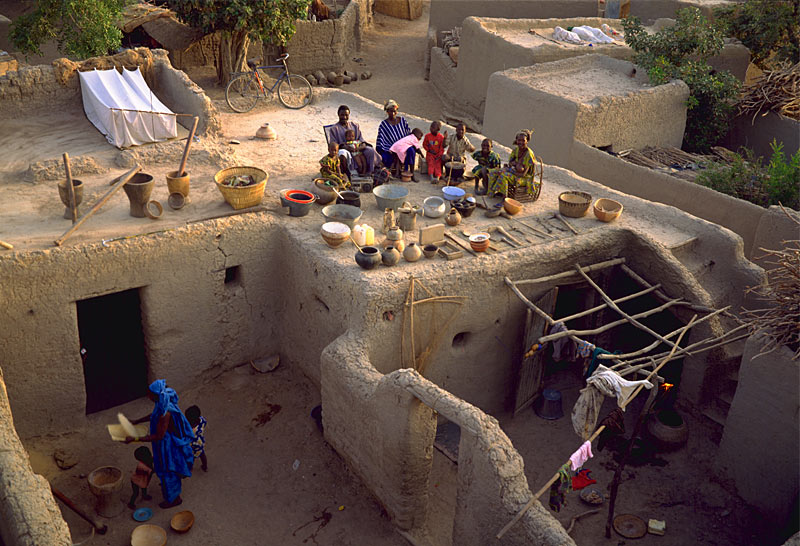
马里:那托莫家族
在这个西非国家,男人娶两个妻子很常见,39岁的苏马纳·纳托莫就是其中之一。这样做可以增加他们的后代,从而提高他们晚年获得赡养的机会。苏马纳现在有八个孩子,他的妻子帕玛·孔多(28岁)和法图玛·尼亚加尼·图雷(26岁)可能还会生更多。然而,这些孩子中有多少能活下来却是个未知数:马里的婴儿死亡率位居世界前十。照片中未包含的物品:另一个用来舂谷的臼杵、两个木制床垫平台、30棵芒果树,以及孩子们用来当玩具的旧收音机电池。
 《物质世界》最初出版于 1995 年,这是一项浩大的工程,耗资 60 万美元,门泽尔通过重新抵押房屋、刷爆所有信用卡以及从朋友那里零零散散地借钱才凑齐了这笔钱——这本身就是一项壮举,也是我们所生活的物质世界的奇特元证据,在这个世界里,即使是对物质和过度消费进行有意义的社会评论,也需要付出过高的物质代价。
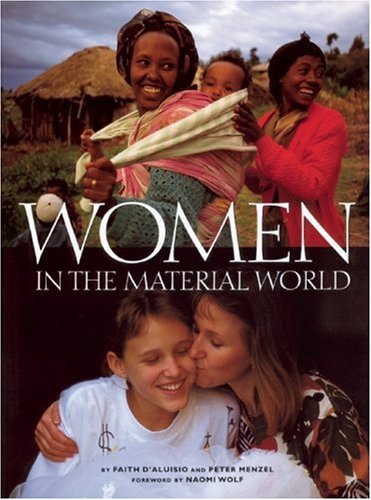
此外,如需更佳的配套读物,请参阅门泽尔 1998 年的续作《物质世界中的女性》 ——该书以引人入胜的方式探讨了人类家庭中更为私密的一面。
[本文所有图片均由 Peter Menzel 提供,来自 PBS | www.menzelphoto.com ]
COMMUNITY REFLECTIONS
SHARE YOUR REFLECTION
5 PAST RESPONSES
Thanks this reminder of my past experiences which have educated me to how unimportant material stuff is! I have had the job of after death of loved ones, clearing out there stuff, which they wouldn't let go of while on this earth, none of it gave them the joy of peace and love. Also there younger generation didn't want any of it, which they regarded as family treasures. I should say the odd thing of value was argued over so perhaps some stuff being kept was right, yet! In saying that it brought discord between the close family. So not really is stuff part of our life on this beautiful planet. The maker of this earth gave us it all, the beauty, food, materials to live, a mind to be educated, yes the rest is up to us as individuals just to buy or obtain the material things to enhance our well being and our families. What a fine balance that is. perhaps if we could all keep to that, then to the third world we could pass on a share of what we have accumulated. Blessed then we would all be.
[Hide Full Comment]I've been many places in America, both wealthy and poor. I have been many places in Europe, both wealthy and poor. I have been to a handful of places in Central America and the Middle East, all very poor. The experience indictes that the manifest need of the human population to increase its "wealth of posessions" seems innate and universal with only a handful of individual exceptions.
It's interesting to compare and contrast. I would have liked to have seen beyond stereotypes though and compared equally across.... I do get the point; we have waaaaay too much stuff in much of the developed world and place too much importance on possessions rather than on relationships with People. I've traveled in Central & South America, Africa, Europe and throughout the US; what I've witnessed most in the US is a HUGE pressure to Have More rather than enjoy what one's already got. And in other parts of the world there is this insane pressure to emulate us in the West. I find that sad. Honestly, what happened for me was when I arrived home after my first trip to Central America in 2005, I promptly sold my home and most of my possessions to create/facilitate a volunteer literacy project and offer the skill set I had to try to make life just a little brighter for someone else. I realize how little my possessions meant to me and how little I truly needed to be happy and fulfilled. 8 years later I am still happy.
[Hide Full Comment]I don't know if this article was "trying to do" anything, but I would love to see more people drag everything out on their front lawn, take a photo of it, contemplate it and see what they do tomorrow. How weird would it be if we all did this at home at least once in our life? I'm glad I saw this.
I understand what this article is trying to do. But comparing first world countries to third world countries is comparing countries that can afford luxuries compared to those who cannot. I do not see how that is suppose to change someones mind to change their materialistic ways. If someone can afford it they will buy it, if they so choose.