
Západ slunce nad Uluru (foto: Martin Fisher/Flickr)

„Přijde den, kdy bude člověk muset bojovat s hlukem stejně neúprosně jako s cholerou a morem.“ To řekl v roce 1905 bakteriolog Robert Koch, držitel Nobelovy ceny. O století později se tento den mnohem přiblížil. Dnes se ticho stalo ohroženým druhem. Naše města, naše předměstí, naše zemědělské komunity, dokonce i naše nejrozlehlejší a nejvzdálenější národní parky nejsou zbaveny vniknutí lidského hluku. Úleva nenajdete ani na severním pólu; o to se starají tryskáče přelétající kontinenty. Boj s hlukem navíc není totéž co zachování ticha. Naše typické strategie proti hluku – špunty do uší, sluchátka s potlačením hluku, dokonce i zákony o omezování hluku – nenabízejí žádné skutečné řešení, protože nám nijak nepomohou znovu se spojit a naslouchat zemi. A země mluví.
Dosáhli jsme doby v dějinách lidstva, kdy globální environmentální krize vyžaduje, abychom trvale změnili svůj životní styl. Více než kdy jindy se musíme znovu zamilovat do své země. Ticho je naším místem setkávání.
Je naším vrozeným právem naslouchat, tiše a nerušeně, přírodnímu prostředí a chápat ho jakkoli. Dlouho před zvuky lidstva existovaly pouze zvuky přírodního světa. Naše uši se vyvinuly dokonale naladěné na to, aby slyšely tyto zvuky – zvuky, které daleko přesahují rozsah lidské řeči nebo dokonce našich nejambicióznějších hudebních vystoupení: vánek, který naznačuje změnu počasí, první jarní zpěv ptáků ohlašující znovuzazelenání země a návrat k růstu a prosperitě, blížící se bouře slibující úlevu od sucha a měnící se příliv a odliv, který nám připomíná nebeský balet. Všechny tyto zážitky nás spojují zpět s krajinou a s naší evoluční minulostí.
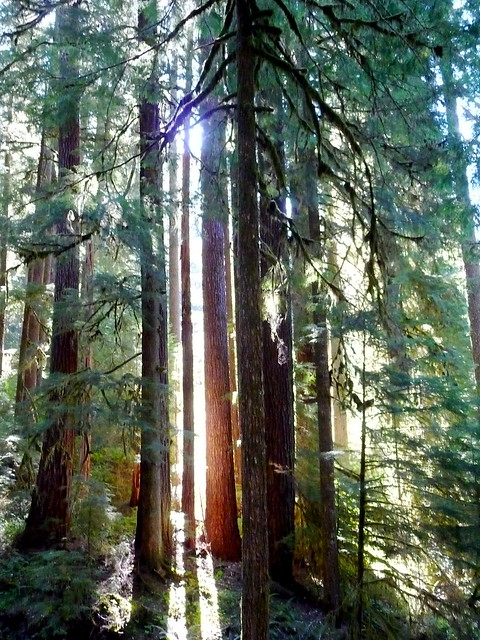
One Square Inch of Silence je místo v deštném pralese Hoh , které je součástí Olympijského národního parku – pravděpodobně nejtiššího místa ve Spojených státech. I toto místo je však ohroženo a chráněno pouze politikou, kterou neprovádí ani samotná Správa národních parků, ani ji nepodporují odpovídající zákony. Doufám, že One Square Inch vyvolá tiché probuzení ve všech, kteří jsou ochotni se stát skutečnými posluchači.
Ochrana přirozeného ticha je stejně nezbytná a zásadní jako ochrana druhů , obnova stanovišť, čištění toxického odpadu a snižování emisí oxidu uhličitého, abychom jmenovali alespoň některé z bezprostředních výzev, kterým čelíme v tomto stále ještě mladém století. Dobrou zprávou je, že záchrana ticha může být mnohem snazší než řešení těchto ostatních problémů. Jediný zákon by signalizoval obrovské a okamžité zlepšení. Tento zákon by zakázal všem letadlům přelétávat nad našimi nejnedotčenějšími národními parky.
Ticho není nepřítomnost něčeho, ale přítomnost všeho. Žije zde hluboko, na One Square Inch v deštném pralese Hoh. Je to nerušená přítomnost času. Lze ji cítit v hrudi. Ticho vyživuje naši přirozenost, naši lidskou přirozenost, a umožňuje nám poznat, kdo jsme. S vnímavější myslí a naladěnějším uchem se stáváme lepšími posluchači nejen přírody, ale i jeden druhého. Ticho lze nést jako uhlíky z ohně. Ticho lze najít a ticho může najít vás. Ticho lze ztratit a také znovu nalézt. Ale ticho si nelze představit, i když si to většina lidí myslí. Abyste zažili zázrak ticha, který naplňuje duši, musíte ho slyšet.
Ticho je zvuk, mnoho, mnoho zvuků. Slyšel jsem jich víc, než dokážu spočítat. Ticho je měsíční píseň kojota, který zpívá ve vzduchu, a odpověď jeho partnera. Je to šepot padajícího sněhu, který později roztaje s úžasným reggae rytmem tak svěžím, že si na něj budete chtít zatančit. Je to zvuk opylujícího okřídleného hmyzu, který vibruje jemnými melodiemi, když se obranně vrhá do borových větví a ven z nich, aby dočasně unikl vánku, směs hmyzího bzučení a borového vzdechu, která vás provází celý den. Ticho je prolétající hejno sýkor sýkor s kaštanovými hřbety a brhlíků lesních, kteří štěbetají a třepotají se a připomínají vám vaši vlastní zvědavost.
Slyšeli jste v poslední době déšť? Velký deštný prales na severozápadě Ameriky je, žádné překvapení, skvělým místem k poslechu. Zde je to, co jsem slyšel na One Square Inch of Silence. První období dešťů vůbec neprší. Zpočátku z tyčících se stromů padají nespočetná semínka. Brzy poté následuje tichý potlesk třepotajících se javorových listů, které se tak tiše usazují jako zimní přikrývka na semínka. Ale tento tichý koncert je pouze předehrou.
Když přijde první z mnoha velkých lijáků a spustí svou mocnou hymnu, každý druh stromu vydává ve větru a dešti svůj vlastní zvuk. Ani ty největší dešťové kapky se nemusí nikdy dotknout země. Téměř 90 metrů nad hlavou, vysoko v lesním korunách, listy a kůra absorbují velkou část vlhkosti... dokud se tato vzdušná houba nenasytí a kapky se znovu nevytvoří a nesestoupí dále... narážejí na spodní větve a kaskádovitě padají na zvuk pohlcující mechové závěsy... ťukají na epifytické kapradiny... slabě šťouchají na keře borůvky... a tříští do tvrdých, pevných listů salalu... než nakonec kapky neslyšně ohnou jemné listy šťovíku lesního, podobné jetelu, a stékají do země. Tento tekutý balet, ať už je slyšet ve dne v noci, bude pokračovat déle než hodinu poté, co skutečný déšť ustane.
Připomínám si varování Roberta Kocha, tvůrce vědecké metody, která identifikuje příčiny nemocí, a domnívám se, že nekontrolovaná ztráta ticha je jako kanárek v uhelném dole – a to globální. Pokud se v tomto ohledu nedokážeme postavit, pokud budeme ignorovat problém mizejícího přirozeného klidu, jak můžeme očekávat, že se nám bude lépe dařit složitějším environmentálním krizím?
COMMUNITY REFLECTIONS
SHARE YOUR REFLECTION
6 PAST RESPONSES
Amazing Article ! The contents so described are soul touching and capable enough to arouse the inner feeling of a sincere reader and a thinking man...This was the reason why our great saints and Hermits used to leave the cities and towns and migrated to the valleys and on the lap of great mountains to find the eternal truth...They were realizing that Silence is Golden and its sound is rhythmic but one need to have a pair of sensitive ears to listen those vibrant music of the nature....We do not need instruments to accompany and throat breaking noise or sound to catch anybody's attention. Instead we will learn the melodious songs of cuckoos, bellowing of cattle and similar sounds which will never break any body's journey for the silence. It is certainly soul searching to enter into a silent place and keep on listening and looking....one will automatically immerse in the soul of the mother nature..How beautiful that moment would be....It is to be experienced...So be away from the madding crowd at least once in a week.. and enjoy the silent songs of the nature..which is God Gifted to us...let us also explore and experience those mesmerizing impact of the silence and natures songs like a lullaby sung by our mother during our childhood.....
[Hide Full Comment]Beautiful! I live in SW Colorado surrounded by national forest & wilderness. I was struck on 9/11 when all the planes were grounded by the silence. In Bali they have a day a year when no planes fly, transportation & commercial activity stops. 24/7 commerce & non-stop human activity is a plague. I experience great blessings in having moments where the inner Silence of conscious awareness & the outer silence of moments here on the outskirts of so-called civilization I hear nothing but the sounds of nature, even their activity stills at times. The lake frozen over functions as a sound chamber making eerie mystifying sounds. Something occurs in body & soul in the naturalness. We are such amazing beings of consciousness, love & light and of human spirit, and creatures of the natural world also. Stop to smell the roses. Taste the wind. Touch the bark of a tree, the pine needles softness. See the natural light of sun, moon & stars. And listen, listen from the quietness within. Let natural sounds penetrate you & see how that feels. Contact with Silence within and without restores us. There's so much to be heard from the still small voice to the hum of the hummingbird, the robin heralding spring. Ultimately it all informs us as well as restores us. Listen up, those with ears to hear. The resounding Word is everywhere in everything.
[Hide Full Comment]Thank you, DailyGood and Gordon Hempton, for this beautiful piece. I will return to it often. And some day I hope to visit One Square Inch. Remembering Phillip Levine, who passed away Saturday -- here's a stanza from one his poems, Our Valley, that honors the immensity of silence. Thank you Phillip Levine. Peace all.
"You probably think I’m nuts saying the mountains have no word for ocean,
but if you live here you begin to believe they know everything.
They maintain that huge silence we think of as divine,
a silence that grows in autumn when snow falls
slowly between the pines and the wind dies
to less than a whisper and you can barely catch
your breath because you’re thrilled and terrified."
Thank you for debunking the misconception that silence is soundless. I think that, ultimately, listening to silence is mindfulness, meditation, presencing ...
I live in the Pacific
[Hide Full Comment]Northwest, and have all my 58 years. I teach in a local high school, and
get to share yoga as a PE elective. I have had a long standing focus for
yoga that it is quiet and without music, which is viewed at first by the students
as unfair and unheard of. Students at
first are frightened and surprised by how loud their personal thoughts are in
the silence of the yoga room, and then begin to crave the absence of
technology-driven distraction. I teach walking classes as a PE elective,
and the students are not allowed to listen to music and plug their ears with
earbuds or headphones (for ‘exercise’ motivation if you can imagine), nor even
have their phones with them (some drop the class because they are unable to do
this). We are located within the noise
pollution radius of the freeway, an expanding airport, and relentless increases
in coal/oil trains. We walk sidewalks
along streets with cars whizzing by, in close proximity to the hospital
helipad, and recently drones just overhead.
I do though get to observe students begin to recognize bird sounds from
chickadees, sparrows, juncos, hummingbirds, cedar waxwings, robins, seagulls,
crows, starlings, and then the local peregrine chatter and if really lucky eagle
cries from a hundred feet up as they circle toward the river. The students begin to discern the difference
between dog barks of ‘Hello, I’m here, can we play?’ and ‘Get away’. They start entertaining the idea they are no
longer invisible and recognize community members walking, biking, and jogging by
using eye contact and saying the word ‘hi’.
They have the opportunity to acquire listening and empathy skills as
they spend an hour with a walking partner who is conversing with them in close
contact. I love my job. The real reason I am writing, though, is that
over the years of indiscriminant development and significant paving of
farmland-open space-forested land in my beloved slice of heaven, there is a
slogan perpetuated by the local military base whose flights overhead have
stepped up significantly in the past ten years that this continuous low flying
military jet noise is the sound of freedom…and this includes the flights toward
the Olympic Peninsula, as well as over the San Juan Islands, toward Mt. Baker,
over a multitude of local lakes and streams, tiny communities, and wildlife of
all types. You may be able to tell I
would argue with this as we continue to raise generation after generation void
of connection with nature, quiet places and spaces, and opportunities for
silence.