
Apus de soare Uluru (fotografie de Martin Fisher/Flickr)

„Va veni ziua când omul va trebui să lupte împotriva zgomotului la fel de inexorabil ca și împotriva holerei și a ciumei.” Așa a spus bacteriologul Robert Koch, laureat al Premiului Nobel, în 1905. Un secol mai târziu, acea zi s-a apropiat mult. Astăzi, tăcerea a devenit o specie pe cale de dispariție. Orașele noastre, suburbiile noastre, comunitățile noastre agricole, chiar și cele mai extinse și îndepărtate parcuri naționale ale noastre nu sunt ferite de intruziunile zgomotului uman. Nici măcar la Polul Nord nu există alinare; avioanele care traversează continentele se ocupă de asta. Mai mult, combaterea zgomotului nu este același lucru cu păstrarea tăcerii. Strategiile noastre tipice anti-zgomot - dopuri de urechi, căști cu anulare a zgomotului, chiar și legile de reducere a zgomotului - nu oferă nicio soluție reală, deoarece nu fac nimic pentru a ne ajuta să ne reconectam și să ascultăm pământul. Și pământul vorbește.
Am ajuns într-un moment din istoria omenirii în care criza ecologică globală ne cere să facem schimbări permanente ale stilului de viață. Mai mult ca niciodată, trebuie să ne îndrăgostim din nou de pământ. Tăcerea este locul nostru de întâlnire.
Este dreptul nostru din naștere să ascultăm, în liniște și netulburați, mediul natural și să înțelegem orice semnificații putem avea. Cu mult înainte de zgomotele omenirii, existau doar sunetele lumii naturale. Urechile noastre au evoluat perfect acordate pentru a auzi aceste sunete - sunete care depășesc cu mult gama vorbirii umane sau chiar a celor mai ambițioase spectacole muzicale ale noastre: o briză trecătoare care indică o schimbare a vremii, primele cântece de păsări ale primăverii care anunță o reînverzire a pământului și o revenire la creștere și prosperitate, o furtună care se apropie promițând o ușurare după secetă și schimbarea mareei care ne amintește de baletul ceresc. Toate aceste experiențe ne conectează cu pământul și cu trecutul nostru evolutiv.
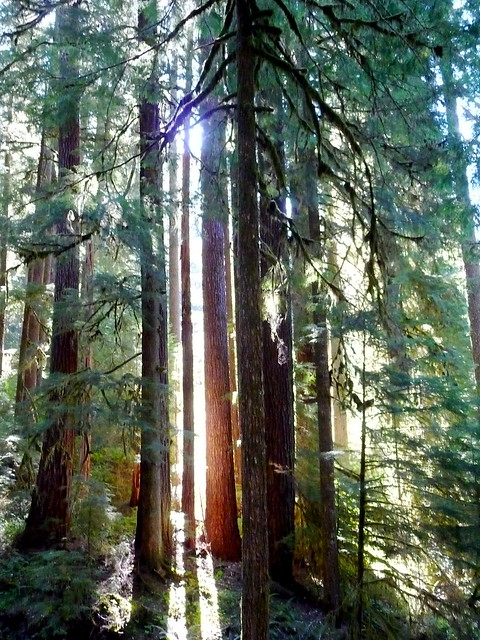
„One Square Inch of Silence” este un loc din Pădurea Tropicală Hoh , parte a Parcului Național Olympic - probabil cel mai liniștit loc din Statele Unite. Dar și acesta este pe cale de dispariție, protejat doar de o politică care nu este nici practicată de Serviciul Parcurilor Naționale în sine, nici susținută de legi adecvate. Speranța mea este că „One Square Inch” va declanșa o trezire liniștită în toți cei care doresc să devină adevărați ascultători.
Păstrarea liniștii naturale este la fel de necesară și esențială ca și conservarea speciilor , restaurarea habitatului, curățarea deșeurilor toxice și reducerea dioxidului de carbon, ca să numim doar câteva dintre provocările imediate cu care ne confruntăm în acest secol încă tânăr. Vestea bună este că salvarea liniștii poate fi mult mai ușoară decât abordarea acestor alte probleme. O singură lege ar semnala o îmbunătățire uriașă și imediată. Această lege ar interzice tuturor aeronavelor să zboare peste cele mai neatinse parcuri naționale ale noastre.
Tăcerea nu este absența a ceva, ci prezența a tot. Tăcerile ei trăiesc aici, profund, la un inch pătrat în pădurea tropicală Hoh. Este prezența timpului, netulburată. Poate fi simțită în piept. Tăcerea ne hrănește natura, natura noastră umană și ne face să știm cine suntem. Lăsați cu o minte mai receptivă și o ureche mai atentă, devenim ascultători mai buni nu doar ai naturii, ci și unii față de alții. Tăcerea poate fi purtată precum jarul dintr-un foc. Tăcerea poate fi găsită, iar tăcerea te poate găsi pe tine. Tăcerea poate fi pierdută și, de asemenea, recuperată. Dar tăcerea nu poate fi imaginată, deși majoritatea oamenilor cred asta. Pentru a experimenta minunea tăcerii care umple sufletul, trebuie să o auzi.
Tăcerea este un sunet, multe, multe sunete. Am auzit mai multe decât pot număra. Tăcerea este cântecul coiotului, la lumina lunii, care semnalizează aerul și răspunsul partenerului său. Este șoapta zăpezii care cade și care se va topi mai târziu într-un ritm reggae uimitor, atât de clar încât vei dori să dansezi pe el. Este sunetul insectelor înaripate polenizatoare, care vibrează melodii moi, în timp ce se avântă defensiv înăuntru și în afară dintre crengile de pin pentru a scăpa temporar de briză, un amestec de zumzet de insecte și suspin de pin care te va însoți toată ziua. Tăcerea este stolul trecător de pițigoi cu spatele castaniu și țânțari cu piept roșu, care ciripesc și flutură, amintindu-ți de propria curiozitate.
Ați auzit ploaia în ultima vreme? Marea pădure tropicală din nord-vestul Americii, fără surpriză, este un loc excelent pentru a asculta. Iată ce am auzit la One Square Inch of Silence. Începutul sezonului ploios nu este deloc umed. Inițial, nenumărate semințe cad din copacii falnici. Acestea sunt urmate curând de aplauzele blânde ale frunzelor de arțar care flutură, și care se așează atât de liniștit ca o pătură de iarnă pentru semințe. Dar acest concert liniștit este doar un preludiu.
Când sosește prima dintre multele furtuni mari, dezlănțuindu-și imnul puternic, fiecare specie de copac își scoate propriul sunet în vânt și ploaie. Chiar și cele mai mari picături de ploaie s-ar putea să nu atingă niciodată pământul. La aproape 90 de metri deasupra capului, sus în coronamentul pădurii, frunzele și scoarța absorb o mare parte din umiditate... până când acest burete aerian se saturează, iar picăturile se reformează și coboară mai departe... lovind ramurile mai joase și căzând pe draperiile de mușchi fonoabsorbant... lovind ferigile epifite... căzând ușor pe tufișurile de afin... și lovind frunzele tari și ferme de salal... înainte ca, în cele din urmă, picăturile să îndoiască în mod inaudibil frunzele delicate, asemănătoare trifoiului, ale măcrișului de pădure și să picure pentru a se scurge în pământ. Auzit zi sau noapte, acest balet lichid va continua mai mult de o oră după ce ploaia propriu-zisă se oprește.
Amintindu-mi avertismentul lui Robert Koch, creatorul metodei științifice care identifică cauzele bolilor, cred că pierderea necontrolată a tăcerii este ca un canar într-o mină de cărbune - una globală. Dacă nu putem lua poziție aici, dacă ne închidem urechea la problema dispariției liniștii naturale, cum ne putem aștepta să ne descurcăm mai bine în cazul crizelor de mediu mai complexe?
COMMUNITY REFLECTIONS
SHARE YOUR REFLECTION
6 PAST RESPONSES
Amazing Article ! The contents so described are soul touching and capable enough to arouse the inner feeling of a sincere reader and a thinking man...This was the reason why our great saints and Hermits used to leave the cities and towns and migrated to the valleys and on the lap of great mountains to find the eternal truth...They were realizing that Silence is Golden and its sound is rhythmic but one need to have a pair of sensitive ears to listen those vibrant music of the nature....We do not need instruments to accompany and throat breaking noise or sound to catch anybody's attention. Instead we will learn the melodious songs of cuckoos, bellowing of cattle and similar sounds which will never break any body's journey for the silence. It is certainly soul searching to enter into a silent place and keep on listening and looking....one will automatically immerse in the soul of the mother nature..How beautiful that moment would be....It is to be experienced...So be away from the madding crowd at least once in a week.. and enjoy the silent songs of the nature..which is God Gifted to us...let us also explore and experience those mesmerizing impact of the silence and natures songs like a lullaby sung by our mother during our childhood.....
[Hide Full Comment]Beautiful! I live in SW Colorado surrounded by national forest & wilderness. I was struck on 9/11 when all the planes were grounded by the silence. In Bali they have a day a year when no planes fly, transportation & commercial activity stops. 24/7 commerce & non-stop human activity is a plague. I experience great blessings in having moments where the inner Silence of conscious awareness & the outer silence of moments here on the outskirts of so-called civilization I hear nothing but the sounds of nature, even their activity stills at times. The lake frozen over functions as a sound chamber making eerie mystifying sounds. Something occurs in body & soul in the naturalness. We are such amazing beings of consciousness, love & light and of human spirit, and creatures of the natural world also. Stop to smell the roses. Taste the wind. Touch the bark of a tree, the pine needles softness. See the natural light of sun, moon & stars. And listen, listen from the quietness within. Let natural sounds penetrate you & see how that feels. Contact with Silence within and without restores us. There's so much to be heard from the still small voice to the hum of the hummingbird, the robin heralding spring. Ultimately it all informs us as well as restores us. Listen up, those with ears to hear. The resounding Word is everywhere in everything.
[Hide Full Comment]Thank you, DailyGood and Gordon Hempton, for this beautiful piece. I will return to it often. And some day I hope to visit One Square Inch. Remembering Phillip Levine, who passed away Saturday -- here's a stanza from one his poems, Our Valley, that honors the immensity of silence. Thank you Phillip Levine. Peace all.
"You probably think I’m nuts saying the mountains have no word for ocean,
but if you live here you begin to believe they know everything.
They maintain that huge silence we think of as divine,
a silence that grows in autumn when snow falls
slowly between the pines and the wind dies
to less than a whisper and you can barely catch
your breath because you’re thrilled and terrified."
Thank you for debunking the misconception that silence is soundless. I think that, ultimately, listening to silence is mindfulness, meditation, presencing ...
I live in the Pacific
[Hide Full Comment]Northwest, and have all my 58 years. I teach in a local high school, and
get to share yoga as a PE elective. I have had a long standing focus for
yoga that it is quiet and without music, which is viewed at first by the students
as unfair and unheard of. Students at
first are frightened and surprised by how loud their personal thoughts are in
the silence of the yoga room, and then begin to crave the absence of
technology-driven distraction. I teach walking classes as a PE elective,
and the students are not allowed to listen to music and plug their ears with
earbuds or headphones (for ‘exercise’ motivation if you can imagine), nor even
have their phones with them (some drop the class because they are unable to do
this). We are located within the noise
pollution radius of the freeway, an expanding airport, and relentless increases
in coal/oil trains. We walk sidewalks
along streets with cars whizzing by, in close proximity to the hospital
helipad, and recently drones just overhead.
I do though get to observe students begin to recognize bird sounds from
chickadees, sparrows, juncos, hummingbirds, cedar waxwings, robins, seagulls,
crows, starlings, and then the local peregrine chatter and if really lucky eagle
cries from a hundred feet up as they circle toward the river. The students begin to discern the difference
between dog barks of ‘Hello, I’m here, can we play?’ and ‘Get away’. They start entertaining the idea they are no
longer invisible and recognize community members walking, biking, and jogging by
using eye contact and saying the word ‘hi’.
They have the opportunity to acquire listening and empathy skills as
they spend an hour with a walking partner who is conversing with them in close
contact. I love my job. The real reason I am writing, though, is that
over the years of indiscriminant development and significant paving of
farmland-open space-forested land in my beloved slice of heaven, there is a
slogan perpetuated by the local military base whose flights overhead have
stepped up significantly in the past ten years that this continuous low flying
military jet noise is the sound of freedom…and this includes the flights toward
the Olympic Peninsula, as well as over the San Juan Islands, toward Mt. Baker,
over a multitude of local lakes and streams, tiny communities, and wildlife of
all types. You may be able to tell I
would argue with this as we continue to raise generation after generation void
of connection with nature, quiet places and spaces, and opportunities for
silence.