
Tramonto a Uluru (foto di Martin Fisher/Flickr)

"Verrà il giorno in cui l'uomo dovrà combattere il rumore con la stessa inesorabilità del colera e della peste". Così disse il batteriologo premio Nobel Robert Koch nel 1905. Un secolo dopo, quel giorno si è avvicinato molto di più. Oggi il silenzio è diventato una specie in via di estinzione. Le nostre città, le nostre periferie, le nostre comunità agricole, persino i nostri parchi nazionali più estesi e remoti non sono esenti dall'intrusione umana del rumore. Né c'è sollievo nemmeno al Polo Nord: a questo pensano i jet che sorvolano i continenti. Inoltre, combattere il rumore non equivale a preservare il silenzio. Le nostre tipiche strategie antirumore – tappi per le orecchie, cuffie antirumore, persino leggi per l'abbattimento del rumore – non offrono una vera soluzione perché non fanno nulla per aiutarci a riconnetterci e ad ascoltare la terra. E la terra sta parlando.
Siamo giunti a un momento nella storia dell'umanità in cui la crisi ambientale globale richiede cambiamenti permanenti nel nostro stile di vita. Più che mai, abbiamo bisogno di tornare ad amare la terra. Il silenzio è il nostro luogo d'incontro.
È nostro diritto di nascita ascoltare, in silenzio e indisturbati, l'ambiente naturale e coglierne qualsiasi significato. Molto prima dei rumori dell'umanità, esistevano solo i suoni del mondo naturale. Le nostre orecchie si sono evolute, perfettamente sintonizzate per percepire questi suoni, suoni che superano di gran lunga la gamma del linguaggio umano o persino delle nostre più ambiziose esecuzioni musicali: una brezza passeggera che annuncia un cambiamento climatico, i primi canti primaverili degli uccelli che annunciano un rinverdimento della terra e un ritorno alla crescita e alla prosperità, una tempesta in arrivo che promette sollievo dalla siccità e il cambiamento della marea che ci ricorda il balletto celeste. Tutte queste esperienze ci ricollegano alla terra e al nostro passato evolutivo.
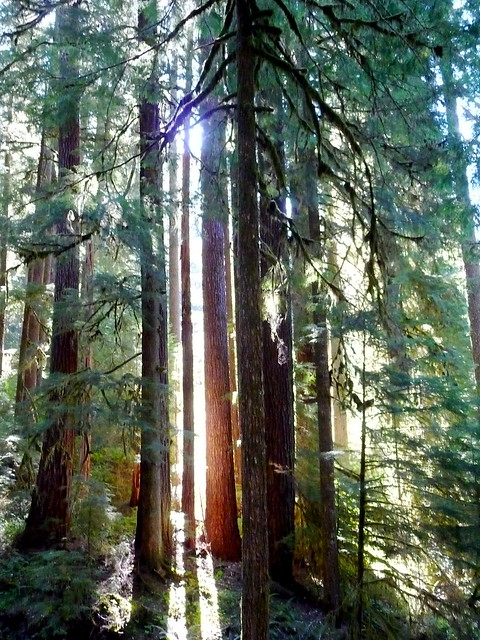
One Square Inch of Silence è un luogo nella foresta pluviale di Hoh , parte dell'Olympic National Park, probabilmente il luogo più silenzioso degli Stati Uniti. Ma anche questo è in pericolo, protetto solo da una politica che non è attuata dallo stesso National Park Service né supportata da leggi adeguate. La mia speranza è che One Square Inch inneschi un silenzioso risveglio in tutti coloro che desiderano diventare veri ascoltatori.
Preservare il silenzio naturale è necessario ed essenziale quanto la conservazione delle specie , il ripristino degli habitat, la bonifica dei rifiuti tossici e la riduzione dell'anidride carbonica, per citare solo alcune delle sfide immediate che ci troviamo ad affrontare in questo secolo ancora giovane. La buona notizia è che salvare il silenzio può essere molto più facile che affrontare questi altri problemi. Una sola legge segnerebbe un enorme e immediato miglioramento. Tale legge vieterebbe a tutti gli aerei di sorvolare i nostri parchi nazionali più incontaminati.
Il silenzio non è l'assenza di qualcosa, ma la presenza di ogni cosa. Vive qui, profondamente, a One Square Inch nella foresta pluviale di Hoh. È la presenza del tempo, indisturbata. Lo si può percepire nel petto. Il silenzio nutre la nostra natura, la nostra natura umana, e ci fa conoscere chi siamo. Con una mente più ricettiva e un orecchio più attento, diventiamo ascoltatori migliori non solo della natura, ma anche gli uni degli altri. Il silenzio può essere trasportato come le braci da un fuoco. Il silenzio può essere trovato, e il silenzio può trovare te. Il silenzio può essere perso e anche recuperato. Ma il silenzio non può essere immaginato, anche se la maggior parte delle persone lo pensa. Per sperimentare la meraviglia che riempie l'anima del silenzio, devi ascoltarlo.
Il silenzio è un suono, molti, molti suoni. Ne ho sentiti più di quanti riesca a contarli. Il silenzio è il canto al chiaro di luna del coyote che scandisce l'aria, e la risposta del suo compagno. È il sussurro della neve che cade e che poi si scioglierà con un sorprendente ritmo reggae, così frizzante che vorrai ballarci sopra. È il suono degli insetti alati impollinatori che vibrano dolci melodie mentre sfrecciano difensivamente dentro e fuori dai rami dei pini per sfuggire temporaneamente alla brezza, un mix di ronzio di insetti e sospiro di pino che ti accompagnerà per tutto il giorno. Il silenzio è lo stormo di cinciallegre dal dorso castano e di rampichine dal petto rosso che cinguettano e svolazzano, ricordandoti la tua curiosità.
Avete sentito la pioggia ultimamente? La grande foresta pluviale nord-occidentale americana, non a caso, è un posto eccellente per ascoltarla. Ecco cosa ho sentito a One Square Inch of Silence. Il primo della stagione delle piogge non è affatto umido. Inizialmente, innumerevoli semi cadono dagli alberi imponenti. Segue presto il dolce applauso delle foglie d'acero che svolazzano, e che si depositano silenziose come una coperta invernale per i semi. Ma questo concerto silenzioso è solo un preludio.
Quando arriva il primo di molti grandi temporali, scatenando il suo potente inno, ogni specie di albero produce il proprio suono nel vento e nella pioggia. Persino la goccia di pioggia più grande potrebbe non toccare mai terra. A quasi 90 metri di altezza, in cima alla volta della foresta, foglie e corteccia assorbono gran parte dell'umidità... finché questa spugna aerea non si satura e le gocce si riformano e scendono più in profondità... colpendo i rami più bassi e cadendo a cascata su drappi di muschio fonoassorbenti... picchiettando sulle felci epifite... cadendo debolmente sui cespugli di mirtillo rosso... e colpendo le dure e sode foglie di salal... prima che, infine, le gocce pieghino impercettibilmente le delicate foglie a trifoglio dell'acetosella e gocciolino nel terreno. Ascoltato giorno e notte, questo balletto liquido continuerà per più di un'ora dopo la fine della pioggia vera e propria.
Ricordando l'ammonimento di Robert Koch, ideatore del metodo scientifico che identifica le cause delle malattie, credo che la perdita incontrollata del silenzio sia un canarino in una miniera di carbone, una miniera globale. Se non riusciamo a prendere posizione, se facciamo orecchie da mercante di fronte al problema della scomparsa del silenzio naturale, come possiamo aspettarci di cavarcela meglio con crisi ambientali più complesse?
COMMUNITY REFLECTIONS
SHARE YOUR REFLECTION
6 PAST RESPONSES
Amazing Article ! The contents so described are soul touching and capable enough to arouse the inner feeling of a sincere reader and a thinking man...This was the reason why our great saints and Hermits used to leave the cities and towns and migrated to the valleys and on the lap of great mountains to find the eternal truth...They were realizing that Silence is Golden and its sound is rhythmic but one need to have a pair of sensitive ears to listen those vibrant music of the nature....We do not need instruments to accompany and throat breaking noise or sound to catch anybody's attention. Instead we will learn the melodious songs of cuckoos, bellowing of cattle and similar sounds which will never break any body's journey for the silence. It is certainly soul searching to enter into a silent place and keep on listening and looking....one will automatically immerse in the soul of the mother nature..How beautiful that moment would be....It is to be experienced...So be away from the madding crowd at least once in a week.. and enjoy the silent songs of the nature..which is God Gifted to us...let us also explore and experience those mesmerizing impact of the silence and natures songs like a lullaby sung by our mother during our childhood.....
[Hide Full Comment]Beautiful! I live in SW Colorado surrounded by national forest & wilderness. I was struck on 9/11 when all the planes were grounded by the silence. In Bali they have a day a year when no planes fly, transportation & commercial activity stops. 24/7 commerce & non-stop human activity is a plague. I experience great blessings in having moments where the inner Silence of conscious awareness & the outer silence of moments here on the outskirts of so-called civilization I hear nothing but the sounds of nature, even their activity stills at times. The lake frozen over functions as a sound chamber making eerie mystifying sounds. Something occurs in body & soul in the naturalness. We are such amazing beings of consciousness, love & light and of human spirit, and creatures of the natural world also. Stop to smell the roses. Taste the wind. Touch the bark of a tree, the pine needles softness. See the natural light of sun, moon & stars. And listen, listen from the quietness within. Let natural sounds penetrate you & see how that feels. Contact with Silence within and without restores us. There's so much to be heard from the still small voice to the hum of the hummingbird, the robin heralding spring. Ultimately it all informs us as well as restores us. Listen up, those with ears to hear. The resounding Word is everywhere in everything.
[Hide Full Comment]Thank you, DailyGood and Gordon Hempton, for this beautiful piece. I will return to it often. And some day I hope to visit One Square Inch. Remembering Phillip Levine, who passed away Saturday -- here's a stanza from one his poems, Our Valley, that honors the immensity of silence. Thank you Phillip Levine. Peace all.
"You probably think I’m nuts saying the mountains have no word for ocean,
but if you live here you begin to believe they know everything.
They maintain that huge silence we think of as divine,
a silence that grows in autumn when snow falls
slowly between the pines and the wind dies
to less than a whisper and you can barely catch
your breath because you’re thrilled and terrified."
Thank you for debunking the misconception that silence is soundless. I think that, ultimately, listening to silence is mindfulness, meditation, presencing ...
I live in the Pacific
[Hide Full Comment]Northwest, and have all my 58 years. I teach in a local high school, and
get to share yoga as a PE elective. I have had a long standing focus for
yoga that it is quiet and without music, which is viewed at first by the students
as unfair and unheard of. Students at
first are frightened and surprised by how loud their personal thoughts are in
the silence of the yoga room, and then begin to crave the absence of
technology-driven distraction. I teach walking classes as a PE elective,
and the students are not allowed to listen to music and plug their ears with
earbuds or headphones (for ‘exercise’ motivation if you can imagine), nor even
have their phones with them (some drop the class because they are unable to do
this). We are located within the noise
pollution radius of the freeway, an expanding airport, and relentless increases
in coal/oil trains. We walk sidewalks
along streets with cars whizzing by, in close proximity to the hospital
helipad, and recently drones just overhead.
I do though get to observe students begin to recognize bird sounds from
chickadees, sparrows, juncos, hummingbirds, cedar waxwings, robins, seagulls,
crows, starlings, and then the local peregrine chatter and if really lucky eagle
cries from a hundred feet up as they circle toward the river. The students begin to discern the difference
between dog barks of ‘Hello, I’m here, can we play?’ and ‘Get away’. They start entertaining the idea they are no
longer invisible and recognize community members walking, biking, and jogging by
using eye contact and saying the word ‘hi’.
They have the opportunity to acquire listening and empathy skills as
they spend an hour with a walking partner who is conversing with them in close
contact. I love my job. The real reason I am writing, though, is that
over the years of indiscriminant development and significant paving of
farmland-open space-forested land in my beloved slice of heaven, there is a
slogan perpetuated by the local military base whose flights overhead have
stepped up significantly in the past ten years that this continuous low flying
military jet noise is the sound of freedom…and this includes the flights toward
the Olympic Peninsula, as well as over the San Juan Islands, toward Mt. Baker,
over a multitude of local lakes and streams, tiny communities, and wildlife of
all types. You may be able to tell I
would argue with this as we continue to raise generation after generation void
of connection with nature, quiet places and spaces, and opportunities for
silence.