
Uluru saulriets (foto: Martins Fišers/Flickr)

„Pienāks diena, kad cilvēkam būs jācīnās ar troksni tikpat nepielūdzami kā ar holēru un mēri.” Tā 1905. gadā teica Nobela prēmijas laureāts bakteriologs Roberts Kohs. Gadsimtu vēlāk šī diena ir pietuvojusies daudz tuvāk. Mūsdienās klusums ir kļuvis par apdraudētu sugu. Mūsu pilsētas, mūsu priekšpilsētas, mūsu lauku kopienas un pat mūsu visplašākie un attālākie nacionālie parki nav pasargāti no cilvēku radītā trokšņa. Atvieglojuma nav pat Ziemeļpolā; par to rūpējas kontinentu mainošās reaktīvās lidmašīnas. Turklāt cīņa ar troksni nav tas pats, kas klusuma saglabāšana. Mūsu tipiskās prettrokšņa stratēģijas — ausu aizbāžņi, trokšņu slāpēšanas austiņas, pat trokšņu mazināšanas likumi — nepiedāvā reālu risinājumu, jo tās neko nedara, lai palīdzētu mums atjaunot saikni un ieklausīties zemē. Un zeme runā.
Cilvēces vēsturē esam sasnieguši brīdi, kad globālā vides krīze prasa veikt pastāvīgas dzīvesveida izmaiņas. Vairāk nekā jebkad agrāk mums ir jāiemīlas zemē. Klusums ir mūsu tikšanās vieta.
Mums ir tiesības klusi un netraucēti klausīties dabiskajā vidē un uztvert to ar jebkādu nozīmi, kādu vien varam iedomāties. Ilgi pirms cilvēces radītajām skaņām pastāvēja tikai dabas pasaules skaņas. Mūsu ausis ir attīstījušās perfekti noregulētas, lai dzirdētu šīs skaņas — skaņas, kas krietni pārsniedz cilvēka runas vai pat mūsu visambiciozāko muzikālo priekšnesumu diapazonu: īslaicīgu vēsmu, kas liecina par laikapstākļu maiņu, pirmās putnu dziesmas pavasarī, kas vēsta par zemes atjaunošanos un atgriešanos pie izaugsmes un labklājības, tuvojošos vētru, kas sola atvieglojumu no sausuma, un mainīgo paisumu, kas atgādina par debesu baletu. Visa šī pieredze mūs savieno ar zemi un mūsu evolūcijas pagātni.
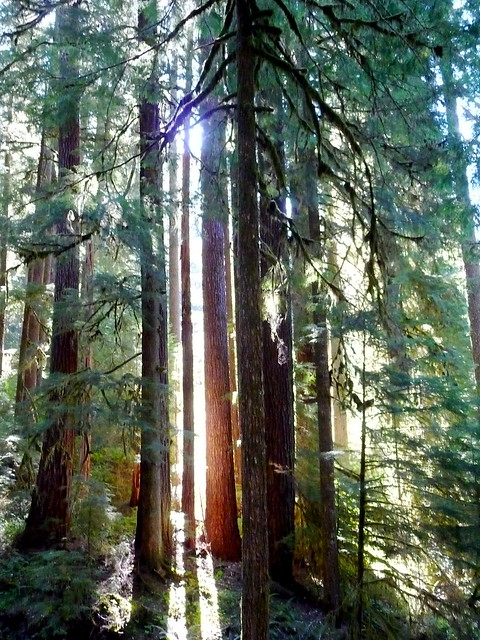
"One Square Inch of Silence" ir vieta Hohas lietus mežā , kas ir daļa no Olimpiskā nacionālā parka — iespējams, klusākā vieta Amerikas Savienotajās Valstīs. Taču arī tā ir apdraudēta, aizsargāta tikai ar politiku, ko neīsteno pats Nacionālā parka dienests un neatbalsta atbilstoši likumi. Es ceru, ka "One Square Inch" izraisīs klusu atmodu visos tajos, kas vēlas kļūt par patiesiem klausītājiem.
Dabiskā klusuma saglabāšana ir tikpat nepieciešama un būtiska kā sugu saglabāšana , dzīvotņu atjaunošana, toksisko atkritumu savākšana un oglekļa dioksīda emisiju samazināšana, un tie ir tikai daži no neatliekamajiem izaicinājumiem, ar kuriem mēs saskaramies šajā joprojām jaunajā gadsimtā. Labā ziņa ir tā, ka klusuma glābšana var būt daudz vienkāršāka nekā šo citu problēmu risināšana. Viens likums signalizētu par milzīgu un tūlītēju uzlabojumu. Šis likums aizliegtu visiem gaisa kuģiem lidot virs mūsu neskartākajiem nacionālajiem parkiem.
Klusums nav kaut kā neesamība, bet gan visa klātbūtne. Tas mīt šeit, dziļi, One Square Inch laukumā Hoh lietus mežā. Tā ir laika klātbūtne, netraucēta. To var sajust krūtīs. Klusums baro mūsu dabu, mūsu cilvēcisko dabu, un ļauj mums zināt, kas mēs esam. Ar uztverīgāku prātu un saskaņotāku dzirdi mēs kļūstam par labākiem klausītājiem ne tikai dabā, bet arī viens otrā. Klusumu var nest kā ogles no uguns. Klusumu var atrast, un klusums var atrast tevi. Klusumu var pazaudēt un arī atgūt. Bet klusumu nevar iedomāties, lai gan lielākā daļa cilvēku tā domā. Lai izjustu dvēseli piepildošo klusuma brīnumu, tas ir jādzird.
Klusums ir skaņa, daudzas, daudzas skaņas. Esmu dzirdējis vairāk, nekā varu saskaitīt. Klusums ir koijota mēness apspīdētā dziesma, kas apzīmē gaisu, un tā partnera atbilde. Tā ir krītoša sniega čukstēšana, kas vēlāk izkusīs ar pārsteidzošu regeja ritmu, kas ir tik dzidrs, ka jūs gribēsiet tai dejot. Tā ir apputeksnējo spārnoto kukaiņu skaņa, kas vibrē maigas melodijas, tiem aizsargājoties šaujoties iekšā un ārā no priežu zariem, lai uz brīdi izvairītos no vēsmas, kukaiņu dūkoņas un priežu nopūtu sajaukums, kas paliks ar jums visu dienu. Klusums ir garāmbraucošais kastaņmuguras zīlīšu un sarkankrūšu riekstīšu bars, kas čivina un plivina, atgādinot jums par jūsu pašu ziņkāri.
Vai pēdējā laikā esat dzirdējuši lietu? Amerikas lielie ziemeļrietumu lietus meži, bez šaubām, ir lieliska vieta, kur klausīties. Lūk, ko esmu dzirdējis “One Square Inch of Silence”. Lietus sezonas pirmais posms nemaz nav mitrs. Sākumā no milzīgajiem kokiem krīt neskaitāmas sēklas. Drīz vien seko maigi plīvojošu kļavu lapu aplausi, kas tik klusi nosēžas kā ziemas sega sēklām. Taču šis klusais koncerts ir tikai prelūdija.
Kad pienāk pirmā no daudzajām spēcīgajām lietusgāzēm, atbrīvojot savu vareno himnu, katra koku suga vējā un lietū rada savu skaņu. Pat lielākās lietus lāses, iespējams, nekad nenonāks zemē. Gandrīz 300 pēdu augstumā virs galvas, augstu meža lapotnē, lapas un miza absorbē lielu daļu mitruma... līdz šis gaisa sūklis piesūcas un pilieni pārveidojas un nolaižas tālāk... atsitoties pret zemākiem zariem un krītot uz skaņu absorbējošām sūnu aizkariem... piesitot epifītiskajām papardēm... vāji plunčājoties pa melleņu krūmiem... un dauzot cietās, stingrās sala lapas... pirms beidzot pilieni nedzirdami noliec smalkās, āboliņam līdzīgās koksnes skābenes lapas un pil, lai iesūktos zemē. Dzirdams dienā vai naktī, šis šķidrais balets turpināsies vairāk nekā stundu pēc tam, kad īstais lietus ir beidzies.
Atceroties Roberta Koha, zinātniskās metodes, kas identificē slimību cēloņus, izstrādātāja, brīdinājumu, es uzskatu, ka nekontrolēta klusuma zaudēšana ir kā kanārijputniņš ogļraktuvē — globāla problēma. Ja mēs nevaram ieņemt stingru nostāju šajā jautājumā, ja mēs ignorējam dabiskā klusuma izzušanas problēmu, kā mēs varam sagaidīt labākus rezultātus sarežģītāku vides krīžu risināšanā?
COMMUNITY REFLECTIONS
SHARE YOUR REFLECTION
6 PAST RESPONSES
Amazing Article ! The contents so described are soul touching and capable enough to arouse the inner feeling of a sincere reader and a thinking man...This was the reason why our great saints and Hermits used to leave the cities and towns and migrated to the valleys and on the lap of great mountains to find the eternal truth...They were realizing that Silence is Golden and its sound is rhythmic but one need to have a pair of sensitive ears to listen those vibrant music of the nature....We do not need instruments to accompany and throat breaking noise or sound to catch anybody's attention. Instead we will learn the melodious songs of cuckoos, bellowing of cattle and similar sounds which will never break any body's journey for the silence. It is certainly soul searching to enter into a silent place and keep on listening and looking....one will automatically immerse in the soul of the mother nature..How beautiful that moment would be....It is to be experienced...So be away from the madding crowd at least once in a week.. and enjoy the silent songs of the nature..which is God Gifted to us...let us also explore and experience those mesmerizing impact of the silence and natures songs like a lullaby sung by our mother during our childhood.....
[Hide Full Comment]Beautiful! I live in SW Colorado surrounded by national forest & wilderness. I was struck on 9/11 when all the planes were grounded by the silence. In Bali they have a day a year when no planes fly, transportation & commercial activity stops. 24/7 commerce & non-stop human activity is a plague. I experience great blessings in having moments where the inner Silence of conscious awareness & the outer silence of moments here on the outskirts of so-called civilization I hear nothing but the sounds of nature, even their activity stills at times. The lake frozen over functions as a sound chamber making eerie mystifying sounds. Something occurs in body & soul in the naturalness. We are such amazing beings of consciousness, love & light and of human spirit, and creatures of the natural world also. Stop to smell the roses. Taste the wind. Touch the bark of a tree, the pine needles softness. See the natural light of sun, moon & stars. And listen, listen from the quietness within. Let natural sounds penetrate you & see how that feels. Contact with Silence within and without restores us. There's so much to be heard from the still small voice to the hum of the hummingbird, the robin heralding spring. Ultimately it all informs us as well as restores us. Listen up, those with ears to hear. The resounding Word is everywhere in everything.
[Hide Full Comment]Thank you, DailyGood and Gordon Hempton, for this beautiful piece. I will return to it often. And some day I hope to visit One Square Inch. Remembering Phillip Levine, who passed away Saturday -- here's a stanza from one his poems, Our Valley, that honors the immensity of silence. Thank you Phillip Levine. Peace all.
"You probably think I’m nuts saying the mountains have no word for ocean,
but if you live here you begin to believe they know everything.
They maintain that huge silence we think of as divine,
a silence that grows in autumn when snow falls
slowly between the pines and the wind dies
to less than a whisper and you can barely catch
your breath because you’re thrilled and terrified."
Thank you for debunking the misconception that silence is soundless. I think that, ultimately, listening to silence is mindfulness, meditation, presencing ...
I live in the Pacific
[Hide Full Comment]Northwest, and have all my 58 years. I teach in a local high school, and
get to share yoga as a PE elective. I have had a long standing focus for
yoga that it is quiet and without music, which is viewed at first by the students
as unfair and unheard of. Students at
first are frightened and surprised by how loud their personal thoughts are in
the silence of the yoga room, and then begin to crave the absence of
technology-driven distraction. I teach walking classes as a PE elective,
and the students are not allowed to listen to music and plug their ears with
earbuds or headphones (for ‘exercise’ motivation if you can imagine), nor even
have their phones with them (some drop the class because they are unable to do
this). We are located within the noise
pollution radius of the freeway, an expanding airport, and relentless increases
in coal/oil trains. We walk sidewalks
along streets with cars whizzing by, in close proximity to the hospital
helipad, and recently drones just overhead.
I do though get to observe students begin to recognize bird sounds from
chickadees, sparrows, juncos, hummingbirds, cedar waxwings, robins, seagulls,
crows, starlings, and then the local peregrine chatter and if really lucky eagle
cries from a hundred feet up as they circle toward the river. The students begin to discern the difference
between dog barks of ‘Hello, I’m here, can we play?’ and ‘Get away’. They start entertaining the idea they are no
longer invisible and recognize community members walking, biking, and jogging by
using eye contact and saying the word ‘hi’.
They have the opportunity to acquire listening and empathy skills as
they spend an hour with a walking partner who is conversing with them in close
contact. I love my job. The real reason I am writing, though, is that
over the years of indiscriminant development and significant paving of
farmland-open space-forested land in my beloved slice of heaven, there is a
slogan perpetuated by the local military base whose flights overhead have
stepped up significantly in the past ten years that this continuous low flying
military jet noise is the sound of freedom…and this includes the flights toward
the Olympic Peninsula, as well as over the San Juan Islands, toward Mt. Baker,
over a multitude of local lakes and streams, tiny communities, and wildlife of
all types. You may be able to tell I
would argue with this as we continue to raise generation after generation void
of connection with nature, quiet places and spaces, and opportunities for
silence.