

الرفض أمرٌ قاسٍ، مهما حللته. ولكنه أيضًا حقيقةٌ لا مفر منها في الحياة، وقدرتنا على التعامل مع الفشل والرفض تُحدد مدى نجاحنا وسعادتنا.
السعادة ليست نقيض الاكتئاب، بل المرونة هي نقيضه، وفقًا لعالم النفس بيتر كرامر . فكّر في الأشخاص الذين تُعجب بهم أكثر من غيرهم - كثير منهم لم يصلوا إلى ما هم عليه الآن بمجرد خوض غمار الحياة دون أي تجارب سلبية أو إخفاقات. تميّز معظمهم بقدرتهم على النهوض مجددًا بعد كل سقوط، وهي حقيقة تتجلى في عدد لا يُحصى من الاقتباسات الملهمة حول قوة المثابرة (بكلمات ونستون تشرشل، "الشجاعة هي ما يُحسب").
فكيف يختلف الأشخاص المرنين عن أولئك الذين يصابون بالشلل بسبب كل فشل أو انتكاسة؟
فيما يلي سبع عادات للأشخاص الذين يتمتعون بقدرة عالية على الصمود - وطرق يمكنك من خلالها تحسين قدرتك على التعامل مع التحديات.
إنهم يعيشون تجربة كاملة من المشاعر الإيجابية والسلبية.
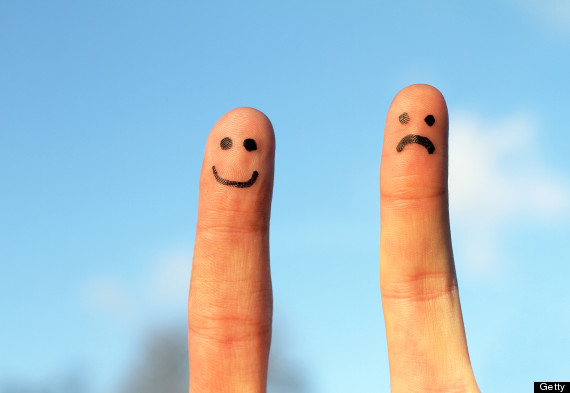
بناء المرونة لا يعني التفاؤل الأعمى. فبدلاً من النظر إلى الجانب المشرق فقط وتجاهل المشاعر السلبية، يسمح الأشخاص المرنون لأنفسهم بتجربة ما يشعرون به في أي موقف، سواءً كان جيدًا أم سيئًا، وفقًا لباربرا فريدريكسون، مؤلفة كتاب "الإيجابية".
"الشخص المرن لا يخفي المشاعر السلبية، بل يتركها تتواجد جنبًا إلى جنب مع مشاعر أخرى"، هذا ما قاله فريدريكسون لـ Experience Life . "لذا في الوقت نفسه يشعرون بـ "أنا حزين بشأن ذلك"، كما أنهم يميلون إلى التفكير، "لكنني ممتن لهذا الأمر".
إنهم متفائلون واقعيا.
توصلت دراسة حديثة أجرتها الجامعة الوطنية التايوانية إلى أن تبني موقف "التفاؤل الواقعي"، الذي يجمع بين النظرة الإيجابية للمتفائلين والتفكير النقدي للمتشائمين، يمكن أن يعزز السعادة والمرونة .
في كل مرة يواجه فيها [المتفائلون الواقعيون] مشكلةً أو تحديًا، لن يقولوا: "ليس لدي خيار، وهذا هو الحل الوحيد"، هذا ما قالته الباحثة صوفيا تشو لموقع لايف ساينس . "سيكونون مبدعين، وستكون لديهم خطة أ، وخطة ب، وخطة ج."
"إنهم يرفضون الرفض"

قالت إيلين دوندون، مؤسسة مجموعة الابتكار، في محاضرتها في مؤتمر TED حول هذا الموضوع : "إن الرفض ينتقص من احترامنا لأنفسنا وثقتنا بأنفسنا، مما يجعلنا نسقط أكثر فأكثر مع كل انتكاسة أو فشل لاحق"، وأضافت: "الرفض يسرق فرحتنا أيضًا".
لكن الرفض أمرٌ لا مفر منه، والتعامل معه بفعالية أمرٌ أساسيٌّ لاكتساب المرونة. وكما يقول أليكس باتاكوس، المدوّن في هافينغتون بوست، فإنّ اختيار رفض الرفض يضمن "ألا تصبح أسيرًا لأفكارك".
"من المهم أن نفهم أن كل شخص في "مساحة" مختلفة، وفي بعض الحالات، بغض النظر عما تقوله أو تفعله، فإنهم سيرفضونك دائمًا أو يرفضون أفكارك"، كما يقول باتاكوس ، موضحًا أن اتخاذ هذه العقلية يساعدك على عدم أخذ الرفض على محمل شخصي.
إنهم يبنيون أنظمة دعم قوية.

عندما تتعرض لضربة قوية، من المهم أن تمتلك الموارد اللازمة للنهوض مجددًا، بما في ذلك وجود أشخاص تعتمد عليهم. وجدت دراسة أجريت عام ٢٠٠٧ أن الدعم الاجتماعي يمكن أن يعزز القدرة على مواجهة التوتر.
إنهم يلاحظون (ويقدرون) الأشياء الصغيرة الإيجابية.
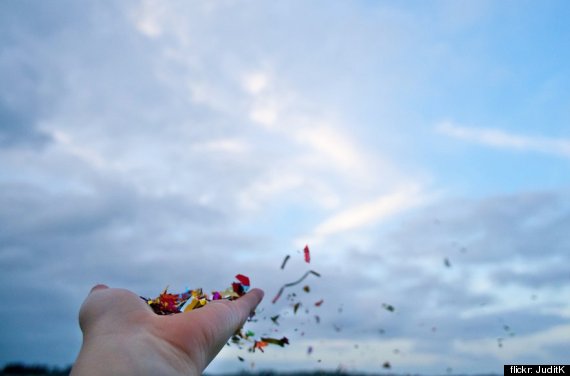
وفقًا لفريدريكسون، يتمتع الأشخاص المرنون بقدرة جيدة على استغلال "نسبة إيجابيتهم". هذا يعني أنهم يلاحظون ويقدرون الأفراح والانتصارات الصغيرة - مما يمنعهم من الشعور بأن "كل شيء" يسير على نحو خاطئ. وقد أظهر بحثها أن نسبة ثلاثة إلى واحد من التجارب الإيجابية إلى السلبية مثالية لبناء المرونة وتعزيز السعادة.
إنهم يبحثون عن فرص للنمو والتعلم.

يسعى الأشخاص المرنين إلى تجارب النمو التي تعزز الاعتماد على الذات ومهارات اتخاذ القرار الفردي، مما يمنحهم الثقة في قدرتهم على التعافي من الفشل.
"مع زيادة الشعور بالكفاءة، يصبح الأفراد أكثر قدرة على الاستجابة بفعالية في المواقف غير المألوفة أو الصعبة والمثابرة في مواجهة الإخفاقات والتحديات"، كما كتب كاثلين م. ساتكليف وتيموثي جيه. فوجوس في كتابهما "التنظيم من أجل المرونة".
أولئك الذين أتقنوا فن الصمود يدركون أن النكسات والتحديات قد تكون أقوى فرص التعلم لدينا. بعضٌ منأنجح الأشخاص في العالم فُصلوا من وظائفهم، واستغلوا هذه التجربة لتعلم المزيد عن أنفسهم.
قالت آنا وينتور ذات مرة : "عملتُ في مجلة هاربرز بازار الأمريكية... وفُصلتُ منها. أنصحكم جميعًا بالاستغناء عن خدماتي، إنها تجربة تعليمية رائعة".
إنهم ممتنون إلى ما لا نهاية.

من المعروف أن الامتنان يعزز الصحة والرفاهية - وأولئك الذين يشعرون بالامتنان قد يتمتعون بصحة بدنية ومزاج أفضل من أولئك الذين يركزون على المتاعب والشكاوى.
"شعرتُ بالامتنان عندما طُردت من عملي"، هكذا أوضحت سالي كراوتشيك، إحدى أقوى المديرات التنفيذيات في وول ستريت سابقًا، في مؤتمر هافينغتون بوست النسائي بعنوان "المقياس الثالث: إعادة تعريف النجاح بما يتجاوز المال والسلطة". وأضافت: "سألتُ نفسي: كم من الناس طُردوا من عملهم، وظهر خبر ذلك على الصفحة الأولى من صحيفة وول ستريت جورنال؟"
وتقول كراوتشيك إن الامتنان لم يساعدها فقط في التعامل مع طردها من العمل، بل ساعدها أيضًا في إبقاء ضغوط الحياة اليومية في المنظور الصحيح.
كيف أتجاوز كل هذا؟ قال كراوتشيك. أنا ممتنٌ للغاية.
COMMUNITY REFLECTIONS
SHARE YOUR REFLECTION
8 PAST RESPONSES
Agreed, this article is high in fluffy feel-good pap. It's the sort of thing that can be agreed to when a person is feeling pretty good, but if I were in the midst of a period of depression, I'd find most of this article useless, annoying and/or insulting.
Article has some good stuff, but misses some points:
1. Some "Depression" is a genetically-inherited (familial) brain imbalance issue. For that minority of people, telling them to Be Resilient is worse than useless, it's heartless.
2. Other "Depression" is the result of childhood "faulty programming" -- either neglect or abuse by people who should never, ever have been parents. Most people don't just "cheer up" and walk away from 18 or so years or horrendous "training." They need years of emotional AND spiritual work, to unravel the ways in which THEIR brains were (yes physically) mis-formed by worse than bad treatment. Even "normally" incompetent parenting (50%?) can do this to some extent. So, JUST "being resilient" for this larger minority is only ONE Of several necessary ingredients.
3. A third unnamed source of "Depression" is an actual, horrendous real-time loss (death of a beloved spouse, of a child, other Big Time loss). In this case the ONLY remedy for THAT kind of depression (which is actually GRIEF), is active, dive-right-in GRIEVING. For that I would offer: "suffering" (depression) is a passive refusal to face monumental loss, whereas "grieving" means continually hitting the pinata of one's grief with a loving stick.
It may be glib to notice a correlation between those who are "resilient" and/or have learned the profoundly powerful art of being Grateful -- and those who are not Depressed, but the three points above are sorely missing in the article -- but hopefully not in the professional repertoire of its psychologist-author.
[Hide Full Comment]You are a dipshit. Just because your resilient, doesnt mean that your not depressed.
Humans are very resilient & can survive with only water for up to 2 months,
according to a study that was performed on tv, by filling the stomach with bread.
Able to survive, within extreme conditions, however once the bodies core temperature reaches 40 degrees celcius, the body starts to shut down & organs begin to fail.
If we lose 2 litres of blood, the body dies but if a wound is able to be mended fast enough with enough bandages to stop the flow of blood & no vital organs are punctured, then there is a good chance for survival.
Some doctors refer to a persons recovery as a miracle because they generally
[Hide Full Comment]say that it is unknown to science, how a persons body was able to heal,
but it may be more closely related to not being aware of the extent of
the damage & the individuals reaction to medicane but it also bring
into question, cellular regeneration.
All of these things are a matter of resilience. It has nothing to do with depression however im
sure that an individual would be experiencing a greater extent of drepression because of it.
You are a dipshit. Just because your resilient, doesnt mean that your not depressed.
Humans
are very resilient & survive with only water for up to 2 months,
according to a study that was performed on tv, by filling the stomach
with bread.
Able to survive, within extreme conditions, however once the bodies core temperature reaches 40 degrees celcius, the body starts to shut down & organs begin to fail.
If we lose 2 litres of blood, the body dies but if a wound is able to be
mended fast enough with enough bandages to stop the flow of blood &
no vital organs are punctured, then there is a good chance for survival.
Some
[Hide Full Comment]doctors refer to a persons recovery as a miracle because they generally
say that it is unknown to science, how a persons body was able to heal,
but it may be more closely related to not being aware of the extent of
the damage & the individuals reaction to medicane but it also bring
into question, cellular regeneration.All of these things are a
matter of resilience. It has nothing to do with depression however im
sure that an individual would be experiencing a greater extent of
drepression because of it.
You are a dipshit. Just because your resilient, doesnt mean that your not depressed.
Humans
are very resilient & can survive with only water for up to 2 months,
according to a study that was performed on tv, by filling the stomach
with bread.
Able to survive, within extreme conditions, however once the bodies core temperature reaches 40 degrees celcius, the body starts to shut down & organs begin to fail.
If
we lose 2 litres of blood, the body dies but if a wound is able to be
mended fast enough with enough bandages to stop the flow of blood &
no vital organs are punctured, then there is a good chance for survival.
Some
[Hide Full Comment]doctors refer to a persons recovery as a miracle because they generally
say that it is unknown to science, how a persons body was able to heal,
but it may be more closely related to not being aware of the extent of
the damage & the individuals reaction to medicane but it also bring
into question, cellular regeneration.All of these things are a
matter of resilience. It has nothing to do with depression however im
sure that an individual would be experiencing a greater extent of
drepression because of it.
You are a dipshit. Just because your resilient, doesnt mean that your not depressed.
Humans are very resilient & survive with only water for up to 2 months, according to a study that was performed on tv, by filling the stomach with bread.
Able to survive, within extreme conditions, however once the bodies core temperature reaches 40 degrees celcius, the body starts to shut down & organs begin to fail.
If we lose 2 litres of blood, the body dies but if a wound is able to be mended fast enough with enough bandages to stop the flow of blood & no vital organs are punctured, then there is a good chance for survival.
[Hide Full Comment]Some doctors refer to a persons recovery as a miracle because they generally say that it is unknown to science, how a persons body was able to heal, but it may be more closely related to not being aware of the extent of the damage & the individuals reaction to medicane but it also bring into question, cellular regeneration.
All of these things are a matter of resilience. It has nothing to do with depression however im sure that an individual would be experiencing a greater extent of drepression because of it.
It's really inspiring!
Agreed! I liked the realistically optimist description! that's me to a "T" :) Gratitude and enjoying the little things goes a long long way in helping one remain resilient. thanks for another uplifting article! YOU keep Me resilient! HUG