

Zavrnitev je groba, ne glede na to, kako jo odrežete. Toda to je tudi neizogibno življenjsko dejstvo in naša sposobnost spopadanja z neuspehi in zavračanjem vpliva na to, kako uspešni in srečni smo.
Sreča ni nasprotje depresije – po mnenju psihologa Petra Kramerja je odpornost . Pomislite na ljudi, ki jih najbolj občudujete – mnogi med njimi niso prišli tja, kjer so, samo tako, da so pluli skozi življenje brez negativnih izkušenj ali neuspehov. Večina se jih je odlikovala po svoji sposobnosti, da se takoj dvignejo vsakič, ko padejo, kar je resnica, ki se odraža v neštetih navdihujočih citatih o moči vztrajnosti (po besedah Winstona Churchilla: "Pogum je, da nadaljuješ, kar šteje.").
Kako se torej vzdržljivi ljudje razlikujejo od tistih, ki jih vsak neuspeh in nazadovanje ohromi?
Tukaj je sedem navad zelo vzdržljivih ljudi – in načinov, kako lahko izboljšate lastno sposobnost spopadanja z izzivi.
V celoti doživljajo tako pozitivna kot negativna čustva.
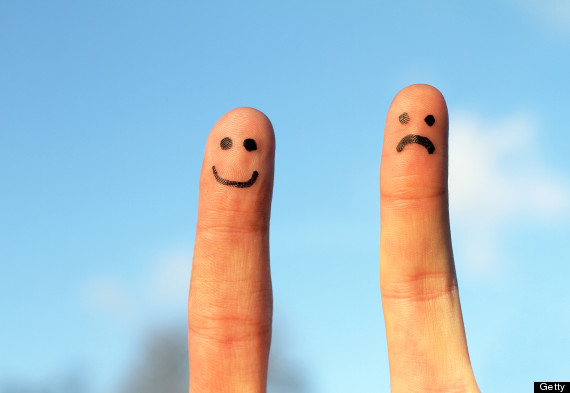
Gradnja odpornosti ne pomeni slepega optimizma. Namesto da bi gledali le s svetle strani in odganjali negativna čustva, si vzdržljivi ljudje dovolijo izkusiti, kar čutijo v kateri koli situaciji, ne glede na to, ali je dobro ali slabo, pravi avtorica Pozitivnosti Barbara Fredrickson.
"Odporna oseba ne prikriva negativnih čustev, temveč jim pusti, da sedijo ob boku drugih občutkov," je Fredrickson povedal za Experience Life . "Torej hkrati čutijo 'žalosten sem zaradi tega', prav tako so nagnjeni k razmišljanju, 'vendar sem hvaležen za to.'"
So realno optimistični.
Nedavna študija tajvanske nacionalne univerze je pokazala, da lahko sprejem "realističnega optimizma", ki združuje pozitiven pogled optimistov s kritičnim mišljenjem pesimistov, poveča srečo in odpornost.
"Vsakič, ko se [realistični optimisti] soočijo z vprašanjem, izzivom ali težavo, ne bodo rekli 'Nimam izbire in to je edina stvar, ki jo lahko naredim,'" je za LiveScience povedala raziskovalka Sophia Chou . "Bili bodo ustvarjalni, imeli bodo načrt A, načrt B in načrt C."
Zavračajo zavrnitev.
Zavrnitev zmanjša našo samozavest in samozavest, zaradi česar padamo težje z vsakim naslednjim neuspehom ali neuspehom, je v svojem pogovoru TED o tej temi dejala Elaine Dundon, ustanoviteljica skupine za inovacije, in dodala: "Zavrnitev tudi ukrade naše veselje."
Toda zavrnitev je neizogibna in učinkovito spopadanje z njo je bistvenega pomena za to, da postanemo odporni. Kot pravi bloger HuffPost Alex Pattakos, lahko odločitev za zavrnitev zagotovi, da "ne boste postali ujetnik svojih misli."
"Pomembno je razumeti, da je vsak v drugačnem 'prostoru' in v nekaterih primerih, ne glede na to, kaj rečete ali naredite, bodo vedno zavrnili vas ali vaše ideje," pravi Pattakos in pojasnjuje, da vam takšno razmišljanje pomaga, da zavrnitve ne jemljete osebno.
Gradijo močne podporne sisteme.

Ko ste močno padli, je pomembno, da imate vire, ki vam bodo pomagali, da se znova dvignete, kar vključuje ljudi, na katere se lahko oprete. Študija iz leta 2007 je pokazala, da lahko socialna podpora dejansko poveča odpornost na stres.
Opazijo (in cenijo) majhne, pozitivne stvari.
Odporni ljudje znajo dobro izkoristiti svoje "razmerje pozitivnosti", pravi Fredrickson . To pomeni, da opazijo in cenijo majhne radosti in zmage – zaradi česar se ne počutijo, kot da gre »vse« narobe. Njena raziskava je pokazala, da je razmerje med pozitivnimi in negativnimi izkušnjami tri proti ena idealno za krepitev odpornosti in povečanje sreče.
Iščejo priložnosti za rast in učenje.

Odporni ljudje iščejo izkušnje rasti, ki krepijo samozavest in individualne sposobnosti odločanja, kar jim daje zaupanje v njihovo sposobnost, da se vrnejo po neuspehu.
»Ko se občutek kompetentnosti poveča, se posamezniki bolje zmorejo učinkoviteje odzvati v neznanih ali zahtevnih situacijah in vztrajati ob neuspehih in izzivih,« pišeta Kathleen M. Sutcliffe in Timothy J. Vogus v Organizing for Resilience.
Tisti, ki so obvladali umetnost odpornosti, vedo, da so neuspehi in izzivi lahko naše najmočnejše priložnosti za učenje. Nekaterinajuspešnejši ljudje na svetu so bili odpuščeni iz svojih služb in so to izkušnjo izkoristili, da so se naučili nekaj o sebi.
"Delala sem za ameriški Harper's Bazaar ... Odpustili so me,"je nekoč dejala Anna Wintour . "Priporočam, da vas vse odpustijo, to je odlična učna izkušnja."
Neskončno so hvaležni.

Znano je, da hvaležnost krepi zdravje in dobro počutje – in tisti, ki so hvaležni, lahko uživajo boljše fizično zdravje in razpoloženje kot tisti, ki se osredotočajo na težave in pritožbe.
"Postala sem hvaležna, ko so me odpustili," je Sallie Krawcheck, nekoč ena najmočnejših direktoric Wall Streeta, pojasnila na ženski konferenci The Third Metric: Redefining Success Beyond Money and Power. »Rekel sem, 'Koliko ljudi dobijo odpoved in je to na prvi strani The Wall Street Journala?'«
Krawcheck pravi, da ji hvaležnost ni le pomagala pri soočanju z odpustitvijo, ampak ji tudi pomaga ohranjati vsakodnevne življenjske strese v njihovi pravi perspektivi.
"Kako naj prebrodim vse to?" je rekel Krawcheck. "Neskončno sem hvaležen."
COMMUNITY REFLECTIONS
SHARE YOUR REFLECTION
8 PAST RESPONSES
Agreed, this article is high in fluffy feel-good pap. It's the sort of thing that can be agreed to when a person is feeling pretty good, but if I were in the midst of a period of depression, I'd find most of this article useless, annoying and/or insulting.
Article has some good stuff, but misses some points:
1. Some "Depression" is a genetically-inherited (familial) brain imbalance issue. For that minority of people, telling them to Be Resilient is worse than useless, it's heartless.
2. Other "Depression" is the result of childhood "faulty programming" -- either neglect or abuse by people who should never, ever have been parents. Most people don't just "cheer up" and walk away from 18 or so years or horrendous "training." They need years of emotional AND spiritual work, to unravel the ways in which THEIR brains were (yes physically) mis-formed by worse than bad treatment. Even "normally" incompetent parenting (50%?) can do this to some extent. So, JUST "being resilient" for this larger minority is only ONE Of several necessary ingredients.
3. A third unnamed source of "Depression" is an actual, horrendous real-time loss (death of a beloved spouse, of a child, other Big Time loss). In this case the ONLY remedy for THAT kind of depression (which is actually GRIEF), is active, dive-right-in GRIEVING. For that I would offer: "suffering" (depression) is a passive refusal to face monumental loss, whereas "grieving" means continually hitting the pinata of one's grief with a loving stick.
It may be glib to notice a correlation between those who are "resilient" and/or have learned the profoundly powerful art of being Grateful -- and those who are not Depressed, but the three points above are sorely missing in the article -- but hopefully not in the professional repertoire of its psychologist-author.
[Hide Full Comment]You are a dipshit. Just because your resilient, doesnt mean that your not depressed.
Humans are very resilient & can survive with only water for up to 2 months,
according to a study that was performed on tv, by filling the stomach with bread.
Able to survive, within extreme conditions, however once the bodies core temperature reaches 40 degrees celcius, the body starts to shut down & organs begin to fail.
If we lose 2 litres of blood, the body dies but if a wound is able to be mended fast enough with enough bandages to stop the flow of blood & no vital organs are punctured, then there is a good chance for survival.
Some doctors refer to a persons recovery as a miracle because they generally
[Hide Full Comment]say that it is unknown to science, how a persons body was able to heal,
but it may be more closely related to not being aware of the extent of
the damage & the individuals reaction to medicane but it also bring
into question, cellular regeneration.
All of these things are a matter of resilience. It has nothing to do with depression however im
sure that an individual would be experiencing a greater extent of drepression because of it.
You are a dipshit. Just because your resilient, doesnt mean that your not depressed.
Humans
are very resilient & survive with only water for up to 2 months,
according to a study that was performed on tv, by filling the stomach
with bread.
Able to survive, within extreme conditions, however once the bodies core temperature reaches 40 degrees celcius, the body starts to shut down & organs begin to fail.
If we lose 2 litres of blood, the body dies but if a wound is able to be
mended fast enough with enough bandages to stop the flow of blood &
no vital organs are punctured, then there is a good chance for survival.
Some
[Hide Full Comment]doctors refer to a persons recovery as a miracle because they generally
say that it is unknown to science, how a persons body was able to heal,
but it may be more closely related to not being aware of the extent of
the damage & the individuals reaction to medicane but it also bring
into question, cellular regeneration.All of these things are a
matter of resilience. It has nothing to do with depression however im
sure that an individual would be experiencing a greater extent of
drepression because of it.
You are a dipshit. Just because your resilient, doesnt mean that your not depressed.
Humans
are very resilient & can survive with only water for up to 2 months,
according to a study that was performed on tv, by filling the stomach
with bread.
Able to survive, within extreme conditions, however once the bodies core temperature reaches 40 degrees celcius, the body starts to shut down & organs begin to fail.
If
we lose 2 litres of blood, the body dies but if a wound is able to be
mended fast enough with enough bandages to stop the flow of blood &
no vital organs are punctured, then there is a good chance for survival.
Some
[Hide Full Comment]doctors refer to a persons recovery as a miracle because they generally
say that it is unknown to science, how a persons body was able to heal,
but it may be more closely related to not being aware of the extent of
the damage & the individuals reaction to medicane but it also bring
into question, cellular regeneration.All of these things are a
matter of resilience. It has nothing to do with depression however im
sure that an individual would be experiencing a greater extent of
drepression because of it.
You are a dipshit. Just because your resilient, doesnt mean that your not depressed.
Humans are very resilient & survive with only water for up to 2 months, according to a study that was performed on tv, by filling the stomach with bread.
Able to survive, within extreme conditions, however once the bodies core temperature reaches 40 degrees celcius, the body starts to shut down & organs begin to fail.
If we lose 2 litres of blood, the body dies but if a wound is able to be mended fast enough with enough bandages to stop the flow of blood & no vital organs are punctured, then there is a good chance for survival.
[Hide Full Comment]Some doctors refer to a persons recovery as a miracle because they generally say that it is unknown to science, how a persons body was able to heal, but it may be more closely related to not being aware of the extent of the damage & the individuals reaction to medicane but it also bring into question, cellular regeneration.
All of these things are a matter of resilience. It has nothing to do with depression however im sure that an individual would be experiencing a greater extent of drepression because of it.
It's really inspiring!
Agreed! I liked the realistically optimist description! that's me to a "T" :) Gratitude and enjoying the little things goes a long long way in helping one remain resilient. thanks for another uplifting article! YOU keep Me resilient! HUG