

A rejeição é difícil, não importa como você a encare. Mas também é uma realidade inescapável da vida, e nossa capacidade de lidar com o fracasso e a rejeição influencia diretamente nosso sucesso e nossa felicidade.
A felicidade não é o oposto da depressão — a resiliência é, segundo o psicólogo Peter Kramer . Pense nas pessoas que você mais admira — muitas delas não chegaram onde estão simplesmente navegando pela vida sem experiências negativas ou fracassos. A maioria delas se destacou pela capacidade de se levantar sempre que cai, uma verdade refletida em inúmeras citações inspiradoras sobre o poder da perseverança (nas palavras de Winston Churchill, "É a coragem de continuar que conta").
Então, qual é a diferença entre pessoas resilientes e aquelas que ficam paralisadas por cada fracasso e revés?
Aqui estão sete hábitos de pessoas altamente resilientes — e maneiras pelas quais você pode melhorar sua própria capacidade de lidar com desafios.
Eles vivenciam plenamente tanto as emoções positivas quanto as negativas.
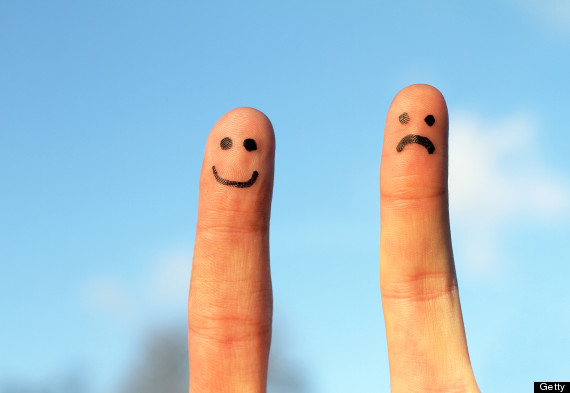
Desenvolver resiliência não se trata de otimismo cego. Em vez de focar apenas no lado positivo e afastar as emoções negativas, pessoas resilientes se permitem vivenciar o que estão sentindo em qualquer situação, seja ela boa ou ruim, de acordo com Barbara Fredrickson, autora do livro "Positividade".
“A pessoa resiliente não está mascarando as emoções negativas, mas sim permitindo que elas coexistam com outros sentimentos”, disse Fredrickson à Experience Life . “Então, ao mesmo tempo em que sente 'Estou triste com isso', também tende a pensar 'mas sou grato por isso'.”
Eles são otimistas de forma realista.
Um estudo recente da Universidade Nacional de Taiwan descobriu que adotar uma atitude de "otimismo realista", que combina a perspectiva positiva dos otimistas com o pensamento crítico dos pessimistas, pode aumentar a felicidade e a resiliência.
"Sempre que [os otimistas realistas] se deparam com um problema, um desafio ou uma dificuldade, eles não dizem 'Não tenho escolha e esta é a única coisa que posso fazer'", disse a pesquisadora Sophia Chou à LiveScience . "Eles serão criativos, terão um plano A, um plano B e um plano C."
Eles "rejeitam a rejeição".

A rejeição mina nossa autoestima e confiança, fazendo com que a queda seja ainda mais dolorosa a cada revés ou fracasso subsequente, disse Elaine Dundon, fundadora do grupo de inovação, em sua palestra TED sobre o assunto , acrescentando: "A rejeição também rouba nossa alegria".
Mas a rejeição é inevitável, e lidar com ela de forma eficaz é essencial para se tornar resiliente. Como afirma Alex Pattakos, blogueiro do HuffPost, escolher rejeitar a rejeição pode garantir que "você não se torne prisioneiro dos seus próprios pensamentos".
"É importante entender que cada pessoa está em um 'espaço' diferente e, em alguns casos, não importa o que você diga ou faça, sempre haverá rejeição a você ou às suas ideias", diz Pattakos , explicando que adotar essa mentalidade ajuda a não levar a rejeição para o lado pessoal.
Eles constroem sistemas de apoio sólidos.

Quando você sofre uma grande queda, é importante ter recursos para se reerguer, incluindo pessoas em quem se apoiar. Um estudo de 2007 descobriu que o apoio social pode, de fato, aumentar a resiliência ao estresse.
Eles reparam (e apreciam) as pequenas coisas positivas.
De acordo com Fredrickson , pessoas resilientes são boas em acessar sua "taxa de positividade". Isso significa que elas percebem e valorizam as pequenas alegrias e vitórias, o que as impede de sentir que "tudo" está dando errado. Sua pesquisa mostrou que uma proporção de três experiências positivas para uma negativa é ideal para desenvolver resiliência e aumentar a felicidade.
Eles buscam oportunidades de crescimento e aprendizado.

Pessoas resilientes buscam experiências de crescimento que fortaleçam a autoconfiança e as habilidades de tomada de decisão individual, o que lhes dá confiança em sua capacidade de se recuperar do fracasso.
"À medida que a sensação de competência aumenta, os indivíduos tornam-se mais capazes de responder eficazmente a situações desconhecidas ou desafiadoras e de perseverar perante fracassos e dificuldades", escrevem Kathleen M. Sutcliffe e Timothy J. Vogus em Organizing for Resilience.
Aqueles que dominam a arte da resiliência sabem que os contratempos e os desafios podem ser as nossas oportunidades de aprendizado mais valiosas. Algumas daspessoas mais bem-sucedidas do mundo foram demitidas de seus empregos e usaram essa experiência para aprender algo sobre si mesmas.
"Eu trabalhava para a Harper's Bazaar americana... e fui demitida",disse Anna Wintour certa vez . "Recomendo que todos vocês sejam demitidos, é uma ótima experiência de aprendizado."
Eles são infinitamente gratos.

Sabe-se que a gratidão melhora a saúde e o bem-estar , e aqueles que são gratos podem desfrutar de melhor saúde física e humor do que aqueles que se concentram em problemas e reclamações.
“Fiquei grata quando fui demitida”, explicou Sallie Krawcheck, ex-executiva de uma das mulheres mais poderosas de Wall Street, na conferência feminina do The Huffington Post, “A Terceira Métrica: Redefinindo o Sucesso Além do Dinheiro e do Poder”. “Eu pensei: 'Quantas pessoas têm a oportunidade de serem demitidas e isso virar notícia de primeira página no The Wall Street Journal?'”
Krawcheck afirma que a gratidão não só a ajudou a lidar com a demissão, como também a ajuda a manter o estresse do dia a dia na perspectiva correta.
"Como vou conseguir superar tudo isso?", disse Krawcheck. "Sou infinitamente grato."
COMMUNITY REFLECTIONS
SHARE YOUR REFLECTION
8 PAST RESPONSES
Agreed, this article is high in fluffy feel-good pap. It's the sort of thing that can be agreed to when a person is feeling pretty good, but if I were in the midst of a period of depression, I'd find most of this article useless, annoying and/or insulting.
Article has some good stuff, but misses some points:
1. Some "Depression" is a genetically-inherited (familial) brain imbalance issue. For that minority of people, telling them to Be Resilient is worse than useless, it's heartless.
2. Other "Depression" is the result of childhood "faulty programming" -- either neglect or abuse by people who should never, ever have been parents. Most people don't just "cheer up" and walk away from 18 or so years or horrendous "training." They need years of emotional AND spiritual work, to unravel the ways in which THEIR brains were (yes physically) mis-formed by worse than bad treatment. Even "normally" incompetent parenting (50%?) can do this to some extent. So, JUST "being resilient" for this larger minority is only ONE Of several necessary ingredients.
3. A third unnamed source of "Depression" is an actual, horrendous real-time loss (death of a beloved spouse, of a child, other Big Time loss). In this case the ONLY remedy for THAT kind of depression (which is actually GRIEF), is active, dive-right-in GRIEVING. For that I would offer: "suffering" (depression) is a passive refusal to face monumental loss, whereas "grieving" means continually hitting the pinata of one's grief with a loving stick.
It may be glib to notice a correlation between those who are "resilient" and/or have learned the profoundly powerful art of being Grateful -- and those who are not Depressed, but the three points above are sorely missing in the article -- but hopefully not in the professional repertoire of its psychologist-author.
[Hide Full Comment]You are a dipshit. Just because your resilient, doesnt mean that your not depressed.
Humans are very resilient & can survive with only water for up to 2 months,
according to a study that was performed on tv, by filling the stomach with bread.
Able to survive, within extreme conditions, however once the bodies core temperature reaches 40 degrees celcius, the body starts to shut down & organs begin to fail.
If we lose 2 litres of blood, the body dies but if a wound is able to be mended fast enough with enough bandages to stop the flow of blood & no vital organs are punctured, then there is a good chance for survival.
Some doctors refer to a persons recovery as a miracle because they generally
[Hide Full Comment]say that it is unknown to science, how a persons body was able to heal,
but it may be more closely related to not being aware of the extent of
the damage & the individuals reaction to medicane but it also bring
into question, cellular regeneration.
All of these things are a matter of resilience. It has nothing to do with depression however im
sure that an individual would be experiencing a greater extent of drepression because of it.
You are a dipshit. Just because your resilient, doesnt mean that your not depressed.
Humans
are very resilient & survive with only water for up to 2 months,
according to a study that was performed on tv, by filling the stomach
with bread.
Able to survive, within extreme conditions, however once the bodies core temperature reaches 40 degrees celcius, the body starts to shut down & organs begin to fail.
If we lose 2 litres of blood, the body dies but if a wound is able to be
mended fast enough with enough bandages to stop the flow of blood &
no vital organs are punctured, then there is a good chance for survival.
Some
[Hide Full Comment]doctors refer to a persons recovery as a miracle because they generally
say that it is unknown to science, how a persons body was able to heal,
but it may be more closely related to not being aware of the extent of
the damage & the individuals reaction to medicane but it also bring
into question, cellular regeneration.All of these things are a
matter of resilience. It has nothing to do with depression however im
sure that an individual would be experiencing a greater extent of
drepression because of it.
You are a dipshit. Just because your resilient, doesnt mean that your not depressed.
Humans
are very resilient & can survive with only water for up to 2 months,
according to a study that was performed on tv, by filling the stomach
with bread.
Able to survive, within extreme conditions, however once the bodies core temperature reaches 40 degrees celcius, the body starts to shut down & organs begin to fail.
If
we lose 2 litres of blood, the body dies but if a wound is able to be
mended fast enough with enough bandages to stop the flow of blood &
no vital organs are punctured, then there is a good chance for survival.
Some
[Hide Full Comment]doctors refer to a persons recovery as a miracle because they generally
say that it is unknown to science, how a persons body was able to heal,
but it may be more closely related to not being aware of the extent of
the damage & the individuals reaction to medicane but it also bring
into question, cellular regeneration.All of these things are a
matter of resilience. It has nothing to do with depression however im
sure that an individual would be experiencing a greater extent of
drepression because of it.
You are a dipshit. Just because your resilient, doesnt mean that your not depressed.
Humans are very resilient & survive with only water for up to 2 months, according to a study that was performed on tv, by filling the stomach with bread.
Able to survive, within extreme conditions, however once the bodies core temperature reaches 40 degrees celcius, the body starts to shut down & organs begin to fail.
If we lose 2 litres of blood, the body dies but if a wound is able to be mended fast enough with enough bandages to stop the flow of blood & no vital organs are punctured, then there is a good chance for survival.
[Hide Full Comment]Some doctors refer to a persons recovery as a miracle because they generally say that it is unknown to science, how a persons body was able to heal, but it may be more closely related to not being aware of the extent of the damage & the individuals reaction to medicane but it also bring into question, cellular regeneration.
All of these things are a matter of resilience. It has nothing to do with depression however im sure that an individual would be experiencing a greater extent of drepression because of it.
It's really inspiring!
Agreed! I liked the realistically optimist description! that's me to a "T" :) Gratitude and enjoying the little things goes a long long way in helping one remain resilient. thanks for another uplifting article! YOU keep Me resilient! HUG