
Одбијање је грубо, како год да га исечете. Али то је такође неизбежна животна чињеница, а наша способност да се носимо са неуспехом и одбацивањем утиче на то колико смо успешни и срећни.
Срећа није супротност депресије – отпорност јесте, каже психолог Петер Крамер . Замислите људе којима се највише дивите - многи од њих нису стигли тамо где јесу само пловећи кроз живот без негативних искустава или неуспеха. Већина њих се истакла својом способношћу да се одмах подигну сваки пут када падну, што је истина која се огледа у безброј инспиративних цитата о моћи истрајности (Речима Винстона Черчила, „важна је храброст да се настави.“).
Дакле, како се отпорни људи разликују од оних који постају парализовани сваким неуспехом и неуспехом?
Ево седам навика веома отпорних људи - и начина на које можете побољшати сопствену способност да се носите са изазовима.
Они у потпуности доживљавају и позитивне и негативне емоције.
Изградња отпорности није слепи оптимизам. Уместо да гледају само са ведрије стране и одбацују негативне емоције, отпорни људи дозвољавају себи да искусе оно што осећају у било којој ситуацији, било да је то добро или лоше, каже ауторка Позитивности Барбара Фредриксон.
„Издржљива особа не прикрива негативне емоције, већ их пушта да седе раме уз раме са другим осећањима“, рекао је Фредриксон за Екпериенце Лифе . „Дакле, у исто време осећају 'тужан сам због тога', такође су склони размишљању, 'али сам захвалан због овога'.
Они су реално оптимистични.
Недавна студија Тајванског националног универзитета показала је да усвајање става „реалистичког оптимизма“, који комбинује позитивну перспективу оптимиста са критичким мишљењем песимиста, може повећати срећу и отпорност.
„Сваки пут када се [реални оптимисти] суоче са проблемом, изазовом или проблемом, неће рећи 'Немам избора и ово је једино што могу да урадим'“, рекла је истраживач Софија Чоу за ЛивеСциенце . „Они ће бити креативни, имаће план А, план Б и план Ц.
Они „одбацују одбијање“.
Одбијање нарушава наше самопоштовање и самопоуздање, чинећи да падамо све теже са сваким следећим неуспехом или неуспехом, рекла је Елејн Дандон, оснивач групе за иновације, у свом ТЕД говору на ову тему , додајући: „Одбијање такође краде нашу радост.
Али одбацивање је неизбежно, а ефикасно суочавање са њим је од суштинског значаја да бисте постали отпорни. Како каже блогер ХуффПост Алекс Паттакос, одабир одбијања одбијања може осигурати да „нећете постати заробљеник сопствених мисли“.
„Важно је разумети да се свако налази у другом „простору“ и, у неким случајевима, без обзира шта кажете или урадите, увек ће одбацити вас или ваше идеје“, каже Патакос , објашњавајући да вам овакво размишљање помаже да одбијање не схватите лично.
Они граде јаке системе подршке.

Када вас тешко сруше, важно је да имате ресурсе који ће вам помоћи да се поново подигнете, што укључује људе на које се можете ослонити. Студија из 2007. показала је да социјална подршка заправо може повећати отпорност на стрес.
Они примећују (и цене) мале, позитивне ствари.
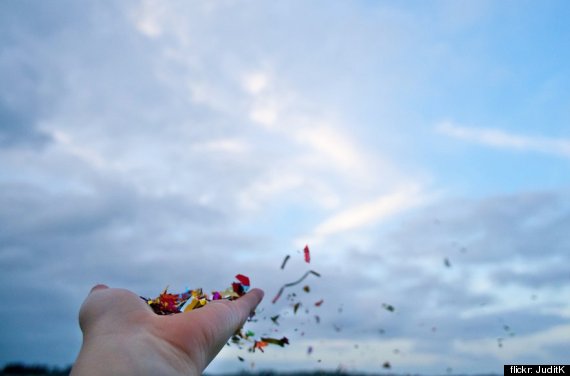
Отпорни људи су добри у искориштавању свог „односа позитивности“, према Фредрицксону . То значи да примећују и цене мале радости и победе - што их спречава да се осећају као да "све" иде наопако. Њено истраживање је показало да је однос позитивних и негативних искустава три према један идеалан за изградњу отпорности и повећање среће.
Они траже могућности за раст и учење.

Отпорни људи траже искуства раста која подстичу самопоуздање и индивидуалне вештине доношења одлука, што им даје поверење у њихову способност да се опораве од неуспеха.
„Како се осећај компетенције повећава, појединци су способнији да ефикасно реагују у непознатим или изазовним ситуацијама и истрају суочени са неуспесима и изазовима“, пишу Кетлин М. Сатклиф и Тимоти Џ. Вогус у Организинг фор Ресилиенце.
Они који су савладали уметност отпорности знају да застоји и изазови могу бити наше најмоћније прилике за учење. Неки однајуспешнијих људи на свету су отпуштени са посла и искористили су искуство да науче нешто о себи.
"Радила сам за амерички Харпер'с Базаар... Добила сам отказ",рекла је једном Ана Винтур . „Препоручујем да сви добијете отказ, то је одлично искуство за учење.
Они су бескрајно захвални.

Познато је да захвалност подстиче здравље и благостање - а они који су захвални могу уживати у бољем физичком здрављу и расположењу од оних који се фокусирају на проблеме и притужбе.
„Била сам захвална када сам добила отказ“, објаснила је Сели Крачек, некадашња једна од најмоћнијих директорки Волстрита, на женској конференцији Тхе Хуффингтон Поста, „Трећа метрика: Редефинисање успеха изван новца и моћи“. „Рекао сам 'Колико људи добије отказ, а то је на насловној страни Тхе Валл Стреет Јоурнал-а?'
Кравчек каже да јој захвалност не само да јој је помогла да се избори са отпуштањем, већ јој такође помаже да свакодневне животне стресове задржи у њиховој правој перспективи.
„Како да прођем кроз све то?“ рекао је Кравчек. "Бескрајно сам захвалан."
COMMUNITY REFLECTIONS
SHARE YOUR REFLECTION
8 PAST RESPONSES
Agreed, this article is high in fluffy feel-good pap. It's the sort of thing that can be agreed to when a person is feeling pretty good, but if I were in the midst of a period of depression, I'd find most of this article useless, annoying and/or insulting.
Article has some good stuff, but misses some points:
1. Some "Depression" is a genetically-inherited (familial) brain imbalance issue. For that minority of people, telling them to Be Resilient is worse than useless, it's heartless.
2. Other "Depression" is the result of childhood "faulty programming" -- either neglect or abuse by people who should never, ever have been parents. Most people don't just "cheer up" and walk away from 18 or so years or horrendous "training." They need years of emotional AND spiritual work, to unravel the ways in which THEIR brains were (yes physically) mis-formed by worse than bad treatment. Even "normally" incompetent parenting (50%?) can do this to some extent. So, JUST "being resilient" for this larger minority is only ONE Of several necessary ingredients.
3. A third unnamed source of "Depression" is an actual, horrendous real-time loss (death of a beloved spouse, of a child, other Big Time loss). In this case the ONLY remedy for THAT kind of depression (which is actually GRIEF), is active, dive-right-in GRIEVING. For that I would offer: "suffering" (depression) is a passive refusal to face monumental loss, whereas "grieving" means continually hitting the pinata of one's grief with a loving stick.
It may be glib to notice a correlation between those who are "resilient" and/or have learned the profoundly powerful art of being Grateful -- and those who are not Depressed, but the three points above are sorely missing in the article -- but hopefully not in the professional repertoire of its psychologist-author.
[Hide Full Comment]You are a dipshit. Just because your resilient, doesnt mean that your not depressed.
Humans are very resilient & can survive with only water for up to 2 months,
according to a study that was performed on tv, by filling the stomach with bread.
Able to survive, within extreme conditions, however once the bodies core temperature reaches 40 degrees celcius, the body starts to shut down & organs begin to fail.
If we lose 2 litres of blood, the body dies but if a wound is able to be mended fast enough with enough bandages to stop the flow of blood & no vital organs are punctured, then there is a good chance for survival.
Some doctors refer to a persons recovery as a miracle because they generally
[Hide Full Comment]say that it is unknown to science, how a persons body was able to heal,
but it may be more closely related to not being aware of the extent of
the damage & the individuals reaction to medicane but it also bring
into question, cellular regeneration.
All of these things are a matter of resilience. It has nothing to do with depression however im
sure that an individual would be experiencing a greater extent of drepression because of it.
You are a dipshit. Just because your resilient, doesnt mean that your not depressed.
Humans
are very resilient & survive with only water for up to 2 months,
according to a study that was performed on tv, by filling the stomach
with bread.
Able to survive, within extreme conditions, however once the bodies core temperature reaches 40 degrees celcius, the body starts to shut down & organs begin to fail.
If we lose 2 litres of blood, the body dies but if a wound is able to be
mended fast enough with enough bandages to stop the flow of blood &
no vital organs are punctured, then there is a good chance for survival.
Some
[Hide Full Comment]doctors refer to a persons recovery as a miracle because they generally
say that it is unknown to science, how a persons body was able to heal,
but it may be more closely related to not being aware of the extent of
the damage & the individuals reaction to medicane but it also bring
into question, cellular regeneration.All of these things are a
matter of resilience. It has nothing to do with depression however im
sure that an individual would be experiencing a greater extent of
drepression because of it.
You are a dipshit. Just because your resilient, doesnt mean that your not depressed.
Humans
are very resilient & can survive with only water for up to 2 months,
according to a study that was performed on tv, by filling the stomach
with bread.
Able to survive, within extreme conditions, however once the bodies core temperature reaches 40 degrees celcius, the body starts to shut down & organs begin to fail.
If
we lose 2 litres of blood, the body dies but if a wound is able to be
mended fast enough with enough bandages to stop the flow of blood &
no vital organs are punctured, then there is a good chance for survival.
Some
[Hide Full Comment]doctors refer to a persons recovery as a miracle because they generally
say that it is unknown to science, how a persons body was able to heal,
but it may be more closely related to not being aware of the extent of
the damage & the individuals reaction to medicane but it also bring
into question, cellular regeneration.All of these things are a
matter of resilience. It has nothing to do with depression however im
sure that an individual would be experiencing a greater extent of
drepression because of it.
You are a dipshit. Just because your resilient, doesnt mean that your not depressed.
Humans are very resilient & survive with only water for up to 2 months, according to a study that was performed on tv, by filling the stomach with bread.
Able to survive, within extreme conditions, however once the bodies core temperature reaches 40 degrees celcius, the body starts to shut down & organs begin to fail.
If we lose 2 litres of blood, the body dies but if a wound is able to be mended fast enough with enough bandages to stop the flow of blood & no vital organs are punctured, then there is a good chance for survival.
[Hide Full Comment]Some doctors refer to a persons recovery as a miracle because they generally say that it is unknown to science, how a persons body was able to heal, but it may be more closely related to not being aware of the extent of the damage & the individuals reaction to medicane but it also bring into question, cellular regeneration.
All of these things are a matter of resilience. It has nothing to do with depression however im sure that an individual would be experiencing a greater extent of drepression because of it.
It's really inspiring!
Agreed! I liked the realistically optimist description! that's me to a "T" :) Gratitude and enjoying the little things goes a long long way in helping one remain resilient. thanks for another uplifting article! YOU keep Me resilient! HUG