
Hvad nu hvis vi målte rigdom i form af liv, og hvor godt vi tjener den?
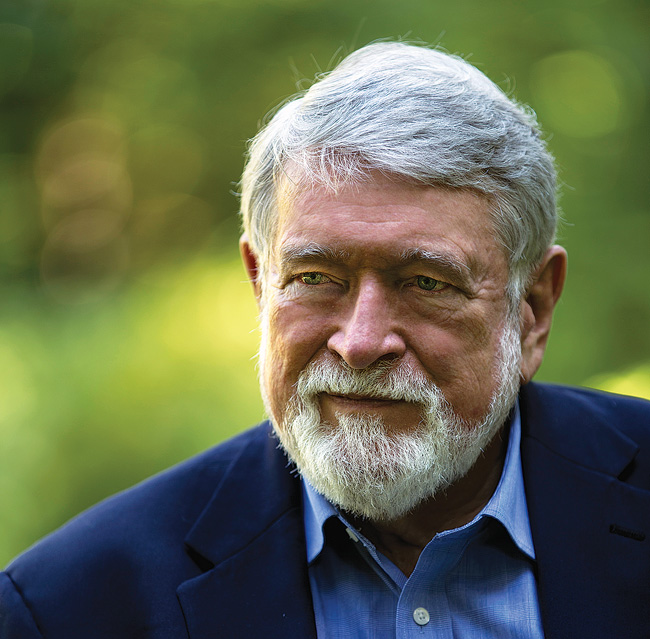
David Korten begyndte sit professionelle liv som professor ved Harvard Business School med en mission om at løfte kriseramte mennesker i tredjeverdenslande ud af fattigdom ved at dele hemmelighederne bag amerikansk forretningssucces. Men efter et par årtier, hvor han anvendte sine organisationsudviklingsstrategier på steder så fjerntliggende som Etiopien, Nicaragua og Filippinerne, gennemgik Korten en holdningsændring. I 1995 skrev han bestselleren " When Corporations Rule the World" , efterfulgt af en række bøger, der var med til at fødslen af bevægelsen kendt som den nye økonomi, en opfordring til at erstatte transnational virksomhedsdominans med lokale økonomier, kontrol, ejerskab og selvstændighed.
Denne måned udgiver Korten, der også er medstifter og bestyrelsesformand for YES!, en ny bog, der udfordrer læserne til at gentænke deres forhold til Jorden – ja, til hele skabelsen, fra den mindste kvantepartikel til hele universet. Verden har brug for "en ny historie," siger han. "Hvis de fleste arter, inklusive Homo sapiens, skal overleve, må vi anerkende Jorden som et levende væsen." Korten talte om sin igangværende metamorfose med YES! chefredaktør Dean Paton.
Dean Paton : Fortæl mig, hvordan en person, der var specialist i organisationsledelse og derefter en tankeleder inden for den nye økonomi, tog dette spring ind i, hvad der lige så meget er et spirituelt, som det er et politisk et – at Jorden er en levende organisme, at vi alle i bund og grund er en del af denne ene store livsform.
"Det vender tilbage til dette: Er vi en del af naturen? Eller adskilt fra naturen?"
David Korten : Det er faktisk ikke så svært – når man først er kommet ind i den levende Jords kontekst – at se, at Jorden i bund og grund er denne organisation af levende organismer, der skaber og opretholder de betingelser, der er essentielle for liv. Hvis man er en organisationsekspert eller teoretiker, rejser det et virkelig fascinerende spørgsmål: Hvordan arbejder disse millioner af organismer sammen for at opretholde liv?
Paton : Som om alting har en intelligens, og alting har et formål? Hvordan er det relevant for din nye bog, Change the Story, Change the Future?
Korten : Den nye bog opstiller en sammenstilling mellem den gamle historie om "Hellige penge og markeder" og en fremvoksende historie om "Helligt liv og en levende jord". Det er to helt forskellige rammer, der fører til to helt forskellige måder at tænke på at organisere samfundet på. Enten ser man livet som et middel til at tjene penge, eller også ser man penge som blot et tal, der er nyttigt til at føre regnskab i livets tjeneste, men uden værdi i sig selv. At tro på historien om "Hellige penge og markeder", at penge er rigdom og nøglen til lykke, binder os fast i kontraktlig trældom under virksomheders styre.
Paton : Du siger, at det er den traditionelle udviklingsmodel eller transnational kapitalisme, der skader Jorden som et levende samfund, der ikke kun omfatter mennesker, men alle livsformer. Alligevel er vi alle afhængige af penge, af markedsøkonomi. Tror du virkelig, at vi bare kan stoppe den afhængighed?
Korten : Vi vil stadig bruge penge og markeder, men fjerne Wall Streets kontrol over penges skabelse og allokering. Der var engang i USA, hvor de fleste af vores finansielle institutioner var lokale. Hvilket i bund og grund betød, at lokalsamfundene var i stand til at skabe deres egen kredit, eller deres egne penge, som svar på deres egne behov. Vi var stadig afhængige af banker, men det var en langt mere demokratisk proces.
Paton : Ligesom George Baileys bygning og lån i It's a Wonderful Life .
"Vi mennesker lever af historier."
Korten : Præcis. Hvis flere af vores penge cirkulerede i vores lokalsamfund i stedet for på Wall Street-kasinoet, ville det gøre det lettere for folk at organisere sig lokalt for at opfylde flere af deres økonomiske behov med lokale ressourcer. Kontrol over penge er den ultimative mekanisme for social kontrol i et samfund, hvor næsten alle mennesker er afhængige af penge til de basale levevilkår – mad, vand, husly, varme, transport, underholdning. Dette fører os ind i bevægelsen for frivillig enkelhed: Jo mindre jeg er afhængig af penge, jo friere er jeg. Indse, at økonomiens eneste legitime formål er at tjene livet, at tjene os som levende væsener, der tjener til livets ophold i et koproduktivt partnerskab med den levende Jord.
Paton : Hvordan omsættes det til handling? Hvis vi får tusind mennesker til at sige: "Jeg er et levende væsen født af og næret af en levende Jord", hvordan stopper det så fracking? Hvordan forhindrer det russerne i at pumpe al olien ud af Kasakhstan og sælge den over hele verden?
Korten : Det gør det meget klart, at det bogstaveligt talt er vanvittigt at ødelægge de naturlige levende systemer, som vores eksistens afhænger af, for at få en hurtig energiforsyning eller en hurtig profit.
Paton : Så hvis vi alle er levende væsener "født af en levende Jord", som du siger, hvor begynder det så at vise sig i vores liv?
Korten : En stor del af det handler om at erkende konsekvenserne af vores afhængighed af penge. Dette går tilbage til udvikling som en proces, der adskiller mennesker fra deres produktionsmidler. Jo mere mennesker fremmedgøres fra deres egenproduktion, jo mere afhængige bliver de af penge – og jo mere afhængige bliver de af de mennesker, der kontrollerer skabelsen og fordelingen af penge.
Paton : Du mener, at når jeg er afhængig, accepterer jeg fracking.
Korten : Ja, du siger: "Jeg har brug for de penge. De vil betale mig for at fracking min ejendom."
Paton : Tror du virkelig, at amerikanerne vil være i stand til at slippe af med troen på, at penge er konge?
Korten : Jeg vil sige, at mange mennesker dropper det.
Paton : De fleste af os reagerer på en 10-dollarseddel. Eller en bonus på arbejdet. Eller en ny bil.
Korten : Men vi reagerer på det, fordi vi accepterer historien om "Hellige Penge og Markeder" om, at penge er rigdom, en fabrikation, der bogstaveligt talt dræber os.
Paton : Så du siger, at vores valg står mellem at arbejde med Jorden og at arbejde imod hende?
Korten : Det vender tilbage til dette: Er vi en del af naturen? Eller adskilt fra naturen?
Paton : Hvorfor insisterer du på, at vi skal adoptere denne "levende Jord"-historie?
Korten : Fordi vi mennesker lever af historier.
Paton : Og det betyder…?
Korten : Det betyder, at for at organisere os som ordnede samfund, har vi brug for en fælles ramme – grundlæggende værdier og antagelser – så når jeg forholder mig til jer, har jeg en idé om, hvordan I vil reagere, fordi vi deler vores grundlæggende historie.
Paton : Har vi et valg?
Korten : Ja, forandre dig eller dø. Helt bogstaveligt. Man kan virkelig ikke fatte den nye historie – som samfund – og fortsætte med at leve, som vi lever. Først begynder man at bevæge sig mod mere frivillig enkelhed, hvilket bogstaveligt talt er at reducere sin afhængighed af penge. Man begynder at gøre flere ting selv. Man er meget mere opmærksom på sine relationer, på gaveøkonomien. Man får måske en dybere følelse af at være en del af og bidragyder til et levende univers, der udvikler sig mod stadig større kompleksitet, skønhed, bevidsthed og muligheder. Hvad ville det betyde for samfundet, og hvad betyder det så for, hvordan jeg lever? Hvad er mit bidrag til den forandring, samfundet har brug for? Jeg har et ansvar for at være en del af denne forandring – som begynder med at ændre historien.
COMMUNITY REFLECTIONS
SHARE YOUR REFLECTION
5 PAST RESPONSES
"Are we a part of nature? Or apart from nature?"
This good question mirrors larger ones, such as, Are we a part of the divine? Or apart from the divine? Is our planet earth a part of the divine? Or is planet earth apart from the divine? What actually happens to us, to our humanity, and to all of life on our planet home when we believe and act as if the divine presence of God is never really present in our midst, that we cannot ever see, hear, touch, and know God right here, in this moment on this earth? Are we reserving all our seeing, hearing, touching, and knowing God for some next life, for some heaven beyond this present life?
What if God is here? What if God is under our noses, present within our own being, distinctly and separately contained in the loving wisdoms of two unique genders, alive in all the various races, colors, and cultures of people, within sexual orientation and identity, walking by, and also flying past, swimming in rivers and oceans, present in plants and insects - all facets and different aspects of the Universal One?
We seem so convinced that the divine is "out there", distant and foreign, looking down upon us. What if heaven has been waiting for us to bring it to life, right here on earth?
What would heaven be like? Would heaven have a hierarchy of superior and inferior people, or people superior to creatures, birds, fish, insects, plants, forests, oceans, and waters; human beings dominating over life, enslaving, re-engineering, genetically-altering, chemically-poisoning, and monetarily profiting from commodifying, exploiting, abusing, destroying, and killing human life and all of creation, and our own human hearts and souls in the bargain?
When Albert Eisstein was asked, What is the most important question in life, his answer was, "Is the universe a friendly place or not?"
[Hide Full Comment]Chasing and competing (even unto death) for fleeting, dissolving, and false monetary wealth blinds and pits all human beings (wittingly or unwittingly) against one another, and against all of life, and also crushes respect, love, genuine and true affection along the way, in regard to others and all of creation but also for one's self. Are we "making a living", but just existing, and not truly living? Can we compete our way into heaven, disrespecting and commodifying human work populations and all of life? Can we save our planet earth home, and the best in our humanity by disregarding and disrespecting both, in favor of non-lasting monetary rewards that are disappearing as quickly as we claim them, while they take away and destroy our true and lasting common wealth in the natural world of earth, lead us to suppress ground-breaking knowledge in natural processes and life-sustaining innovation, and stand in the way and block our ability to form healthy, respectful, cooperative relationships with one another and with all of creation? Is our existence on this earth nothing more than just a place to compete and win while trampling over others, dominating everyone and all of life, destroying the best of our own humanity and all of creation?
Perhaps the first, and truly most important, question is,
"Is the earth a friendly place or not?"
And, what have we formed it to be?
It has been said by George Simmel, German Sociologist, that money is the purest form of a tool. Since the tool is man made I suggest accounting for inherent worth wherein all possess natural worth.
Another contribution to changing the story.
"We are surrounded by a sea of free energy. Nikola Tesla and Dr. Thomas Henry Moray tried to educate the public to this good and free electromagnetic energy (EM energy) over 80 years ago that can be harnessed with a simple, even homemade, omnidirectional antenna. EM energy is infinitely supplied by our good universe, and it creates zero emissions. All the Egyptian pyramids are antennas, and more modern pyramids within our midst. Solar panels can be redesigned to harness this electromagnetic energy and supply free, unlimited, and carbon-free electrical energy." Get on it. Investigate. The info is out there. We need to reclaim our planetary earth home, if humanity and all of creation deserve a chance at continuing into a future full of abundance, joy, peace, free and good, priceless love and life.
from frenergy
[Tapping into 200 volts positive of free, unlimited and unmetered pure electrical energy]
Thank you for this good and necessary interview with David Korten.
A contribution to changing the story -
The goal is self-sufficiency. We need life skills asap.
Our real needs are actually simple - food, clothing, shelter, and local community connections.
We can all contribute to a new earth by literally beginning to be more and more self-sufficient, learning how to grow, harvest, and preserve our own food at the individual and local community level, planting organic gmo-free gardens, encouraging and supporting the creation of small local organic farms, and farmdens ["a farmden is more than a garden and less than a farm", horticulturist, Lee Reich], local fruit and nut trees and orchards etc, and learning best practices for organic growing and preserving of non-gmo vegetables, fruits, and herbs. Schools and universities could be growing and teaching their students necessary life skills, how to grow and harvest organic, vegetables, herbs, and orchards on their own campuses. We are wasting, actually also polluting chemically, enormous swatches of dead zone land in maintaining pristine-looking lawns, but often poisoned with "cides" that are dangerous to esp. children but also adults, animals, bird, bat, insect life, fish, and local water sources (from the runoff into groundwater or local streams and creeks etc), rather than front, back, and side yards, and common community lands that are contributing to organic food self-sufficiency and engaged with the growing-of-life-itself process. We could also be composting all vegetal and organic plant waste and restoring depleted soils, rather than putting it into garbage disposals and sewers. We could be planting native plants and trees to encourage and contribute to the health and well being of all plant, animal, insect, bird, and fish populations at the individual and local level. And rooftop farms and gardens are one dynamic solution [eg. Brooklyn Grange] enabling city dwellers to also begin the process of becoming food self-sufficient local towns and cities.
We could also be de-constructing archaic and wasteful, unsustainable housing construction, reclaiming the materials, but also restoring the soils and lands, and building our own houses esp. with natural earth and cob-building processes [eg. First Earth movie], passive solar, thermal mass, sustainable energies, revolutionary biotecture techniques [Earthship Biotecture] for heating and cooling, trapping and using rainwater, and treating sewage on site w natural earth knowledge and processes, etc. Very little or no furniture and unspoiled home goods should be going into land fills. All of it, the vast majority could be recycled, redesigned, repainted, reupholstered and re-imagined into new life by local peoples with the know-how and vision to reclaim it. Raw materials could also find new and glorious uses [eg. Wallace Detroit Guitars - Upcycled Guitars Made From Abandoned Homes]. Old doors and windows could be made into garden greenhouses and conservatories "to extend the growing season, and as a shelter for chickens and/ or quail" [from Off Grid World].
I am one generation away from grandparents who did know how to grow and preserve their own food, who had cold cellars on their properties, who knew how to design and sew their own clothes, and build their own houses, and they did it all at the local level. By building and supporting local community and local businesses, local banking or public local banks, we are creating real wealth in self-sufficient and self-sustainable lives, enjoying life and real living, sharing in the joy and abundance of growing and harvesting, and engaged with our neighbors, neighborhoods, and local community. We could become local towns and communities of handbikers, bike trails and bike lanes like Amsterdam in the Netherlands. We could ensure our community has, at least, one dynamic and exciting, welcoming and beautiful public square with native plants and trees etc. where people can gather to talk, engage, sit, stroll, enjoy an ice cream cone, watch and support local street performers entertain, maybe have local-truck businesses that visit, come and go, etc. on Friday night and Saturday like they do in Tuscan Italian towns.
A few decades ago while working together at a community bank, I worked with a co-worker and friend whose mother lived in Greece, and her Greek mother would come every summer to visit her daughter. The two of them would roam the stores looking at clothes they admired. Then, the Greek mother (actually a grandmother) would make the dress, skirt etc patterns herself, and sew the clothes that her daughter, my friend, had admired. Watching the two of them every summer, was ... almost miraculous. That elderly and sophisticated Greek grandmother had true life skills; she was self-sufficient, and it was marvelous. The clothes she sewed for herself and her daughter were absolutely fabulous; they both had THE most gorgeous and unique wardrobes, and it was all created with loving hands and overflowing generosity of heart.
Imagine if we were all so engaged in living, having a wealth of life skills at our fingertips,
[Hide Full Comment]what kind of loving and life-enhancing new earth we could be living, and bring forth?
This "Living Earth' story need to be heard by more people around the world. We are living in a world controlled by greedy big banks and big businesses whose only aim is the big profit! And the rest of the world is mindlessly succumbing to their mantra of materialism - consume, consume AND consume! Lets rethink at individual levels about our way of life and make a concerted effort to resist materialism and go back to a simplistic way of living, caring for the living earth, caring for your families and future generations, caring for the communities we live in.