
Mis siis, kui mõõdaksime rikkust elu järgi ja kui hästi me seda teenime?
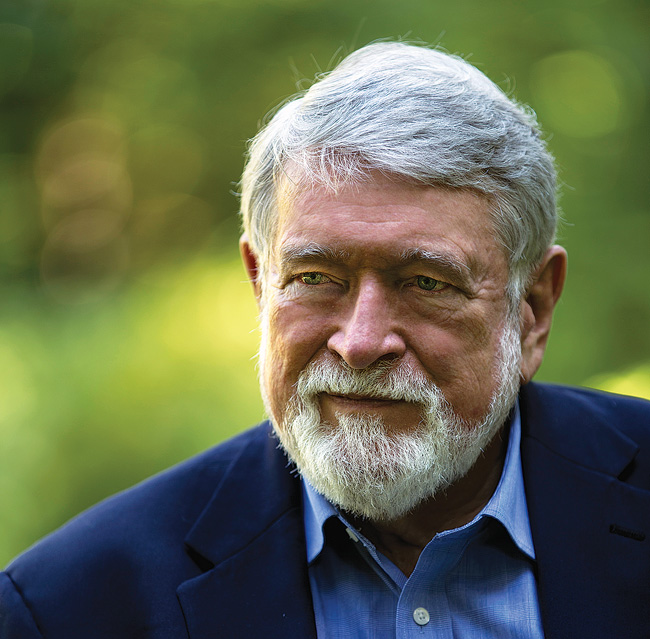
David Korten alustas oma karjääri Harvardi Ärikooli professorina, mille missiooniks oli aidata Kolmanda Maailma riikide hädas olevaid inimesi vaesusest välja, jagades nendega USA äriedu saladusi. Pärast paari aastakümmet, mil ta oli rakendanud oma organisatsioonilise arendamise strateegiaid nii kaugetes paikades nagu Etioopia, Nicaragua ja Filipiinid, muutis Korten oma meelt. 1995. aastal kirjutas ta bestselleri „ Kui korporatsioonid valitsevad maailma“ , millele järgnes raamatusari, mis aitas kaasa liikumisele, mida tuntakse uue majanduse nime all – üleskutse asendada rahvusvaheline korporatsioonide domineerimine kohaliku majanduse, kontrolli, omandiõiguse ja iseseisvusega.
Sel kuul avaldab Korten, kes on ka YES! kaasasutaja ja juhatuse esimees, uue raamatu, mis kutsub lugejaid üles ümber mõtlema oma suhtele Maaga – tegelikult kogu looduga, alates väikseimast kvantosakesest kuni terve universumini. Maailm vajab „uut lugu“, ütleb ta. „Kui enamik liike, sealhulgas Homo sapiens, tahavad ellu jääda, peame tunnistama Maad elusolendina.“ Korten rääkis oma käimasolevast metamorfoosist YES! tegevtoimetaja Dean Patoniga.
Dean Paton : Räägi mulle, kuidas keegi, kes oli organisatsioonijuhtimise spetsialist ja seejärel uue majanduse mõtteliider, tegi selle hüppe sama palju vaimse kui poliitilise väite juurde – et Maa on elav organism, et me kõik oleme sisuliselt osa sellest ühest suurest eluvormist.
„See tuleb tagasi selle juurde: kas me oleme osa loodusest? Või oleme loodusest eraldi?“
David Korten : Tegelikult pole nii raske – kui juba elava Maa konteksti süveneda – mõista, et Maa on sisuliselt elusorganismide organisatsioon, mis loob ja säilitab eluks vajalikke tingimusi. Kui oled organisatsiooniekspert või teoreetik, tekitab see tõeliselt põneva küsimuse: kuidas need miljonid organismid elu säilitamiseks kooskõlastatult töötavad?
Paton : Justkui kõigel oleks intelligentsus ja eesmärk? Kuidas see seostub teie uue raamatuga „ Muuda lugu, muuda tulevikku“?
Korten : Uus raamat seab vastandusse vana loo „Püha raha ja turud“ ning esilekerkiva loo „Püha elu ja elav maa“. Need on kaks täiesti erinevat raamistikku, mis viivad kahe täiesti erineva mõtteviisini ühiskonna korraldamise kohta. Elu on kas vahend raha teenimiseks või raha on lihtsalt number, mis on kasulik elu teenimiseks vajalike kontode pidamiseks, kuid millel pole iseenesest mingit väärtust. „Püha raha ja turgude“ loo uskumine, et raha on rikkus ja õnne võti, lukustab meid korporatiivse võimu orjusse.
Paton : Te väidate, et just traditsiooniline arengumudel ehk rahvusvaheline kapitalism kahjustab Maad kui elavat kogukonda, mis hõlmab mitte ainult inimesi, vaid kõiki eluvorme. Ometi sõltume me kõik rahast, turumajandusest. Kas te tõesti arvate, et me saame selle sõltuvuse lihtsalt lõpetada?
Korten : Me kasutame endiselt raha ja turge, aga võtame Wall Streetilt ära kontrolli raha loomise ja jaotamise üle. Ameerika Ühendriikides oli aeg, mil enamik meie finantsinstitutsioone olid kohalikud. See tähendas sisuliselt seda, et kohalikud kogukonnad said luua oma krediiti või oma raha vastavalt oma vajadustele. Me sõltusime endiselt pankadest, aga see oli palju demokraatlikum protsess.
Paton : Nagu George Bailey ehitamine ja laen filmis „See on imeline elu“ .
"Meie, inimesed, elame lugude järgi."
Korten : Täpselt. Kui suurem osa meie rahast ringleks meie kogukondades, mitte Wall Streeti kasiinos, hõlbustaks see inimestel organiseerumist kohapeal, et rahuldada oma majanduslikke vajadusi rohkem kohalike ressurssidega. Raha kontroll on ühiskonnas, kus peaaegu iga inimene sõltub rahast põhiliste elatusvahendite – toidu, vee, peavarju, kütte, transpordi, meelelahutuse – saamiseks, raha üle kontrollimise ülim mehhanism. See viib meid vabatahtliku lihtsuse liikumiseni: mida vähem ma olen rahast sõltuv, seda vabam ma olen. Mõistke, et majanduse ainus õigustatud eesmärk on teenida elu, teenida meid elusolenditena, kes teenivad oma elatist koostootlikus partnerluses elava Maaga.
Paton : Kuidas see tegudeks muutub? Kui me paneme tuhande inimese ütlema: „Ma olen elav olend, kes on sündinud elavast Maast ja keda see kasvatab,“ siis kuidas see peatab hüdrofrakkimise? Kuidas see takistab venelastel kogu naftat Kasahstanist välja pumpamast ja seda üle maailma müümast?
Korten : See teeb väga selgeks, et looduslike elusüsteemide hävitamine, millest meie eksistents sõltub, kiire energiavajaduse või kiire kasumi saamiseks on sõna otseses mõttes hullumeelne.
Paton : Seega, kui me kõik oleme elusolendid, kes on „sündinud elavast Maalt”, nagu te ütlete, siis kust see meie elus hakkab ilmnema?
Korten : Suur osa sellest on seotud meie rahast sõltuvuse tagajärgede äratundmisega. See ulatub tagasi arenguni kui protsessini, mis eraldab inimesi nende elatusvahendite tootmisest. Mida enam inimesed võõranduvad omaenda tootmisest, seda enam muutuvad nad rahast sõltuvaks – ja seda enam muutuvad nad sõltuvaks inimestest, kes kontrollivad raha loomist ja jaotamist.
Paton : Sa mõtled, et kui ma olen sõltuv, siis ma lepin hüdrofrakkimisega.
Korten : Jah, sa ütled: „Mul on seda raha vaja. Nad maksavad mulle selle eest, et ma mu vara purustaksin.“
Paton : Kas te tõesti arvate, et ameeriklased suudavad vabaneda usust, et raha on kuningas?
Korten : Ma ütleksin, et paljud inimesed lükkavad selle tagasi.
Paton : Enamik meist reageerib 10-dollarisele rahatähele. Või boonusele tööl. Või uuele autole.
Korten : Aga me reageerime sellele, sest me aktsepteerime „Püha raha ja turgude“ lugu, et raha on rikkus – väljamõeldis, mis meid sõna otseses mõttes tapab.
Paton : Seega ütlete, et meie valik on Maaga koostöö ja tema vastu töötamise vahel?
Korten : See tuleb tagasi selle juurde: kas me oleme osa loodusest? Või oleme loodusest eraldi?
Paton : Miks te nõuate, et me selle „Elava Maa” loo omaks võtaksime?
Korten : Sest meie, inimesed, elame lugude järgi.
Paton : Ja see tähendab…?
Korten : See tähendab, et korrastatud ühiskondadena organiseerumiseks vajame ühist raamistikku – põhiväärtusi ja eeldusi –, et kui ma teiega suhtlen, oleks mul mingi ettekujutus sellest, kuidas te reageerite, sest meil on ühine põhilugu.
Paton : Kas meil on valikut?
Korten : Jah, muutu või sure. Täiesti sõna otseses mõttes. Te ei saa ühiskonnana uut lugu haarata ja samal ajal edasi elada nii, nagu meie elame. Esmalt hakkate liikuma vabatahtlikuma lihtsuse poole, mis tähendab sõna otseses mõttes oma sõltuvuse vähendamist rahast. Hakkate ise rohkem asju tegema. Pöörate palju rohkem tähelepanu oma suhetele, kingituste majandusele. Võib-olla saate sügavama tunde, et olete osa ja panustate elavasse universumisse, mis areneb üha suurema keerukuse, ilu, teadlikkuse ja võimaluste poole. Mida see ühiskonna jaoks tähendaks ja mida see tähendab minu eluviisi jaoks? Milline on minu panus ühiskonda vajalikesse muutustesse? Mul on kohustus olla osa sellest muutusest – mis algab loo muutmisest.
COMMUNITY REFLECTIONS
SHARE YOUR REFLECTION
5 PAST RESPONSES
"Are we a part of nature? Or apart from nature?"
This good question mirrors larger ones, such as, Are we a part of the divine? Or apart from the divine? Is our planet earth a part of the divine? Or is planet earth apart from the divine? What actually happens to us, to our humanity, and to all of life on our planet home when we believe and act as if the divine presence of God is never really present in our midst, that we cannot ever see, hear, touch, and know God right here, in this moment on this earth? Are we reserving all our seeing, hearing, touching, and knowing God for some next life, for some heaven beyond this present life?
What if God is here? What if God is under our noses, present within our own being, distinctly and separately contained in the loving wisdoms of two unique genders, alive in all the various races, colors, and cultures of people, within sexual orientation and identity, walking by, and also flying past, swimming in rivers and oceans, present in plants and insects - all facets and different aspects of the Universal One?
We seem so convinced that the divine is "out there", distant and foreign, looking down upon us. What if heaven has been waiting for us to bring it to life, right here on earth?
What would heaven be like? Would heaven have a hierarchy of superior and inferior people, or people superior to creatures, birds, fish, insects, plants, forests, oceans, and waters; human beings dominating over life, enslaving, re-engineering, genetically-altering, chemically-poisoning, and monetarily profiting from commodifying, exploiting, abusing, destroying, and killing human life and all of creation, and our own human hearts and souls in the bargain?
When Albert Eisstein was asked, What is the most important question in life, his answer was, "Is the universe a friendly place or not?"
[Hide Full Comment]Chasing and competing (even unto death) for fleeting, dissolving, and false monetary wealth blinds and pits all human beings (wittingly or unwittingly) against one another, and against all of life, and also crushes respect, love, genuine and true affection along the way, in regard to others and all of creation but also for one's self. Are we "making a living", but just existing, and not truly living? Can we compete our way into heaven, disrespecting and commodifying human work populations and all of life? Can we save our planet earth home, and the best in our humanity by disregarding and disrespecting both, in favor of non-lasting monetary rewards that are disappearing as quickly as we claim them, while they take away and destroy our true and lasting common wealth in the natural world of earth, lead us to suppress ground-breaking knowledge in natural processes and life-sustaining innovation, and stand in the way and block our ability to form healthy, respectful, cooperative relationships with one another and with all of creation? Is our existence on this earth nothing more than just a place to compete and win while trampling over others, dominating everyone and all of life, destroying the best of our own humanity and all of creation?
Perhaps the first, and truly most important, question is,
"Is the earth a friendly place or not?"
And, what have we formed it to be?
It has been said by George Simmel, German Sociologist, that money is the purest form of a tool. Since the tool is man made I suggest accounting for inherent worth wherein all possess natural worth.
Another contribution to changing the story.
"We are surrounded by a sea of free energy. Nikola Tesla and Dr. Thomas Henry Moray tried to educate the public to this good and free electromagnetic energy (EM energy) over 80 years ago that can be harnessed with a simple, even homemade, omnidirectional antenna. EM energy is infinitely supplied by our good universe, and it creates zero emissions. All the Egyptian pyramids are antennas, and more modern pyramids within our midst. Solar panels can be redesigned to harness this electromagnetic energy and supply free, unlimited, and carbon-free electrical energy." Get on it. Investigate. The info is out there. We need to reclaim our planetary earth home, if humanity and all of creation deserve a chance at continuing into a future full of abundance, joy, peace, free and good, priceless love and life.
from frenergy
[Tapping into 200 volts positive of free, unlimited and unmetered pure electrical energy]
Thank you for this good and necessary interview with David Korten.
A contribution to changing the story -
The goal is self-sufficiency. We need life skills asap.
Our real needs are actually simple - food, clothing, shelter, and local community connections.
We can all contribute to a new earth by literally beginning to be more and more self-sufficient, learning how to grow, harvest, and preserve our own food at the individual and local community level, planting organic gmo-free gardens, encouraging and supporting the creation of small local organic farms, and farmdens ["a farmden is more than a garden and less than a farm", horticulturist, Lee Reich], local fruit and nut trees and orchards etc, and learning best practices for organic growing and preserving of non-gmo vegetables, fruits, and herbs. Schools and universities could be growing and teaching their students necessary life skills, how to grow and harvest organic, vegetables, herbs, and orchards on their own campuses. We are wasting, actually also polluting chemically, enormous swatches of dead zone land in maintaining pristine-looking lawns, but often poisoned with "cides" that are dangerous to esp. children but also adults, animals, bird, bat, insect life, fish, and local water sources (from the runoff into groundwater or local streams and creeks etc), rather than front, back, and side yards, and common community lands that are contributing to organic food self-sufficiency and engaged with the growing-of-life-itself process. We could also be composting all vegetal and organic plant waste and restoring depleted soils, rather than putting it into garbage disposals and sewers. We could be planting native plants and trees to encourage and contribute to the health and well being of all plant, animal, insect, bird, and fish populations at the individual and local level. And rooftop farms and gardens are one dynamic solution [eg. Brooklyn Grange] enabling city dwellers to also begin the process of becoming food self-sufficient local towns and cities.
We could also be de-constructing archaic and wasteful, unsustainable housing construction, reclaiming the materials, but also restoring the soils and lands, and building our own houses esp. with natural earth and cob-building processes [eg. First Earth movie], passive solar, thermal mass, sustainable energies, revolutionary biotecture techniques [Earthship Biotecture] for heating and cooling, trapping and using rainwater, and treating sewage on site w natural earth knowledge and processes, etc. Very little or no furniture and unspoiled home goods should be going into land fills. All of it, the vast majority could be recycled, redesigned, repainted, reupholstered and re-imagined into new life by local peoples with the know-how and vision to reclaim it. Raw materials could also find new and glorious uses [eg. Wallace Detroit Guitars - Upcycled Guitars Made From Abandoned Homes]. Old doors and windows could be made into garden greenhouses and conservatories "to extend the growing season, and as a shelter for chickens and/ or quail" [from Off Grid World].
I am one generation away from grandparents who did know how to grow and preserve their own food, who had cold cellars on their properties, who knew how to design and sew their own clothes, and build their own houses, and they did it all at the local level. By building and supporting local community and local businesses, local banking or public local banks, we are creating real wealth in self-sufficient and self-sustainable lives, enjoying life and real living, sharing in the joy and abundance of growing and harvesting, and engaged with our neighbors, neighborhoods, and local community. We could become local towns and communities of handbikers, bike trails and bike lanes like Amsterdam in the Netherlands. We could ensure our community has, at least, one dynamic and exciting, welcoming and beautiful public square with native plants and trees etc. where people can gather to talk, engage, sit, stroll, enjoy an ice cream cone, watch and support local street performers entertain, maybe have local-truck businesses that visit, come and go, etc. on Friday night and Saturday like they do in Tuscan Italian towns.
A few decades ago while working together at a community bank, I worked with a co-worker and friend whose mother lived in Greece, and her Greek mother would come every summer to visit her daughter. The two of them would roam the stores looking at clothes they admired. Then, the Greek mother (actually a grandmother) would make the dress, skirt etc patterns herself, and sew the clothes that her daughter, my friend, had admired. Watching the two of them every summer, was ... almost miraculous. That elderly and sophisticated Greek grandmother had true life skills; she was self-sufficient, and it was marvelous. The clothes she sewed for herself and her daughter were absolutely fabulous; they both had THE most gorgeous and unique wardrobes, and it was all created with loving hands and overflowing generosity of heart.
Imagine if we were all so engaged in living, having a wealth of life skills at our fingertips,
[Hide Full Comment]what kind of loving and life-enhancing new earth we could be living, and bring forth?
This "Living Earth' story need to be heard by more people around the world. We are living in a world controlled by greedy big banks and big businesses whose only aim is the big profit! And the rest of the world is mindlessly succumbing to their mantra of materialism - consume, consume AND consume! Lets rethink at individual levels about our way of life and make a concerted effort to resist materialism and go back to a simplistic way of living, caring for the living earth, caring for your families and future generations, caring for the communities we live in.