
Ko darīt, ja mēs mērītu bagātību dzīves izteiksmē un cik labi mēs tai kalpojam?
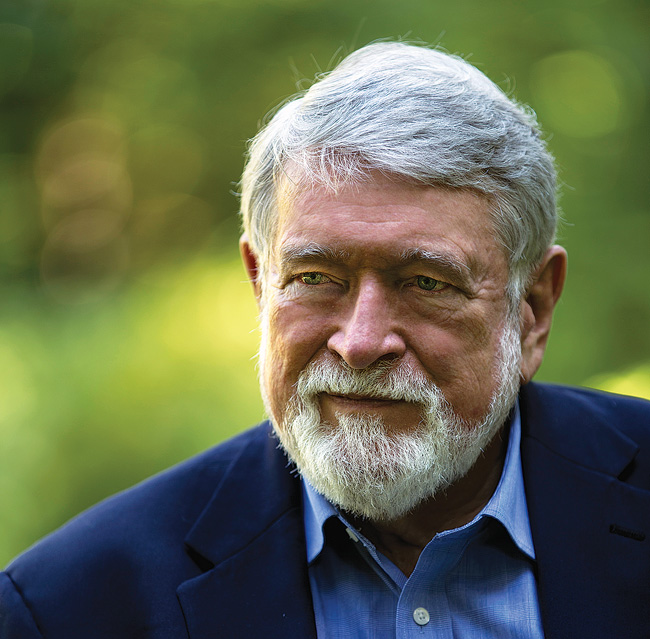
Deivids Kortens savu profesionālo karjeru sāka kā profesors Hārvardas Biznesa skolā ar misiju palīdzēt trešās pasaules valstu iedzīvotājiem izkļūt no nabadzības, daloties ASV biznesa panākumu noslēpumos. Tomēr pēc pāris desmitgadēm, kurās viņš pielietoja savas organizācijas attīstības stratēģijas tik tālās vietās kā Etiopija, Nikaragva un Filipīnas, Kortens mainīja savu viedokli. 1995. gadā viņš uzrakstīja bestselleru " Kad korporācijas valda pār pasauli" , kam sekoja virkne grāmatu, kas palīdzēja radīt kustību, kas pazīstama kā Jaunā ekonomika, aicinājumu aizstāt transnacionālu korporatīvo dominanci ar vietējo ekonomiku, kontroli, īpašumtiesībām un pašpaļāvību.
Šomēnes Kortens, kurš ir arī žurnāla “YES!” līdzdibinātājs un valdes priekšsēdētājs, publicē jaunu grāmatu, aicinot lasītājus pārdomāt savas attiecības ar Zemi — patiesībā ar visu radību, sākot no mazākās kvantu daļiņas līdz visam Visumam. Viņš saka, ka pasaulei ir nepieciešams “jauns stāsts”. “Lai izdzīvotu lielākā daļa sugu, tostarp Homo sapiens, mums ir jāatzīst Zeme kā dzīva būtne.” Kortens runāja par savu notiekošo metamorfozi ar žurnāla “YES!” izpildredaktoru Dīnu Patonu.
Dīns Patons : Pastāstiet man, kā kāds, kurš bija organizāciju vadības speciālists un pēc tam jaunās ekonomikas domu līderis, veica šo lēcienu pie apgalvojuma, kas ir tikpat garīgs, cik politisks – ka Zeme ir dzīvs organisms, ka mēs visi būtībā esam daļa no šīs vienas lielas dzīvības formas.
"Tas atgriežas pie šī: vai mēs esam daļa no dabas? Vai atsevišķi no dabas?"
Deivids Kortens : Patiesībā nav tik grūti — tiklīdz nonākam dzīvās Zemes kontekstā — saprast, ka Zeme būtībā ir dzīvo organismu organizācija, kas rada un uztur dzīvībai nepieciešamos apstākļus. Ja esam organizāciju eksperti vai teorētiķi, rodas patiešām aizraujošs jautājums: kā šie miljoniem organismu darbojas saskaņoti, lai uzturētu dzīvību?
Patons : It kā visam būtu savs saprāts un mērķis? Kā tas ir saistīts ar jūsu jauno grāmatu “ Maini stāstu, maini nākotni”?
Kortens : Jaunā grāmata pretstata veco stāstu “Svētā nauda un tirgi” un topošo stāstu “Svētā dzīve un dzīvā Zeme”. Tie ir divi pilnīgi atšķirīgi ietvari, kas noved pie diviem pilnīgi atšķirīgiem domāšanas veidiem par sabiedrības organizēšanu. Dzīvi uztverat vai nu kā līdzekli naudas pelnīšanai, vai arī kā naudu vienkārši kā skaitli, kas noderīgs kontu kārtošanai dzīves labā, bet pats par sevi bez vērtības. Piekrītot stāstam “Svētā nauda un tirgi”, ka nauda ir bagātība un laimes atslēga, mēs esam ieslodzīti korporatīvās varas pakļautībā.
Patons : Jūs sakāt, ka tieši tradicionālais attīstības modelis jeb transnacionālais kapitālisms kaitē Zemei kā dzīvai kopienai, kurā ietilpst ne tikai cilvēki, bet visas dzīvības formas. Tomēr mēs visi esam atkarīgi no naudas, no tirgus ekonomikas. Vai jūs tiešām domājat, ka mēs varam vienkārši apturēt šo atkarību?
Kortens : Mēs joprojām izmantosim naudu un tirgus, bet atņemsim Volstrītas kontroli pār naudas radīšanu un sadali. Amerikas Savienotajās Valstīs bija laiks, kad lielākā daļa mūsu finanšu iestāžu bija vietējās. Tas būtībā nozīmēja, ka vietējās kopienas varēja pašas radīt kredītus jeb savu naudu, reaģējot uz savām vajadzībām. Mēs joprojām bijām atkarīgi no bankām, taču tas bija daudz demokrātiskāks process.
Patons : Tāpat kā Džordža Beilija ēka un aizdevums romānā “Tā ir brīnišķīga dzīve” .
"Mēs, cilvēki, dzīvojam pēc stāstiem."
Kortens : Tieši tā. Ja vairāk mūsu naudas cirkulētu mūsu kopienās, nevis Volstrītas kazino, tas veicinātu cilvēku organizēšanos lokāli, lai vairāk apmierinātu savas ekonomiskās vajadzības, izmantojot vietējos resursus. Naudas kontrole ir galvenais sociālās kontroles mehānisms sabiedrībā, kurā gandrīz katrs cilvēks ir atkarīgs no naudas, lai nodrošinātu pamata iztikas līdzekļus — pārtiku, ūdeni, pajumti, siltumu, transportu, izklaidi. Tas mūs noved pie brīvprātīgās vienkāršības kustības: jo mazāk esmu atkarīgs no naudas, jo brīvāks esmu. Apzinieties, ka vienīgais ekonomikas leģitīmais mērķis ir kalpot dzīvībai, kalpot mums kā dzīvām būtnēm, kas veido savu iztiku produktīvā partnerībā ar dzīvo Zemi.
Patons : Kā tas izpaužas darbos? Ja mēs panākam, ka tūkstoš cilvēku saka: "Esmu dzīva būtne, kas dzimusi un ko baro dzīva Zeme," kā tas var apturēt hidraulisko plaisāšanu? Kā tas var apturēt krievus no visas naftas izsūknēšanas no Kazahstānas un pārdošanas visā pasaulē?
Kortens : Tas ļoti skaidri parāda, ka dabisko dzīvo sistēmu, no kurām ir atkarīga mūsu eksistence, iznīcināšana, lai ātri iegūtu enerģiju vai peļņu, ir burtiski neprātīga.
Patons : Tātad, ja mēs visi esam dzīvas būtnes, “dzimušas no dzīvas Zemes”, kā jūs sakāt, kur tas sāk parādīties mūsu dzīvē?
Kortens : Liela daļa no tā ir saistīta ar mūsu atkarības no naudas seku atzīšanu. Tas atgriežas pie attīstības kā procesa, kurā cilvēki tiek atdalīti no viņu iztikas ražošanas līdzekļiem. Jo vairāk cilvēki atsvešinās no savas pašražošanas, jo vairāk viņi kļūst atkarīgi no naudas — un jo vairāk viņi kļūst atkarīgi no cilvēkiem, kas kontrolē naudas radīšanu un sadali.
Patons : Tu domā, ka tad, kad esmu atkarīgs, es pieņemu hidraulisko plaisāšanu.
Kortens : Jā, jūs sakāt: “Man vajag šo naudu. Viņi man maksās par mana īpašuma sadalīšanu hidrauliskajā sistēmā.”
Patons : Vai jūs tiešām domājat, ka amerikāņi spēs atbrīvoties no pārliecības, ka nauda ir karalis?
Kortens : Es teiktu, ka daudzi cilvēki to atmet.
Patons : Lielākā daļa no mums reaģē uz 10 dolāru banknoti. Vai prēmiju darbā. Vai jaunu automašīnu.
Kortens : Bet mēs uz to reaģējam, jo pieņemam stāstu par “Svēto naudu un tirgiem”, ka nauda ir bagātība, izdomājumu, kas mūs burtiski nogalina.
Patons : Tātad jūs sakāt, ka mūsu izvēle ir starp sadarbību ar Zemi un sadarbību pret to?
Kortens : Tas atgriežas pie šī: vai mēs esam daļa no dabas? Vai atsevišķi no dabas?
Patons : Kāpēc jūs uzstājat, ka mums ir jāpieņem šis "Dzīvās Zemes" stāsts?
Kortens : Jo mēs, cilvēki, dzīvojam pēc stāstiem.
Patons : Un tas nozīmē…?
Kortens : Tas nozīmē, ka, lai organizētos kā sakārtotas sabiedrības, mums ir nepieciešams kopīgs ietvars — pamatvērtības un pieņēmumi —, lai, kad es ar jums komunicēju, man būtu kaut kāds priekšstats par to, kā jūs reaģēsiet, jo mums ir kopīgs pamatstāsts.
Patons : Vai mums ir izvēle?
Kortens : Jā, mainies vai mirsti. Pilnīgi burtiski. Tu tiešām nevari aptvert jauno stāstu – kā sabiedrība – un turpināt dzīvot tā, kā dzīvojam mēs. Vispirms tu sāc virzīties uz brīvprātīgāku vienkāršību, kas burtiski nozīmē samazināt savu atkarību no naudas. Tu sāc darīt vairāk lietu pats. Tu pievērš daudz lielāku uzmanību savām attiecībām, dāvanu ekonomikai. Tu, iespējams, iegūsti dziļāku izpratni par to, ka esi daļa no dzīvā Visuma un sniedz tam ieguldījumu, kas attīstās arvien lielākas sarežģītības, skaistuma, apziņas un iespēju virzienā. Ko tas nozīmētu sabiedrībai un ko tas nozīmē manam dzīvesveidam? Kāds ir mans ieguldījums pārmaiņās, kas sabiedrībai nepieciešamas? Man ir pienākums būt daļai no šīm pārmaiņām, kas sākas ar stāsta mainīšanu.
COMMUNITY REFLECTIONS
SHARE YOUR REFLECTION
5 PAST RESPONSES
"Are we a part of nature? Or apart from nature?"
This good question mirrors larger ones, such as, Are we a part of the divine? Or apart from the divine? Is our planet earth a part of the divine? Or is planet earth apart from the divine? What actually happens to us, to our humanity, and to all of life on our planet home when we believe and act as if the divine presence of God is never really present in our midst, that we cannot ever see, hear, touch, and know God right here, in this moment on this earth? Are we reserving all our seeing, hearing, touching, and knowing God for some next life, for some heaven beyond this present life?
What if God is here? What if God is under our noses, present within our own being, distinctly and separately contained in the loving wisdoms of two unique genders, alive in all the various races, colors, and cultures of people, within sexual orientation and identity, walking by, and also flying past, swimming in rivers and oceans, present in plants and insects - all facets and different aspects of the Universal One?
We seem so convinced that the divine is "out there", distant and foreign, looking down upon us. What if heaven has been waiting for us to bring it to life, right here on earth?
What would heaven be like? Would heaven have a hierarchy of superior and inferior people, or people superior to creatures, birds, fish, insects, plants, forests, oceans, and waters; human beings dominating over life, enslaving, re-engineering, genetically-altering, chemically-poisoning, and monetarily profiting from commodifying, exploiting, abusing, destroying, and killing human life and all of creation, and our own human hearts and souls in the bargain?
When Albert Eisstein was asked, What is the most important question in life, his answer was, "Is the universe a friendly place or not?"
[Hide Full Comment]Chasing and competing (even unto death) for fleeting, dissolving, and false monetary wealth blinds and pits all human beings (wittingly or unwittingly) against one another, and against all of life, and also crushes respect, love, genuine and true affection along the way, in regard to others and all of creation but also for one's self. Are we "making a living", but just existing, and not truly living? Can we compete our way into heaven, disrespecting and commodifying human work populations and all of life? Can we save our planet earth home, and the best in our humanity by disregarding and disrespecting both, in favor of non-lasting monetary rewards that are disappearing as quickly as we claim them, while they take away and destroy our true and lasting common wealth in the natural world of earth, lead us to suppress ground-breaking knowledge in natural processes and life-sustaining innovation, and stand in the way and block our ability to form healthy, respectful, cooperative relationships with one another and with all of creation? Is our existence on this earth nothing more than just a place to compete and win while trampling over others, dominating everyone and all of life, destroying the best of our own humanity and all of creation?
Perhaps the first, and truly most important, question is,
"Is the earth a friendly place or not?"
And, what have we formed it to be?
It has been said by George Simmel, German Sociologist, that money is the purest form of a tool. Since the tool is man made I suggest accounting for inherent worth wherein all possess natural worth.
Another contribution to changing the story.
"We are surrounded by a sea of free energy. Nikola Tesla and Dr. Thomas Henry Moray tried to educate the public to this good and free electromagnetic energy (EM energy) over 80 years ago that can be harnessed with a simple, even homemade, omnidirectional antenna. EM energy is infinitely supplied by our good universe, and it creates zero emissions. All the Egyptian pyramids are antennas, and more modern pyramids within our midst. Solar panels can be redesigned to harness this electromagnetic energy and supply free, unlimited, and carbon-free electrical energy." Get on it. Investigate. The info is out there. We need to reclaim our planetary earth home, if humanity and all of creation deserve a chance at continuing into a future full of abundance, joy, peace, free and good, priceless love and life.
from frenergy
[Tapping into 200 volts positive of free, unlimited and unmetered pure electrical energy]
Thank you for this good and necessary interview with David Korten.
A contribution to changing the story -
The goal is self-sufficiency. We need life skills asap.
Our real needs are actually simple - food, clothing, shelter, and local community connections.
We can all contribute to a new earth by literally beginning to be more and more self-sufficient, learning how to grow, harvest, and preserve our own food at the individual and local community level, planting organic gmo-free gardens, encouraging and supporting the creation of small local organic farms, and farmdens ["a farmden is more than a garden and less than a farm", horticulturist, Lee Reich], local fruit and nut trees and orchards etc, and learning best practices for organic growing and preserving of non-gmo vegetables, fruits, and herbs. Schools and universities could be growing and teaching their students necessary life skills, how to grow and harvest organic, vegetables, herbs, and orchards on their own campuses. We are wasting, actually also polluting chemically, enormous swatches of dead zone land in maintaining pristine-looking lawns, but often poisoned with "cides" that are dangerous to esp. children but also adults, animals, bird, bat, insect life, fish, and local water sources (from the runoff into groundwater or local streams and creeks etc), rather than front, back, and side yards, and common community lands that are contributing to organic food self-sufficiency and engaged with the growing-of-life-itself process. We could also be composting all vegetal and organic plant waste and restoring depleted soils, rather than putting it into garbage disposals and sewers. We could be planting native plants and trees to encourage and contribute to the health and well being of all plant, animal, insect, bird, and fish populations at the individual and local level. And rooftop farms and gardens are one dynamic solution [eg. Brooklyn Grange] enabling city dwellers to also begin the process of becoming food self-sufficient local towns and cities.
We could also be de-constructing archaic and wasteful, unsustainable housing construction, reclaiming the materials, but also restoring the soils and lands, and building our own houses esp. with natural earth and cob-building processes [eg. First Earth movie], passive solar, thermal mass, sustainable energies, revolutionary biotecture techniques [Earthship Biotecture] for heating and cooling, trapping and using rainwater, and treating sewage on site w natural earth knowledge and processes, etc. Very little or no furniture and unspoiled home goods should be going into land fills. All of it, the vast majority could be recycled, redesigned, repainted, reupholstered and re-imagined into new life by local peoples with the know-how and vision to reclaim it. Raw materials could also find new and glorious uses [eg. Wallace Detroit Guitars - Upcycled Guitars Made From Abandoned Homes]. Old doors and windows could be made into garden greenhouses and conservatories "to extend the growing season, and as a shelter for chickens and/ or quail" [from Off Grid World].
I am one generation away from grandparents who did know how to grow and preserve their own food, who had cold cellars on their properties, who knew how to design and sew their own clothes, and build their own houses, and they did it all at the local level. By building and supporting local community and local businesses, local banking or public local banks, we are creating real wealth in self-sufficient and self-sustainable lives, enjoying life and real living, sharing in the joy and abundance of growing and harvesting, and engaged with our neighbors, neighborhoods, and local community. We could become local towns and communities of handbikers, bike trails and bike lanes like Amsterdam in the Netherlands. We could ensure our community has, at least, one dynamic and exciting, welcoming and beautiful public square with native plants and trees etc. where people can gather to talk, engage, sit, stroll, enjoy an ice cream cone, watch and support local street performers entertain, maybe have local-truck businesses that visit, come and go, etc. on Friday night and Saturday like they do in Tuscan Italian towns.
A few decades ago while working together at a community bank, I worked with a co-worker and friend whose mother lived in Greece, and her Greek mother would come every summer to visit her daughter. The two of them would roam the stores looking at clothes they admired. Then, the Greek mother (actually a grandmother) would make the dress, skirt etc patterns herself, and sew the clothes that her daughter, my friend, had admired. Watching the two of them every summer, was ... almost miraculous. That elderly and sophisticated Greek grandmother had true life skills; she was self-sufficient, and it was marvelous. The clothes she sewed for herself and her daughter were absolutely fabulous; they both had THE most gorgeous and unique wardrobes, and it was all created with loving hands and overflowing generosity of heart.
Imagine if we were all so engaged in living, having a wealth of life skills at our fingertips,
[Hide Full Comment]what kind of loving and life-enhancing new earth we could be living, and bring forth?
This "Living Earth' story need to be heard by more people around the world. We are living in a world controlled by greedy big banks and big businesses whose only aim is the big profit! And the rest of the world is mindlessly succumbing to their mantra of materialism - consume, consume AND consume! Lets rethink at individual levels about our way of life and make a concerted effort to resist materialism and go back to a simplistic way of living, caring for the living earth, caring for your families and future generations, caring for the communities we live in.