
如果我们以生命以及我们对生命的贡献程度来衡量财富,那会怎样呢?
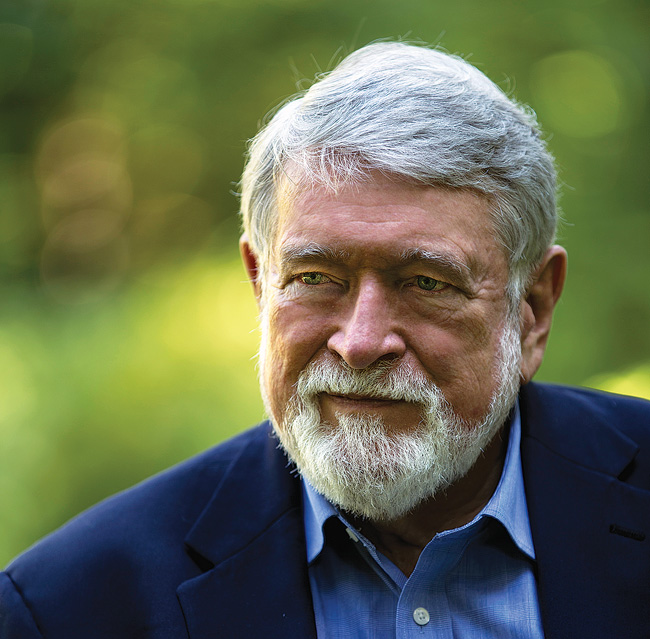
大卫·科顿的职业生涯始于哈佛商学院的教授,他立志通过分享美国商业成功的秘诀,帮助第三世界国家的贫困人民摆脱困境。然而,在埃塞俄比亚、尼加拉瓜和菲律宾等遥远地区运用其组织发展策略二十余年后,科顿的理念发生了转变。1995年,他出版了畅销书《当企业统治世界》 ,随后又出版了一系列著作,这些著作催生了被称为“新经济”的运动,该运动呼吁以地方经济、控制权、所有权和自力更生来取代跨国公司的统治。
本月,同时也是YES!联合创始人兼董事会主席的科顿出版了一本新书,挑战读者重新思考他们与地球——乃至整个宇宙——的关系。他表示,世界需要“一个新的故事”。“如果包括智人在内的大多数物种想要生存下去,我们就必须将地球视为一个有生命的个体。”科顿与YES!执行主编迪恩·帕顿探讨了他正在进行的自我转变。
迪恩·帕顿:请告诉我,一位曾经是组织管理专家,后来又成为新经济思想领袖的人,是如何从一位既是精神又是政治的思想家,转变为一位认为地球是一个活的有机体,我们本质上都是这个大生命体的一部分的人的。
“归根结底,问题在于:我们是自然的一部分吗?还是与自然无关?”
大卫·科顿:其实并不难理解——一旦你进入“生命地球”的框架——就会发现地球本质上是由无数生命体组成的组织,它们创造并维持着生命所必需的条件。如果你是一位组织学专家或理论家,这会引出一个非常引人入胜的问题:这数百万个生命体是如何协同运作以维持生命的?
帕顿:仿佛万物皆有灵,万物皆有目的?这和你的新书《改变故事,改变未来》有什么关系?
科滕:这本新书将旧有的“神圣的金钱与市场”叙事与新兴的“神圣的生命与生机勃勃的地球”叙事并置。它们是两种截然不同的框架,导致两种截然不同的社会组织方式。你要么将生命视为赚钱的手段,要么将金钱仅仅视为一个用于记账、服务于生命的数字,但它本身毫无价值。接受“神圣的金钱与市场”叙事——即金钱就是财富,是幸福的关键——会让我们陷入对企业统治的奴役之中。
帕顿:你的意思是说,正是传统的经济发展模式,或者说跨国资本主义,破坏了地球这个充满生机的共同体,不仅包括人类,还包括所有生命形式。然而,我们都依赖金钱,依赖市场经济。你真的认为我们能够摆脱这种依赖吗?
科滕:我们仍将使用货币和市场,但会剥夺华尔街对货币创造和分配的控制权。美国曾有一段时间,我们的大多数金融机构都是地方性的。这实际上意味着地方社区能够根据自身需求创造自己的信贷或货币。我们仍然依赖银行,但这要民主得多。
帕顿:就像电影《生活多美好》中乔治·贝利的房屋贷款一样。
“我们人类靠故事生活。”
科滕:正是如此。如果我们的钱更多地在社区流通,而不是流入华尔街的赌场,就能促进人们在当地组织起来,利用当地资源满足更多的经济需求。在一个几乎每个人都依赖金钱来维持基本生活——食物、水、住所、取暖、交通、娱乐——的社会里,控制金钱是社会控制的终极机制。这就引出了自愿极简主义运动:我对金钱的依赖越少,我就越自由。要明白,经济唯一合法的目的是服务于生命,服务于我们这些与地球生命共生、共同创造生命的人们。
帕顿:这如何转化为实际行动?如果我们能让一千个人说“我是生于地球、受地球滋养的生命”,这如何能阻止水力压裂法?这如何能阻止俄罗斯人把哈萨克斯坦的石油全部抽走并销往世界各地?
科滕:这非常清楚地表明,为了快速获取能源或快速获利而破坏我们赖以生存的自然生命系统,简直是疯了。
帕顿:所以,如果我们都是“由一个有生命的地球孕育而生”的生命体,正如你所说,那么这在我们的生活中从何而来呢?
科滕:这其中很大一部分原因在于认识到我们对金钱的依赖所带来的影响。这可以追溯到发展本身,发展是一个人们与其生存生产资料相分离的过程。人们越是与自身的生产活动疏离,就越依赖金钱——也就越依赖那些控制货币创造和分配的人。
帕顿:你的意思是,当我依赖他人时,我会接受水力压裂法。
科滕:是啊,你会说,“我需要那笔钱。他们会付钱让我对我的土地进行水力压裂。”
帕顿:你真的认为美国人能够摒弃金钱至上的观念吗?
科滕:我觉得很多人都在抛弃它。
帕顿:我们大多数人都会对10美元钞票、工作奖金或新车感兴趣。
科滕:但我们之所以会对此做出反应,是因为我们接受了“神圣的金钱和市场”的说法,即金钱就是财富,而这种说法实际上是在扼杀我们。
帕顿:所以你的意思是,我们的选择要么是与地球合作,要么是与地球对抗?
科滕:归根结底,问题在于:我们是自然的一部分吗?还是与自然无关?
帕顿:你为什么坚持我们要采用“生机勃勃的地球”这个说法?
科滕:因为我们人类靠故事生活。
帕顿:那意味着……?
科滕:这意味着,为了组织成有序的社会,我们需要一个共同的框架——基本价值观和假设——这样,当我与你交流时,我就能大致了解你会如何回应,因为我们拥有共同的基本故事。
帕顿:我们还有选择吗?
科顿:没错,要么改变,要么灭亡。毫不夸张地说。作为一个社会,你不可能在接受新故事的同时,继续过着我们现在的生活。首先,你要开始走向更加自愿的简朴生活,也就是减少对金钱的依赖。你要开始更多地亲力亲为。你要更加关注人际关系,关注礼物经济。你或许会更深刻地感受到自己是这个不断演进、朝着更加复杂、美丽、觉知和无限可能的方向发展的鲜活宇宙的一部分,并为其做出贡献。这对社会意味着什么?对我个人的生活方式又意味着什么?我能为社会所需的变革做出什么贡献?我有责任成为这场变革的一部分——而这场变革始于改变故事本身。
COMMUNITY REFLECTIONS
SHARE YOUR REFLECTION
5 PAST RESPONSES
"Are we a part of nature? Or apart from nature?"
This good question mirrors larger ones, such as, Are we a part of the divine? Or apart from the divine? Is our planet earth a part of the divine? Or is planet earth apart from the divine? What actually happens to us, to our humanity, and to all of life on our planet home when we believe and act as if the divine presence of God is never really present in our midst, that we cannot ever see, hear, touch, and know God right here, in this moment on this earth? Are we reserving all our seeing, hearing, touching, and knowing God for some next life, for some heaven beyond this present life?
What if God is here? What if God is under our noses, present within our own being, distinctly and separately contained in the loving wisdoms of two unique genders, alive in all the various races, colors, and cultures of people, within sexual orientation and identity, walking by, and also flying past, swimming in rivers and oceans, present in plants and insects - all facets and different aspects of the Universal One?
We seem so convinced that the divine is "out there", distant and foreign, looking down upon us. What if heaven has been waiting for us to bring it to life, right here on earth?
What would heaven be like? Would heaven have a hierarchy of superior and inferior people, or people superior to creatures, birds, fish, insects, plants, forests, oceans, and waters; human beings dominating over life, enslaving, re-engineering, genetically-altering, chemically-poisoning, and monetarily profiting from commodifying, exploiting, abusing, destroying, and killing human life and all of creation, and our own human hearts and souls in the bargain?
When Albert Eisstein was asked, What is the most important question in life, his answer was, "Is the universe a friendly place or not?"
[Hide Full Comment]Chasing and competing (even unto death) for fleeting, dissolving, and false monetary wealth blinds and pits all human beings (wittingly or unwittingly) against one another, and against all of life, and also crushes respect, love, genuine and true affection along the way, in regard to others and all of creation but also for one's self. Are we "making a living", but just existing, and not truly living? Can we compete our way into heaven, disrespecting and commodifying human work populations and all of life? Can we save our planet earth home, and the best in our humanity by disregarding and disrespecting both, in favor of non-lasting monetary rewards that are disappearing as quickly as we claim them, while they take away and destroy our true and lasting common wealth in the natural world of earth, lead us to suppress ground-breaking knowledge in natural processes and life-sustaining innovation, and stand in the way and block our ability to form healthy, respectful, cooperative relationships with one another and with all of creation? Is our existence on this earth nothing more than just a place to compete and win while trampling over others, dominating everyone and all of life, destroying the best of our own humanity and all of creation?
Perhaps the first, and truly most important, question is,
"Is the earth a friendly place or not?"
And, what have we formed it to be?
It has been said by George Simmel, German Sociologist, that money is the purest form of a tool. Since the tool is man made I suggest accounting for inherent worth wherein all possess natural worth.
Another contribution to changing the story.
"We are surrounded by a sea of free energy. Nikola Tesla and Dr. Thomas Henry Moray tried to educate the public to this good and free electromagnetic energy (EM energy) over 80 years ago that can be harnessed with a simple, even homemade, omnidirectional antenna. EM energy is infinitely supplied by our good universe, and it creates zero emissions. All the Egyptian pyramids are antennas, and more modern pyramids within our midst. Solar panels can be redesigned to harness this electromagnetic energy and supply free, unlimited, and carbon-free electrical energy." Get on it. Investigate. The info is out there. We need to reclaim our planetary earth home, if humanity and all of creation deserve a chance at continuing into a future full of abundance, joy, peace, free and good, priceless love and life.
from frenergy
[Tapping into 200 volts positive of free, unlimited and unmetered pure electrical energy]
Thank you for this good and necessary interview with David Korten.
A contribution to changing the story -
The goal is self-sufficiency. We need life skills asap.
Our real needs are actually simple - food, clothing, shelter, and local community connections.
We can all contribute to a new earth by literally beginning to be more and more self-sufficient, learning how to grow, harvest, and preserve our own food at the individual and local community level, planting organic gmo-free gardens, encouraging and supporting the creation of small local organic farms, and farmdens ["a farmden is more than a garden and less than a farm", horticulturist, Lee Reich], local fruit and nut trees and orchards etc, and learning best practices for organic growing and preserving of non-gmo vegetables, fruits, and herbs. Schools and universities could be growing and teaching their students necessary life skills, how to grow and harvest organic, vegetables, herbs, and orchards on their own campuses. We are wasting, actually also polluting chemically, enormous swatches of dead zone land in maintaining pristine-looking lawns, but often poisoned with "cides" that are dangerous to esp. children but also adults, animals, bird, bat, insect life, fish, and local water sources (from the runoff into groundwater or local streams and creeks etc), rather than front, back, and side yards, and common community lands that are contributing to organic food self-sufficiency and engaged with the growing-of-life-itself process. We could also be composting all vegetal and organic plant waste and restoring depleted soils, rather than putting it into garbage disposals and sewers. We could be planting native plants and trees to encourage and contribute to the health and well being of all plant, animal, insect, bird, and fish populations at the individual and local level. And rooftop farms and gardens are one dynamic solution [eg. Brooklyn Grange] enabling city dwellers to also begin the process of becoming food self-sufficient local towns and cities.
We could also be de-constructing archaic and wasteful, unsustainable housing construction, reclaiming the materials, but also restoring the soils and lands, and building our own houses esp. with natural earth and cob-building processes [eg. First Earth movie], passive solar, thermal mass, sustainable energies, revolutionary biotecture techniques [Earthship Biotecture] for heating and cooling, trapping and using rainwater, and treating sewage on site w natural earth knowledge and processes, etc. Very little or no furniture and unspoiled home goods should be going into land fills. All of it, the vast majority could be recycled, redesigned, repainted, reupholstered and re-imagined into new life by local peoples with the know-how and vision to reclaim it. Raw materials could also find new and glorious uses [eg. Wallace Detroit Guitars - Upcycled Guitars Made From Abandoned Homes]. Old doors and windows could be made into garden greenhouses and conservatories "to extend the growing season, and as a shelter for chickens and/ or quail" [from Off Grid World].
I am one generation away from grandparents who did know how to grow and preserve their own food, who had cold cellars on their properties, who knew how to design and sew their own clothes, and build their own houses, and they did it all at the local level. By building and supporting local community and local businesses, local banking or public local banks, we are creating real wealth in self-sufficient and self-sustainable lives, enjoying life and real living, sharing in the joy and abundance of growing and harvesting, and engaged with our neighbors, neighborhoods, and local community. We could become local towns and communities of handbikers, bike trails and bike lanes like Amsterdam in the Netherlands. We could ensure our community has, at least, one dynamic and exciting, welcoming and beautiful public square with native plants and trees etc. where people can gather to talk, engage, sit, stroll, enjoy an ice cream cone, watch and support local street performers entertain, maybe have local-truck businesses that visit, come and go, etc. on Friday night and Saturday like they do in Tuscan Italian towns.
A few decades ago while working together at a community bank, I worked with a co-worker and friend whose mother lived in Greece, and her Greek mother would come every summer to visit her daughter. The two of them would roam the stores looking at clothes they admired. Then, the Greek mother (actually a grandmother) would make the dress, skirt etc patterns herself, and sew the clothes that her daughter, my friend, had admired. Watching the two of them every summer, was ... almost miraculous. That elderly and sophisticated Greek grandmother had true life skills; she was self-sufficient, and it was marvelous. The clothes she sewed for herself and her daughter were absolutely fabulous; they both had THE most gorgeous and unique wardrobes, and it was all created with loving hands and overflowing generosity of heart.
Imagine if we were all so engaged in living, having a wealth of life skills at our fingertips,
[Hide Full Comment]what kind of loving and life-enhancing new earth we could be living, and bring forth?
This "Living Earth' story need to be heard by more people around the world. We are living in a world controlled by greedy big banks and big businesses whose only aim is the big profit! And the rest of the world is mindlessly succumbing to their mantra of materialism - consume, consume AND consume! Lets rethink at individual levels about our way of life and make a concerted effort to resist materialism and go back to a simplistic way of living, caring for the living earth, caring for your families and future generations, caring for the communities we live in.