
Un destacat economista del desenvolupament parla de les virtuts i limitacions d'un enfocament basat en dades per curar els problemes més insolubles del món
 Reuters
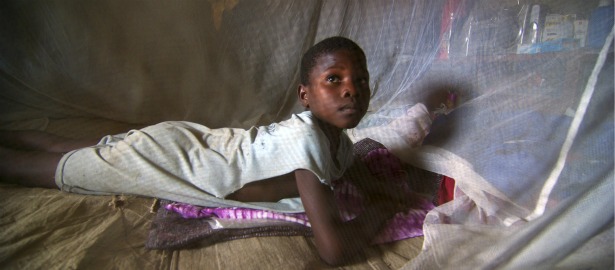
Les mosquiteres gratuïtes en alguns països provoquen més casos de malària? Les píndoles antiparasitàries podrien augmentar l'assistència a l'escola en un país i no tenir cap efecte en un altre? Què tan barata ha de ser l'atenció preventiva perquè les famílies de baixos ingressos vegin el metge?
Pot ser que no hi hagi una manera perfecta de respondre aquestes preguntes espinoses país per país. Però alguns científics destacats pensen que la resposta més rigorosa prové del que anomenen "assaigs controlats aleatoris".
Esther Duflo és àmpliament reconeguda com la principal defensora mundial dels assaigs controlats aleatoris en economia del desenvolupament. Com a metodologia, els ECA s'han utilitzat durant més de mig segle en medicina clínica, on l'efecte d'un fàrmac o procediment mèdic es confirma o nega en experiments científics amb grups de control i tractament. L'ús dels ECA per abordar la pobresa global és un fenomen de l'última dècada, però ha agafat la força d'un canvi de paradigma en economia, polítiques públiques i altres disciplines.
L'any passat, Duflo* i el seu co-conspirador a J-PAL, Abhijit Banerjee, van publicar un llibre anomenat Poor Economics: A Radical Rehinking of the Way to Fight Global Poverty . El llibre fa una visió general de gran part del que han après mitjançant ECA i d'altres maneres, i planteja una reivindicació més gran contra les "respostes universals grans" i les "conclusions arrolladores" sobre la pobresa. En canvi, recomanen un enfocament basat en dades que busqui respostes específiques i específiques sobre què funciona realment, què funciona millor i què funciona de manera rendible. Esther Duflo és àmpliament reconeguda com la principal defensora mundial dels assaigs controlats aleatoris en economia del desenvolupament. Com a metodologia, els ECA s'han utilitzat durant més de mig segle en medicina clínica, on l'efecte d'un fàrmac o procediment mèdic es confirma o nega en experiments científics amb grups de control i tractament. L'ús dels ECA per abordar la pobresa global és un fenomen de l'última dècada, però ha agafat la força d'un canvi de paradigma en economia, polítiques públiques i altres disciplines.
Després d'haver estat format com a físic i enginyer, agraeixo i recolzo l'enfocament científic de Duflo per lluitar contra la pobresa. (Divulgació completa: sóc a la junta d'Innovations for Poverty Action, un soci proper de J-PAL.) No obstant això, llegint el llibre, m'han vingut al cap dues coses repetidament: primer, la millor ciència requereix tant teoria com experimentació. Les dades sense una bona teoria són només mesura, no coneixement, i la teoria poderosa sovint és arrasadora. Només com a qüestió pràctica, la teoria ens ajuda a sostenir-nos quan ens falten dades. En segon lloc, Duflo i Banerjee semblen incòmodes amb la seva pròpia postura davant les grans respostes. La majoria dels capítols del llibre conclouen amb seccions que fan declaracions generals sobre salut pública, educació, microfinances i emprenedoria, sovint no totalment recolzades per experiments. El seu darrer capítol, titulat "En lloc d'una conclusió radical", ofereix, no obstant això, cinc declaracions àmplies sobre els pobres a tot el món.
Li vaig fer algunes preguntes a Duflo sobre els RCT i el seu llibre per correu electrònic...
KT : Quina creus que és la major contribució dels ECA fins ara al desenvolupament internacional?
ED : En primer lloc, hem avançat molt en els debats que probablement encara estaríem debatint sense parar: regalar mosquits de manera gratuïta desanima l'ús? Els preus diferents de zero descoratllen l'ús de cures preventives? En segon lloc, hem identificat algunes intervencions prometedores, i aquestes comencen a augmentar-se, amb la desparasitació com un bon exemple. [KT: La desparasitació es refereix a les píndoles antiparasitàries que quan es donen als nens s'ha demostrat que augmenten l'assistència a l'escola.] En tercer lloc, hem acumulat prou coneixement en alguns àmbits (educació primària, per exemple) que estem començant a tenir una visió sistèmica àmplia dels problemes i les solucions. En quart lloc, potser el més important, la importància de provar les coses sota una observació rigorosa, de deixar oberta la possibilitat de fracàs, ara és més reconeguda dins dels governs i les organitzacions. Crec que aquest canvi de cultura podria arribar a ser la contribució més important a llarg termini.
KT : Quin és el repte més gran en la manera en què els ECA es realitzen, s'interpreten o es parlen a la pràctica? O, per fer la pregunta d'una manera diferent, quina pràctica dominant dins de la comunitat de persones que dirigeixen o llegeixen sobre ECA voldríeu més canviar?
ED : De fet, no tinc gaire de què queixar-me. Crec que en aquests moments, la gent està sent molt creativa, intentant empènyer els límits en moltes direccions: incorporar més teoria, combinar models estructurals i experiments, combinar "experiment de laboratori" amb RCT, provant coses realment agosarades, com ara aleatoriar els salaris dels funcionaris.
També m'anima com l'ús dels RCT està entrant als cercles polítics, però aquí tinc un problema: crec que els responsables polítics estan disposats a utilitzar experiments per justificar fer alguna cosa, però el que encara no estem veient és un ús seriós de l'experiment per podar les polítiques.
KT : Quan vaig fer cursos d'economia com a estudiant de grau, recordo haver pensat que gran part de l'econometria era un intent d'extreure explicacions causals de les dades exactament en aquells casos en què els ECA eren poc pràctics. La hipòtesi implícita semblava que els ECA haurien estat ideals, però en absència, era necessària una econometria complexa. És aquesta una interpretació raonable de la metodologia econòmica i, si és així, per què creus que ha trigat tant a l'economia del desenvolupament a adoptar els ECA?
ED : Crec que, en part, nosaltres com a camp hem suposat que era més difícil o més car del que realment era. El veritable cop de geni de Michael Kremer va ser provar RCT amb un petit pressupost. Aleshores, quan molts de nosaltres, animats pel seu exemple, vam començar a fer una feina semblant, vam anar aprenent progressivament el que la gent sap des de fa temps en altres camps científics: que hi ha possibilitats de recaptar diners per a estudis acadèmics. Així que vam començar a recaptar més diners. Aquestes dues idees combinades van obrir tot el camp.
KT : En el teu llibre, argumentes fermament en contra de les teories generals del desenvolupament internacional, que es podrien interpretar com un reconeixement implícit de la gran complexitat del desenvolupament. No obstant això, els ECA en economia del desenvolupament solen ser ECA del comportament humà en contextos particulars. Estàs donant a entendre, doncs, que no hi pot haver teories generals del comportament humà?
ED : Definitivament hi pot haver idees teòriques, concloem amb algunes al llibre. Però no hi ha un gran marc que pugui explicar-ho tot, ni una gran solució per a tot.
KT : Encara que hi ha un acord aproximat sobre els objectius del desenvolupament internacional, els individus sovint tenen idees diferents sobre els objectius finals. Algunes persones pensen que és un cert nivell d'assoliment econòmic per a cada país; d'altres pensen que és la sanitat i l'educació universals; encara d'altres pensen que és justícia social; etc. Tens un objectiu final en ment pel qual treballes?
ED : No estic segur de tenir realment una opinió sobre això, o que ho hauria de fer. Crec que els objectius s'han de marcar pel procés polític, pel que una societat en algun moment desitja és important. Potser tinc la meva pròpia visió sobre el que és important a la vida, però no sóc filòsof i no crec que sigui la meva feina dir a la gent el que haurien de pensar que és important. Crec que la feina d'un economista hauria de ser ajudar els individus o les societats (a través dels seus responsables polítics) a assolir aquests objectius, un cop s'hagin establert.
***
En qualsevol cas, Poor Economics és una lectura obligada per a tots els interessats en el desenvolupament internacional, i s'acaba de publicar en rústica. Tant si creieu en grans teories com si no, és difícil negar el valor de les dades i l'observació acurada. Banerjee i Duflo omplen el seu llibre amb idees guanyades amb esforç de l'experiència personal i l'estudi científic. I, malgrat la cessió de Duflo dels seus objectius morals a la filosofia i l'esfera pública, la seva passió racionalment temperada per ajudar les comunitats pobres d'arreu del món es fa sentir a cada pàgina.
______
*Duflo atribueix generosament al seu col·lega, l'economista de Harvard Michael Kremer, l'inici de la recent onada d'ECA en el desenvolupament internacional, però són els seus esforços incansables, amb un impuls del donant homònim de l'Abdul Latif Jameel Poverty Action Lab (J-PAL) del MIT el que ha fet que els ECA siguin generalitzats.
COMMUNITY REFLECTIONS
SHARE YOUR REFLECTION
5 PAST RESPONSES
They all necessary. there was another comment disappeared before I made reply. I know there are a lot of things that make harder things. To point first one is trust and it is the backbone of everything. So without going long way of trying tiresome points, tell simplest and reason. Not doing so is lack of trust of the simple ways.
"we prefer the NGO work to be this way because that way is not best for such...such...such.."
You can put it like that way but if you go as far as 1 million pages is lack of trust.
If there are certain ways of doing things and you know works best then say the.
You didn't cause any problem but some fear and it happens because of authority.
I really don't tolerate violence but when I look the feelings of my actions I feel what innocent Asians would feel like. It was intended the woman who spoke up to be in as cases would be worked. So that she would learn how to respect human feelings and laws but money launderer might saved.
Well, I am not complaining anything. I just want to satisfy all parts and expect some peace.
[Hide Full Comment]A couple of things: if you have no food and shelter, you die. If you have no access to health care and hygiene, your life span is severely shortened. If you have no access to education, it's almost impossible to be a part of the solution. So from a purely 'common sense' point of view, I wouldn't have thought the basic necessities of life such as food, shelter, health and education were basics that could be left out of any RTCs. Do we really need to spend time and money figuring out if a 'society' really wants these things?
Well, it seems there had been misunderstandings about what to be done and how to be done. Woman is repressed and if she would have known that it is as simple as this she would have owned google seach "N.A" long ago. Well, we teach only what you say and only how you say. Just make next step, it is that I was called today by someone I last knew was in Nairobi and now is very far, Finland. I recognized her voice before I changed mine because I was in Sale and couldn't ask money nor could I let her know it was me. So I had 3 feeling at one time...So i started to feel shame.
Anyway, our NGO can teach Buddhism, Jews and whatever else you like. Make a progress and I don't mind much about it. All I need is to be on google search for dignity and make something that has value.
Are we together? It is just that simple if you can make and understand people who are left behind.
More information please contact us:
enkosariverschool@gmail.com
WELCOME FRIENDS
saladgsÞwgvtþRBH\nÞekasa
ENKOSA RIVER SCHOOL
We are all
very happy to welcome you all to Enkosa River School, Enkosa Buddhist Pagoda,
Siem Reap.
The School
is for ALL local children, teenagers and adults completely free of charge.
They come to
lessons 5 days a week to learn and improve their foreign language
skills...mainly the English Language...to give them better opportunities of a
good job in tourism in the future here or maybe work or study abroad.
1. THE SCHOOL
Opened in
November 2010 and currently has 8 classes nightly and around 150 regular happy
students
ranging from
3 years of age to 30!
We employ 3
Part Time Khmer Teachers on a modest salary and rely on volunteer native
speakers...now 100 per cent English Native Speakers , usually students who stay
a week or two or sometimes fully qualified teachers who have some free time who
live in Siem Reap.
Educating
the students in a mature, interesting and fun way.
We receive
no funding from either the Cambodian Goverment nor the Local Siem Reap
Administration or any NGO's.
We TOTALLY
100% rely on donations, mainly small donations from tourists who visit the
Pagoda on their way back from Angkor Wat and some small donations from mainly
good hearted individuals from overseas.
We ALWAYS in
NEED of DONATIONS either, financial assistance for the everyday running costs (
e.g. electricity, computer and internet
access for knowledge and lesson plans, water for the children, marker pens, ink
printer,books, pencils, crayons, first aid supplies, etc etc) and volunteer
helpers time.
Currently
our monthly running costs are roughly 270 US Dollars.
This breaks
down as such:
3 khmer Part
Time Trainer Teachers Salaries $30 each......$90
Electricity..Internet
Access Printer Ink PC's ...... $80..
water, marker
pens ink paper exercise books etc...$70
Emergency
Monies...Repairs First Aid Supplies..Possible sickness of a pupil or volunteer
etc... $30 …This budget needs at least doubling as a recent event in the
emergency treatment and hospitalization of one of our regular and more
experienced volunteers, high lighted a problem that needs
addressing..Thankfully he is back with us Teaching and helping train volunteers
and some development work.
THE School Moving Forward
We have put our TRUST IN BUDDHA , to help us improve the
facilities here for our beloved Children and Students.
Although
they receive a very good basic and
beyond education in a safe, friendly, loving environment, truthfully our class
rooms are totally inadequate especially in the monsoon season, where classes
could only take place on dry evenings last year.
Also there
is no reason what so ever with the right structure that the Education our
Students receive, can and will be just as good if not better than any offered
by the fee paying English Language Schools for the Children of the elite here
in Siem Reap.
Now hopefully
sooner than later we want to rebuild the Class rooms providing spacious
comfortable inside class rooms on the second floor with a multi purpose meeting
and performance room, School office and modern toilets on the ground floor,
extended to 9 metres by 28 metres, the architects plans will be finished for
April 24th.
The cost was
$180 after a 10% discount..money we need to recoup quickly.
Once again
we would like to thank the wonderful students of Students Against Poverty Group
Huonville High School Tasmania, for
leaving a cash donation of 1,400 Australian Dollars towards the new School’s
foundations.
The toilets
will also be a great help as possible sponsors at the moment have no decent
toilet facilities to use here, maybe needing to go back to their hotels when
with decent modern facilities here they may have had more time to get a feel
for our good work.
As you are
aware both materials and construction and labour costs here are very very low
compared to 1st World Countries.
2. THE LIBARY
Built in
July 2011 mostly funded and supported by Students Against Poverty Group
Huonville High School Tasmania.
It has been a
marvellous success helping all the students and volunteers to prepare
interesting lesson plans.
We currently have two
computers for student use and development, we need at least 2 more.
We are in
urgent need of more relevant English books especially 2 or 3 editions of up to date text books, The Mega
Goal Series, a major success in both Thai Government Schools and now the more
Modern Language Schools in Phom Penh swear by them, general English Language
reading material and also more Khmer books both for the little ones and
teenagers, are always appreciated.
More World
Maps are a PRIORITY.......Cambodian Children and most Adults have NO idea about
Geography...if they hopefully secure a good safe career in Tourism here, they
need to know a lot about outside of SE Asia.
3. OUT REACH
There is also a REAL
NEED for more OUT REACH work in this Province, the local authorities regularly
displace small shanty squatter communities from here to the Countryside with
little regard for their children’s education or well being. Recently around 300
shanty businesses some thriving and their homes either side of the river
outside our Pagoda were dismantled and the families in the main resettled in a
new barren land village,Kontrok 8km from
Siem Reap where there is no School whatsoever and parents are expected to pay
gasoline or motor bike or tuk tuk fares for the daily 16 km return journey , as
the local authorities have not even given the displaced families any cash for
boats..this area will flood badly in monsoon, the massive well,(reservoir) is
already full..the chances of the kids parents funding these long school
journeys and fares are worrying.
On this
point along with another local small NGO on the invitation of a representative
from a local Bank , we are looking at ways in which we can provide some kind of
immediate Educational help and hopefully long term assistance. All these
projects will need funding.
Also we would like to
continue when financially feasible practical outreach projects such as the well ( reservour) and water pumps and
labor we provided in FEB 2010 at a small poor rural village, Ornlongkrahn
in Stoung District around 100 km from here in the direction of Phnom Penh,
totally funded by two kind Australians and an American for less than $1300.
We are very
excited about starting a new project here for local women, teaching them how to
sew, make and repair clothes and crafts...enabling them to earn money for their
families and pass their skills on. Making School uniforms etc. will help
massively the 400 children attending the very basic local school with only 3
Khmer teachers!
We
desperately need to build a basic work shop for the Sewing Cooperative and some
basic accommodation for English Language Native Speaking Volunteers to assist
at the School….as soon as possible.
Once again
our friend’s Students Against Poverty Group Huonville High School Tasmania,
Have made a
1000 Australian Dollar donation to start work on a workshop for the Sewing
Cooperative but we will need more sponsorship and assistance.
As you are
aware both materials and construction and labour costs here are very very low
compared to 1st World Countries.
Finally with
the growing number of foreign tourists it is very important to secure a
training budget..so for example we could invite an NGO drama workshop to
educate the children that NOT all foreigners are NICE men ( or women), and
other relevant training and workshops for both the children and Khmer Teachers
So we have a
lot of good work to do
We are in
the process of producing proposals for all the Projects that Need Completing.
Thank you
for your friendship and help ...you are
always welcome..on behalf of all our wonderful Children ..Orgun chran
Your Kindest regards
DEPOSIT
INFORMATION
ACLEDA BANK
Phone: (+855)
23994444
Fax: (+855)
23430555
Swift Code: ACLBKHPP Chips
UID: 415637
Yorn Chea -
ACCOUNT NUMBER: 3451-20-752208-1-0
Yorn Chea and all at Enkosa River School
cdf
[Hide Full Comment]