
Un importante economista dello sviluppo parla dei vantaggi e dei limiti di un approccio basato sui dati per risolvere i problemi più difficili del mondo.
 Reuters
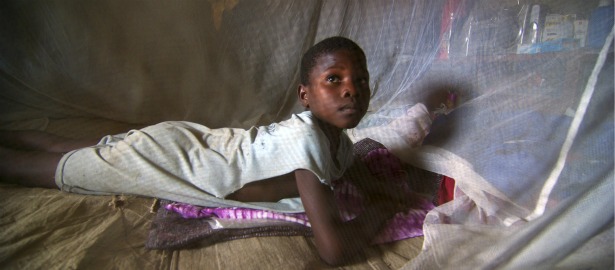
Le zanzariere gratuite in alcuni paesi aumentano i casi di malaria? Le pillole antiparassitarie potrebbero aumentare la frequenza scolastica in un paese e non avere alcun effetto in un altro? Quanto deve essere economica la prevenzione per le famiglie a basso reddito che vogliono andare dal medico?
Potrebbe non esserci un modo perfetto per rispondere a queste spinose domande paese per paese. Ma alcuni importanti scienziati ritengono che la risposta più rigorosa provenga da quelli che chiamano "studi clinici randomizzati controllati".
Esther Duflo è ampiamente riconosciuta come la principale sostenitrice mondiale degli studi clinici randomizzati (RCT) nell'economia dello sviluppo. Come metodologia, gli RCT sono utilizzati da oltre mezzo secolo in medicina clinica, dove l'effetto di un farmaco o di una procedura medica viene confermato o negato in esperimenti scientifici che coinvolgono gruppi di controllo e di trattamento. L'uso degli RCT per affrontare la povertà globale è un fenomeno dell'ultimo decennio, ma si è diffuso con la forza di un cambiamento di paradigma in economia, politiche pubbliche e altre discipline.
L'anno scorso, Duflo* e il suo complice al J-PAL, Abhijit Banerjee, hanno pubblicato un libro intitolato Poor Economics: A Radical Rehinking of the Way to Fight Global Poverty . Il libro ripercorre gran parte di ciò che hanno appreso attraverso RCT e altri metodi, e si oppone in modo più deciso alle "grandi risposte universali" e alle "conclusioni radicali" sulla povertà. Piuttosto, raccomandano un approccio basato sui dati che cerca risposte specifiche e mirate a ciò che funziona effettivamente, a ciò che funziona meglio e a ciò che funziona in modo economicamente vantaggioso. Esther Duflo è ampiamente riconosciuta come la principale sostenitrice mondiale degli studi clinici randomizzati nell'economia dello sviluppo. Come metodologia, gli RCT sono stati utilizzati per oltre mezzo secolo in medicina clinica, dove l'effetto di un farmaco o di una procedura medica viene confermato o negato in esperimenti scientifici che coinvolgono gruppi di controllo e di trattamento. L'uso degli RCT per affrontare la povertà globale è un fenomeno dell'ultimo decennio, ma si è diffuso con la forza di un cambio di paradigma in economia, politiche pubbliche e altre discipline.
Avendo studiato fisica e ingegneria, apprezzo e sostengo l'approccio scientifico di Duflo alla lotta alla povertà. (Per essere onesti: faccio parte del consiglio di amministrazione di Innovations for Poverty Action, un partner stretto di J-PAL). Eppure, leggendo il libro, mi sono tornate in mente due cose: in primo luogo, la scienza migliore richiede teoria tanto quanto sperimentazione. I dati senza una buona teoria sono solo misurazioni, non conoscenza, e una teoria efficace è spesso di vasta portata. In pratica, la teoria ci aiuta a sostenerci quando siamo a corto di dati. In secondo luogo, Duflo e Banerjee sembrano a disagio con la loro posizione contro le grandi risposte. La maggior parte dei capitoli del libro si conclude con sezioni che formulano affermazioni generali su salute pubblica, istruzione, microfinanza e imprenditorialità, spesso non completamente supportate dalla sperimentazione. Il loro capitolo finale, intitolato "Al posto di una conclusione radicale", offre comunque cinque affermazioni generali sui poveri in tutto il mondo.
Ho posto via e-mail a Duflo alcune domande sugli RCT e sul suo libro...
KT : Secondo lei, qual è stato finora il contributo più significativo degli RCT allo sviluppo internazionale?
ED : In primo luogo, abbiamo fatto molti progressi in dibattiti che probabilmente continueremmo a dibattere all'infinito: distribuire gratuitamente zanzariere scoraggia l'uso? Prezzi diversi da zero scoraggiano l'uso di cure preventive? In secondo luogo, abbiamo individuato alcuni interventi promettenti, e questi stanno iniziando ad essere ampliati, con la sverminazione come esempio lampante. [KT: La sverminazione si riferisce alle pillole antiparassitarie che, somministrate ai bambini, hanno dimostrato di aumentare la frequenza scolastica.] In terzo luogo, abbiamo accumulato sufficienti conoscenze in alcuni ambiti (ad esempio l'istruzione primaria) da iniziare ad avere una visione sistemica ampia di problemi e soluzioni. In quarto luogo, forse il più importante, l'importanza di sperimentare le cose sotto rigorosa osservazione, lasciando aperta la possibilità di fallimento, è ora maggiormente riconosciuta all'interno di governi e organizzazioni. Credo che questo cambiamento culturale potrebbe rivelarsi il contributo più importante a lungo termine.
KT : Qual è la sfida maggiore nel modo in cui gli RCT vengono effettivamente condotti, interpretati o discussi nella pratica? O, per porre la domanda in un altro modo, quale pratica dominante nella comunità di coloro che gestiscono o leggono informazioni sugli RCT vorresti cambiare maggiormente?
ED : In realtà non ho molto di cui lamentarmi. Credo che al momento le persone siano molto creative, cercando di spingersi oltre i limiti in molte direzioni: incorporando più teoria, combinando modelli strutturali ed esperimenti, combinando "esperimenti di laboratorio" con RCT, tentando cose davvero audaci come la randomizzazione degli stipendi dei dipendenti pubblici.
Sono anche incoraggiato dal modo in cui l'uso degli RCT sta entrando nei circoli politici, ma lì ho un problema: penso che i decisori politici siano disposti a usare gli esperimenti per giustificare qualcosa, ma quello che non stiamo ancora vedendo è un uso serio degli esperimenti per snellire le politiche.
KT : Quando frequentavo i corsi di economia all'università, ricordo di aver pensato che gran parte dell'econometria fosse un tentativo di estrarre spiegazioni causali dai dati proprio nei casi in cui gli RCT erano impraticabili. Il presupposto implicito sembrava essere che gli RCT sarebbero stati ideali, ma in loro assenza, un'econometria complessa era necessaria. È questa un'interpretazione ragionevole della metodologia economica e, in caso affermativo, perché pensi che ci sia voluto così tanto tempo prima che l'economia dello sviluppo abbracciasse gli RCT?
ED : Credo che, in parte, noi, come disciplina, abbiamo dato per scontato che fosse più difficile o più costoso di quanto non fosse in realtà. Il vero colpo di genio di Michael Kremer è stato quello di provare gli RCT con un budget limitato. Poi, quando molti di noi, incoraggiati dal suo esempio, abbiamo iniziato a fare lavori simili, abbiamo progressivamente imparato ciò che si sa da tempo in altri campi scientifici: che esistono possibilità di raccogliere fondi per studi accademici. Così abbiamo iniziato a raccogliere più fondi. Queste due intuizioni, combinate, hanno aperto l'intero campo.
KT : Nel suo libro, si oppone fermamente alle teorie generali dello sviluppo internazionale, il che potrebbe essere interpretato come un riconoscimento implicito della complessità dello sviluppo. Tuttavia, gli RCT in economia dello sviluppo sono spesso RCT sul comportamento umano in contesti specifici. Sta quindi insinuando che non possano esistere teorie generali del comportamento umano?
ED : Ci possono sicuramente essere spunti teorici, ne concludiamo alcuni nel libro. Ma non esiste un unico grande schema in grado di spiegare tutto, né una soluzione univoca per ogni cosa.
KT : Sebbene vi sia un consenso generale sugli obiettivi dello sviluppo internazionale, le persone spesso hanno idee diverse sui fini ultimi. Alcuni pensano che si tratti di un certo livello di successo economico per ogni Paese; altri pensano che si tratti di assistenza sanitaria e istruzione universali; altri ancora di giustizia sociale; ecc. Avete un obiettivo finale in mente per il quale vi impegnate?
ED : Non sono sicuro di avere un'opinione precisa al riguardo, o di doverlo avere. Credo che gli obiettivi debbano essere definiti dal processo politico, da ciò che una società, a un certo punto, ritiene importante. Posso avere la mia opinione su ciò che è importante nella vita, ma non sono un filosofo e non ritengo che sia mio compito dire alle persone cosa dovrebbero considerare importante. Credo che il compito di un economista dovrebbe essere quello di aiutare gli individui o le società (tramite i loro decisori politici) a raggiungere questi obiettivi, una volta che sono stati definiti.
***
In ogni caso, "Poor Economics" è una lettura imprescindibile per chiunque sia interessato allo sviluppo internazionale, ed è appena uscito in edizione tascabile. Che si creda o meno alle grandi teorie, è difficile negare il valore dei dati e di un'osservazione attenta. Banerjee e Duflo arricchiscono il loro libro di intuizioni duramente acquisite, frutto di esperienza personale e studi scientifici. E, nonostante Duflo abbia ceduto i suoi obiettivi morali alla filosofia e alla sfera pubblica, la sua passione, moderatamente razionale, per aiutare le comunità povere di tutto il mondo si percepisce in ogni pagina.
______
*Duflo attribuisce generosamente al suo collega, l'economista di Harvard Michael Kremer, il merito di aver dato il via alla recente ondata di RCT nello sviluppo internazionale, ma sono stati i suoi instancabili sforzi, con il sostegno del donatore omonimo dell'Abdul Latif Jameel Poverty Action Lab (J-PAL) del MIT, ad aver reso gli RCT praticamente mainstream.
COMMUNITY REFLECTIONS
SHARE YOUR REFLECTION
5 PAST RESPONSES
They all necessary. there was another comment disappeared before I made reply. I know there are a lot of things that make harder things. To point first one is trust and it is the backbone of everything. So without going long way of trying tiresome points, tell simplest and reason. Not doing so is lack of trust of the simple ways.
"we prefer the NGO work to be this way because that way is not best for such...such...such.."
You can put it like that way but if you go as far as 1 million pages is lack of trust.
If there are certain ways of doing things and you know works best then say the.
You didn't cause any problem but some fear and it happens because of authority.
I really don't tolerate violence but when I look the feelings of my actions I feel what innocent Asians would feel like. It was intended the woman who spoke up to be in as cases would be worked. So that she would learn how to respect human feelings and laws but money launderer might saved.
Well, I am not complaining anything. I just want to satisfy all parts and expect some peace.
[Hide Full Comment]A couple of things: if you have no food and shelter, you die. If you have no access to health care and hygiene, your life span is severely shortened. If you have no access to education, it's almost impossible to be a part of the solution. So from a purely 'common sense' point of view, I wouldn't have thought the basic necessities of life such as food, shelter, health and education were basics that could be left out of any RTCs. Do we really need to spend time and money figuring out if a 'society' really wants these things?
Well, it seems there had been misunderstandings about what to be done and how to be done. Woman is repressed and if she would have known that it is as simple as this she would have owned google seach "N.A" long ago. Well, we teach only what you say and only how you say. Just make next step, it is that I was called today by someone I last knew was in Nairobi and now is very far, Finland. I recognized her voice before I changed mine because I was in Sale and couldn't ask money nor could I let her know it was me. So I had 3 feeling at one time...So i started to feel shame.
Anyway, our NGO can teach Buddhism, Jews and whatever else you like. Make a progress and I don't mind much about it. All I need is to be on google search for dignity and make something that has value.
Are we together? It is just that simple if you can make and understand people who are left behind.
More information please contact us:
enkosariverschool@gmail.com
WELCOME FRIENDS
saladgsÞwgvtþRBH\nÞekasa
ENKOSA RIVER SCHOOL
We are all
very happy to welcome you all to Enkosa River School, Enkosa Buddhist Pagoda,
Siem Reap.
The School
is for ALL local children, teenagers and adults completely free of charge.
They come to
lessons 5 days a week to learn and improve their foreign language
skills...mainly the English Language...to give them better opportunities of a
good job in tourism in the future here or maybe work or study abroad.
1. THE SCHOOL
Opened in
November 2010 and currently has 8 classes nightly and around 150 regular happy
students
ranging from
3 years of age to 30!
We employ 3
Part Time Khmer Teachers on a modest salary and rely on volunteer native
speakers...now 100 per cent English Native Speakers , usually students who stay
a week or two or sometimes fully qualified teachers who have some free time who
live in Siem Reap.
Educating
the students in a mature, interesting and fun way.
We receive
no funding from either the Cambodian Goverment nor the Local Siem Reap
Administration or any NGO's.
We TOTALLY
100% rely on donations, mainly small donations from tourists who visit the
Pagoda on their way back from Angkor Wat and some small donations from mainly
good hearted individuals from overseas.
We ALWAYS in
NEED of DONATIONS either, financial assistance for the everyday running costs (
e.g. electricity, computer and internet
access for knowledge and lesson plans, water for the children, marker pens, ink
printer,books, pencils, crayons, first aid supplies, etc etc) and volunteer
helpers time.
Currently
our monthly running costs are roughly 270 US Dollars.
This breaks
down as such:
3 khmer Part
Time Trainer Teachers Salaries $30 each......$90
Electricity..Internet
Access Printer Ink PC's ...... $80..
water, marker
pens ink paper exercise books etc...$70
Emergency
Monies...Repairs First Aid Supplies..Possible sickness of a pupil or volunteer
etc... $30 …This budget needs at least doubling as a recent event in the
emergency treatment and hospitalization of one of our regular and more
experienced volunteers, high lighted a problem that needs
addressing..Thankfully he is back with us Teaching and helping train volunteers
and some development work.
THE School Moving Forward
We have put our TRUST IN BUDDHA , to help us improve the
facilities here for our beloved Children and Students.
Although
they receive a very good basic and
beyond education in a safe, friendly, loving environment, truthfully our class
rooms are totally inadequate especially in the monsoon season, where classes
could only take place on dry evenings last year.
Also there
is no reason what so ever with the right structure that the Education our
Students receive, can and will be just as good if not better than any offered
by the fee paying English Language Schools for the Children of the elite here
in Siem Reap.
Now hopefully
sooner than later we want to rebuild the Class rooms providing spacious
comfortable inside class rooms on the second floor with a multi purpose meeting
and performance room, School office and modern toilets on the ground floor,
extended to 9 metres by 28 metres, the architects plans will be finished for
April 24th.
The cost was
$180 after a 10% discount..money we need to recoup quickly.
Once again
we would like to thank the wonderful students of Students Against Poverty Group
Huonville High School Tasmania, for
leaving a cash donation of 1,400 Australian Dollars towards the new School’s
foundations.
The toilets
will also be a great help as possible sponsors at the moment have no decent
toilet facilities to use here, maybe needing to go back to their hotels when
with decent modern facilities here they may have had more time to get a feel
for our good work.
As you are
aware both materials and construction and labour costs here are very very low
compared to 1st World Countries.
2. THE LIBARY
Built in
July 2011 mostly funded and supported by Students Against Poverty Group
Huonville High School Tasmania.
It has been a
marvellous success helping all the students and volunteers to prepare
interesting lesson plans.
We currently have two
computers for student use and development, we need at least 2 more.
We are in
urgent need of more relevant English books especially 2 or 3 editions of up to date text books, The Mega
Goal Series, a major success in both Thai Government Schools and now the more
Modern Language Schools in Phom Penh swear by them, general English Language
reading material and also more Khmer books both for the little ones and
teenagers, are always appreciated.
More World
Maps are a PRIORITY.......Cambodian Children and most Adults have NO idea about
Geography...if they hopefully secure a good safe career in Tourism here, they
need to know a lot about outside of SE Asia.
3. OUT REACH
There is also a REAL
NEED for more OUT REACH work in this Province, the local authorities regularly
displace small shanty squatter communities from here to the Countryside with
little regard for their children’s education or well being. Recently around 300
shanty businesses some thriving and their homes either side of the river
outside our Pagoda were dismantled and the families in the main resettled in a
new barren land village,Kontrok 8km from
Siem Reap where there is no School whatsoever and parents are expected to pay
gasoline or motor bike or tuk tuk fares for the daily 16 km return journey , as
the local authorities have not even given the displaced families any cash for
boats..this area will flood badly in monsoon, the massive well,(reservoir) is
already full..the chances of the kids parents funding these long school
journeys and fares are worrying.
On this
point along with another local small NGO on the invitation of a representative
from a local Bank , we are looking at ways in which we can provide some kind of
immediate Educational help and hopefully long term assistance. All these
projects will need funding.
Also we would like to
continue when financially feasible practical outreach projects such as the well ( reservour) and water pumps and
labor we provided in FEB 2010 at a small poor rural village, Ornlongkrahn
in Stoung District around 100 km from here in the direction of Phnom Penh,
totally funded by two kind Australians and an American for less than $1300.
We are very
excited about starting a new project here for local women, teaching them how to
sew, make and repair clothes and crafts...enabling them to earn money for their
families and pass their skills on. Making School uniforms etc. will help
massively the 400 children attending the very basic local school with only 3
Khmer teachers!
We
desperately need to build a basic work shop for the Sewing Cooperative and some
basic accommodation for English Language Native Speaking Volunteers to assist
at the School….as soon as possible.
Once again
our friend’s Students Against Poverty Group Huonville High School Tasmania,
Have made a
1000 Australian Dollar donation to start work on a workshop for the Sewing
Cooperative but we will need more sponsorship and assistance.
As you are
aware both materials and construction and labour costs here are very very low
compared to 1st World Countries.
Finally with
the growing number of foreign tourists it is very important to secure a
training budget..so for example we could invite an NGO drama workshop to
educate the children that NOT all foreigners are NICE men ( or women), and
other relevant training and workshops for both the children and Khmer Teachers
So we have a
lot of good work to do
We are in
the process of producing proposals for all the Projects that Need Completing.
Thank you
for your friendship and help ...you are
always welcome..on behalf of all our wonderful Children ..Orgun chran
Your Kindest regards
DEPOSIT
INFORMATION
ACLEDA BANK
Phone: (+855)
23994444
Fax: (+855)
23430555
Swift Code: ACLBKHPP Chips
UID: 415637
Yorn Chea -
ACCOUNT NUMBER: 3451-20-752208-1-0
Yorn Chea and all at Enkosa River School
cdf
[Hide Full Comment]