
Žymiausias plėtros ekonomistas kalba apie duomenimis pagrįsto požiūrio į sudėtingiausias pasaulio problemas dorybes ir apribojimus.
 Reuters
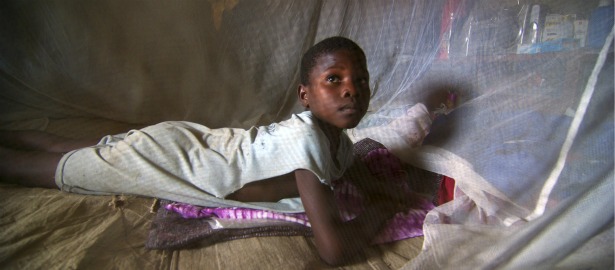
Ar nemokami lovų tinklai kai kuriose šalyse sukelia daugiau maliarijos atvejų? Ar tabletės nuo parazitų gali padidinti mokyklos lankomumą vienoje šalyje, o neveikti kitoje? Kiek turi būti pigi prevencinė priežiūra, kad mažas pajamas gaunančios šeimos galėtų kreiptis į gydytoją?
Gali būti, kad nėra tobulo būdo atsakyti į šiuos sudėtingus klausimus kiekvienoje šalyje. Tačiau kai kurie pirmaujantys mokslininkai mano, kad griežčiausias atsakymas gaunamas iš vadinamųjų „atsitiktinių imčių kontroliuojamų tyrimų“.
Esther Duflo yra plačiai pripažinta kaip pasaulyje pirmaujanti atsitiktinių imčių kontroliuojamų tyrimų šalininkė vystymosi ekonomikoje. Kaip metodika, RCT klinikinėje medicinoje buvo naudojami daugiau nei pusę amžiaus, kai moksliniuose eksperimentuose, kuriuose dalyvauja kontrolinės ir gydymo grupės, patvirtinamas arba paneigiamas vaisto ar medicininės procedūros poveikis. RCT naudojimas kovojant su pasauliniu skurdu yra pastarojo dešimtmečio reiškinys, tačiau jis pasivijo ekonomikos, viešosios politikos ir kitų disciplinų paradigmos kaitos jėga.
Praėjusiais metais Duflo* ir jos bendražygis J-PAL, Abhijit Banerjee, išleido knygą „ Prasta ekonomika: radikalus kovos su pasauliniu skurdu būdo persvarstymas“ . Knygoje apžvelgiama daug to, ką jie sužinojo per RCT ir kitus dalykus, ir ji kelia didesnį teiginį prieš „didžiuosius universalius atsakymus“ ir „plačias išvadas“ apie skurdą. Vietoj to jie rekomenduoja naudoti duomenimis pagrįstą metodą, pagal kurį ieškoma konkrečių, tikslingų atsakymų į tai, kas iš tikrųjų veikia, kas geriau ir kas ekonomiškai efektyvu. Esther Duflo yra plačiai pripažinta kaip pasaulyje pirmaujanti atsitiktinių imčių kontroliuojamų bandymų šalininkė vystymosi ekonomikos srityje. Kaip metodika, RCT klinikinėje medicinoje buvo naudojami daugiau nei pusę amžiaus, kai moksliniuose eksperimentuose, kuriuose dalyvauja kontrolinės ir gydymo grupės, patvirtinamas arba paneigiamas vaisto ar medicininės procedūros poveikis. RCT naudojimas kovojant su pasauliniu skurdu yra pastarojo dešimtmečio reiškinys, tačiau jis pasivijo ekonomikos, viešosios politikos ir kitų disciplinų paradigmos kaitos jėga.
Gavęs fiziko ir inžinieriaus išsilavinimą, vertinu ir palaikau Duflo mokslinį požiūrį į kovą su skurdu. (Visas atskleidimas: esu „Innovations for Poverty Action“, artimas J-PAL partneris, valdybos narys.) Tačiau skaitant knygą ne kartą į galvą atėjo du dalykai: Pirma, geriausiam mokslui reikia teorijos tiek pat, kiek eksperimentų. Duomenys be geros teorijos yra tik matavimas, o ne žinios, o galinga teorija dažnai yra plati. Tik kaip praktinis dalykas, teorija padeda mus išlaikyti, kai mums trūksta duomenų. Antra, Duflo ir Banerjee atrodo nepatogiai dėl savo pozicijos prieš didelius atsakymus. Dauguma knygos skyrių baigiami skyriais, kuriuose pateikiami bendri teiginiai apie visuomenės sveikatą, švietimą, mikrofinansavimą ir verslumą, dažnai ne visiškai paremti eksperimentu. Paskutiniame jų skyriuje, pavadintame „Vietoje plačių išvadų“, vis dėlto pateikiami penki pagrindiniai teiginiai apie neturtingus žmones visame pasaulyje.
El. paštu uždaviau Duflo keletą klausimų apie RCT ir jos knygą...
KT : Koks, jūsų nuomone, iki šiol yra didžiausias RCT indėlis į tarptautinę plėtrą?
ED : Pirma, mes padarėme didelę pažangą diskusijose, apie kurias tikriausiai ir toliau be galo diskutuosime: ar tinklelių davimas nemokamai atgraso nuo jų naudojimo? Ar nenulinės kainos atgraso nuo prevencinės priežiūros? Antra, nustatėme kai kurias perspektyvias intervencijas, kurios pradeda didėti, o puikus pavyzdys yra dehelmintizacija. [KT: Dehelming reiškia piliules nuo parazitų, kurios, kaip įrodyta, padidina vaikų lankomumą mokykloje.] Trečia, kai kuriose srityse (pavyzdžiui, pradiniame ugdyme) sukaupėme pakankamai žinių, todėl pradedame turėti platų sisteminį problemų ir sprendimų vaizdą. Ketvirta, bene svarbiausia, vyriausybės ir organizacijos dabar labiau pripažįsta, kaip svarbu viską išbandyti atidžiai stebint, palikti atvirą nesėkmės galimybę. Manau, kad šis kultūros pokytis ilgainiui gali tapti didžiausiu indėliu.
KT : Koks yra didžiausias iššūkis, kaip realiai atliekami, interpretuojami ar kalbama apie RCT? Arba, jei užduotumėte klausimą kitaip, kokią dominuojančią praktiką žmonių, kurie vadovauja arba skaito apie RCT, bendruomenėje labiausiai norėtumėte pakeisti?
ED : Iš tikrųjų neturiu kuo skųstis. Manau, kad šiuo metu žmonės yra labai kūrybingi, bandydami perstumti ribas įvairiomis kryptimis: įtraukti daugiau teorijos, derinti struktūrinius modelius ir eksperimentus, derinti „laboratorijos eksperimentą“ su RCT, bandyti tikrai drąsius dalykus, tokius kaip valstybės tarnautojų darbo užmokesčio paskirstymas.
Mane taip pat skatina tai, kaip RCT naudojimas patenka į politikos ratą, tačiau turiu vieną problemą: manau, kad politikos formuotojai nori naudoti eksperimentus, kad pateisintų kažkokį veiksmą, tačiau tai, ko dar nematome, yra rimtas eksperimento panaudojimas politikos mažinimui.
KT : Kai baigiau bakalauro studijas ekonomikos kursuose, prisimenu, kad galvojau, kad didžioji ekonometrijos dalis buvo bandymas iš duomenų išgauti priežastinius paaiškinimus būtent tais atvejais, kai RCT buvo nepraktiška. Netiesiogiai daroma prielaida, kad RCT būtų buvę idealūs, tačiau jei jų nebūtų, buvo būtina sudėtinga ekonometrija. Ar tai yra pagrįstas ekonominės metodologijos aiškinimas, ir jei taip, kodėl, jūsų manymu, užtruko taip ilgai, kol vystymosi ekonomika apėmė RCT?
ED : Manau, iš dalies mes, kaip sritis, galėjome manyti, kad tai buvo sudėtingiau arba brangiau, nei buvo iš tikrųjų. Tikrasis Michaelo Kremerio genialumas buvo išbandyti RCT naudojant nedidelį biudžetą. Tada, kai daugelis iš mūsų, paskatinti jo pavyzdžio, pradėjome dirbti panašų darbą, pamažu sužinojome tai, ką žmonės seniai žino ir kitose mokslo srityse: kad yra galimybių surinkti pinigų akademinei studijoms. Taigi pradėjome rinkti daugiau pinigų. Šios dvi įžvalgos kartu atvėrė visą lauką.
KT : Savo knygoje jūs griežtai pasisakote prieš visa apimančias tarptautinės raidos teorijas, kurios gali būti interpretuojamos kaip netiesioginis vystymosi sudėtingumo pripažinimas. Tačiau vystymosi ekonomikos RCT dažnai yra žmogaus elgesio tam tikruose kontekstuose RCT. Ar tu nori pasakyti, kad negali būti visa apimančių žmogaus elgesio teorijų?
ED : Neabejotinai gali būti teorinių įžvalgų, mes baigiame kai kurias knygoje. Tačiau nėra vienos didelės sistemos, kuri galėtų viską paaiškinti, ar didelio sprendimo viskam.
KT : Nors dėl tarptautinės plėtros tikslų apytiksliai sutariama, žmonės dažnai turi skirtingas idėjas dėl galutinių tikslų. Kai kurie žmonės mano, kad tai yra tam tikras kiekvienos šalies ekonominis pasiekimas; kiti mano, kad tai universali sveikatos priežiūra ir švietimas; dar kiti mano, kad tai socialinis teisingumas; ir tt Ar turite galvoje galutinį tikslą, kurio siekiate?
ED : Nesu tikras, ar tikrai turiu nuomonę šiuo klausimu, ar turėčiau. Manau, tikslus turėtų kelti politinis procesas, svarbu tai, ko tam tikru momentu nori visuomenė. Galiu turėti savo požiūrį į tai, kas gyvenime svarbu, bet nesu filosofas ir nemanau, kad mano pareiga pasakyti žmonėms, kas, jų manymu, yra svarbu. Manau, kad ekonomisto darbas turėtų būti padėti asmenims ar visuomenėms (per savo politikos formuotojus) pasiekti šiuos tikslus, kai tik jie bus nustatyti.
***
Bet kokiu atveju, „Prasta ekonomika“ yra privaloma visiems, besidomintiems tarptautine plėtra, ir ką tik išleista minkštu viršeliu. Nesvarbu, ar tikite didžiosiomis teorijomis, ar ne, sunku paneigti duomenų ir kruopštaus stebėjimo vertę. Banerjee ir Duflo užpildo savo knygą sunkiai įgytomis asmeninės patirties ir mokslinių tyrimų įžvalgomis. Ir, nepaisant to, kad Duflo savo moralinius tikslus perdavė filosofijai ir viešajai sferai, jos racionaliai sušvelninta aistra padėti skurdžioms bendruomenėms visame pasaulyje jaučiama kiekviename puslapyje.
______
*Duflo dosniai dėkoja savo kolegai Harvardo ekonomistui Michaelui Kremeriui už pastarojo meto RCT bangos pradžią tarptautinėje plėtroje, tačiau tai jos nenuilstamos pastangos, kurias paskatino to paties pavadinimo Abdul Latif Jameel Poverty Action Lab (J-PAL) donoras MIT, o tai padarė RCT visus, išskyrus pagrindinius.
COMMUNITY REFLECTIONS
SHARE YOUR REFLECTION
5 PAST RESPONSES
They all necessary. there was another comment disappeared before I made reply. I know there are a lot of things that make harder things. To point first one is trust and it is the backbone of everything. So without going long way of trying tiresome points, tell simplest and reason. Not doing so is lack of trust of the simple ways.
"we prefer the NGO work to be this way because that way is not best for such...such...such.."
You can put it like that way but if you go as far as 1 million pages is lack of trust.
If there are certain ways of doing things and you know works best then say the.
You didn't cause any problem but some fear and it happens because of authority.
I really don't tolerate violence but when I look the feelings of my actions I feel what innocent Asians would feel like. It was intended the woman who spoke up to be in as cases would be worked. So that she would learn how to respect human feelings and laws but money launderer might saved.
Well, I am not complaining anything. I just want to satisfy all parts and expect some peace.
[Hide Full Comment]A couple of things: if you have no food and shelter, you die. If you have no access to health care and hygiene, your life span is severely shortened. If you have no access to education, it's almost impossible to be a part of the solution. So from a purely 'common sense' point of view, I wouldn't have thought the basic necessities of life such as food, shelter, health and education were basics that could be left out of any RTCs. Do we really need to spend time and money figuring out if a 'society' really wants these things?
Well, it seems there had been misunderstandings about what to be done and how to be done. Woman is repressed and if she would have known that it is as simple as this she would have owned google seach "N.A" long ago. Well, we teach only what you say and only how you say. Just make next step, it is that I was called today by someone I last knew was in Nairobi and now is very far, Finland. I recognized her voice before I changed mine because I was in Sale and couldn't ask money nor could I let her know it was me. So I had 3 feeling at one time...So i started to feel shame.
Anyway, our NGO can teach Buddhism, Jews and whatever else you like. Make a progress and I don't mind much about it. All I need is to be on google search for dignity and make something that has value.
Are we together? It is just that simple if you can make and understand people who are left behind.
More information please contact us:
enkosariverschool@gmail.com
WELCOME FRIENDS
saladgsÞwgvtþRBH\nÞekasa
ENKOSA RIVER SCHOOL
We are all
very happy to welcome you all to Enkosa River School, Enkosa Buddhist Pagoda,
Siem Reap.
The School
is for ALL local children, teenagers and adults completely free of charge.
They come to
lessons 5 days a week to learn and improve their foreign language
skills...mainly the English Language...to give them better opportunities of a
good job in tourism in the future here or maybe work or study abroad.
1. THE SCHOOL
Opened in
November 2010 and currently has 8 classes nightly and around 150 regular happy
students
ranging from
3 years of age to 30!
We employ 3
Part Time Khmer Teachers on a modest salary and rely on volunteer native
speakers...now 100 per cent English Native Speakers , usually students who stay
a week or two or sometimes fully qualified teachers who have some free time who
live in Siem Reap.
Educating
the students in a mature, interesting and fun way.
We receive
no funding from either the Cambodian Goverment nor the Local Siem Reap
Administration or any NGO's.
We TOTALLY
100% rely on donations, mainly small donations from tourists who visit the
Pagoda on their way back from Angkor Wat and some small donations from mainly
good hearted individuals from overseas.
We ALWAYS in
NEED of DONATIONS either, financial assistance for the everyday running costs (
e.g. electricity, computer and internet
access for knowledge and lesson plans, water for the children, marker pens, ink
printer,books, pencils, crayons, first aid supplies, etc etc) and volunteer
helpers time.
Currently
our monthly running costs are roughly 270 US Dollars.
This breaks
down as such:
3 khmer Part
Time Trainer Teachers Salaries $30 each......$90
Electricity..Internet
Access Printer Ink PC's ...... $80..
water, marker
pens ink paper exercise books etc...$70
Emergency
Monies...Repairs First Aid Supplies..Possible sickness of a pupil or volunteer
etc... $30 …This budget needs at least doubling as a recent event in the
emergency treatment and hospitalization of one of our regular and more
experienced volunteers, high lighted a problem that needs
addressing..Thankfully he is back with us Teaching and helping train volunteers
and some development work.
THE School Moving Forward
We have put our TRUST IN BUDDHA , to help us improve the
facilities here for our beloved Children and Students.
Although
they receive a very good basic and
beyond education in a safe, friendly, loving environment, truthfully our class
rooms are totally inadequate especially in the monsoon season, where classes
could only take place on dry evenings last year.
Also there
is no reason what so ever with the right structure that the Education our
Students receive, can and will be just as good if not better than any offered
by the fee paying English Language Schools for the Children of the elite here
in Siem Reap.
Now hopefully
sooner than later we want to rebuild the Class rooms providing spacious
comfortable inside class rooms on the second floor with a multi purpose meeting
and performance room, School office and modern toilets on the ground floor,
extended to 9 metres by 28 metres, the architects plans will be finished for
April 24th.
The cost was
$180 after a 10% discount..money we need to recoup quickly.
Once again
we would like to thank the wonderful students of Students Against Poverty Group
Huonville High School Tasmania, for
leaving a cash donation of 1,400 Australian Dollars towards the new School’s
foundations.
The toilets
will also be a great help as possible sponsors at the moment have no decent
toilet facilities to use here, maybe needing to go back to their hotels when
with decent modern facilities here they may have had more time to get a feel
for our good work.
As you are
aware both materials and construction and labour costs here are very very low
compared to 1st World Countries.
2. THE LIBARY
Built in
July 2011 mostly funded and supported by Students Against Poverty Group
Huonville High School Tasmania.
It has been a
marvellous success helping all the students and volunteers to prepare
interesting lesson plans.
We currently have two
computers for student use and development, we need at least 2 more.
We are in
urgent need of more relevant English books especially 2 or 3 editions of up to date text books, The Mega
Goal Series, a major success in both Thai Government Schools and now the more
Modern Language Schools in Phom Penh swear by them, general English Language
reading material and also more Khmer books both for the little ones and
teenagers, are always appreciated.
More World
Maps are a PRIORITY.......Cambodian Children and most Adults have NO idea about
Geography...if they hopefully secure a good safe career in Tourism here, they
need to know a lot about outside of SE Asia.
3. OUT REACH
There is also a REAL
NEED for more OUT REACH work in this Province, the local authorities regularly
displace small shanty squatter communities from here to the Countryside with
little regard for their children’s education or well being. Recently around 300
shanty businesses some thriving and their homes either side of the river
outside our Pagoda were dismantled and the families in the main resettled in a
new barren land village,Kontrok 8km from
Siem Reap where there is no School whatsoever and parents are expected to pay
gasoline or motor bike or tuk tuk fares for the daily 16 km return journey , as
the local authorities have not even given the displaced families any cash for
boats..this area will flood badly in monsoon, the massive well,(reservoir) is
already full..the chances of the kids parents funding these long school
journeys and fares are worrying.
On this
point along with another local small NGO on the invitation of a representative
from a local Bank , we are looking at ways in which we can provide some kind of
immediate Educational help and hopefully long term assistance. All these
projects will need funding.
Also we would like to
continue when financially feasible practical outreach projects such as the well ( reservour) and water pumps and
labor we provided in FEB 2010 at a small poor rural village, Ornlongkrahn
in Stoung District around 100 km from here in the direction of Phnom Penh,
totally funded by two kind Australians and an American for less than $1300.
We are very
excited about starting a new project here for local women, teaching them how to
sew, make and repair clothes and crafts...enabling them to earn money for their
families and pass their skills on. Making School uniforms etc. will help
massively the 400 children attending the very basic local school with only 3
Khmer teachers!
We
desperately need to build a basic work shop for the Sewing Cooperative and some
basic accommodation for English Language Native Speaking Volunteers to assist
at the School….as soon as possible.
Once again
our friend’s Students Against Poverty Group Huonville High School Tasmania,
Have made a
1000 Australian Dollar donation to start work on a workshop for the Sewing
Cooperative but we will need more sponsorship and assistance.
As you are
aware both materials and construction and labour costs here are very very low
compared to 1st World Countries.
Finally with
the growing number of foreign tourists it is very important to secure a
training budget..so for example we could invite an NGO drama workshop to
educate the children that NOT all foreigners are NICE men ( or women), and
other relevant training and workshops for both the children and Khmer Teachers
So we have a
lot of good work to do
We are in
the process of producing proposals for all the Projects that Need Completing.
Thank you
for your friendship and help ...you are
always welcome..on behalf of all our wonderful Children ..Orgun chran
Your Kindest regards
DEPOSIT
INFORMATION
ACLEDA BANK
Phone: (+855)
23994444
Fax: (+855)
23430555
Swift Code: ACLBKHPP Chips
UID: 415637
Yorn Chea -
ACCOUNT NUMBER: 3451-20-752208-1-0
Yorn Chea and all at Enkosa River School
cdf
[Hide Full Comment]