
Vodilni razvojni ekonomist govori o vrlinah in omejitvah pristopa, ki temelji na podatkih, za zdravljenje najbolj zapletenih problemov na svetu
 Reuters
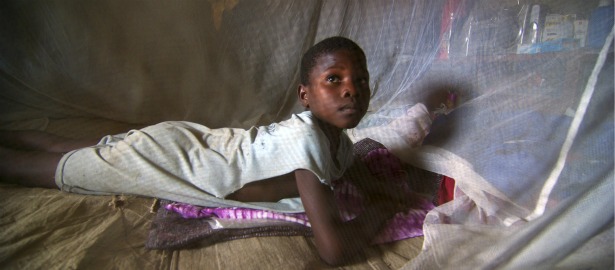
Ali brezplačne posteljne mreže v nekaterih državah povzročajo več primerov malarije? Ali bi lahko tablete proti parazitom v eni državi povečale obisk šole, v drugi pa ne bi imele učinka? Kako poceni mora biti preventivna oskrba, da družine z nizkimi dohodki obiščejo zdravnika?
Morda ne obstaja popoln način za odgovor na ta kočljiva vprašanja za vsako državo posebej. Toda nekateri vodilni znanstveniki menijo, da najstrožji odgovor prihaja iz tega, kar imenujejo "randomizirana kontrolirana preskušanja".
Esther Duflo je splošno priznana kot vodilna svetovna zagovornica randomiziranih kontroliranih preskušanj v razvojni ekonomiji. RCT se kot metodologija uporabljajo že več kot pol stoletja v klinični medicini, kjer se učinek zdravila ali medicinskega postopka potrdi ali zanika v znanstvenih poskusih, ki vključujejo kontrolne in terapevtske skupine. Uporaba RCT za obravnavo globalne revščine je pojav zadnjega desetletja, vendar se je uveljavil s silo spremembe paradigme v ekonomiji, javni politiki in drugih disciplinah.
Lansko leto sta Duflo* in njen sozarotnik pri J-PAL, Abhijit Banerjee, izdala knjigo z naslovom Revna ekonomija: Radikalna prenova načina za boj proti globalni revščini . V knjigi je pregled večine tega, kar so se naučili z RCT-ji in drugače, ter zagovarja večjo trditev proti "velikim univerzalnim odgovorom" in "obsežnim zaključkom" o revščini. Namesto tega priporočajo pristop, ki temelji na podatkih in išče specifične, ciljno usmerjene odgovore na to, kaj dejansko deluje, kaj deluje bolje in kaj deluje stroškovno učinkovito. Esther Duflo je splošno priznana kot vodilna svetovna zagovornica randomiziranih kontroliranih preskušanj v razvojni ekonomiji. RCT se kot metodologija uporabljajo že več kot pol stoletja v klinični medicini, kjer se učinek zdravila ali medicinskega postopka potrdi ali zanika v znanstvenih poskusih, ki vključujejo kontrolne in terapevtske skupine. Uporaba RCT za obravnavo globalne revščine je pojav zadnjega desetletja, vendar se je uveljavil s silo spremembe paradigme v ekonomiji, javni politiki in drugih disciplinah.
Ker sem bil usposobljen za fizika in inženirja, cenim in podpiram Duflojev znanstveni pristop k boju proti revščini. (Popolno razkritje: sem v upravnem odboru Innovations for Poverty Action, tesnem partnerju J-PAL.) Vendar sem ob branju knjige vedno znova pomislil na dve stvari: Prvič, najboljša znanost zahteva teorijo prav tako kot eksperimentiranje. Podatki brez dobre teorije so samo meritve, ne znanje, močna teorija pa je pogosto pometla. Čisto praktično nam teorija pomaga preživeti, ko nam primanjkuje podatkov. Drugič, zdi se, da sta Duflo in Banerjee neprijetno zaradi lastnega stališča proti velikim odgovorom. Večina poglavij v knjigi se zaključi z deli, ki podajajo splošne izjave o javnem zdravju, izobraževanju, mikrofinanciranju in podjetništvu, ki pogosto niso v celoti podprta z eksperimentom. Njihovo zadnje poglavje z naslovom "Na mestu obsežnega zaključka" kljub temu ponuja pet širokih izjav o revnih ljudeh po vsem svetu.
Duflo sem zastavil nekaj vprašanj o RCT in njeni knjigi po e-pošti ...
KT : Kaj menite, da je doslej največji prispevek RCT-jev k mednarodnemu razvoju?
ED : Prvič, zelo smo napredovali v razpravah, o katerih bi verjetno še vedno neskončno razpravljali: Ali brezplačno dajanje posteljnih mrež odvrača od uporabe? Ali neničelne cene odvračajo od uporabe preventivne nege? Drugič, opredelili smo nekaj obetavnih posegov in ti se začenjajo povečevati, pri čemer je odličen primer dehelmintizacija. [KT: Deworming se nanaša na tablete proti parazitom, ki dokazano povečajo obiskovanje šole, če jih dajemo otrokom.] Tretjič, na nekaterih področjih (na primer osnovnošolsko izobraževanje) smo si nabrali dovolj znanja, da začenjamo imeti širok sistemski pogled na probleme in rešitve. Četrtič, kar je morda najpomembnejše, vlade in organizacije zdaj bolj priznavajo pomen preizkušanja stvari pod strogim opazovanjem, puščanja možnosti neuspeha. Mislim, da bi se ta premik v kulturi dolgoročno lahko izkazal za največji prispevek.
KT : Kaj je največji izziv pri tem, kako se RCT dejansko izvajajo, interpretirajo ali govorijo o njih v praksi? Ali, če zastavim vprašanje drugače, katero prevladujočo prakso znotraj skupnosti ljudi, ki vodijo RCT ali berejo o njih, bi si najbolj želeli spremeniti?
ED : Pravzaprav se nimam kaj dosti pritoževati. Mislim, da so ljudje trenutno zelo ustvarjalni in poskušajo premikati meje v več smereh: vključujejo več teorije, združujejo strukturne modele in eksperiment, združujejo "laboratorijski eksperiment" z RCT, poskušajo res drzne stvari, kot je naključno določanje plač javnih uslužbencev.
Spodbuja me tudi to, kako uporaba RCT-jev vstopa v politične kroge, vendar imam eno težavo: mislim, da so oblikovalci politik pripravljeni uporabiti poskuse, da bi utemeljili nekaj, toda česar še ne vidimo, je resna uporaba eksperimentov za zmanjšanje politik.
KT : Ko sem kot dodiplomski študent obiskoval tečaje ekonomije, se spomnim, da sem razmišljal, da je velik del ekonometrije poskus pridobivanja vzročnih razlag iz podatkov točno v tistih primerih, ko so bili RCT nepraktični. Implicitna predpostavka je bila videti, da bi bili RCT idealni, vendar je bila v njihovi odsotnosti potrebna kompleksna ekonometrija. Ali je to razumna razlaga ekonomske metodologije, in če je tako, zakaj mislite, da je trajalo tako dolgo, da je razvojna ekonomija sprejela RCT?
ED : Mislim, da smo delno kot področje domnevali, da je težje ali dražje, kot je v resnici bilo. Resnična poteza Michaela Kremerja je bila poskus RCT z majhnim proračunom. Potem, ko smo se mnogi, opogumljeni z njegovim zgledom, lotili podobnega dela, smo postopoma izvedeli, kar ljudje na drugih znanstvenih področjih že dolgo vedo: da obstajajo možnosti zbiranja denarja za akademski študij. Tako smo začeli zbirati več denarja. Ti dve spoznanji skupaj sta odprli celotno polje.
KT : V svoji knjigi močno nasprotujete vsesplošnim teorijam mednarodnega razvoja, ki bi jih lahko razumeli kot implicitno priznanje same kompleksnosti razvoja. Kljub temu so RCT v razvojni ekonomiji pogosto RCT človeškega vedenja v določenih kontekstih. Ali torej namigujete, da ne more obstajati krovnih teorij o človeškem vedenju?
ED : Vsekakor lahko obstajajo teoretični vpogledi, zaključujemo z nekaterimi v knjigi. Vendar ni enega velikega okvira, ki bi lahko razložil vse, ali velike rešitve za vse.
KT : Čeprav obstaja približno soglasje o ciljih mednarodnega razvoja, imajo posamezniki pogosto različne predstave o končnih ciljih. Nekateri ljudje mislijo, da je to določena stopnja gospodarskega dosežka za vsako državo; drugi menijo, da gre za univerzalno zdravstveno varstvo in izobraževanje; spet drugi mislijo, da je to socialna pravičnost; itd. Ali imate v mislih končni cilj, za katerega si prizadevate?
ED : Nisem prepričan, da imam resnično mnenje o tem, ali da bi ga moral. Mislim, da bi morali cilje postaviti politični proces, pomembno je, kaj si družba v nekem trenutku želi. Morda imam svoj pogled na to, kaj je pomembno v življenju, vendar nisem filozof in se mi ne zdi moja naloga, da ljudem povem, kaj naj mislijo, da je pomembno. Mislim, da bi morala biti naloga ekonomista pomagati posameznikom ali družbam (prek njihovih oblikovalcev politik) doseči te cilje, ko so ti postavljeni.
***
V vsakem primeru je Poor Economics obvezno branje za vse, ki jih zanima mednarodni razvoj, pravkar pa je izšla v mehki vezavi. Ne glede na to, ali verjamete v velike teorije ali ne, je težko zanikati vrednost podatkov in natančnega opazovanja. Banerjee in Duflo polnita svojo knjigo s težko pridobljenimi spoznanji iz osebnih izkušenj in znanstvenih študij. In kljub temu, da je Duflo svoje moralne cilje prepustila filozofiji in javni sferi, je njeno razumno umirjeno strast do pomoči revnim skupnostim po vsem svetu čutiti na vsaki strani.
______
*Duflo velikodušno pripisuje zasluge svojemu kolegu, harvardskemu ekonomistu Michaelu Kremerju, da je sprožil nedavni val RCT v mednarodnem razvoju, vendar so njena neumorna prizadevanja s spodbudo istoimenskega donatorja Abdul Latif Jameel Poverty Action Lab (J-PAL) na MIT tista, ki so RCT naredila vse prej kot mainstream.
COMMUNITY REFLECTIONS
SHARE YOUR REFLECTION
5 PAST RESPONSES
They all necessary. there was another comment disappeared before I made reply. I know there are a lot of things that make harder things. To point first one is trust and it is the backbone of everything. So without going long way of trying tiresome points, tell simplest and reason. Not doing so is lack of trust of the simple ways.
"we prefer the NGO work to be this way because that way is not best for such...such...such.."
You can put it like that way but if you go as far as 1 million pages is lack of trust.
If there are certain ways of doing things and you know works best then say the.
You didn't cause any problem but some fear and it happens because of authority.
I really don't tolerate violence but when I look the feelings of my actions I feel what innocent Asians would feel like. It was intended the woman who spoke up to be in as cases would be worked. So that she would learn how to respect human feelings and laws but money launderer might saved.
Well, I am not complaining anything. I just want to satisfy all parts and expect some peace.
[Hide Full Comment]A couple of things: if you have no food and shelter, you die. If you have no access to health care and hygiene, your life span is severely shortened. If you have no access to education, it's almost impossible to be a part of the solution. So from a purely 'common sense' point of view, I wouldn't have thought the basic necessities of life such as food, shelter, health and education were basics that could be left out of any RTCs. Do we really need to spend time and money figuring out if a 'society' really wants these things?
Well, it seems there had been misunderstandings about what to be done and how to be done. Woman is repressed and if she would have known that it is as simple as this she would have owned google seach "N.A" long ago. Well, we teach only what you say and only how you say. Just make next step, it is that I was called today by someone I last knew was in Nairobi and now is very far, Finland. I recognized her voice before I changed mine because I was in Sale and couldn't ask money nor could I let her know it was me. So I had 3 feeling at one time...So i started to feel shame.
Anyway, our NGO can teach Buddhism, Jews and whatever else you like. Make a progress and I don't mind much about it. All I need is to be on google search for dignity and make something that has value.
Are we together? It is just that simple if you can make and understand people who are left behind.
More information please contact us:
enkosariverschool@gmail.com
WELCOME FRIENDS
saladgsÞwgvtþRBH\nÞekasa
ENKOSA RIVER SCHOOL
We are all
very happy to welcome you all to Enkosa River School, Enkosa Buddhist Pagoda,
Siem Reap.
The School
is for ALL local children, teenagers and adults completely free of charge.
They come to
lessons 5 days a week to learn and improve their foreign language
skills...mainly the English Language...to give them better opportunities of a
good job in tourism in the future here or maybe work or study abroad.
1. THE SCHOOL
Opened in
November 2010 and currently has 8 classes nightly and around 150 regular happy
students
ranging from
3 years of age to 30!
We employ 3
Part Time Khmer Teachers on a modest salary and rely on volunteer native
speakers...now 100 per cent English Native Speakers , usually students who stay
a week or two or sometimes fully qualified teachers who have some free time who
live in Siem Reap.
Educating
the students in a mature, interesting and fun way.
We receive
no funding from either the Cambodian Goverment nor the Local Siem Reap
Administration or any NGO's.
We TOTALLY
100% rely on donations, mainly small donations from tourists who visit the
Pagoda on their way back from Angkor Wat and some small donations from mainly
good hearted individuals from overseas.
We ALWAYS in
NEED of DONATIONS either, financial assistance for the everyday running costs (
e.g. electricity, computer and internet
access for knowledge and lesson plans, water for the children, marker pens, ink
printer,books, pencils, crayons, first aid supplies, etc etc) and volunteer
helpers time.
Currently
our monthly running costs are roughly 270 US Dollars.
This breaks
down as such:
3 khmer Part
Time Trainer Teachers Salaries $30 each......$90
Electricity..Internet
Access Printer Ink PC's ...... $80..
water, marker
pens ink paper exercise books etc...$70
Emergency
Monies...Repairs First Aid Supplies..Possible sickness of a pupil or volunteer
etc... $30 …This budget needs at least doubling as a recent event in the
emergency treatment and hospitalization of one of our regular and more
experienced volunteers, high lighted a problem that needs
addressing..Thankfully he is back with us Teaching and helping train volunteers
and some development work.
THE School Moving Forward
We have put our TRUST IN BUDDHA , to help us improve the
facilities here for our beloved Children and Students.
Although
they receive a very good basic and
beyond education in a safe, friendly, loving environment, truthfully our class
rooms are totally inadequate especially in the monsoon season, where classes
could only take place on dry evenings last year.
Also there
is no reason what so ever with the right structure that the Education our
Students receive, can and will be just as good if not better than any offered
by the fee paying English Language Schools for the Children of the elite here
in Siem Reap.
Now hopefully
sooner than later we want to rebuild the Class rooms providing spacious
comfortable inside class rooms on the second floor with a multi purpose meeting
and performance room, School office and modern toilets on the ground floor,
extended to 9 metres by 28 metres, the architects plans will be finished for
April 24th.
The cost was
$180 after a 10% discount..money we need to recoup quickly.
Once again
we would like to thank the wonderful students of Students Against Poverty Group
Huonville High School Tasmania, for
leaving a cash donation of 1,400 Australian Dollars towards the new School’s
foundations.
The toilets
will also be a great help as possible sponsors at the moment have no decent
toilet facilities to use here, maybe needing to go back to their hotels when
with decent modern facilities here they may have had more time to get a feel
for our good work.
As you are
aware both materials and construction and labour costs here are very very low
compared to 1st World Countries.
2. THE LIBARY
Built in
July 2011 mostly funded and supported by Students Against Poverty Group
Huonville High School Tasmania.
It has been a
marvellous success helping all the students and volunteers to prepare
interesting lesson plans.
We currently have two
computers for student use and development, we need at least 2 more.
We are in
urgent need of more relevant English books especially 2 or 3 editions of up to date text books, The Mega
Goal Series, a major success in both Thai Government Schools and now the more
Modern Language Schools in Phom Penh swear by them, general English Language
reading material and also more Khmer books both for the little ones and
teenagers, are always appreciated.
More World
Maps are a PRIORITY.......Cambodian Children and most Adults have NO idea about
Geography...if they hopefully secure a good safe career in Tourism here, they
need to know a lot about outside of SE Asia.
3. OUT REACH
There is also a REAL
NEED for more OUT REACH work in this Province, the local authorities regularly
displace small shanty squatter communities from here to the Countryside with
little regard for their children’s education or well being. Recently around 300
shanty businesses some thriving and their homes either side of the river
outside our Pagoda were dismantled and the families in the main resettled in a
new barren land village,Kontrok 8km from
Siem Reap where there is no School whatsoever and parents are expected to pay
gasoline or motor bike or tuk tuk fares for the daily 16 km return journey , as
the local authorities have not even given the displaced families any cash for
boats..this area will flood badly in monsoon, the massive well,(reservoir) is
already full..the chances of the kids parents funding these long school
journeys and fares are worrying.
On this
point along with another local small NGO on the invitation of a representative
from a local Bank , we are looking at ways in which we can provide some kind of
immediate Educational help and hopefully long term assistance. All these
projects will need funding.
Also we would like to
continue when financially feasible practical outreach projects such as the well ( reservour) and water pumps and
labor we provided in FEB 2010 at a small poor rural village, Ornlongkrahn
in Stoung District around 100 km from here in the direction of Phnom Penh,
totally funded by two kind Australians and an American for less than $1300.
We are very
excited about starting a new project here for local women, teaching them how to
sew, make and repair clothes and crafts...enabling them to earn money for their
families and pass their skills on. Making School uniforms etc. will help
massively the 400 children attending the very basic local school with only 3
Khmer teachers!
We
desperately need to build a basic work shop for the Sewing Cooperative and some
basic accommodation for English Language Native Speaking Volunteers to assist
at the School….as soon as possible.
Once again
our friend’s Students Against Poverty Group Huonville High School Tasmania,
Have made a
1000 Australian Dollar donation to start work on a workshop for the Sewing
Cooperative but we will need more sponsorship and assistance.
As you are
aware both materials and construction and labour costs here are very very low
compared to 1st World Countries.
Finally with
the growing number of foreign tourists it is very important to secure a
training budget..so for example we could invite an NGO drama workshop to
educate the children that NOT all foreigners are NICE men ( or women), and
other relevant training and workshops for both the children and Khmer Teachers
So we have a
lot of good work to do
We are in
the process of producing proposals for all the Projects that Need Completing.
Thank you
for your friendship and help ...you are
always welcome..on behalf of all our wonderful Children ..Orgun chran
Your Kindest regards
DEPOSIT
INFORMATION
ACLEDA BANK
Phone: (+855)
23994444
Fax: (+855)
23430555
Swift Code: ACLBKHPP Chips
UID: 415637
Yorn Chea -
ACCOUNT NUMBER: 3451-20-752208-1-0
Yorn Chea and all at Enkosa River School
cdf
[Hide Full Comment]