
Vodeći ekonomist za razvoj govori o vrlinama i ograničenjima pristupa temeljenog na podacima u liječenju najtežih svjetskih problema
 Reuters
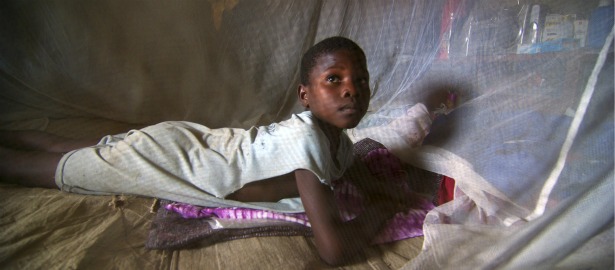
Dovode li besplatne mreže za krevet u nekim zemljama do više slučajeva malarije? Mogu li tablete protiv parazita povećati pohađanje nastave u jednoj zemlji, a u drugoj nemaju učinka? Koliko jeftina preventivna skrb mora biti da bi obitelji s niskim primanjima posjetile liječnika?
Možda ne postoji savršen način da se odgovori na ova mučna pitanja od zemlje do zemlje. Ali neki vodeći znanstvenici misle da najstroži odgovor dolazi iz onoga što nazivaju "randomizirana kontrolirana ispitivanja".
Esther Duflo nadaleko je poznata kao vodeća svjetska zagovornica randomiziranih kontroliranih ispitivanja u razvojnoj ekonomiji. Kao metodologija, RCT se koriste više od pola stoljeća u kliničkoj medicini, gdje se učinak lijeka ili medicinskog postupka potvrđuje ili negira u znanstvenim eksperimentima koji uključuju kontrolne i terapijske skupine. Korištenje RCT-ova za rješavanje problema globalnog siromaštva fenomen je prošlog desetljeća, ali je zahvatio snagu promjene paradigme u ekonomiji, javnoj politici i drugim disciplinama.
Prošle godine, Duflo* i njezin suzavjerenik u J-PAL-u, Abhijit Banerjee, objavili su knjigu pod nazivom Siromašna ekonomija: Radikalno preispitivanje načina borbe protiv globalnog siromaštva . Knjiga daje pregled mnogo toga što su naučili tijekom RCT-a i na druge načine, te daje veću tvrdnju protiv "velikih univerzalnih odgovora" i "opsežnih zaključaka" o siromaštvu. Umjesto toga, preporučuju pristup temeljen na podacima koji traži specifične, ciljane odgovore na ono što zapravo funkcionira, što bolje funkcionira i što je isplativo. Esther Duflo široko je poznata kao vodeća svjetska zagovornica randomiziranih kontroliranih ispitivanja u razvojnoj ekonomiji. Kao metodologija, RCT se koriste više od pola stoljeća u kliničkoj medicini, gdje se učinak lijeka ili medicinskog postupka potvrđuje ili negira u znanstvenim eksperimentima koji uključuju kontrolne i terapijske skupine. Korištenje RCT-ova za rješavanje problema globalnog siromaštva fenomen je prošlog desetljeća, ali je zahvatio snagu promjene paradigme u ekonomiji, javnoj politici i drugim disciplinama.
Budući da sam se školovao za fizičara i inženjera, cijenim i podržavam Dufloov znanstveni pristup borbi protiv siromaštva. (Potpuno otkriće: Ja sam u odboru Innovations for Poverty Action, bliskog partnera J-PAL-a.) Ipak, čitajući knjigu, dvije stvari su mi opetovano padale na pamet: Prvo, najbolja znanost zahtijeva teoriju jednako koliko i eksperimentiranje. Podaci bez dobre teorije samo su mjerenje, a ne znanje, a snažna teorija često je sveobuhvatna. Čisto praktično, teorija nam pomaže održati se kad nam nedostaju podaci. Drugo, Duflo i Banerjee izgledaju nelagodno zbog vlastitog stava protiv velikih odgovora. Većina poglavlja u knjizi završava odjeljcima koji daju općenite izjave o javnom zdravstvu, obrazovanju, mikrofinanciranju i poduzetništvu, često ne potkrijepljene eksperimentima. Njihovo posljednje poglavlje pod naslovom "Umjesto sveobuhvatnog zaključka" ipak nudi pet širokih izjava o siromašnim ljudima diljem svijeta.
Postavio sam Duflo nekoliko pitanja o RCT-ovima i njezinoj knjizi putem e-pošte...
KT : Što mislite koji je dosad najveći doprinos RCT-ova međunarodnom razvoju?
ED : Prvo, dosta smo napredovali u raspravama o kojima bismo vjerojatno još uvijek beskrajno raspravljali: Odvraća li besplatno davanje mreža za krevet od korištenja? Odvraćaju li cijene različite od nule korištenje preventivne njege? Drugo, identificirali smo neke obećavajuće intervencije i one se počinju povećavati, a dehelmintizacija je glavni primjer. [KT: Dehelmintizacija se odnosi na tablete protiv parazita za koje se pokazalo da, kada se daju djeci, povećavaju pohađanje škole.] Treće, akumulirali smo dovoljno znanja u nekim domenama (osnovno obrazovanje, na primjer) da počinjemo imati širok sistemski pogled na probleme i rješenja. Četvrto, možda i najvažnije, važnost isprobavanja stvari pod rigoroznim promatranjem, ostavljanja otvorene mogućnosti neuspjeha, sada je više prepoznata unutar vlada i organizacija. Mislim da bi se ovaj pomak u kulturi mogao dugoročno pokazati kao najveći doprinos.
KT : Koji je najveći izazov u načinu na koji se RCT-ovi stvarno provode, tumače ili govore u praksi? Ili, da postavimo pitanje na drugačiji način, koju biste dominantnu praksu unutar zajednice ljudi koji vode ili čitaju o RCT-ovima najviše željeli promijeniti?
ED : Zapravo se nemam na što žaliti. Mislim da su ljudi trenutačno vrlo kreativni, pokušavaju pomaknuti granice u mnogim smjerovima: uključuju više teorije, kombiniraju strukturalne modele i eksperimente, kombiniraju "laboratorijski eksperiment" s RCT-om, pokušavaju stvarno hrabre stvari kao što je nasumično određivanje plaća za državne službenike.
Također sam ohrabren time kako upotreba RCT-ova ulazi u političke krugove, ali tu imam jedan problem: mislim da su kreatori politike voljni koristiti eksperimente kako bi opravdali poduzimanje nečega, ali ono što još ne vidimo je ozbiljna upotreba eksperimenta za smanjenje politika.
KT : Kad sam pohađao kolegije ekonomije kao dodiplomski, sjećam se da sam mislio da je velik dio ekonometrije pokušaj izvlačenja uzročno-posljedičnih objašnjenja iz podataka upravo u onim slučajevima kada su RCT-ovi bili nepraktični. Čini se da je implicitna pretpostavka da bi RCT bili idealni, ali u njihovom nedostatku bila je neophodna složena ekonometrija. Je li ovo razumno tumačenje ekonomske metodologije, i ako jest, zašto mislite da je trebalo toliko dugo da razvojna ekonomija prihvati RCT?
ED : Mislim da smo, djelomično, mi kao područje možda pretpostavili da je teže ili skuplje nego što je stvarno bilo. Pravi genijalni potez Michaela Kremera bio je isprobati RCT s malim proračunom. Onda, kada su se mnogi od nas, potaknuti njegovim primjerom, počeli baviti sličnim poslom, postupno smo saznali ono što ljudi u drugim znanstvenim područjima već odavno znaju: da ima mogućnosti prikupiti novac za akademske studije. Tako smo počeli skupljati više novca. Ova dva uvida u kombinaciji otvorila su cijelo polje.
KT : U svojoj knjizi snažno se protivite sveobuhvatnim teorijama međunarodnog razvoja, koje bi se mogle protumačiti kao implicitno priznanje čiste složenosti razvoja. Ipak, RCT-ovi u ekonomiji razvoja često su RCT-ovi ljudskog ponašanja u određenim kontekstima. Hoćete li time implicirati da ne mogu postojati sveobuhvatne teorije o ljudskom ponašanju?
ED : Definitivno može biti teorijskih uvida, zaključujemo s nekima u knjizi. Ali ne postoji jedan veliki okvir koji će moći sve objasniti ili veliko rješenje za sve.
KT : Iako postoji grubo slaganje o ciljevima međunarodnog razvoja, pojedinci često imaju različite ideje o konačnim ciljevima. Neki ljudi misle da je to određena razina ekonomskog postignuća za svaku zemlju; drugi misle da je to univerzalno zdravstvo i obrazovanje; opet drugi misle da je to socijalna pravda; itd. Imate li na umu konačni cilj prema kojem radite?
ED : Nisam siguran da stvarno imam mišljenje o ovome, ili da bih trebao. Mislim da se ciljevi trebaju postavljati političkim procesom, bitno je ono što društvo u nekom trenutku želi. Možda imam svoj pogled na ono što je važno u životu, ali nisam filozof i ne osjećam da je moj posao govoriti ljudima što bi trebali misliti da je važno. Mislim da bi posao ekonomista trebao biti pomaganje pojedincima ili društvima (putem kreatora politike) da postignu te ciljeve, nakon što su postavljeni.
***
U svakom slučaju, Poor Economics je obavezna lektira za svakoga tko je zainteresiran za međunarodni razvoj, a upravo je objavljena u mekom uvezu. Bez obzira vjerujete li u velike teorije ili ne, teško je poreći vrijednost podataka i pažljivog promatranja. Banerjee i Duflo ispunjavaju svoju knjigu teško stečenim uvidima iz osobnog iskustva i znanstvenih studija. I, unatoč tome što je Duflo svoje moralne ciljeve prepustila filozofiji i javnoj sferi, njezina racionalno umjerena strast za pomaganjem siromašnim zajednicama diljem svijeta osjeća se na svakoj stranici.
______
*Duflo velikodušno pripisuje zasluge svom kolegi, ekonomistu s Harvarda Michaelu Kremeru, za pokretanje nedavnog vala RCT-ova u međunarodnom razvoju, ali njezini su neumorni napori, uz potporu istoimenog donatora Abdul Latif Jameel Poverty Action Lab (J-PAL) na MIT-u, učinili RCT-ove sve samo ne mainstreamom.
COMMUNITY REFLECTIONS
SHARE YOUR REFLECTION
5 PAST RESPONSES
They all necessary. there was another comment disappeared before I made reply. I know there are a lot of things that make harder things. To point first one is trust and it is the backbone of everything. So without going long way of trying tiresome points, tell simplest and reason. Not doing so is lack of trust of the simple ways.
"we prefer the NGO work to be this way because that way is not best for such...such...such.."
You can put it like that way but if you go as far as 1 million pages is lack of trust.
If there are certain ways of doing things and you know works best then say the.
You didn't cause any problem but some fear and it happens because of authority.
I really don't tolerate violence but when I look the feelings of my actions I feel what innocent Asians would feel like. It was intended the woman who spoke up to be in as cases would be worked. So that she would learn how to respect human feelings and laws but money launderer might saved.
Well, I am not complaining anything. I just want to satisfy all parts and expect some peace.
[Hide Full Comment]A couple of things: if you have no food and shelter, you die. If you have no access to health care and hygiene, your life span is severely shortened. If you have no access to education, it's almost impossible to be a part of the solution. So from a purely 'common sense' point of view, I wouldn't have thought the basic necessities of life such as food, shelter, health and education were basics that could be left out of any RTCs. Do we really need to spend time and money figuring out if a 'society' really wants these things?
Well, it seems there had been misunderstandings about what to be done and how to be done. Woman is repressed and if she would have known that it is as simple as this she would have owned google seach "N.A" long ago. Well, we teach only what you say and only how you say. Just make next step, it is that I was called today by someone I last knew was in Nairobi and now is very far, Finland. I recognized her voice before I changed mine because I was in Sale and couldn't ask money nor could I let her know it was me. So I had 3 feeling at one time...So i started to feel shame.
Anyway, our NGO can teach Buddhism, Jews and whatever else you like. Make a progress and I don't mind much about it. All I need is to be on google search for dignity and make something that has value.
Are we together? It is just that simple if you can make and understand people who are left behind.
More information please contact us:
enkosariverschool@gmail.com
WELCOME FRIENDS
saladgsÞwgvtþRBH\nÞekasa
ENKOSA RIVER SCHOOL
We are all
very happy to welcome you all to Enkosa River School, Enkosa Buddhist Pagoda,
Siem Reap.
The School
is for ALL local children, teenagers and adults completely free of charge.
They come to
lessons 5 days a week to learn and improve their foreign language
skills...mainly the English Language...to give them better opportunities of a
good job in tourism in the future here or maybe work or study abroad.
1. THE SCHOOL
Opened in
November 2010 and currently has 8 classes nightly and around 150 regular happy
students
ranging from
3 years of age to 30!
We employ 3
Part Time Khmer Teachers on a modest salary and rely on volunteer native
speakers...now 100 per cent English Native Speakers , usually students who stay
a week or two or sometimes fully qualified teachers who have some free time who
live in Siem Reap.
Educating
the students in a mature, interesting and fun way.
We receive
no funding from either the Cambodian Goverment nor the Local Siem Reap
Administration or any NGO's.
We TOTALLY
100% rely on donations, mainly small donations from tourists who visit the
Pagoda on their way back from Angkor Wat and some small donations from mainly
good hearted individuals from overseas.
We ALWAYS in
NEED of DONATIONS either, financial assistance for the everyday running costs (
e.g. electricity, computer and internet
access for knowledge and lesson plans, water for the children, marker pens, ink
printer,books, pencils, crayons, first aid supplies, etc etc) and volunteer
helpers time.
Currently
our monthly running costs are roughly 270 US Dollars.
This breaks
down as such:
3 khmer Part
Time Trainer Teachers Salaries $30 each......$90
Electricity..Internet
Access Printer Ink PC's ...... $80..
water, marker
pens ink paper exercise books etc...$70
Emergency
Monies...Repairs First Aid Supplies..Possible sickness of a pupil or volunteer
etc... $30 …This budget needs at least doubling as a recent event in the
emergency treatment and hospitalization of one of our regular and more
experienced volunteers, high lighted a problem that needs
addressing..Thankfully he is back with us Teaching and helping train volunteers
and some development work.
THE School Moving Forward
We have put our TRUST IN BUDDHA , to help us improve the
facilities here for our beloved Children and Students.
Although
they receive a very good basic and
beyond education in a safe, friendly, loving environment, truthfully our class
rooms are totally inadequate especially in the monsoon season, where classes
could only take place on dry evenings last year.
Also there
is no reason what so ever with the right structure that the Education our
Students receive, can and will be just as good if not better than any offered
by the fee paying English Language Schools for the Children of the elite here
in Siem Reap.
Now hopefully
sooner than later we want to rebuild the Class rooms providing spacious
comfortable inside class rooms on the second floor with a multi purpose meeting
and performance room, School office and modern toilets on the ground floor,
extended to 9 metres by 28 metres, the architects plans will be finished for
April 24th.
The cost was
$180 after a 10% discount..money we need to recoup quickly.
Once again
we would like to thank the wonderful students of Students Against Poverty Group
Huonville High School Tasmania, for
leaving a cash donation of 1,400 Australian Dollars towards the new School’s
foundations.
The toilets
will also be a great help as possible sponsors at the moment have no decent
toilet facilities to use here, maybe needing to go back to their hotels when
with decent modern facilities here they may have had more time to get a feel
for our good work.
As you are
aware both materials and construction and labour costs here are very very low
compared to 1st World Countries.
2. THE LIBARY
Built in
July 2011 mostly funded and supported by Students Against Poverty Group
Huonville High School Tasmania.
It has been a
marvellous success helping all the students and volunteers to prepare
interesting lesson plans.
We currently have two
computers for student use and development, we need at least 2 more.
We are in
urgent need of more relevant English books especially 2 or 3 editions of up to date text books, The Mega
Goal Series, a major success in both Thai Government Schools and now the more
Modern Language Schools in Phom Penh swear by them, general English Language
reading material and also more Khmer books both for the little ones and
teenagers, are always appreciated.
More World
Maps are a PRIORITY.......Cambodian Children and most Adults have NO idea about
Geography...if they hopefully secure a good safe career in Tourism here, they
need to know a lot about outside of SE Asia.
3. OUT REACH
There is also a REAL
NEED for more OUT REACH work in this Province, the local authorities regularly
displace small shanty squatter communities from here to the Countryside with
little regard for their children’s education or well being. Recently around 300
shanty businesses some thriving and their homes either side of the river
outside our Pagoda were dismantled and the families in the main resettled in a
new barren land village,Kontrok 8km from
Siem Reap where there is no School whatsoever and parents are expected to pay
gasoline or motor bike or tuk tuk fares for the daily 16 km return journey , as
the local authorities have not even given the displaced families any cash for
boats..this area will flood badly in monsoon, the massive well,(reservoir) is
already full..the chances of the kids parents funding these long school
journeys and fares are worrying.
On this
point along with another local small NGO on the invitation of a representative
from a local Bank , we are looking at ways in which we can provide some kind of
immediate Educational help and hopefully long term assistance. All these
projects will need funding.
Also we would like to
continue when financially feasible practical outreach projects such as the well ( reservour) and water pumps and
labor we provided in FEB 2010 at a small poor rural village, Ornlongkrahn
in Stoung District around 100 km from here in the direction of Phnom Penh,
totally funded by two kind Australians and an American for less than $1300.
We are very
excited about starting a new project here for local women, teaching them how to
sew, make and repair clothes and crafts...enabling them to earn money for their
families and pass their skills on. Making School uniforms etc. will help
massively the 400 children attending the very basic local school with only 3
Khmer teachers!
We
desperately need to build a basic work shop for the Sewing Cooperative and some
basic accommodation for English Language Native Speaking Volunteers to assist
at the School….as soon as possible.
Once again
our friend’s Students Against Poverty Group Huonville High School Tasmania,
Have made a
1000 Australian Dollar donation to start work on a workshop for the Sewing
Cooperative but we will need more sponsorship and assistance.
As you are
aware both materials and construction and labour costs here are very very low
compared to 1st World Countries.
Finally with
the growing number of foreign tourists it is very important to secure a
training budget..so for example we could invite an NGO drama workshop to
educate the children that NOT all foreigners are NICE men ( or women), and
other relevant training and workshops for both the children and Khmer Teachers
So we have a
lot of good work to do
We are in
the process of producing proposals for all the Projects that Need Completing.
Thank you
for your friendship and help ...you are
always welcome..on behalf of all our wonderful Children ..Orgun chran
Your Kindest regards
DEPOSIT
INFORMATION
ACLEDA BANK
Phone: (+855)
23994444
Fax: (+855)
23430555
Swift Code: ACLBKHPP Chips
UID: 415637
Yorn Chea -
ACCOUNT NUMBER: 3451-20-752208-1-0
Yorn Chea and all at Enkosa River School
cdf
[Hide Full Comment]