
Garapeneko ekonomialari garrantzitsu batek munduko arazo konponezinak sendatzeko datuetan oinarritutako ikuspegiaren bertuteei eta mugei buruz hitz egiten du
 Reuters
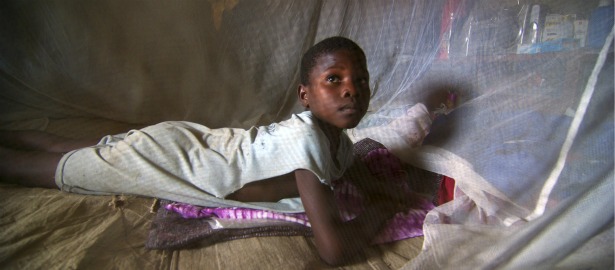
Herrialde batzuetan doako ohe-sareek malaria kasu gehiago ekartzen al dute? Parasitoen aurkako pilulek igo al dezakete eskola-asistentzia herrialde batean eta ez dute eraginik izan beste batean? Zenbat merkea izan behar du prebentzio-zaintzak diru-sarrera baxuko familiek medikua ikusteko?
Baliteke herrialdez herrialdeko galdera arantzatsu horiei erantzuteko modu perfekturik ez egotea. Baina zientzialari nagusi batzuek uste dute erantzun zorrotzena "ausazko kontrolatutako entsegu" deitzen dutenetik datorrela.
Esther Duflo oso ezaguna da garapenaren ekonomian ausazko kontrolatutako entseguen defendatzaile nagusia dela. Metodologia gisa, RCTak mende erdi baino gehiago erabili dira medikuntza klinikoan, non sendagai edo prozedura mediko baten eragina berretsi edo ukatzen den kontrol eta tratamendu taldeetan parte hartzen duten esperimentu zientifikoetan. Pobrezia globalari aurre egiteko EKTen erabilera azken hamarkadako fenomenoa da, baina paradigma aldaketaren indarra hartu du ekonomian, politika publikoetan eta beste diziplina batzuetan.
Iaz, Duflo*k eta J-PALeko bere konspiratzaileak, Abhijit Banerjee, Poor Economics: A Radical Rehinking of the Way to Fight Poverty global izeneko liburua argitaratu zuten. Liburuak RCT-en bidez eta bestelakoen bidez ikasitakoaren zati handi bat jasotzen du, eta pobreziari buruzko "erantzun unibertsal handien" eta "ondorio zabalen" aurkako aldarrikapen handiagoa egiten du. Horren ordez, datuetan oinarritutako ikuspegia gomendatzen dute, benetan funtzionatzen duenari, hobeto funtzionatzen duenari eta modu eraginkorrean funtzionatzen duenari erantzun zehatzak bilatzen dituena. Esther Duflo oso ezaguna da garapenaren ekonomian ausazko kontrolatutako entseguen defendatzaile nagusia dela. Metodologia gisa, RCTak mende erdi baino gehiago erabili dira medikuntza klinikoan, non sendagai edo prozedura mediko baten eragina berretsi edo ukatzen den kontrol eta tratamendu taldeetan parte hartzen duten esperimentu zientifikoetan. Pobrezia globalari aurre egiteko EKTen erabilera azken hamarkadako fenomenoa da, baina paradigma aldaketaren indarra hartu du ekonomian, politika publikoetan eta beste diziplina batzuetan.
Fisikari eta ingeniari gisa trebatu naizenez, Duflok pobreziaren aurka borrokatzeko duen ikuspegi zientifikoa estimatzen eta onartzen dut. (Dibulgazio osoa: Innovations for Poverty Action-eko kontseiluan nago, J-PALeko bazkide hurbila.) Hala ere, liburua irakurrita, bi gauza etorri zitzaizkidan burura behin eta berriz: Lehenik eta behin, zientzia onenak esperimentazioa bezain teoria eskatzen du. Teoria ona gabeko datuak neurketa baino ez dira, ez ezagutza, eta teoria indartsua sarritan zabala da. Gai praktiko gisa soilik, teoriak eusten laguntzen digu datuen faltan. Bigarrenik, Duflo eta Banerjee deseroso dirudi erantzun handien aurkako jarrerarekin. Liburuaren kapitulu gehienak osasun publikoari, hezkuntzari, mikrofinantzari eta ekintzailetzari buruzko adierazpen orokorrak egiten dituzten atalekin amaitzen dira, askotan esperimentuarekin guztiz babestuta ez daudenak. Haien azken kapituluak, "Ondorio zabal baten lekuan" izenekoak, mundu osoko pobreei buruzko bost adierazpen zabal eskaintzen ditu.
Duflori galdera batzuk egin nizkion RCTei eta bere liburuari buruz posta elektroniko bidez...
KT : Zure ustez, zein da RCTek orain arte nazioarteko garapenean egindako ekarpenik handiena?
ED : Lehenik eta behin, aurrerapen handia egin dugu, ziurrenik oraindik etengabe eztabaidatuko genituzkeen eztabaidetan: ohe-sareak doan emateak erabiltzea gomendatzen al du? Zero ez diren prezioek prebentzio-zaintza erabiltzea gomendatzen al dute? Bigarrenik, esku-hartze itxaropentsu batzuk identifikatu ditugu, eta horiek handitzen hasi dira, desparasitatzea adibide nagusia izanik. [KT: Desparasitoak parasitoen aurkako pilulei egiten die erreferentzia, haurrei ematen zaizkienean eskolara joaten direla frogatuta.] Hirugarrenik, zenbait arlotan (lehen hezkuntzan, adibidez) ezagutza nahikoa pilatu dugu, arazoen eta konponbideen ikuspegi sistemiko zabala izaten hasi garela. Laugarrenik, beharbada garrantzitsuena, gauzak behaketa zorrotzean probatzearen garrantzia, porrotaren aukera zabalik uztearen garrantzia, gaur egun gobernu eta erakundeetan aitortzen da. Kultura aldaketa hori epe luzera ekarpenik handiena izan daitekeela uste dut.
KT : Zein da erronkarik handiena EKTak benetan egiteko, interpretatzeko edo praktikan hitz egiteko moduan? Edo, galdera beste modu batera egiteko, zein praktika nagusi aldatu nahi zenuke RCTak zuzentzen edo irakurtzen dituzten pertsonen komunitatean?
ED : Egia esan, ez dut kexatzeko gauza handirik. Uste dut momentu honetan jendea oso sortzailea izaten ari dela, mugak norabide askotan zabaltzen saiatzen ari dela: teoria gehiago sartuz, egiturazko ereduak eta esperimentuak uztartuz, "laborategiko esperimentua" RCTrekin konbinatuz, gauza ausartak probatzen, hala nola, funtzionarioen soldatak aleatoriatuz.
RCTen erabilera politika-zirkuluetan nola sartzen ari den ere pozten nau, baina hor arazo bat daukat: uste dut arduradun politikoak esperimentuak erabiltzeko prest daudela zerbait egitea justifikatzeko, baina oraindik ikusten ez duguna esperimentuaren erabilera serioa da politikak inausteko.
KT : Ekonomia ikastaroak egin nituenean graduko ikasketak egin nituenean, gogoan dut pentsatu nuela ekonometriaren zati handi bat datuetatik kausazko azalpenak ateratzeko saiakera bat zela RCTak praktikoak ez ziren kasu horietan. Suposizio inplizitua zirudien RCTak idealak izango zirela, baina haien faltan, ekonometria konplexua beharrezkoa zen. Metodologia ekonomikoaren interpretazio zentzuzkoa al da hau, eta, hala bada, zergatik uste duzu behar izan dela horrenbeste denbora garapenaren ekonomiak RCTak barneratzeko?
ED : Uste dut, neurri batean, eremu gisa uste izan genezakeela benetan zena baino zailagoa edo garestiagoa zela. Michael Kremer-en benetako jeinu kolpea RCTak aurrekontu txikiarekin probatzea izan zen. Gero, gutako asko, bere adibideak bultzatuta, antzeko lanak egiten hasi ginenean, pixkanaka-pixkanaka ikasi genuen jendeak aspaldidanik beste arlo zientifikoetan dakiena: ikasketa akademikoetarako dirua biltzeko aukerak daudela. Beraz, diru gehiago biltzen hasi ginen. Bi ikuspegi hauek konbinatuta eremu osoa ireki zuten.
KT : Zure liburuan, nazioarteko garapenari buruzko teori orokorren aurka gogor argudiatzen duzu, garapenaren konplexutasun izugarriaren aitorpen inplizitu gisa interpreta daitezkeenak. Hala ere, garapen-ekonomian RCTak giza jokabidearen RCTak izaten dira testuinguru jakinetan. Beraz, esan nahi al duzu ezin dela egon giza jokabideari buruzko teoria orokorrak?
ED : Zalantzarik gabe, ideia teorikoak egon daitezke, liburuan batzuekin amaitzen dugu. Baina ez dago dena azaltzeko gai izango den esparru handi bat, edo denetarako irtenbide handirik.
KT : Nazioarteko garapenaren helburuei buruz adostasun gutxikoa dagoen arren, gizabanakoek askotan ideia desberdinak dituzte azken helburuei buruz. Batzuek uste dute herrialde bakoitzaren lorpen ekonomikoa dela; beste batzuk uste dute osasun eta hezkuntza unibertsala dela; beste batzuek uste dute justizia soziala dela; eta abar. Baduzu buruan lan egiten duzun azken helbururik?
ED : Ez nago ziur benetan iritzi bat dudanik honetaz, edo beharko nukeen. Uste dut helburuak prozesu politikoak ezarri beharko lituzkeela, gizarte batek noizbait nahi duenaren arabera garrantzitsua da. Baliteke bizitzan garrantzitsua denari buruz nire ikuspegia izatea, baina ez naiz filosofoa, eta ez dut uste nire lana denik jendeari zer den garrantzitsua pentsatu behar duen esatea. Nik uste dut ekonomialari baten lana pertsona edo gizarteei (haien politika arduradunen bitartez) helburu horietara iristen laguntzea izan behar dela, behin ezarrita.
***
Nolanahi ere, Poor Economics ezinbesteko irakurketa da nazioarteko garapenean interesa duen edonorentzat, eta paperezko liburuan kaleratu berri du. Teoria handietan sinetsi ala ez, zaila da datuen eta behaketa zainduaren balioa ukatzea. Banerjee-k eta Duflo-k esperientzia pertsonaletik eta ikerketa zientifikoetatik gogor irabazitako ikuspegiekin betetzen dute liburua. Eta, Duflok bere helburu moralak filosofiari eta esparru publikoari laga dizkion arren, mundu osoko komunitate txiroei laguntzeko grina arrazionalki epela da orrialde guztietan.
______
*Duflok eskuzabaltasunez kreditatzen dio bere lankideari, Harvardeko ekonomialari Michael Kremer, nazioarteko garapenean egindako azken boladan abiarazi izana, baina bere ahalegin nekaezinak dira, MITeko Abdul Latif Jameel Poverty Action Lab (J-PAL) emaile izen berekoaren bultzadarekin, RCTak ohikoak izan ezik.
COMMUNITY REFLECTIONS
SHARE YOUR REFLECTION
5 PAST RESPONSES
They all necessary. there was another comment disappeared before I made reply. I know there are a lot of things that make harder things. To point first one is trust and it is the backbone of everything. So without going long way of trying tiresome points, tell simplest and reason. Not doing so is lack of trust of the simple ways.
"we prefer the NGO work to be this way because that way is not best for such...such...such.."
You can put it like that way but if you go as far as 1 million pages is lack of trust.
If there are certain ways of doing things and you know works best then say the.
You didn't cause any problem but some fear and it happens because of authority.
I really don't tolerate violence but when I look the feelings of my actions I feel what innocent Asians would feel like. It was intended the woman who spoke up to be in as cases would be worked. So that she would learn how to respect human feelings and laws but money launderer might saved.
Well, I am not complaining anything. I just want to satisfy all parts and expect some peace.
[Hide Full Comment]A couple of things: if you have no food and shelter, you die. If you have no access to health care and hygiene, your life span is severely shortened. If you have no access to education, it's almost impossible to be a part of the solution. So from a purely 'common sense' point of view, I wouldn't have thought the basic necessities of life such as food, shelter, health and education were basics that could be left out of any RTCs. Do we really need to spend time and money figuring out if a 'society' really wants these things?
Well, it seems there had been misunderstandings about what to be done and how to be done. Woman is repressed and if she would have known that it is as simple as this she would have owned google seach "N.A" long ago. Well, we teach only what you say and only how you say. Just make next step, it is that I was called today by someone I last knew was in Nairobi and now is very far, Finland. I recognized her voice before I changed mine because I was in Sale and couldn't ask money nor could I let her know it was me. So I had 3 feeling at one time...So i started to feel shame.
Anyway, our NGO can teach Buddhism, Jews and whatever else you like. Make a progress and I don't mind much about it. All I need is to be on google search for dignity and make something that has value.
Are we together? It is just that simple if you can make and understand people who are left behind.
More information please contact us:
enkosariverschool@gmail.com
WELCOME FRIENDS
saladgsÞwgvtþRBH\nÞekasa
ENKOSA RIVER SCHOOL
We are all
very happy to welcome you all to Enkosa River School, Enkosa Buddhist Pagoda,
Siem Reap.
The School
is for ALL local children, teenagers and adults completely free of charge.
They come to
lessons 5 days a week to learn and improve their foreign language
skills...mainly the English Language...to give them better opportunities of a
good job in tourism in the future here or maybe work or study abroad.
1. THE SCHOOL
Opened in
November 2010 and currently has 8 classes nightly and around 150 regular happy
students
ranging from
3 years of age to 30!
We employ 3
Part Time Khmer Teachers on a modest salary and rely on volunteer native
speakers...now 100 per cent English Native Speakers , usually students who stay
a week or two or sometimes fully qualified teachers who have some free time who
live in Siem Reap.
Educating
the students in a mature, interesting and fun way.
We receive
no funding from either the Cambodian Goverment nor the Local Siem Reap
Administration or any NGO's.
We TOTALLY
100% rely on donations, mainly small donations from tourists who visit the
Pagoda on their way back from Angkor Wat and some small donations from mainly
good hearted individuals from overseas.
We ALWAYS in
NEED of DONATIONS either, financial assistance for the everyday running costs (
e.g. electricity, computer and internet
access for knowledge and lesson plans, water for the children, marker pens, ink
printer,books, pencils, crayons, first aid supplies, etc etc) and volunteer
helpers time.
Currently
our monthly running costs are roughly 270 US Dollars.
This breaks
down as such:
3 khmer Part
Time Trainer Teachers Salaries $30 each......$90
Electricity..Internet
Access Printer Ink PC's ...... $80..
water, marker
pens ink paper exercise books etc...$70
Emergency
Monies...Repairs First Aid Supplies..Possible sickness of a pupil or volunteer
etc... $30 …This budget needs at least doubling as a recent event in the
emergency treatment and hospitalization of one of our regular and more
experienced volunteers, high lighted a problem that needs
addressing..Thankfully he is back with us Teaching and helping train volunteers
and some development work.
THE School Moving Forward
We have put our TRUST IN BUDDHA , to help us improve the
facilities here for our beloved Children and Students.
Although
they receive a very good basic and
beyond education in a safe, friendly, loving environment, truthfully our class
rooms are totally inadequate especially in the monsoon season, where classes
could only take place on dry evenings last year.
Also there
is no reason what so ever with the right structure that the Education our
Students receive, can and will be just as good if not better than any offered
by the fee paying English Language Schools for the Children of the elite here
in Siem Reap.
Now hopefully
sooner than later we want to rebuild the Class rooms providing spacious
comfortable inside class rooms on the second floor with a multi purpose meeting
and performance room, School office and modern toilets on the ground floor,
extended to 9 metres by 28 metres, the architects plans will be finished for
April 24th.
The cost was
$180 after a 10% discount..money we need to recoup quickly.
Once again
we would like to thank the wonderful students of Students Against Poverty Group
Huonville High School Tasmania, for
leaving a cash donation of 1,400 Australian Dollars towards the new School’s
foundations.
The toilets
will also be a great help as possible sponsors at the moment have no decent
toilet facilities to use here, maybe needing to go back to their hotels when
with decent modern facilities here they may have had more time to get a feel
for our good work.
As you are
aware both materials and construction and labour costs here are very very low
compared to 1st World Countries.
2. THE LIBARY
Built in
July 2011 mostly funded and supported by Students Against Poverty Group
Huonville High School Tasmania.
It has been a
marvellous success helping all the students and volunteers to prepare
interesting lesson plans.
We currently have two
computers for student use and development, we need at least 2 more.
We are in
urgent need of more relevant English books especially 2 or 3 editions of up to date text books, The Mega
Goal Series, a major success in both Thai Government Schools and now the more
Modern Language Schools in Phom Penh swear by them, general English Language
reading material and also more Khmer books both for the little ones and
teenagers, are always appreciated.
More World
Maps are a PRIORITY.......Cambodian Children and most Adults have NO idea about
Geography...if they hopefully secure a good safe career in Tourism here, they
need to know a lot about outside of SE Asia.
3. OUT REACH
There is also a REAL
NEED for more OUT REACH work in this Province, the local authorities regularly
displace small shanty squatter communities from here to the Countryside with
little regard for their children’s education or well being. Recently around 300
shanty businesses some thriving and their homes either side of the river
outside our Pagoda were dismantled and the families in the main resettled in a
new barren land village,Kontrok 8km from
Siem Reap where there is no School whatsoever and parents are expected to pay
gasoline or motor bike or tuk tuk fares for the daily 16 km return journey , as
the local authorities have not even given the displaced families any cash for
boats..this area will flood badly in monsoon, the massive well,(reservoir) is
already full..the chances of the kids parents funding these long school
journeys and fares are worrying.
On this
point along with another local small NGO on the invitation of a representative
from a local Bank , we are looking at ways in which we can provide some kind of
immediate Educational help and hopefully long term assistance. All these
projects will need funding.
Also we would like to
continue when financially feasible practical outreach projects such as the well ( reservour) and water pumps and
labor we provided in FEB 2010 at a small poor rural village, Ornlongkrahn
in Stoung District around 100 km from here in the direction of Phnom Penh,
totally funded by two kind Australians and an American for less than $1300.
We are very
excited about starting a new project here for local women, teaching them how to
sew, make and repair clothes and crafts...enabling them to earn money for their
families and pass their skills on. Making School uniforms etc. will help
massively the 400 children attending the very basic local school with only 3
Khmer teachers!
We
desperately need to build a basic work shop for the Sewing Cooperative and some
basic accommodation for English Language Native Speaking Volunteers to assist
at the School….as soon as possible.
Once again
our friend’s Students Against Poverty Group Huonville High School Tasmania,
Have made a
1000 Australian Dollar donation to start work on a workshop for the Sewing
Cooperative but we will need more sponsorship and assistance.
As you are
aware both materials and construction and labour costs here are very very low
compared to 1st World Countries.
Finally with
the growing number of foreign tourists it is very important to secure a
training budget..so for example we could invite an NGO drama workshop to
educate the children that NOT all foreigners are NICE men ( or women), and
other relevant training and workshops for both the children and Khmer Teachers
So we have a
lot of good work to do
We are in
the process of producing proposals for all the Projects that Need Completing.
Thank you
for your friendship and help ...you are
always welcome..on behalf of all our wonderful Children ..Orgun chran
Your Kindest regards
DEPOSIT
INFORMATION
ACLEDA BANK
Phone: (+855)
23994444
Fax: (+855)
23430555
Swift Code: ACLBKHPP Chips
UID: 415637
Yorn Chea -
ACCOUNT NUMBER: 3451-20-752208-1-0
Yorn Chea and all at Enkosa River School
cdf
[Hide Full Comment]