
Johtava kehitysekonomisti puhuu datalähtöisen lähestymistavan hyveistä ja rajoituksista maailman vaikeimpien ongelmien parantamiseksi.
 Reuters
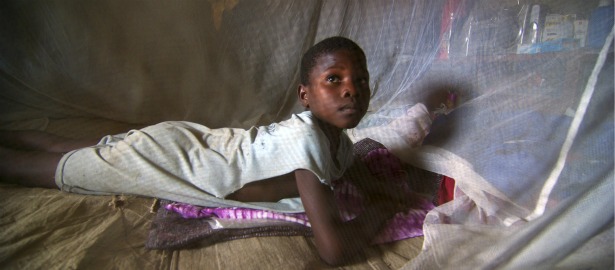
Lisäävätkö ilmaiset sänkyverkot joissakin maissa malariatapauksia? Voivatko loislääkkeet lisätä koulunkäyntiä yhdessä maassa, mutta eivät vaikuta toisessa? Kuinka halpaa ehkäisevän hoidon tulee olla pienituloisille perheille päästäkseen lääkäriin?
Ei ehkä ole täydellistä tapaa vastata näihin vaikeisiin kysymyksiin maakohtaisesti. Mutta jotkut johtavat tutkijat ajattelevat, että tiukin vastaus tulee "satunnaistetuista kontrolloiduista kokeista".
Esther Duflo tunnetaan laajalti maailman johtavana kehitystalouden satunnaistettujen kontrolloitujen kokeiden puolestapuhujana. Metodologiana RCT:tä on käytetty yli puolen vuosisadan ajan kliinisessä lääketieteessä, jossa lääkkeen tai lääketieteellisen toimenpiteen vaikutus vahvistetaan tai kiistetään tieteellisissä kokeissa, joissa on mukana kontrolli- ja hoitoryhmiä. RCT:iden käyttö globaalin köyhyyden torjumiseen on viime vuosikymmenen ilmiö, mutta se on saanut kiinni paradigman muutoksen voimalla talouden, julkisen politiikan ja muiden tieteenalojen alalla.
Viime vuonna Duflo* ja hänen salaliittolaisensa J-PAL:ssa Abhijit Banerjee julkaisivat kirjan nimeltä Poor Economics: A Radical Rehinking of the Way to Fight Global Poverty . Kirjassa tarkastellaan paljon siitä, mitä he ovat oppineet RCT: n kautta ja muulla tavalla, ja se esittää laajemman väitteen "suuria universaaleja vastauksia" ja "laajaisia johtopäätöksiä" köyhyydestä. Sen sijaan he suosittelevat datalähtöistä lähestymistapaa, joka etsii täsmällisiä, kohdennettuja vastauksia siihen, mikä todella toimii, mikä toimii paremmin ja mikä toimii kustannustehokkaasti. Esther Duflo tunnetaan laajalti maailman johtavana kehitystalouden satunnaistettujen kontrolloitujen kokeiden puolestapuhujana. Metodologiana RCT:tä on käytetty yli puolen vuosisadan ajan kliinisessä lääketieteessä, jossa lääkkeen tai lääketieteellisen toimenpiteen vaikutus vahvistetaan tai kiistetään tieteellisissä kokeissa, joissa on mukana kontrolli- ja hoitoryhmiä. RCT:iden käyttö globaalin köyhyyden torjumiseen on viime vuosikymmenen ilmiö, mutta se on saanut kiinni paradigman muutoksen voimalla talouden, julkisen politiikan ja muiden tieteenalojen alalla.
Olen saanut fyysikon ja insinöörin koulutuksen, joten arvostan ja tuen Duflon tieteellistä lähestymistapaa köyhyyden torjumiseen. (Täysi paljastaminen: olen Innovations for Poverty Actionin hallituksessa, joka on läheinen J-PAL-kumppani.) Kuitenkin kirjaa lukiessa mieleeni tuli toistuvasti kaksi asiaa: Ensinnäkin paras tiede vaatii teoriaa yhtä paljon kuin kokeilua. Data ilman hyvää teoriaa on vain mittaa, ei tietoa, ja tehokas teoria on usein laaja. Puhtaasti käytännössä teoria auttaa meitä ylläpitämään, kun meillä ei ole tietoa. Toiseksi Duflo ja Banerjee vaikuttavat epämukavalta heidän omasta asenteestaan suuria vastauksia vastaan. Suurin osa kirjan luvuista päättyy osioihin, joissa esitetään yleisiä kannanottoja kansanterveydestä, koulutuksesta, mikrorahoituksesta ja yrittäjyydestä, joita ei useinkaan tueta täysin kokeiluilla. Heidän viimeinen lukunsa, jonka otsikko on "Laajaan päätelmän sijasta", tarjoaa kuitenkin viisi laajaa lausuntoa köyhistä ihmisistä maailmanlaajuisesti.
Kysyin Duflolta joitakin kysymyksiä RCT:stä ja hänen kirjastaan sähköpostitse...
KT : Mikä on mielestäsi RCT:iden tähän mennessä suurin panos kansainväliseen kehitykseen?
ED : Ensinnäkin olemme edistyneet paljon keskusteluissa, joista keskustelemme todennäköisesti edelleen loputtomasti: Lakuttaako sänkyverkkojen luovuttaminen ilmaiseksi käyttöä? Estävätkö nollasta poikkeavat hinnat ehkäisevän hoidon käyttöä? Toiseksi olemme tunnistaneet joitakin lupaavia interventioita, ja niitä aletaan laajentaa, ja madotus on erinomainen esimerkki. [KT: Madotus tarkoittaa loisia ehkäiseviä pillereitä, joiden on osoitettu lisäävän lapsille koulunkäyntiä.] Kolmanneksi olemme keränneet riittävästi tietoa joillakin aloilla (esimerkiksi perusopetuksessa), jotta meillä on alkanut saada laaja systeeminen näkemys ongelmista ja ratkaisuista. Neljänneksi, ehkä kaikkein tärkeintä, hallitukset ja organisaatiot tunnustavat nyt paremmin, kuinka tärkeää on kokeilla asioita tiukan tarkkailun alaisena ja jättää avoimeksi epäonnistumisen mahdollisuus. Uskon, että tämä kulttuurin muutos voi osoittautua suurimmaksi panokseksi pitkällä aikavälillä.
KT : Mikä on suurin haaste tavassa, jolla RCT:t käytännössä suoritetaan, tulkitaan tai niistä puhutaan? Tai jos kysyisit kysymyksen toisella tavalla, mitä hallitsevaa käytäntöä RCT:tä ajavien tai niistä lukevien ihmisten yhteisössä haluaisit eniten muuttaa?
ED : Minulla ei itse asiassa ole paljon valittamista. Luulen, että tällä hetkellä ihmiset ovat erittäin luovia ja yrittävät työntää rajoja moniin suuntiin: sisällyttää enemmän teoriaa, yhdistää rakennemalleja ja kokeiluja, yhdistää "laboratoriokokeilua" RCT: hen, yrittää todella rohkeita asioita, kuten satunnaistaa virkamiesten palkkoja.
Minua rohkaisee myös se, miten RCT:iden käyttö tulee politiikan piiriin, mutta siinä minulla on yksi ongelma: luulen, että poliittiset päättäjät ovat valmiita käyttämään kokeiluja oikeuttamaan jotain, mutta mitä emme vielä näe, on vakavaa kokeilun käyttöä politiikan karsimiseen.
KT : Kun suoritin taloustieteen kursseja perustutkinto-opiskelijana, muistan ajatelleeni, että suuri osa ekonometriasta oli yritys poimia kausaalisia selityksiä tiedoista juuri niissä tapauksissa, joissa RCT:t olivat epäkäytännöllisiä. Implisiittinen oletus näytti olevan, että RCT:t olisivat olleet ihanteellisia, mutta niiden puuttuessa monimutkainen ekonometria oli tarpeen. Onko tämä järkevä tulkinta taloudellisesta metodologiasta, ja jos on, miksi luulet kestäneen niin kauan ennen kuin kehitystalous omaksui RCT:t?
ED : Luulen, että osaksi me alana saatoimme olettaa, että se oli vaikeampaa tai kalliimpaa kuin se todellisuudessa oli. Michael Kremerin todellinen nerokkuus oli RCT:n kokeileminen pienellä budjetilla. Sitten, kun monet meistä hänen esimerkkinsä rohkaisemana aloittivat samanlaisen työn, opimme vähitellen sen, mitä ihmiset ovat jo kauan tienneet muilla tieteenaloilla: että akateemisiin tutkimuksiin on mahdollisuus kerätä rahaa. Joten aloimme kerätä lisää rahaa. Nämä kaksi oivallusta yhdistettynä avasivat koko kentän.
KT : Vastuutat kirjassasi voimakkaasti kansainvälisen kehityksen kattavia teorioita vastaan, jotka voitaisiin tulkita implisiittiseksi tunnustukseksi kehityksen monimutkaisuudesta. Silti kehitystaloustieteen RCT:t ovat usein ihmisen käyttäytymisen RCT:itä tietyissä yhteyksissä. Tarkoitatko siis, ettei ihmisen käyttäytymisestä voi olla olemassa kattavia teorioita?
ED : Teoreettisia oivalluksia voi varmasti olla, päätämme joihinkin kirjassa. Mutta ei ole olemassa yhtä suurta viitekehystä, joka voisi selittää kaiken, tai suurta ratkaisua kaikkeen.
KT : Vaikka kansainvälisen kehityksen tavoitteista ollaan karkeasti yksimielisiä, yksilöillä on usein erilaisia käsityksiä perimmäisistä tavoitteista. Jotkut ihmiset ajattelevat, että se on jonkinlainen taloudellinen saavutus jokaiselle maalle; toisten mielestä se on yleistä terveydenhuoltoa ja koulutusta; toiset taas ajattelevat, että se on sosiaalista oikeudenmukaisuutta; jne. Onko sinulla mielessäsi lopullinen tavoite, jonka eteen työskentelet?
ED : En ole varma, onko minulla todella mielipidettä tästä tai pitäisikö minun olla. Mielestäni tavoitteet tulee asettaa poliittisen prosessin mukaan, sen mukaan, mitä yhteiskunta jossain vaiheessa haluaa, on tärkeää. Minulla saattaa olla oma näkemykseni siitä, mikä elämässä on tärkeää, mutta en ole filosofi, enkä koe tehtäväni kertoa ihmisille, mitä heidän pitäisi pitää tärkeänä. Mielestäni taloustieteilijän tehtävänä pitäisi olla auttaa yksilöitä tai yhteiskuntia (päättäjiensä kautta) saavuttamaan nämä tavoitteet, kun ne on asetettu.
***
Joka tapauksessa, Poor Economics on pakollista luettavaa kaikille kansainvälisestä kehityksestä kiinnostuneille, ja se on juuri julkaistu pokkari. Uskotpa suuriin teorioihin tai et, tietojen ja huolellisen havainnoinnin arvoa on vaikea kiistää. Banerjee ja Duflo täyttävät kirjansa henkilökohtaisista kokemuksista ja tieteellisistä tutkimuksista saaduilla kovalla työllä saavutetuilla oivalluksilla. Ja huolimatta siitä, että Duflo luovuttaa moraaliset tavoitteensa filosofialle ja julkiselle sektorille, hänen rationaalisesti hillitty intohimonsa auttaa köyhiä yhteisöjä ympäri maailmaa näkyy joka sivulla.
______
*Duflo kiittää avokätisesti kollegansa Harvardin ekonomisti Michael Kremeriä viimeaikaisen RCT-aallon käynnistämisestä kansainvälisessä kehityksessä, mutta hänen väsymättömät ponnistelunsa MIT:n Abdul Latif Jameel Poverty Action Labin (J-PAL) samannimisen lahjoittajan ansiosta ovat tehneet RCT:istä vain valtavirran.
COMMUNITY REFLECTIONS
SHARE YOUR REFLECTION
5 PAST RESPONSES
They all necessary. there was another comment disappeared before I made reply. I know there are a lot of things that make harder things. To point first one is trust and it is the backbone of everything. So without going long way of trying tiresome points, tell simplest and reason. Not doing so is lack of trust of the simple ways.
"we prefer the NGO work to be this way because that way is not best for such...such...such.."
You can put it like that way but if you go as far as 1 million pages is lack of trust.
If there are certain ways of doing things and you know works best then say the.
You didn't cause any problem but some fear and it happens because of authority.
I really don't tolerate violence but when I look the feelings of my actions I feel what innocent Asians would feel like. It was intended the woman who spoke up to be in as cases would be worked. So that she would learn how to respect human feelings and laws but money launderer might saved.
Well, I am not complaining anything. I just want to satisfy all parts and expect some peace.
[Hide Full Comment]A couple of things: if you have no food and shelter, you die. If you have no access to health care and hygiene, your life span is severely shortened. If you have no access to education, it's almost impossible to be a part of the solution. So from a purely 'common sense' point of view, I wouldn't have thought the basic necessities of life such as food, shelter, health and education were basics that could be left out of any RTCs. Do we really need to spend time and money figuring out if a 'society' really wants these things?
Well, it seems there had been misunderstandings about what to be done and how to be done. Woman is repressed and if she would have known that it is as simple as this she would have owned google seach "N.A" long ago. Well, we teach only what you say and only how you say. Just make next step, it is that I was called today by someone I last knew was in Nairobi and now is very far, Finland. I recognized her voice before I changed mine because I was in Sale and couldn't ask money nor could I let her know it was me. So I had 3 feeling at one time...So i started to feel shame.
Anyway, our NGO can teach Buddhism, Jews and whatever else you like. Make a progress and I don't mind much about it. All I need is to be on google search for dignity and make something that has value.
Are we together? It is just that simple if you can make and understand people who are left behind.
More information please contact us:
enkosariverschool@gmail.com
WELCOME FRIENDS
saladgsÞwgvtþRBH\nÞekasa
ENKOSA RIVER SCHOOL
We are all
very happy to welcome you all to Enkosa River School, Enkosa Buddhist Pagoda,
Siem Reap.
The School
is for ALL local children, teenagers and adults completely free of charge.
They come to
lessons 5 days a week to learn and improve their foreign language
skills...mainly the English Language...to give them better opportunities of a
good job in tourism in the future here or maybe work or study abroad.
1. THE SCHOOL
Opened in
November 2010 and currently has 8 classes nightly and around 150 regular happy
students
ranging from
3 years of age to 30!
We employ 3
Part Time Khmer Teachers on a modest salary and rely on volunteer native
speakers...now 100 per cent English Native Speakers , usually students who stay
a week or two or sometimes fully qualified teachers who have some free time who
live in Siem Reap.
Educating
the students in a mature, interesting and fun way.
We receive
no funding from either the Cambodian Goverment nor the Local Siem Reap
Administration or any NGO's.
We TOTALLY
100% rely on donations, mainly small donations from tourists who visit the
Pagoda on their way back from Angkor Wat and some small donations from mainly
good hearted individuals from overseas.
We ALWAYS in
NEED of DONATIONS either, financial assistance for the everyday running costs (
e.g. electricity, computer and internet
access for knowledge and lesson plans, water for the children, marker pens, ink
printer,books, pencils, crayons, first aid supplies, etc etc) and volunteer
helpers time.
Currently
our monthly running costs are roughly 270 US Dollars.
This breaks
down as such:
3 khmer Part
Time Trainer Teachers Salaries $30 each......$90
Electricity..Internet
Access Printer Ink PC's ...... $80..
water, marker
pens ink paper exercise books etc...$70
Emergency
Monies...Repairs First Aid Supplies..Possible sickness of a pupil or volunteer
etc... $30 …This budget needs at least doubling as a recent event in the
emergency treatment and hospitalization of one of our regular and more
experienced volunteers, high lighted a problem that needs
addressing..Thankfully he is back with us Teaching and helping train volunteers
and some development work.
THE School Moving Forward
We have put our TRUST IN BUDDHA , to help us improve the
facilities here for our beloved Children and Students.
Although
they receive a very good basic and
beyond education in a safe, friendly, loving environment, truthfully our class
rooms are totally inadequate especially in the monsoon season, where classes
could only take place on dry evenings last year.
Also there
is no reason what so ever with the right structure that the Education our
Students receive, can and will be just as good if not better than any offered
by the fee paying English Language Schools for the Children of the elite here
in Siem Reap.
Now hopefully
sooner than later we want to rebuild the Class rooms providing spacious
comfortable inside class rooms on the second floor with a multi purpose meeting
and performance room, School office and modern toilets on the ground floor,
extended to 9 metres by 28 metres, the architects plans will be finished for
April 24th.
The cost was
$180 after a 10% discount..money we need to recoup quickly.
Once again
we would like to thank the wonderful students of Students Against Poverty Group
Huonville High School Tasmania, for
leaving a cash donation of 1,400 Australian Dollars towards the new School’s
foundations.
The toilets
will also be a great help as possible sponsors at the moment have no decent
toilet facilities to use here, maybe needing to go back to their hotels when
with decent modern facilities here they may have had more time to get a feel
for our good work.
As you are
aware both materials and construction and labour costs here are very very low
compared to 1st World Countries.
2. THE LIBARY
Built in
July 2011 mostly funded and supported by Students Against Poverty Group
Huonville High School Tasmania.
It has been a
marvellous success helping all the students and volunteers to prepare
interesting lesson plans.
We currently have two
computers for student use and development, we need at least 2 more.
We are in
urgent need of more relevant English books especially 2 or 3 editions of up to date text books, The Mega
Goal Series, a major success in both Thai Government Schools and now the more
Modern Language Schools in Phom Penh swear by them, general English Language
reading material and also more Khmer books both for the little ones and
teenagers, are always appreciated.
More World
Maps are a PRIORITY.......Cambodian Children and most Adults have NO idea about
Geography...if they hopefully secure a good safe career in Tourism here, they
need to know a lot about outside of SE Asia.
3. OUT REACH
There is also a REAL
NEED for more OUT REACH work in this Province, the local authorities regularly
displace small shanty squatter communities from here to the Countryside with
little regard for their children’s education or well being. Recently around 300
shanty businesses some thriving and their homes either side of the river
outside our Pagoda were dismantled and the families in the main resettled in a
new barren land village,Kontrok 8km from
Siem Reap where there is no School whatsoever and parents are expected to pay
gasoline or motor bike or tuk tuk fares for the daily 16 km return journey , as
the local authorities have not even given the displaced families any cash for
boats..this area will flood badly in monsoon, the massive well,(reservoir) is
already full..the chances of the kids parents funding these long school
journeys and fares are worrying.
On this
point along with another local small NGO on the invitation of a representative
from a local Bank , we are looking at ways in which we can provide some kind of
immediate Educational help and hopefully long term assistance. All these
projects will need funding.
Also we would like to
continue when financially feasible practical outreach projects such as the well ( reservour) and water pumps and
labor we provided in FEB 2010 at a small poor rural village, Ornlongkrahn
in Stoung District around 100 km from here in the direction of Phnom Penh,
totally funded by two kind Australians and an American for less than $1300.
We are very
excited about starting a new project here for local women, teaching them how to
sew, make and repair clothes and crafts...enabling them to earn money for their
families and pass their skills on. Making School uniforms etc. will help
massively the 400 children attending the very basic local school with only 3
Khmer teachers!
We
desperately need to build a basic work shop for the Sewing Cooperative and some
basic accommodation for English Language Native Speaking Volunteers to assist
at the School….as soon as possible.
Once again
our friend’s Students Against Poverty Group Huonville High School Tasmania,
Have made a
1000 Australian Dollar donation to start work on a workshop for the Sewing
Cooperative but we will need more sponsorship and assistance.
As you are
aware both materials and construction and labour costs here are very very low
compared to 1st World Countries.
Finally with
the growing number of foreign tourists it is very important to secure a
training budget..so for example we could invite an NGO drama workshop to
educate the children that NOT all foreigners are NICE men ( or women), and
other relevant training and workshops for both the children and Khmer Teachers
So we have a
lot of good work to do
We are in
the process of producing proposals for all the Projects that Need Completing.
Thank you
for your friendship and help ...you are
always welcome..on behalf of all our wonderful Children ..Orgun chran
Your Kindest regards
DEPOSIT
INFORMATION
ACLEDA BANK
Phone: (+855)
23994444
Fax: (+855)
23430555
Swift Code: ACLBKHPP Chips
UID: 415637
Yorn Chea -
ACCOUNT NUMBER: 3451-20-752208-1-0
Yorn Chea and all at Enkosa River School
cdf
[Hide Full Comment]