
Um renomado economista do desenvolvimento discute as vantagens e limitações de uma abordagem baseada em dados para solucionar os problemas mais complexos do mundo.
 Reuters
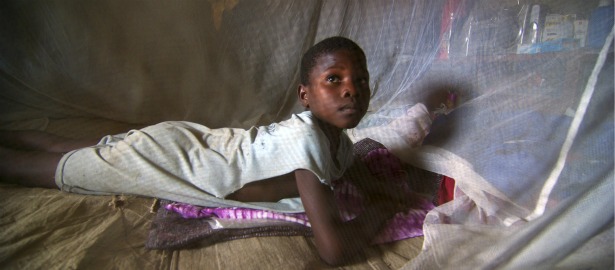
Será que a distribuição gratuita de mosquiteiros em alguns países leva a um aumento nos casos de malária? Será que os comprimidos antiparasitários podem aumentar a frequência escolar em um país e não ter efeito em outro? Qual o preço mínimo que os cuidados preventivos precisam ter para que famílias de baixa renda possam consultar um médico?
Pode não haver uma maneira perfeita de responder a essas questões complexas em cada país individualmente. Mas alguns cientistas renomados acreditam que a resposta mais rigorosa vem do que eles chamam de "ensaios clínicos randomizados controlados".
Esther Duflo é amplamente reconhecida como a principal defensora mundial dos ensaios clínicos randomizados (ECR) em economia do desenvolvimento. Como metodologia, os ECR são utilizados há mais de meio século na medicina clínica, onde o efeito de um medicamento ou procedimento médico é confirmado ou refutado em experimentos científicos que envolvem grupos de controle e tratamento. O uso de ECR para combater a pobreza global é um fenômeno da última década, mas ganhou força com a mudança de paradigma na economia, nas políticas públicas e em outras disciplinas.
No ano passado, Duflo* e seu parceiro no J-PAL, Abhijit Banerjee, publicaram um livro intitulado "Poor Economics: A Radical Rethinking of the Way to Fight Global Poverty" (Economia da Pobreza: Uma Reavaliação Radical da Forma de Combater a Pobreza Global ). O livro apresenta uma visão geral de grande parte do que eles aprenderam por meio de Ensaios Clínicos Randomizados (ECR) e outras metodologias, e defende uma posição mais ampla contra "grandes respostas universais" e "conclusões abrangentes" sobre a pobreza. Em vez disso, eles recomendam uma abordagem baseada em dados que busca respostas específicas e direcionadas sobre o que realmente funciona, o que funciona melhor e o que funciona de forma custo-efetiva. Esther Duflo é amplamente reconhecida como a principal defensora mundial dos Ensaios Clínicos Randomizados em economia do desenvolvimento. Como metodologia, os ECR são utilizados há mais de meio século na medicina clínica, onde o efeito de um medicamento ou procedimento médico é confirmado ou refutado em experimentos científicos envolvendo grupos de controle e tratamento. O uso de ECR para combater a pobreza global é um fenômeno da última década, mas ganhou força com uma mudança de paradigma na economia, nas políticas públicas e em outras disciplinas.
Tendo formação em física e engenharia, aprecio e apoio a abordagem científica de Duflo para o combate à pobreza. (A título de esclarecimento: sou membro do conselho da Innovations for Poverty Action, uma parceira próxima do J-PAL.) No entanto, ao ler o livro, duas coisas me vieram repetidamente à mente: Primeiro, a melhor ciência requer teoria tanto quanto experimentação. Dados sem uma boa teoria são apenas medições, não conhecimento, e uma teoria poderosa costuma ser abrangente demais. Do ponto de vista puramente prático, a teoria nos ajuda a nos manter firmes quando faltam dados. Segundo, Duflo e Banerjee parecem desconfortáveis com sua própria posição contra grandes conclusões. A maioria dos capítulos do livro termina com seções que fazem afirmações gerais sobre saúde pública, educação, microfinanças e empreendedorismo, muitas vezes não totalmente respaldadas por experimentos. Seu capítulo final, intitulado "Em vez de uma conclusão abrangente", oferece, no entanto, cinco afirmações amplas sobre pessoas pobres em todo o mundo.
Enviei alguns e-mails para Duflo com perguntas sobre Ensaios Clínicos Randomizados (ECR) e sobre o livro dela...
KT : Na sua opinião, qual foi a maior contribuição dos Ensaios Clínicos Randomizados (ECR) até agora para o desenvolvimento internacional?
ED : Primeiro, avançamos bastante em debates que provavelmente ainda estaríamos debatendo indefinidamente: distribuir mosquiteiros gratuitamente desencoraja o uso? Preços não nulos desencorajam o uso de cuidados preventivos? Segundo, identificamos algumas intervenções promissoras, e elas estão começando a ser ampliadas, sendo a desparasitação um excelente exemplo. [KT: Desparasitação refere-se a comprimidos antiparasitários que, quando administrados a crianças, demonstraram aumentar a frequência escolar.] Terceiro, acumulamos conhecimento suficiente em algumas áreas (educação primária, por exemplo) para começarmos a ter uma visão sistêmica ampla dos problemas e soluções. Quarto, e talvez o mais importante, a importância de testar as coisas sob observação rigorosa, de deixar em aberto a possibilidade de falha, agora é mais reconhecida dentro dos governos e organizações. Acho que essa mudança cultural pode se revelar a maior contribuição a longo prazo.
KT : Qual é o maior desafio na forma como os Ensaios Clínicos Randomizados (ECR) são conduzidos, interpretados ou discutidos na prática? Ou, reformulando a pergunta, qual prática dominante na comunidade de pessoas que realizam ou leem sobre ECR você mais gostaria de mudar?
ED : Na verdade, não tenho muito do que reclamar. Acho que, no momento, as pessoas estão sendo muito criativas, tentando expandir os limites em várias direções: incorporando mais teoria, combinando modelos estruturais e experimentos, combinando "experimentos de laboratório" com ensaios clínicos randomizados, tentando coisas realmente ousadas, como randomizar os salários dos funcionários públicos.
Também me sinto encorajado pela forma como o uso de Ensaios Clínicos Randomizados (ECR) está sendo incorporado aos círculos políticos, mas aí surge um problema: acredito que os formuladores de políticas estejam dispostos a usar experimentos para justificar alguma ação, mas o que ainda não vemos é um uso efetivo de experimentos para aprimorar políticas.
KT : Quando cursei economia na graduação, lembro-me de pensar que grande parte da econometria era uma tentativa de extrair explicações causais dos dados exatamente nos casos em que os Ensaios Clínicos Randomizados (ECR) eram impraticáveis. A suposição implícita parecia ser que os ECR seriam o ideal, mas, na sua ausência, a econometria complexa era necessária. Essa é uma interpretação razoável da metodologia econômica? E, se for, por que você acha que a economia do desenvolvimento demorou tanto para adotar os ECR?
ED : Acho que, em parte, nós, como área de pesquisa, podemos ter presumido que seria mais difícil ou mais caro do que realmente era. A verdadeira genialidade de Michael Kremer foi tentar realizar ensaios clínicos randomizados (ECR) com um orçamento reduzido. Então, quando muitos de nós, encorajados por seu exemplo, começamos a fazer trabalhos semelhantes, progressivamente aprendemos o que já se sabia há muito tempo em outras áreas científicas: que existem possibilidades de arrecadar fundos para estudos acadêmicos. Assim, começamos a arrecadar mais fundos. Essas duas descobertas combinadas abriram todo o campo.
KT : Em seu livro, você argumenta fortemente contra teorias abrangentes de desenvolvimento internacional, o que poderia ser interpretado como um reconhecimento implícito da enorme complexidade do desenvolvimento. No entanto, os Ensaios Clínicos Randomizados (ECR) em economia do desenvolvimento são frequentemente ECRs do comportamento humano em contextos específicos. Você estaria, então, sugerindo que não podem existir teorias abrangentes do comportamento humano?
ED : Certamente podem existir insights teóricos, e concluímos com alguns no livro. Mas não existe uma estrutura abrangente que seja capaz de explicar tudo, ou uma solução universal.
KT : Embora haja um consenso geral sobre os objetivos do desenvolvimento internacional, as pessoas frequentemente têm ideias diferentes quanto aos fins finais. Algumas pessoas pensam que se trata de um certo nível de sucesso econômico para todos os países; outras pensam que é saúde e educação universais; outras ainda pensam que é justiça social; etc. Você tem um objetivo final em mente pelo qual trabalha?
ED : Não tenho certeza se realmente tenho uma opinião sobre isso, ou se deveria ter. Acho que as metas devem ser definidas pelo processo político, pelo que uma sociedade, em determinado momento, considera importante. Posso ter minha própria visão sobre o que é importante na vida, mas não sou filósofo e não acho que seja meu papel dizer às pessoas o que elas devem considerar importante. Penso que o trabalho de um economista deve ser ajudar indivíduos ou sociedades (por meio de seus formuladores de políticas) a atingir essas metas, uma vez que elas tenham sido definidas.
***
Em todo caso, "Poor Economics" é leitura obrigatória para qualquer pessoa interessada em desenvolvimento internacional, e acaba de ser lançado em brochura. Independentemente de você acreditar ou não em grandes teorias, é difícil negar o valor dos dados e da observação cuidadosa. Banerjee e Duflo recheiam seu livro com percepções conquistadas a duras penas, fruto de experiências pessoais e estudos científicos. E, apesar de Duflo ceder seus objetivos morais à filosofia e à esfera pública, sua paixão racionalmente equilibrada por ajudar comunidades carentes ao redor do mundo transparece em cada página.
______
*Duflo reconhece generosamente o papel fundamental de seu colega, o economista de Harvard Michael Kremer, em impulsionar a recente onda de Ensaios Clínicos Randomizados (ECR) no desenvolvimento internacional, mas foram seus esforços incansáveis, com o apoio do doador homônimo do Laboratório de Ação contra a Pobreza Abdul Latif Jameel (J-PAL) do MIT, que tornaram os ECR praticamente uma prática comum.
COMMUNITY REFLECTIONS
SHARE YOUR REFLECTION
5 PAST RESPONSES
They all necessary. there was another comment disappeared before I made reply. I know there are a lot of things that make harder things. To point first one is trust and it is the backbone of everything. So without going long way of trying tiresome points, tell simplest and reason. Not doing so is lack of trust of the simple ways.
"we prefer the NGO work to be this way because that way is not best for such...such...such.."
You can put it like that way but if you go as far as 1 million pages is lack of trust.
If there are certain ways of doing things and you know works best then say the.
You didn't cause any problem but some fear and it happens because of authority.
I really don't tolerate violence but when I look the feelings of my actions I feel what innocent Asians would feel like. It was intended the woman who spoke up to be in as cases would be worked. So that she would learn how to respect human feelings and laws but money launderer might saved.
Well, I am not complaining anything. I just want to satisfy all parts and expect some peace.
[Hide Full Comment]A couple of things: if you have no food and shelter, you die. If you have no access to health care and hygiene, your life span is severely shortened. If you have no access to education, it's almost impossible to be a part of the solution. So from a purely 'common sense' point of view, I wouldn't have thought the basic necessities of life such as food, shelter, health and education were basics that could be left out of any RTCs. Do we really need to spend time and money figuring out if a 'society' really wants these things?
Well, it seems there had been misunderstandings about what to be done and how to be done. Woman is repressed and if she would have known that it is as simple as this she would have owned google seach "N.A" long ago. Well, we teach only what you say and only how you say. Just make next step, it is that I was called today by someone I last knew was in Nairobi and now is very far, Finland. I recognized her voice before I changed mine because I was in Sale and couldn't ask money nor could I let her know it was me. So I had 3 feeling at one time...So i started to feel shame.
Anyway, our NGO can teach Buddhism, Jews and whatever else you like. Make a progress and I don't mind much about it. All I need is to be on google search for dignity and make something that has value.
Are we together? It is just that simple if you can make and understand people who are left behind.
More information please contact us:
enkosariverschool@gmail.com
WELCOME FRIENDS
saladgsÞwgvtþRBH\nÞekasa
ENKOSA RIVER SCHOOL
We are all
very happy to welcome you all to Enkosa River School, Enkosa Buddhist Pagoda,
Siem Reap.
The School
is for ALL local children, teenagers and adults completely free of charge.
They come to
lessons 5 days a week to learn and improve their foreign language
skills...mainly the English Language...to give them better opportunities of a
good job in tourism in the future here or maybe work or study abroad.
1. THE SCHOOL
Opened in
November 2010 and currently has 8 classes nightly and around 150 regular happy
students
ranging from
3 years of age to 30!
We employ 3
Part Time Khmer Teachers on a modest salary and rely on volunteer native
speakers...now 100 per cent English Native Speakers , usually students who stay
a week or two or sometimes fully qualified teachers who have some free time who
live in Siem Reap.
Educating
the students in a mature, interesting and fun way.
We receive
no funding from either the Cambodian Goverment nor the Local Siem Reap
Administration or any NGO's.
We TOTALLY
100% rely on donations, mainly small donations from tourists who visit the
Pagoda on their way back from Angkor Wat and some small donations from mainly
good hearted individuals from overseas.
We ALWAYS in
NEED of DONATIONS either, financial assistance for the everyday running costs (
e.g. electricity, computer and internet
access for knowledge and lesson plans, water for the children, marker pens, ink
printer,books, pencils, crayons, first aid supplies, etc etc) and volunteer
helpers time.
Currently
our monthly running costs are roughly 270 US Dollars.
This breaks
down as such:
3 khmer Part
Time Trainer Teachers Salaries $30 each......$90
Electricity..Internet
Access Printer Ink PC's ...... $80..
water, marker
pens ink paper exercise books etc...$70
Emergency
Monies...Repairs First Aid Supplies..Possible sickness of a pupil or volunteer
etc... $30 …This budget needs at least doubling as a recent event in the
emergency treatment and hospitalization of one of our regular and more
experienced volunteers, high lighted a problem that needs
addressing..Thankfully he is back with us Teaching and helping train volunteers
and some development work.
THE School Moving Forward
We have put our TRUST IN BUDDHA , to help us improve the
facilities here for our beloved Children and Students.
Although
they receive a very good basic and
beyond education in a safe, friendly, loving environment, truthfully our class
rooms are totally inadequate especially in the monsoon season, where classes
could only take place on dry evenings last year.
Also there
is no reason what so ever with the right structure that the Education our
Students receive, can and will be just as good if not better than any offered
by the fee paying English Language Schools for the Children of the elite here
in Siem Reap.
Now hopefully
sooner than later we want to rebuild the Class rooms providing spacious
comfortable inside class rooms on the second floor with a multi purpose meeting
and performance room, School office and modern toilets on the ground floor,
extended to 9 metres by 28 metres, the architects plans will be finished for
April 24th.
The cost was
$180 after a 10% discount..money we need to recoup quickly.
Once again
we would like to thank the wonderful students of Students Against Poverty Group
Huonville High School Tasmania, for
leaving a cash donation of 1,400 Australian Dollars towards the new School’s
foundations.
The toilets
will also be a great help as possible sponsors at the moment have no decent
toilet facilities to use here, maybe needing to go back to their hotels when
with decent modern facilities here they may have had more time to get a feel
for our good work.
As you are
aware both materials and construction and labour costs here are very very low
compared to 1st World Countries.
2. THE LIBARY
Built in
July 2011 mostly funded and supported by Students Against Poverty Group
Huonville High School Tasmania.
It has been a
marvellous success helping all the students and volunteers to prepare
interesting lesson plans.
We currently have two
computers for student use and development, we need at least 2 more.
We are in
urgent need of more relevant English books especially 2 or 3 editions of up to date text books, The Mega
Goal Series, a major success in both Thai Government Schools and now the more
Modern Language Schools in Phom Penh swear by them, general English Language
reading material and also more Khmer books both for the little ones and
teenagers, are always appreciated.
More World
Maps are a PRIORITY.......Cambodian Children and most Adults have NO idea about
Geography...if they hopefully secure a good safe career in Tourism here, they
need to know a lot about outside of SE Asia.
3. OUT REACH
There is also a REAL
NEED for more OUT REACH work in this Province, the local authorities regularly
displace small shanty squatter communities from here to the Countryside with
little regard for their children’s education or well being. Recently around 300
shanty businesses some thriving and their homes either side of the river
outside our Pagoda were dismantled and the families in the main resettled in a
new barren land village,Kontrok 8km from
Siem Reap where there is no School whatsoever and parents are expected to pay
gasoline or motor bike or tuk tuk fares for the daily 16 km return journey , as
the local authorities have not even given the displaced families any cash for
boats..this area will flood badly in monsoon, the massive well,(reservoir) is
already full..the chances of the kids parents funding these long school
journeys and fares are worrying.
On this
point along with another local small NGO on the invitation of a representative
from a local Bank , we are looking at ways in which we can provide some kind of
immediate Educational help and hopefully long term assistance. All these
projects will need funding.
Also we would like to
continue when financially feasible practical outreach projects such as the well ( reservour) and water pumps and
labor we provided in FEB 2010 at a small poor rural village, Ornlongkrahn
in Stoung District around 100 km from here in the direction of Phnom Penh,
totally funded by two kind Australians and an American for less than $1300.
We are very
excited about starting a new project here for local women, teaching them how to
sew, make and repair clothes and crafts...enabling them to earn money for their
families and pass their skills on. Making School uniforms etc. will help
massively the 400 children attending the very basic local school with only 3
Khmer teachers!
We
desperately need to build a basic work shop for the Sewing Cooperative and some
basic accommodation for English Language Native Speaking Volunteers to assist
at the School….as soon as possible.
Once again
our friend’s Students Against Poverty Group Huonville High School Tasmania,
Have made a
1000 Australian Dollar donation to start work on a workshop for the Sewing
Cooperative but we will need more sponsorship and assistance.
As you are
aware both materials and construction and labour costs here are very very low
compared to 1st World Countries.
Finally with
the growing number of foreign tourists it is very important to secure a
training budget..so for example we could invite an NGO drama workshop to
educate the children that NOT all foreigners are NICE men ( or women), and
other relevant training and workshops for both the children and Khmer Teachers
So we have a
lot of good work to do
We are in
the process of producing proposals for all the Projects that Need Completing.
Thank you
for your friendship and help ...you are
always welcome..on behalf of all our wonderful Children ..Orgun chran
Your Kindest regards
DEPOSIT
INFORMATION
ACLEDA BANK
Phone: (+855)
23994444
Fax: (+855)
23430555
Swift Code: ACLBKHPP Chips
UID: 415637
Yorn Chea -
ACCOUNT NUMBER: 3451-20-752208-1-0
Yorn Chea and all at Enkosa River School
cdf
[Hide Full Comment]