
Juhtiv arenguökonomist räägib andmepõhise lähenemisviisi voorustest ja piirangutest maailma kõige raskemate probleemide lahendamisel.
 Reuters
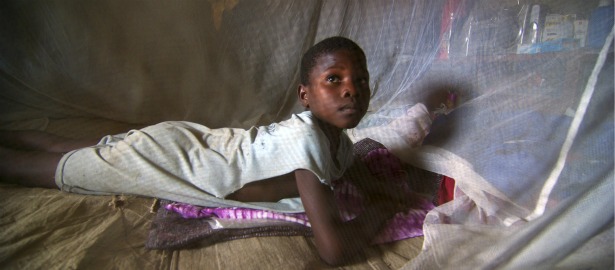
Kas tasuta voodivõrgud põhjustavad mõnes riigis rohkem malaariajuhtumeid? Kas parasiidivastased pillid võivad ühes riigis kooliskäimist tõsta ja teises riigis mitte mingit mõju avaldada? Kui odav peab olema ennetav abi, et madala sissetulekuga pered saaksid arsti juurde pääseda?
Nendele keerulistele küsimustele riigipõhiselt vastamiseks ei pruugi olla ideaalset viisi. Kuid mõned juhtivad teadlased arvavad, et kõige rangem vastus pärineb sellest, mida nad nimetavad "juhuslikuks kontrollitud katseteks".
Esther Duflo on laialdaselt tunnustatud kui maailma juhtiv randomiseeritud kontrollitud uuringute propageerija arenguökonoomikas. Metoodikana on RCT-d kasutatud üle poole sajandi kliinilises meditsiinis, kus ravimi või meditsiinilise protseduuri mõju kinnitatakse või lükatakse ümber kontroll- ja ravigruppe hõlmavates teaduslikes katsetes. RCT-de kasutamine ülemaailmse vaesuse vastu võitlemiseks on viimase kümnendi nähtus, kuid see on tabanud paradigma muutust majanduses, avalikus poliitikas ja muudes distsipliinides.
Eelmisel aastal avaldasid Duflo* ja tema kaasvandenõu J-PAL-is Abhijit Banerjee raamatu " Kehv majandus: globaalse vaesuse vastu võitlemise viisi radikaalne ümbervaatamine" . Raamat annab ülevaate suurest osast sellest, mida nad on RCT-de ja muul viisil õppinud, ning seab kahtluse alla "suurte universaalsete vastuste" ja "laiaulatuslike järelduste" vaesuse kohta. Selle asemel soovitavad nad andmepõhist lähenemist, mis otsib konkreetseid ja sihipäraseid vastuseid sellele, mis tegelikult töötab, mis töötab paremini ja mis kuluefektiivselt. Esther Duflo on laialdaselt tunnustatud kui maailma juhtiv randomiseeritud kontrollitud uuringute eestkõneleja arenguökonoomikas. Metoodikana on RCT-d kasutatud üle poole sajandi kliinilises meditsiinis, kus ravimi või meditsiinilise protseduuri mõju kinnitatakse või lükatakse ümber kontroll- ja ravigruppe hõlmavates teaduslikes katsetes. RCT-de kasutamine ülemaailmse vaesuse vastu võitlemiseks on viimase kümnendi nähtus, kuid see on tabanud paradigma muutust majanduses, avalikus poliitikas ja muudes distsipliinides.
Olles saanud füüsiku ja inseneri väljaõppe, hindan ja toetan Duflo teaduslikku lähenemist vaesuse vastu võitlemisele. (Täielik avalikustamine: kuulun organisatsiooni Innovations for Poverty Action juhatusse, mis on J-PAL-i lähedane partner.) Kuid raamatut lugedes meenus korduvalt kaks asja: esiteks, parim teadus nõuab teooriat sama palju kui eksperimenteerimist. Andmed ilma hea teooriata on ainult mõõtmised, mitte teadmised, ja võimas teooria on sageli laiaulatuslik. Puhtalt praktilise asjana aitab teooria meid ülal pidada, kui meil andmeid napib. Teiseks tundub, et Duflo ja Banerjee ei tunne end mugavalt suurepäraste vastuste vastu. Enamik raamatu peatükke lõpeb osadega, mis annavad üldsõnalisi seisukohti rahvatervise, hariduse, mikrokrediidi ja ettevõtluse kohta, mida sageli ei toetata täielikult eksperimentidega. Nende viimane peatükk pealkirjaga "Üldse järelduse asemel" pakub siiski viis üldist väidet vaeste inimeste kohta kogu maailmas.
Esitasin Duflole e-posti teel küsimusi RCT-de ja tema raamatu kohta...
KT : Mis on teie arvates RCT-de senine suurim panus rahvusvahelisse arengusse?
ED : Esiteks oleme teinud palju edusamme aruteludes, mille üle me ilmselt ikka veel lõputult arutleksime: kas voodivõrkude tasuta äraandmine takistab kasutamist? Kas nullist erinevad hinnad takistavad ennetava hoolduse kasutamist? Teiseks oleme tuvastanud mõned paljutõotavad sekkumised ja neid hakatakse suurendama, kusjuures parim näide on ussitõrje. [KT: Ussitõrje viitab parasiidivastastele pillidele, mida lastele manustades on näidatud, et need suurendavad kooliskäimist.] Kolmandaks oleme mõnes valdkonnas (näiteks algharidus) kogunud piisavalt teadmisi, et meil hakkab tekkima laiapõhjaline süsteemne ülevaade probleemidest ja lahendustest. Neljandaks, mis võib-olla kõige tähtsam, on valitsustes ja organisatsioonides nüüd rohkem tunnustatud, kui oluline on asju range jälgimise all proovida ja ebaõnnestumise võimalus avatuks jätta. Ma arvan, et see nihe kultuuris võib kujuneda pikemas perspektiivis suurimaks panuseks.
KT : Mis on suurim väljakutse selles, kuidas RCT-sid tegelikkuses läbi viiakse, tõlgendatakse või sellest räägitakse? Või kui küsida teistmoodi, millist domineerivat tava nende inimeste kogukonnas, kes juhivad või loevad RCT-sid, tahaksite kõige rohkem muuta?
ED : Tegelikult pole mul palju kurta. Ma arvan, et praegu on inimesed väga loomingulised, üritades piire mitmes suunas nihutada: lisades rohkem teooriat, kombineerides struktuurimudeleid ja eksperimente, kombineerides "laborikatset" RCT-ga, proovides tõeliselt julgeid asju, nagu näiteks riigiteenistujate palkade randomiseerimine.
Mind julgustab ka see, kuidas RCT-de kasutamine poliitikaringkondadesse jõuab, kuid seal on mul üks probleem: ma arvan, et poliitikakujundajad on valmis kasutama eksperimente millegi tegemise õigustamiseks, kuid mida me veel ei näe, on tõsine katse kasutamine poliitika kärpimiseks.
KT : Kui ma bakalaureuseõppes majanduskursustel õppisin, mäletan, et arvasin, et suur osa ökonomeetriast oli katse tuua andmetest välja põhjuslikud seletused just neil juhtudel, kui RCT-d ei olnud praktilised. Kaudne eeldus näis olevat, et RCT-d oleksid olnud ideaalsed, kuid nende puudumisel oli vaja keerukat ökonomeetriat. Kas see on majandusmetoodika mõistlik tõlgendus ja kui jah, siis miks arvate, et arenguökonoomika RCT-de omaksvõtmiseks kulus nii kaua aega?
ED : Ma arvan, et osaliselt võisime me valdkonnana eeldada, et see oli keerulisem või kallim, kui see tegelikult oli. Michael Kremeri tõeline geenius oli väikese eelarvega RCT-de proovimine. Siis, kui paljud meist hakkasid tema eeskujul innustatuna samasugust tööd tegema, saime järk-järgult teada, mida inimesed on teistel teadusaladel juba ammu teadnud: et akadeemilisteks õpinguteks on raha kogumine. Seega hakkasime raha juurde koguma. Need kaks arusaama koos avasid kogu valdkonna.
KT : Te vaidlete oma raamatus tugevalt vastu kõikehõlmavatele rahvusvahelise arengu teooriatele, mida võiks tõlgendada kui kaudset tunnistamist arengu keerukuse kohta. Siiski on arenguökonoomika RCT-d sageli inimkäitumise RCT-d teatud kontekstides. Kas te siis vihjate, et inimkäitumise kohta ei saa olla kõikehõlmavaid teooriaid?
ED : Kindlasti võib olla teoreetilisi arusaamu, mõnega lõpetame raamatus. Kuid pole üht suurt raamistikku, mis kõike seletaks, ega kõigele suurt lahendust.
KT : Kuigi rahvusvahelise arengu eesmärkides ollakse umbkaudu üksmeelel, on inimestel sageli erinevad arusaamad lõppeesmärkidest. Mõned inimesed arvavad, et see on iga riigi teatud majanduslik saavutus; teised arvavad, et see on universaalne tervishoid ja haridus; teised jälle arvavad, et see on sotsiaalne õiglus; jne Kas teil on silme ees mõni lõplik eesmärk, mille nimel töötate?
ED : Ma pole kindel, kas mul on selle kohta tõesti arvamus või kas ma peaksin seda tegema. Arvan, et eesmärgid peaks seadma poliitiline protsess, oluline on see, mida ühiskond ühel hetkel soovib. Mul võib olla oma nägemus sellest, mis on elus oluline, kuid ma ei ole filosoof ja ma ei tunne, et minu ülesanne on öelda inimestele, mida nad peaksid oluliseks pidama. Arvan, et majandusteadlase ülesanne peaks olema aidata üksikisikutel või ühiskondadel (nende poliitikakujundajate kaudu) neid eesmärke saavutada, kui need on seatud.
***
Poor Economics on igal juhul kohustuslik lugemine kõigile rahvusvahelisest arengust huvitatud inimestele ja see ilmus äsja pehmes köites. Ükskõik, kas usute suurtesse teooriatesse või mitte, on raske eitada andmete ja hoolika vaatluse väärtust. Banerjee ja Duflo täidavad oma raamatu isiklikest kogemustest ja teaduslikest uuringutest saadud raskete arusaamadega. Ja hoolimata sellest, et Duflo loovutas oma moraalsed eesmärgid filosoofiale ja avalikule sfäärile, on tema ratsionaalselt karastatud kirg aidata vaeseid kogukondi üle kogu maailma tunda igal lehel.
______
*Duflo tunnustab heldelt oma kolleegi Harvardi majandusteadlast Michael Kremerit hiljutise RCT-laine käivitamise eest rahvusvahelises arengus, kuid just tema väsimatute jõupingutustega MIT-i Abdul Latif Jameel Poverty Action Labi (J-PAL) samanimelise annetaja tõukejõud on muutnud RCT-d muuks kui peavooluks.
COMMUNITY REFLECTIONS
SHARE YOUR REFLECTION
5 PAST RESPONSES
They all necessary. there was another comment disappeared before I made reply. I know there are a lot of things that make harder things. To point first one is trust and it is the backbone of everything. So without going long way of trying tiresome points, tell simplest and reason. Not doing so is lack of trust of the simple ways.
"we prefer the NGO work to be this way because that way is not best for such...such...such.."
You can put it like that way but if you go as far as 1 million pages is lack of trust.
If there are certain ways of doing things and you know works best then say the.
You didn't cause any problem but some fear and it happens because of authority.
I really don't tolerate violence but when I look the feelings of my actions I feel what innocent Asians would feel like. It was intended the woman who spoke up to be in as cases would be worked. So that she would learn how to respect human feelings and laws but money launderer might saved.
Well, I am not complaining anything. I just want to satisfy all parts and expect some peace.
[Hide Full Comment]A couple of things: if you have no food and shelter, you die. If you have no access to health care and hygiene, your life span is severely shortened. If you have no access to education, it's almost impossible to be a part of the solution. So from a purely 'common sense' point of view, I wouldn't have thought the basic necessities of life such as food, shelter, health and education were basics that could be left out of any RTCs. Do we really need to spend time and money figuring out if a 'society' really wants these things?
Well, it seems there had been misunderstandings about what to be done and how to be done. Woman is repressed and if she would have known that it is as simple as this she would have owned google seach "N.A" long ago. Well, we teach only what you say and only how you say. Just make next step, it is that I was called today by someone I last knew was in Nairobi and now is very far, Finland. I recognized her voice before I changed mine because I was in Sale and couldn't ask money nor could I let her know it was me. So I had 3 feeling at one time...So i started to feel shame.
Anyway, our NGO can teach Buddhism, Jews and whatever else you like. Make a progress and I don't mind much about it. All I need is to be on google search for dignity and make something that has value.
Are we together? It is just that simple if you can make and understand people who are left behind.
More information please contact us:
enkosariverschool@gmail.com
WELCOME FRIENDS
saladgsÞwgvtþRBH\nÞekasa
ENKOSA RIVER SCHOOL
We are all
very happy to welcome you all to Enkosa River School, Enkosa Buddhist Pagoda,
Siem Reap.
The School
is for ALL local children, teenagers and adults completely free of charge.
They come to
lessons 5 days a week to learn and improve their foreign language
skills...mainly the English Language...to give them better opportunities of a
good job in tourism in the future here or maybe work or study abroad.
1. THE SCHOOL
Opened in
November 2010 and currently has 8 classes nightly and around 150 regular happy
students
ranging from
3 years of age to 30!
We employ 3
Part Time Khmer Teachers on a modest salary and rely on volunteer native
speakers...now 100 per cent English Native Speakers , usually students who stay
a week or two or sometimes fully qualified teachers who have some free time who
live in Siem Reap.
Educating
the students in a mature, interesting and fun way.
We receive
no funding from either the Cambodian Goverment nor the Local Siem Reap
Administration or any NGO's.
We TOTALLY
100% rely on donations, mainly small donations from tourists who visit the
Pagoda on their way back from Angkor Wat and some small donations from mainly
good hearted individuals from overseas.
We ALWAYS in
NEED of DONATIONS either, financial assistance for the everyday running costs (
e.g. electricity, computer and internet
access for knowledge and lesson plans, water for the children, marker pens, ink
printer,books, pencils, crayons, first aid supplies, etc etc) and volunteer
helpers time.
Currently
our monthly running costs are roughly 270 US Dollars.
This breaks
down as such:
3 khmer Part
Time Trainer Teachers Salaries $30 each......$90
Electricity..Internet
Access Printer Ink PC's ...... $80..
water, marker
pens ink paper exercise books etc...$70
Emergency
Monies...Repairs First Aid Supplies..Possible sickness of a pupil or volunteer
etc... $30 …This budget needs at least doubling as a recent event in the
emergency treatment and hospitalization of one of our regular and more
experienced volunteers, high lighted a problem that needs
addressing..Thankfully he is back with us Teaching and helping train volunteers
and some development work.
THE School Moving Forward
We have put our TRUST IN BUDDHA , to help us improve the
facilities here for our beloved Children and Students.
Although
they receive a very good basic and
beyond education in a safe, friendly, loving environment, truthfully our class
rooms are totally inadequate especially in the monsoon season, where classes
could only take place on dry evenings last year.
Also there
is no reason what so ever with the right structure that the Education our
Students receive, can and will be just as good if not better than any offered
by the fee paying English Language Schools for the Children of the elite here
in Siem Reap.
Now hopefully
sooner than later we want to rebuild the Class rooms providing spacious
comfortable inside class rooms on the second floor with a multi purpose meeting
and performance room, School office and modern toilets on the ground floor,
extended to 9 metres by 28 metres, the architects plans will be finished for
April 24th.
The cost was
$180 after a 10% discount..money we need to recoup quickly.
Once again
we would like to thank the wonderful students of Students Against Poverty Group
Huonville High School Tasmania, for
leaving a cash donation of 1,400 Australian Dollars towards the new School’s
foundations.
The toilets
will also be a great help as possible sponsors at the moment have no decent
toilet facilities to use here, maybe needing to go back to their hotels when
with decent modern facilities here they may have had more time to get a feel
for our good work.
As you are
aware both materials and construction and labour costs here are very very low
compared to 1st World Countries.
2. THE LIBARY
Built in
July 2011 mostly funded and supported by Students Against Poverty Group
Huonville High School Tasmania.
It has been a
marvellous success helping all the students and volunteers to prepare
interesting lesson plans.
We currently have two
computers for student use and development, we need at least 2 more.
We are in
urgent need of more relevant English books especially 2 or 3 editions of up to date text books, The Mega
Goal Series, a major success in both Thai Government Schools and now the more
Modern Language Schools in Phom Penh swear by them, general English Language
reading material and also more Khmer books both for the little ones and
teenagers, are always appreciated.
More World
Maps are a PRIORITY.......Cambodian Children and most Adults have NO idea about
Geography...if they hopefully secure a good safe career in Tourism here, they
need to know a lot about outside of SE Asia.
3. OUT REACH
There is also a REAL
NEED for more OUT REACH work in this Province, the local authorities regularly
displace small shanty squatter communities from here to the Countryside with
little regard for their children’s education or well being. Recently around 300
shanty businesses some thriving and their homes either side of the river
outside our Pagoda were dismantled and the families in the main resettled in a
new barren land village,Kontrok 8km from
Siem Reap where there is no School whatsoever and parents are expected to pay
gasoline or motor bike or tuk tuk fares for the daily 16 km return journey , as
the local authorities have not even given the displaced families any cash for
boats..this area will flood badly in monsoon, the massive well,(reservoir) is
already full..the chances of the kids parents funding these long school
journeys and fares are worrying.
On this
point along with another local small NGO on the invitation of a representative
from a local Bank , we are looking at ways in which we can provide some kind of
immediate Educational help and hopefully long term assistance. All these
projects will need funding.
Also we would like to
continue when financially feasible practical outreach projects such as the well ( reservour) and water pumps and
labor we provided in FEB 2010 at a small poor rural village, Ornlongkrahn
in Stoung District around 100 km from here in the direction of Phnom Penh,
totally funded by two kind Australians and an American for less than $1300.
We are very
excited about starting a new project here for local women, teaching them how to
sew, make and repair clothes and crafts...enabling them to earn money for their
families and pass their skills on. Making School uniforms etc. will help
massively the 400 children attending the very basic local school with only 3
Khmer teachers!
We
desperately need to build a basic work shop for the Sewing Cooperative and some
basic accommodation for English Language Native Speaking Volunteers to assist
at the School….as soon as possible.
Once again
our friend’s Students Against Poverty Group Huonville High School Tasmania,
Have made a
1000 Australian Dollar donation to start work on a workshop for the Sewing
Cooperative but we will need more sponsorship and assistance.
As you are
aware both materials and construction and labour costs here are very very low
compared to 1st World Countries.
Finally with
the growing number of foreign tourists it is very important to secure a
training budget..so for example we could invite an NGO drama workshop to
educate the children that NOT all foreigners are NICE men ( or women), and
other relevant training and workshops for both the children and Khmer Teachers
So we have a
lot of good work to do
We are in
the process of producing proposals for all the Projects that Need Completing.
Thank you
for your friendship and help ...you are
always welcome..on behalf of all our wonderful Children ..Orgun chran
Your Kindest regards
DEPOSIT
INFORMATION
ACLEDA BANK
Phone: (+855)
23994444
Fax: (+855)
23430555
Swift Code: ACLBKHPP Chips
UID: 415637
Yorn Chea -
ACCOUNT NUMBER: 3451-20-752208-1-0
Yorn Chea and all at Enkosa River School
cdf
[Hide Full Comment]