
En ledande utvecklingsekonom talar om dygderna och begränsningarna hos ett datadrivet tillvägagångssätt för att läka världens mest svårlösta problem
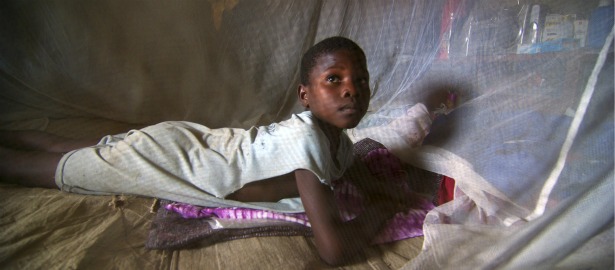 Reuters
Leder gratis sängnät i vissa länder till fler fall av malaria? Kan piller mot parasit höja skolgången i ett land och inte ha någon effekt i ett annat? Hur billigt måste förebyggande vård vara för låginkomstfamiljer att träffa läkare?
Det kanske inte finns ett perfekt sätt att svara på dessa svåra frågor land för land. Men vissa ledande forskare tror att det mest rigorösa svaret kommer från vad de kallar "randomiserade kontrollerade prövningar."
Esther Duflo är allmänt erkänd som världens ledande förespråkare för randomiserade kontrollerade studier inom utvecklingsekonomi. Som metod har RCT använts i över ett halvt sekel inom klinisk medicin, där effekten av ett läkemedel eller medicinskt ingrepp bekräftas eller förnekas i vetenskapliga experiment som involverar kontroll- och behandlingsgrupper. Användningen av RCT:er för att ta itu med global fattigdom är ett fenomen under det senaste decenniet, men det har slagit fast med kraften av ett paradigmskifte inom ekonomi, offentlig politik och andra discipliner.
Förra året publicerade Duflo* och hennes medkonspirator vid J-PAL, Abhijit Banerjee, en bok som heter Poor Economics: A Radical Rehinking of the Way to Fight Global Poverty . Boken överblickar mycket av vad de har lärt sig genom RCTs och på annat sätt, och den ställer ett större anspråk mot "stora universella svar" och "svepande slutsatser" om fattigdom. Istället rekommenderar de ett datadrivet tillvägagångssätt som söker specifika, riktade svar på vad som faktiskt fungerar, vad som fungerar bättre och vad som fungerar kostnadseffektivt. Esther Duflo är allmänt erkänd som världens ledande förespråkare för randomiserade kontrollerade prövningar inom utvecklingsekonomi. Som metod har RCT använts i över ett halvt sekel inom klinisk medicin, där effekten av ett läkemedel eller medicinskt ingrepp bekräftas eller förnekas i vetenskapliga experiment som involverar kontroll- och behandlingsgrupper. Användningen av RCT:er för att ta itu med global fattigdom är ett fenomen under det senaste decenniet, men det har slagit fast med kraften av ett paradigmskifte inom ekonomi, offentlig politik och andra discipliner.
Efter att ha utbildats till fysiker och ingenjör, uppskattar och stöder jag Duflos vetenskapliga strategi för att bekämpa fattigdom. (Fullständig avslöjande: Jag sitter i styrelsen för Innovations for Poverty Action, en nära J-PAL-partner.) Men när jag läste boken kom jag upprepade gånger på två saker: För det första kräver den bästa vetenskapen teori lika mycket som experiment. Data utan bra teori är bara mätning, inte kunskap, och kraftfull teori är ofta svepande. Rent praktiskt hjälper teori till att stödja oss när vi saknar data. För det andra verkar Duflo och Banerjee obekväma med sin egen hållning mot storslagna svar. De flesta av bokens kapitel avslutas med avsnitt som gör allmänna uttalanden om folkhälsa, utbildning, mikrofinansiering och entreprenörskap, ofta inte helt uppbackade av experiment. Deras sista kapitel, med titeln "I stället för en svepande slutsats", erbjuder ändå fem breda uttalanden om fattiga människor över hela världen.
Jag ställde några frågor till Duflo om RCT och hennes bok via e-post...
KT : Vad tror du är det största bidraget från RCT hittills i internationell utveckling?
ED : För det första har vi gjort stora framsteg i debatter som vi förmodligen fortfarande skulle diskutera oändligt: Avskräcker det att ge bort sängnät gratis? Avskräcker icke-nollpriser användning av förebyggande vård? För det andra har vi identifierat några lovande insatser, och de börjar skalas upp, med avmaskning som ett utmärkt exempel. [KT: Avmaskning syftar på antiparasitpiller som när de ges till barn har visat sig öka skolgången.] För det tredje har vi samlat på oss tillräckligt med kunskap inom vissa domäner (till exempel grundskolan) för att vi börjar få en bred systemisk syn på problem och lösningar. För det fjärde, kanske viktigast, vikten av att pröva saker under rigorös observation, att lämna möjligheten att misslyckas öppen, är nu mer erkänd inom regeringar och organisationer. Jag tror att detta kulturskifte kan visa sig vara det största bidraget på lång sikt.
KT : Vilken är den största utmaningen i det sätt som RCT faktiskt utförs, tolkas eller pratas om i praktiken? Eller, för att ställa frågan på ett annat sätt, vilken dominerande praxis inom gemenskapen av människor som kör eller läser om RCT skulle du helst vilja förändra?
ED : Jag har inte mycket att klaga på faktiskt. Jag tror för närvarande att folk är väldigt kreativa och försöker tänja på gränserna i många riktningar: införlivar mer teori, kombinerar strukturella modeller och experiment, kombinerar "labbexperiment" med RCT, försöker riktigt djärva saker som att randomisera lönerna för tjänstemän.
Jag är också uppmuntrad av hur användningen av RCT:er kommer in i policykretsar, men där har jag ett problem: jag tror att beslutsfattare är villiga att använda experiment för att rättfärdiga att göra något, men det vi inte ser ännu är en seriös användning av experiment för att beskära politik.
KT : När jag tog ekonomikurser som grundutbildning minns jag att jag tänkte att mycket av ekonometrin var ett försök att extrahera orsaksförklaringar från data exakt i de fall då RCT var opraktiska. Det implicita antagandet verkade vara att RCT skulle ha varit idealiskt, men i deras frånvaro var komplex ekonometri nödvändig. Är detta en rimlig tolkning av ekonomisk metodik, och i så fall, varför tror du att det har tagit så lång tid för utvecklingsekonomi att anamma RCT?
ED : Jag tror delvis att vi som fält kan ha antagit att det var svårare eller dyrare än det egentligen var. Michael Kremers sanna genidrag var att prova RCTs på en liten budget. Sedan, när många av oss, uppmuntrade av hans exempel, började göra liknande arbete, lärde vi oss successivt vad människor länge har vetat inom andra vetenskapliga områden: att det finns möjligheter att samla in pengar till akademiska studier. Så vi började samla in mer pengar. Dessa två insikter tillsammans öppnade hela fältet.
KT : I din bok argumenterar du starkt mot övergripande teorier om internationell utveckling, som skulle kunna tolkas som ett implicit erkännande av utvecklingens rena komplexitet. Ändå är RCT:er inom utvecklingsekonomi ofta RCT:er av mänskligt beteende i särskilda sammanhang. Antyder du då att det inte kan finnas övergripande teorier om mänskligt beteende?
ED : Det kan absolut finnas teoretiska insikter, avslutar vi med några i boken. Men det finns inte ett stort ramverk som kommer att kunna förklara allt, eller en stor lösning för allt.
KT : Även om det råder grov överenskommelse om målen för internationell utveckling, har individer ofta olika idéer om de slutliga målen. Vissa människor tror att det är en viss nivå av ekonomisk prestation för varje land; andra tror att det är allmän hälsovård och utbildning; ytterligare andra tycker att det är social rättvisa; etc. Har du ett slutmål i åtanke som du jobbar mot?
ED : Jag är inte säker på att jag verkligen har en åsikt om detta, eller att jag borde. Jag tycker att målen ska sättas av den politiska processen, av vad ett samhälle någon gång önskar är viktigt. Jag kanske har min egen syn på vad som är viktigt i livet, men jag är ingen filosof och jag känner inte att det är min uppgift att berätta för människor vad de borde tycka är viktigt. Jag tycker att en ekonoms jobb borde vara att hjälpa individer eller samhällen (via sina beslutsfattare) att nå dessa mål, när de väl har satts.
***
Dålig ekonomi är i alla fall ett måste för alla som är intresserade av internationell utveckling, och den har precis släppts i pocket. Oavsett om du tror på stora teorier eller inte, är det svårt att förneka värdet av data och noggrann observation. Banerjee och Duflo fyller sin bok med svårvunna insikter från personlig erfarenhet och vetenskapliga studier. Och trots Duflos överlåtelse av sina moraliska mål till filosofin och den offentliga sfären, känns hennes rationellt mildrade passion för att hjälpa fattiga samhällen runt om i världen på varje sida.
______
*Duflo ger generöst kredit till sin kollega, Harvard-ekonomen Michael Kremer, för att ha startat den senaste vågen av RCT:er i internationell utveckling, men det är hennes outtröttliga ansträngningar, med ett uppsving från den självbetitlade givaren av Abdul Latif Jameel Poverty Action Lab (J-PAL) vid MIT som har gjort RCT:er allt annat än mainstream.
COMMUNITY REFLECTIONS
SHARE YOUR REFLECTION
5 PAST RESPONSES
They all necessary. there was another comment disappeared before I made reply. I know there are a lot of things that make harder things. To point first one is trust and it is the backbone of everything. So without going long way of trying tiresome points, tell simplest and reason. Not doing so is lack of trust of the simple ways.
"we prefer the NGO work to be this way because that way is not best for such...such...such.."
You can put it like that way but if you go as far as 1 million pages is lack of trust.
If there are certain ways of doing things and you know works best then say the.
You didn't cause any problem but some fear and it happens because of authority.
I really don't tolerate violence but when I look the feelings of my actions I feel what innocent Asians would feel like. It was intended the woman who spoke up to be in as cases would be worked. So that she would learn how to respect human feelings and laws but money launderer might saved.
Well, I am not complaining anything. I just want to satisfy all parts and expect some peace.
[Hide Full Comment]A couple of things: if you have no food and shelter, you die. If you have no access to health care and hygiene, your life span is severely shortened. If you have no access to education, it's almost impossible to be a part of the solution. So from a purely 'common sense' point of view, I wouldn't have thought the basic necessities of life such as food, shelter, health and education were basics that could be left out of any RTCs. Do we really need to spend time and money figuring out if a 'society' really wants these things?
Well, it seems there had been misunderstandings about what to be done and how to be done. Woman is repressed and if she would have known that it is as simple as this she would have owned google seach "N.A" long ago. Well, we teach only what you say and only how you say. Just make next step, it is that I was called today by someone I last knew was in Nairobi and now is very far, Finland. I recognized her voice before I changed mine because I was in Sale and couldn't ask money nor could I let her know it was me. So I had 3 feeling at one time...So i started to feel shame.
Anyway, our NGO can teach Buddhism, Jews and whatever else you like. Make a progress and I don't mind much about it. All I need is to be on google search for dignity and make something that has value.
Are we together? It is just that simple if you can make and understand people who are left behind.
More information please contact us:
enkosariverschool@gmail.com
WELCOME FRIENDS
saladgsÞwgvtþRBH\nÞekasa
ENKOSA RIVER SCHOOL
We are all
very happy to welcome you all to Enkosa River School, Enkosa Buddhist Pagoda,
Siem Reap.
The School
is for ALL local children, teenagers and adults completely free of charge.
They come to
lessons 5 days a week to learn and improve their foreign language
skills...mainly the English Language...to give them better opportunities of a
good job in tourism in the future here or maybe work or study abroad.
1. THE SCHOOL
Opened in
November 2010 and currently has 8 classes nightly and around 150 regular happy
students
ranging from
3 years of age to 30!
We employ 3
Part Time Khmer Teachers on a modest salary and rely on volunteer native
speakers...now 100 per cent English Native Speakers , usually students who stay
a week or two or sometimes fully qualified teachers who have some free time who
live in Siem Reap.
Educating
the students in a mature, interesting and fun way.
We receive
no funding from either the Cambodian Goverment nor the Local Siem Reap
Administration or any NGO's.
We TOTALLY
100% rely on donations, mainly small donations from tourists who visit the
Pagoda on their way back from Angkor Wat and some small donations from mainly
good hearted individuals from overseas.
We ALWAYS in
NEED of DONATIONS either, financial assistance for the everyday running costs (
e.g. electricity, computer and internet
access for knowledge and lesson plans, water for the children, marker pens, ink
printer,books, pencils, crayons, first aid supplies, etc etc) and volunteer
helpers time.
Currently
our monthly running costs are roughly 270 US Dollars.
This breaks
down as such:
3 khmer Part
Time Trainer Teachers Salaries $30 each......$90
Electricity..Internet
Access Printer Ink PC's ...... $80..
water, marker
pens ink paper exercise books etc...$70
Emergency
Monies...Repairs First Aid Supplies..Possible sickness of a pupil or volunteer
etc... $30 …This budget needs at least doubling as a recent event in the
emergency treatment and hospitalization of one of our regular and more
experienced volunteers, high lighted a problem that needs
addressing..Thankfully he is back with us Teaching and helping train volunteers
and some development work.
THE School Moving Forward
We have put our TRUST IN BUDDHA , to help us improve the
facilities here for our beloved Children and Students.
Although
they receive a very good basic and
beyond education in a safe, friendly, loving environment, truthfully our class
rooms are totally inadequate especially in the monsoon season, where classes
could only take place on dry evenings last year.
Also there
is no reason what so ever with the right structure that the Education our
Students receive, can and will be just as good if not better than any offered
by the fee paying English Language Schools for the Children of the elite here
in Siem Reap.
Now hopefully
sooner than later we want to rebuild the Class rooms providing spacious
comfortable inside class rooms on the second floor with a multi purpose meeting
and performance room, School office and modern toilets on the ground floor,
extended to 9 metres by 28 metres, the architects plans will be finished for
April 24th.
The cost was
$180 after a 10% discount..money we need to recoup quickly.
Once again
we would like to thank the wonderful students of Students Against Poverty Group
Huonville High School Tasmania, for
leaving a cash donation of 1,400 Australian Dollars towards the new School’s
foundations.
The toilets
will also be a great help as possible sponsors at the moment have no decent
toilet facilities to use here, maybe needing to go back to their hotels when
with decent modern facilities here they may have had more time to get a feel
for our good work.
As you are
aware both materials and construction and labour costs here are very very low
compared to 1st World Countries.
2. THE LIBARY
Built in
July 2011 mostly funded and supported by Students Against Poverty Group
Huonville High School Tasmania.
It has been a
marvellous success helping all the students and volunteers to prepare
interesting lesson plans.
We currently have two
computers for student use and development, we need at least 2 more.
We are in
urgent need of more relevant English books especially 2 or 3 editions of up to date text books, The Mega
Goal Series, a major success in both Thai Government Schools and now the more
Modern Language Schools in Phom Penh swear by them, general English Language
reading material and also more Khmer books both for the little ones and
teenagers, are always appreciated.
More World
Maps are a PRIORITY.......Cambodian Children and most Adults have NO idea about
Geography...if they hopefully secure a good safe career in Tourism here, they
need to know a lot about outside of SE Asia.
3. OUT REACH
There is also a REAL
NEED for more OUT REACH work in this Province, the local authorities regularly
displace small shanty squatter communities from here to the Countryside with
little regard for their children’s education or well being. Recently around 300
shanty businesses some thriving and their homes either side of the river
outside our Pagoda were dismantled and the families in the main resettled in a
new barren land village,Kontrok 8km from
Siem Reap where there is no School whatsoever and parents are expected to pay
gasoline or motor bike or tuk tuk fares for the daily 16 km return journey , as
the local authorities have not even given the displaced families any cash for
boats..this area will flood badly in monsoon, the massive well,(reservoir) is
already full..the chances of the kids parents funding these long school
journeys and fares are worrying.
On this
point along with another local small NGO on the invitation of a representative
from a local Bank , we are looking at ways in which we can provide some kind of
immediate Educational help and hopefully long term assistance. All these
projects will need funding.
Also we would like to
continue when financially feasible practical outreach projects such as the well ( reservour) and water pumps and
labor we provided in FEB 2010 at a small poor rural village, Ornlongkrahn
in Stoung District around 100 km from here in the direction of Phnom Penh,
totally funded by two kind Australians and an American for less than $1300.
We are very
excited about starting a new project here for local women, teaching them how to
sew, make and repair clothes and crafts...enabling them to earn money for their
families and pass their skills on. Making School uniforms etc. will help
massively the 400 children attending the very basic local school with only 3
Khmer teachers!
We
desperately need to build a basic work shop for the Sewing Cooperative and some
basic accommodation for English Language Native Speaking Volunteers to assist
at the School….as soon as possible.
Once again
our friend’s Students Against Poverty Group Huonville High School Tasmania,
Have made a
1000 Australian Dollar donation to start work on a workshop for the Sewing
Cooperative but we will need more sponsorship and assistance.
As you are
aware both materials and construction and labour costs here are very very low
compared to 1st World Countries.
Finally with
the growing number of foreign tourists it is very important to secure a
training budget..so for example we could invite an NGO drama workshop to
educate the children that NOT all foreigners are NICE men ( or women), and
other relevant training and workshops for both the children and Khmer Teachers
So we have a
lot of good work to do
We are in
the process of producing proposals for all the Projects that Need Completing.
Thank you
for your friendship and help ...you are
always welcome..on behalf of all our wonderful Children ..Orgun chran
Your Kindest regards
DEPOSIT
INFORMATION
ACLEDA BANK
Phone: (+855)
23994444
Fax: (+855)
23430555
Swift Code: ACLBKHPP Chips
UID: 415637
Yorn Chea -
ACCOUNT NUMBER: 3451-20-752208-1-0
Yorn Chea and all at Enkosa River School
cdf
[Hide Full Comment]