
Een vooraanstaand ontwikkelingseconoom spreekt over de voordelen en beperkingen van een datagestuurde aanpak om de meest hardnekkige problemen van de wereld op te lossen.
 Reuters
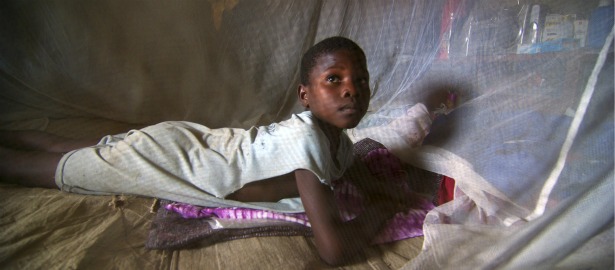
Leiden gratis klamboes in sommige landen tot meer malariagevallen? Kunnen anti-parasietpillen in het ene land het schoolbezoek verhogen en in het andere geen effect hebben? Hoe goedkoop moet preventieve zorg zijn voor gezinnen met een laag inkomen om naar de dokter te gaan?
Er is misschien geen perfecte manier om deze lastige vragen per land te beantwoorden. Maar sommige vooraanstaande wetenschappers denken dat het meest rigoureuze antwoord voortkomt uit wat zij 'gerandomiseerde gecontroleerde studies' noemen.
Esther Duflo wordt algemeen erkend als 's werelds meest vooraanstaande voorstander van gerandomiseerde gecontroleerde studies in de ontwikkelingseconomie. RCT's worden al meer dan een halve eeuw gebruikt als methodologie in de klinische geneeskunde, waar het effect van een geneesmiddel of medische procedure wordt bevestigd of ontkend in wetenschappelijke experimenten met controle- en behandelgroepen. Het gebruik van RCT's om wereldwijde armoede aan te pakken is een fenomeen van de afgelopen tien jaar, maar heeft aan populariteit gewonnen dankzij een paradigmaverschuiving in de economie, het overheidsbeleid en andere disciplines.
Vorig jaar publiceerden Duflo* en haar medeplichtige bij J-PAL, Abhijit Banerjee, een boek met de titel Poor Economics: A Radical Rehinking of the Way to Fight Global Poverty . Het boek geeft een overzicht van veel van wat ze hebben geleerd door middel van RCT's en andere onderzoeken, en zet een bredere claim tegen "algemene universele antwoorden" en "verregaande conclusies" over armoede. In plaats daarvan bevelen ze een datagestuurde aanpak aan die specifieke, gerichte antwoorden zoekt op wat daadwerkelijk werkt, wat beter werkt en wat kosteneffectief werkt. Esther Duflo wordt algemeen erkend als 's werelds meest vooraanstaande voorstander van gerandomiseerde gecontroleerde studies in de ontwikkelingseconomie. Als methodologie worden RCT's al meer dan een halve eeuw gebruikt in de klinische geneeskunde, waar het effect van een geneesmiddel of medische procedure wordt bevestigd of ontkend in wetenschappelijke experimenten met controle- en behandelgroepen. Het gebruik van RCT's om wereldwijde armoede aan te pakken is een fenomeen van de afgelopen tien jaar, maar het heeft aangeslagen met de kracht van een paradigmaverschuiving in de economie, het overheidsbeleid en andere disciplines.
Met mijn opleiding als natuurkundige en ingenieur waardeer en ondersteun ik Duflo's wetenschappelijke benadering van armoedebestrijding. (Volledige openheid: ik zit in het bestuur van Innovations for Poverty Action, een nauwe partner van J-PAL.) Toch kwamen er bij het lezen van het boek twee dingen herhaaldelijk bij me op: Ten eerste vereist de beste wetenschap net zoveel theorie als experimenten. Data zonder goede theorie is slechts meting, geen kennis, en een krachtige theorie is vaak allesomvattend. Puur praktisch gezien helpt theorie ons overeind te blijven wanneer we data missen. Ten tweede lijken Duflo en Banerjee zich ongemakkelijk te voelen bij hun eigen standpunt tegen grootse antwoorden. De meeste hoofdstukken van het boek eindigen met secties die algemene uitspraken doen over volksgezondheid, onderwijs, microfinanciering en ondernemerschap, vaak niet volledig ondersteund door experimenten. Hun laatste hoofdstuk, getiteld "In plaats van een allesomvattende conclusie", bevat desalniettemin vijf algemene uitspraken over arme mensen wereldwijd.
Ik heb Duflo via e-mail een aantal vragen gesteld over RCT's en haar boek...
KT : Wat is volgens jou tot nu toe de grootste bijdrage van RCT's aan de internationale ontwikkeling?
ED : Ten eerste hebben we veel vooruitgang geboekt in debatten waar we waarschijnlijk nog steeds eindeloos over zouden debatteren: Ontmoedigt het gratis weggeven van klamboes het gebruik ervan? Ontmoedigen prijzen die niet nul zijn het gebruik van preventieve zorg? Ten tweede hebben we een aantal veelbelovende interventies geïdentificeerd, en die beginnen opgeschaald te worden, waarbij ontworming een goed voorbeeld is. [KT: Ontworming verwijst naar anti-parasietpillen waarvan is aangetoond dat ze, wanneer ze aan kinderen worden gegeven, de schoolbezoek verhogen.] Ten derde hebben we op sommige gebieden (basisonderwijs bijvoorbeeld) voldoende kennis opgebouwd dat we een breed systemisch beeld beginnen te krijgen van problemen en oplossingen. Ten vierde, misschien wel het belangrijkste, wordt het belang van het uitproberen van dingen onder strenge observatie, van het openlaten van de mogelijkheid van mislukking, nu meer erkend binnen overheden en organisaties. Ik denk dat deze cultuuromslag op de lange termijn de grootste bijdrage zou kunnen blijken te zijn.
KT : Wat is de grootste uitdaging in de manier waarop RCT's in de praktijk worden uitgevoerd, geïnterpreteerd of besproken? Of, om de vraag anders te stellen: welke dominante praktijk binnen de gemeenschap van mensen die RCT's uitvoeren of erover lezen, zou u het liefst willen veranderen?
ED : Eigenlijk heb ik niet veel te klagen. Ik denk dat mensen momenteel heel creatief zijn en de grenzen in veel richtingen proberen te verleggen: door meer theorie te integreren, structurele modellen en experimenten te combineren, "labexperimenten" te combineren met RCT, en echt gedurfde dingen te proberen, zoals het willekeurig verdelen van de lonen van ambtenaren.
Ik vind het ook bemoedigend dat RCT's steeds vaker worden gebruikt in beleidsmakers. Ik heb echter wel één probleem: ik denk dat beleidsmakers bereid zijn experimenten te gebruiken om iets te rechtvaardigen, maar wat we nog niet zien, is een serieus gebruik van experimenten om beleid te snoeien.
KT : Toen ik economie studeerde als bachelorstudent, herinner ik me dat ik dacht dat een groot deel van de econometrie een poging was om causale verklaringen uit data te halen, juist in die gevallen waarin RCT's onpraktisch waren. De impliciete aanname leek te zijn dat RCT's ideaal zouden zijn geweest, maar dat complexe econometrie bij gebrek daaraan noodzakelijk was. Is dit een redelijke interpretatie van de economische methodologie, en zo ja, waarom denk je dat het zo lang heeft geduurd voordat de ontwikkelingseconomie RCT's omarmde?
ED : Ik denk dat we als vakgebied deels hebben aangenomen dat het moeilijker of duurder was dan het in werkelijkheid was. Michael Kremers ware geniale ingeving was om RCT's met een klein budget uit te proberen. Toen velen van ons, aangemoedigd door zijn voorbeeld, soortgelijk werk gingen doen, leerden we geleidelijk wat men in andere wetenschappelijke vakgebieden al lang wist: dat er mogelijkheden zijn om geld in te zamelen voor academische studies. Dus begonnen we meer geld in te zamelen. Deze twee inzichten samen hebben het hele vakgebied geopend.
KT : In uw boek pleit u fel tegen overkoepelende theorieën over internationale ontwikkeling, die geïnterpreteerd zouden kunnen worden als een impliciete erkenning van de enorme complexiteit van ontwikkeling. Toch zijn RCT's in de ontwikkelingseconomie vaak RCT's van menselijk gedrag in specifieke contexten. Impliceert u daarmee dat er geen overkoepelende theorieën over menselijk gedrag kunnen bestaan?
ED : Er kunnen zeker theoretische inzichten zijn, zo besluiten we in het boek. Maar er is geen overkoepelend raamwerk dat alles kan verklaren, of een allesomvattende oplossing voor alles.
KT : Hoewel er een globale overeenstemming bestaat over de doelen van internationale ontwikkeling, hebben mensen vaak verschillende ideeën over het uiteindelijke doel. Sommigen denken dat het gaat om een bepaald niveau van economische prestatie voor elk land; anderen denken aan universele gezondheidszorg en onderwijs; weer anderen denken aan sociale rechtvaardigheid, enzovoort. Heb je een einddoel voor ogen waar je naartoe werkt?
ED : Ik weet niet zeker of ik hier echt een mening over heb, of dat ik dat zou moeten hebben. Ik denk dat de doelen bepaald moeten worden door het politieke proces, door wat een samenleving op een bepaald moment belangrijk vindt. Ik heb misschien mijn eigen visie op wat belangrijk is in het leven, maar ik ben geen filosoof en ik vind niet dat het mijn taak is om mensen te vertellen wat zij belangrijk zouden moeten vinden. Ik denk dat het de taak van een econoom zou moeten zijn om individuen of samenlevingen (via hun beleidsmakers) te helpen deze doelen te bereiken, zodra ze eenmaal zijn gesteld.
***
Hoe dan ook, Poor Economics is een must-read voor iedereen die geïnteresseerd is in internationale ontwikkeling, en het is net verschenen als paperback. Of je nu in grote theorieën gelooft of niet, de waarde van data en zorgvuldige observatie is moeilijk te ontkennen. Banerjee en Duflo vullen hun boek met moeizaam verworven inzichten uit persoonlijke ervaring en wetenschappelijk onderzoek. En ondanks Duflo's afwijzing van haar morele doelstellingen ten gunste van filosofie en de publieke sfeer, is haar rationeel getemperde passie voor het helpen van arme gemeenschappen wereldwijd op elke pagina voelbaar.
______
*Duflo is zeer te spreken over haar collega, Harvard-econoom Michael Kremer, die de recente golf van RCT's op het gebied van internationale ontwikkeling op gang heeft gebracht. Maar het zijn haar onvermoeibare inspanningen, met een steun van de naamgevende donateur van het Abdul Latif Jameel Poverty Action Lab (J-PAL) bij MIT, die RCT's bijna gemeengoed hebben gemaakt.
COMMUNITY REFLECTIONS
SHARE YOUR REFLECTION
5 PAST RESPONSES
They all necessary. there was another comment disappeared before I made reply. I know there are a lot of things that make harder things. To point first one is trust and it is the backbone of everything. So without going long way of trying tiresome points, tell simplest and reason. Not doing so is lack of trust of the simple ways.
"we prefer the NGO work to be this way because that way is not best for such...such...such.."
You can put it like that way but if you go as far as 1 million pages is lack of trust.
If there are certain ways of doing things and you know works best then say the.
You didn't cause any problem but some fear and it happens because of authority.
I really don't tolerate violence but when I look the feelings of my actions I feel what innocent Asians would feel like. It was intended the woman who spoke up to be in as cases would be worked. So that she would learn how to respect human feelings and laws but money launderer might saved.
Well, I am not complaining anything. I just want to satisfy all parts and expect some peace.
[Hide Full Comment]A couple of things: if you have no food and shelter, you die. If you have no access to health care and hygiene, your life span is severely shortened. If you have no access to education, it's almost impossible to be a part of the solution. So from a purely 'common sense' point of view, I wouldn't have thought the basic necessities of life such as food, shelter, health and education were basics that could be left out of any RTCs. Do we really need to spend time and money figuring out if a 'society' really wants these things?
Well, it seems there had been misunderstandings about what to be done and how to be done. Woman is repressed and if she would have known that it is as simple as this she would have owned google seach "N.A" long ago. Well, we teach only what you say and only how you say. Just make next step, it is that I was called today by someone I last knew was in Nairobi and now is very far, Finland. I recognized her voice before I changed mine because I was in Sale and couldn't ask money nor could I let her know it was me. So I had 3 feeling at one time...So i started to feel shame.
Anyway, our NGO can teach Buddhism, Jews and whatever else you like. Make a progress and I don't mind much about it. All I need is to be on google search for dignity and make something that has value.
Are we together? It is just that simple if you can make and understand people who are left behind.
More information please contact us:
enkosariverschool@gmail.com
WELCOME FRIENDS
saladgsÞwgvtþRBH\nÞekasa
ENKOSA RIVER SCHOOL
We are all
very happy to welcome you all to Enkosa River School, Enkosa Buddhist Pagoda,
Siem Reap.
The School
is for ALL local children, teenagers and adults completely free of charge.
They come to
lessons 5 days a week to learn and improve their foreign language
skills...mainly the English Language...to give them better opportunities of a
good job in tourism in the future here or maybe work or study abroad.
1. THE SCHOOL
Opened in
November 2010 and currently has 8 classes nightly and around 150 regular happy
students
ranging from
3 years of age to 30!
We employ 3
Part Time Khmer Teachers on a modest salary and rely on volunteer native
speakers...now 100 per cent English Native Speakers , usually students who stay
a week or two or sometimes fully qualified teachers who have some free time who
live in Siem Reap.
Educating
the students in a mature, interesting and fun way.
We receive
no funding from either the Cambodian Goverment nor the Local Siem Reap
Administration or any NGO's.
We TOTALLY
100% rely on donations, mainly small donations from tourists who visit the
Pagoda on their way back from Angkor Wat and some small donations from mainly
good hearted individuals from overseas.
We ALWAYS in
NEED of DONATIONS either, financial assistance for the everyday running costs (
e.g. electricity, computer and internet
access for knowledge and lesson plans, water for the children, marker pens, ink
printer,books, pencils, crayons, first aid supplies, etc etc) and volunteer
helpers time.
Currently
our monthly running costs are roughly 270 US Dollars.
This breaks
down as such:
3 khmer Part
Time Trainer Teachers Salaries $30 each......$90
Electricity..Internet
Access Printer Ink PC's ...... $80..
water, marker
pens ink paper exercise books etc...$70
Emergency
Monies...Repairs First Aid Supplies..Possible sickness of a pupil or volunteer
etc... $30 …This budget needs at least doubling as a recent event in the
emergency treatment and hospitalization of one of our regular and more
experienced volunteers, high lighted a problem that needs
addressing..Thankfully he is back with us Teaching and helping train volunteers
and some development work.
THE School Moving Forward
We have put our TRUST IN BUDDHA , to help us improve the
facilities here for our beloved Children and Students.
Although
they receive a very good basic and
beyond education in a safe, friendly, loving environment, truthfully our class
rooms are totally inadequate especially in the monsoon season, where classes
could only take place on dry evenings last year.
Also there
is no reason what so ever with the right structure that the Education our
Students receive, can and will be just as good if not better than any offered
by the fee paying English Language Schools for the Children of the elite here
in Siem Reap.
Now hopefully
sooner than later we want to rebuild the Class rooms providing spacious
comfortable inside class rooms on the second floor with a multi purpose meeting
and performance room, School office and modern toilets on the ground floor,
extended to 9 metres by 28 metres, the architects plans will be finished for
April 24th.
The cost was
$180 after a 10% discount..money we need to recoup quickly.
Once again
we would like to thank the wonderful students of Students Against Poverty Group
Huonville High School Tasmania, for
leaving a cash donation of 1,400 Australian Dollars towards the new School’s
foundations.
The toilets
will also be a great help as possible sponsors at the moment have no decent
toilet facilities to use here, maybe needing to go back to their hotels when
with decent modern facilities here they may have had more time to get a feel
for our good work.
As you are
aware both materials and construction and labour costs here are very very low
compared to 1st World Countries.
2. THE LIBARY
Built in
July 2011 mostly funded and supported by Students Against Poverty Group
Huonville High School Tasmania.
It has been a
marvellous success helping all the students and volunteers to prepare
interesting lesson plans.
We currently have two
computers for student use and development, we need at least 2 more.
We are in
urgent need of more relevant English books especially 2 or 3 editions of up to date text books, The Mega
Goal Series, a major success in both Thai Government Schools and now the more
Modern Language Schools in Phom Penh swear by them, general English Language
reading material and also more Khmer books both for the little ones and
teenagers, are always appreciated.
More World
Maps are a PRIORITY.......Cambodian Children and most Adults have NO idea about
Geography...if they hopefully secure a good safe career in Tourism here, they
need to know a lot about outside of SE Asia.
3. OUT REACH
There is also a REAL
NEED for more OUT REACH work in this Province, the local authorities regularly
displace small shanty squatter communities from here to the Countryside with
little regard for their children’s education or well being. Recently around 300
shanty businesses some thriving and their homes either side of the river
outside our Pagoda were dismantled and the families in the main resettled in a
new barren land village,Kontrok 8km from
Siem Reap where there is no School whatsoever and parents are expected to pay
gasoline or motor bike or tuk tuk fares for the daily 16 km return journey , as
the local authorities have not even given the displaced families any cash for
boats..this area will flood badly in monsoon, the massive well,(reservoir) is
already full..the chances of the kids parents funding these long school
journeys and fares are worrying.
On this
point along with another local small NGO on the invitation of a representative
from a local Bank , we are looking at ways in which we can provide some kind of
immediate Educational help and hopefully long term assistance. All these
projects will need funding.
Also we would like to
continue when financially feasible practical outreach projects such as the well ( reservour) and water pumps and
labor we provided in FEB 2010 at a small poor rural village, Ornlongkrahn
in Stoung District around 100 km from here in the direction of Phnom Penh,
totally funded by two kind Australians and an American for less than $1300.
We are very
excited about starting a new project here for local women, teaching them how to
sew, make and repair clothes and crafts...enabling them to earn money for their
families and pass their skills on. Making School uniforms etc. will help
massively the 400 children attending the very basic local school with only 3
Khmer teachers!
We
desperately need to build a basic work shop for the Sewing Cooperative and some
basic accommodation for English Language Native Speaking Volunteers to assist
at the School….as soon as possible.
Once again
our friend’s Students Against Poverty Group Huonville High School Tasmania,
Have made a
1000 Australian Dollar donation to start work on a workshop for the Sewing
Cooperative but we will need more sponsorship and assistance.
As you are
aware both materials and construction and labour costs here are very very low
compared to 1st World Countries.
Finally with
the growing number of foreign tourists it is very important to secure a
training budget..so for example we could invite an NGO drama workshop to
educate the children that NOT all foreigners are NICE men ( or women), and
other relevant training and workshops for both the children and Khmer Teachers
So we have a
lot of good work to do
We are in
the process of producing proposals for all the Projects that Need Completing.
Thank you
for your friendship and help ...you are
always welcome..on behalf of all our wonderful Children ..Orgun chran
Your Kindest regards
DEPOSIT
INFORMATION
ACLEDA BANK
Phone: (+855)
23994444
Fax: (+855)
23430555
Swift Code: ACLBKHPP Chips
UID: 415637
Yorn Chea -
ACCOUNT NUMBER: 3451-20-752208-1-0
Yorn Chea and all at Enkosa River School
cdf
[Hide Full Comment]