
Un important economist în dezvoltare vorbește despre virtuțile și limitările unei abordări bazate pe date pentru vindecarea celor mai dificile probleme ale lumii
 Reuters
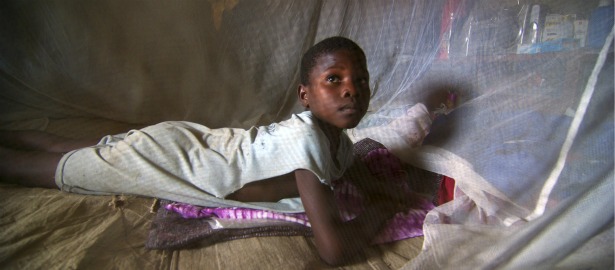
Plasele gratuite pentru pat în unele țări conduc la mai multe cazuri de malarie? Ar putea pastilele antiparazitare să crească frecvența la școală într-o țară și să nu aibă efect în alta? Cât de ieftină trebuie să fie îngrijirea preventivă pentru ca familiile cu venituri mici să se prezinte la medic?
S-ar putea să nu existe o modalitate perfectă de a răspunde la aceste întrebări spinoase, de la țară la țară. Dar unii oameni de știință de seamă cred că cel mai riguros răspuns vine din ceea ce ei numesc „trialuri controlate randomizate”.
Esther Duflo este recunoscută pe scară largă drept principala susținătoare a studiilor controlate randomizate în economia dezvoltării. Ca metodologie, RCT-urile au fost utilizate de peste o jumătate de secol în medicina clinică, unde efectul unui medicament sau al unei proceduri medicale este confirmat sau infirmat în experimente științifice care implică grupuri de control și tratament. Utilizarea RCT-urilor pentru a aborda sărăcia globală este un fenomen din ultimul deceniu, dar a prins forța unei schimbări de paradigmă în economie, politici publice și alte discipline.
Anul trecut, Duflo* și co-conspiratorul ei la J-PAL, Abhijit Banerjee, au publicat o carte intitulată Poor Economics: A Radical Rehinking of the Way to Fight Global Poverty . Cartea prezintă o mare parte din ceea ce au învățat prin intermediul RCT-urilor și în alte moduri și pune o revendicare mai amplă împotriva „răspunsurilor universale mărețe” și „concluziilor generale” despre sărăcie. În schimb, ei recomandă o abordare bazată pe date care caută răspunsuri specifice și direcționate la ceea ce funcționează de fapt, ce funcționează mai bine și ce funcționează eficient din punct de vedere al costurilor. Ca metodologie, RCT-urile au fost utilizate de peste o jumătate de secol în medicina clinică, unde efectul unui medicament sau al unei proceduri medicale este confirmat sau infirmat în experimente științifice care implică grupuri de control și tratament. Utilizarea RCT-urilor pentru a aborda sărăcia globală este un fenomen din ultimul deceniu, dar a prins forța unei schimbări de paradigmă în economie, politici publice și alte discipline.
După ce am fost instruit ca fizician și inginer, apreciez și susțin abordarea științifică a lui Duflo în combaterea sărăciei. (Dezvăluire completă: sunt în consiliul de administrație al Innovations for Poverty Action, un partener apropiat J-PAL.) Cu toate acestea, citind cartea, mi-au venit în minte două lucruri în mod repetat: În primul rând, cea mai bună știință necesită teorie la fel de mult ca și experimentare. Datele fără o teorie bună sunt doar măsurare, nu cunoaștere, iar teoria puternică este adesea larg. Doar ca o chestiune practică, teoria ne ajută să ne susținem atunci când ne lipsesc datele. În al doilea rând, Duflo și Banerjee par incomozi cu propria poziție împotriva răspunsurilor mărețe. Cele mai multe dintre capitolele cărții se încheie cu secțiuni care fac declarații generale despre sănătatea publică, educație, microfinanțare și antreprenoriat, adesea ne susținute în întregime de experimente. Ultimul capitol al acestora, intitulat „În locul unei concluzii radicale”, oferă totuși cinci declarații generale despre oamenii săraci din întreaga lume.
I-am pus lui Duflo câteva întrebări despre RCT-uri și cartea ei prin e-mail...
KT : Care credeți că este cea mai mare contribuție a RCT până acum în dezvoltarea internațională?
ED : În primul rând, am făcut multe progrese în ceea ce privește dezbaterile pe care probabil le-am dezbate la nesfârșit: Oferirea plaselor de pat pentru a descuraja utilizarea gratuită? Prețurile diferite de zero descurajează utilizarea îngrijirilor preventive? În al doilea rând, am identificat câteva intervenții promițătoare, iar acestea încep să fie extinse, deparazitarea fiind un prim exemplu. [KT: Deparazitarea se referă la pastilele anti-parazitare care, atunci când sunt date copiilor, s-a dovedit că măresc frecvența la școală.] În al treilea rând, am acumulat suficiente cunoștințe în unele domenii (învățământul primar, de exemplu) încât începem să avem o viziune sistemică largă asupra problemelor și soluțiilor. În al patrulea rând, poate cel mai important, importanța de a încerca lucrurile sub observație riguroasă, de a lăsa deschisă posibilitatea eșecului, este acum mai recunoscută în cadrul guvernelor și organizațiilor. Cred că această schimbare de cultură s-ar putea dovedi a fi cea mai mare contribuție pe termen lung.
KT : Care este cea mai mare provocare în modul în care RCT-urile sunt de fapt conduse, interpretate sau despre care se vorbește în practică? Sau, pentru a pune întrebarea într-un mod diferit, ce practică dominantă în cadrul comunității de oameni care conduc sau citesc despre RCT ați dori cel mai mult să schimbați?
ED : De fapt, nu am multe de ce să mă plâng. Cred că în acest moment, oamenii sunt foarte creativi, încercând să depășească limitele în mai multe direcții: încorporând mai multă teorie, combinând modele structurale și experiment, combinând „experimentul de laborator” cu RCT, încercând lucruri cu adevărat îndrăznețe, cum ar fi randomizarea salariilor pentru funcționarii publici.
De asemenea, sunt încurajat de modul în care utilizarea RCT-urilor intră în cercurile politice, dar acolo am o problemă: cred că factorii de decizie sunt dispuși să folosească experimente pentru a justifica a face ceva, dar ceea ce nu vedem încă este o utilizare serioasă a experimentului pentru a tăia politicile.
KT : Când am urmat cursuri de economie ca student, îmi amintesc că m-am gândit că o mare parte din econometrie era o încercare de a extrage explicații cauzale din date exact în acele cazuri în care RCT-urile nu erau practice. Presupunerea implicită părea să fie că RCT-urile ar fi fost ideale, dar în absența lor, era necesară o econometrie complexă. Este aceasta o interpretare rezonabilă a metodologiei economice și, dacă da, de ce credeți că a durat atât de mult pentru ca economia dezvoltării să îmbrățișeze RCT-urile?
ED : Cred că, parțial, noi, ca domeniu, am presupus că a fost mai dificil sau mai scump decât a fost în realitate. Adevărata criză de geniu a lui Michael Kremer a fost să încerce RCT-uri cu un buget mic. Apoi, când mulți dintre noi, încurajați de exemplul lui, au început să facă lucrări similare, am învățat progresiv ceea ce oamenii știau de mult în alte domenii științifice: că există posibilități de a strânge bani pentru studii academice. Așa că am început să strângem mai mulți bani. Aceste două perspective combinate au deschis întregul domeniu.
KT : În cartea ta, argumentezi cu tărie împotriva teoriilor generale ale dezvoltării internaționale, care ar putea fi interpretate ca o recunoaștere implicită a complexității absolute a dezvoltării. Cu toate acestea, RCT-urile din economia dezvoltării sunt adesea RCT-uri ale comportamentului uman în anumite contexte. Deci, insinuezi că nu pot exista teorii generale ale comportamentului uman?
ED : Cu siguranță pot exista perspective teoretice, concluzionăm cu unele din carte. Dar nu există un cadru mare care să poată explica totul sau o soluție mare pentru toate.
KT : Deși există un acord aproximativ cu privire la obiectivele dezvoltării internaționale, indivizii au adesea idei diferite cu privire la scopurile finale. Unii oameni cred că este un anumit nivel de realizare economică pentru fiecare țară; alții cred că este o asistență medicală și educație universală; încă alții cred că este dreptate socială; etc. Aveți în minte un obiectiv final spre care lucrați?
ED : Nu sunt sigur că am cu adevărat o părere despre asta sau că ar trebui. Cred că obiectivele ar trebui stabilite de procesul politic, de ceea ce o societate își dorește la un moment dat este important. Poate am propria mea viziune asupra a ceea ce este important în viață, dar nu sunt un filosof și nu cred că este treaba mea să spun oamenilor ce ar trebui să creadă că este important. Cred că treaba unui economist ar trebui să fie de a ajuta indivizii sau societățile (prin intermediul factorilor lor de decizie) să atingă aceste obiective, odată ce acestea au fost stabilite.
***
În orice caz, Poor Economics este o lectură obligatorie pentru oricine este interesat de dezvoltarea internațională și tocmai a fost lansat în broșurat. Indiferent dacă crezi sau nu în marile teorii, este greu să negi valoarea datelor și a observației atente. Banerjee și Duflo își umplu cartea cu informații obținute cu greu din experiența personală și studii științifice. Și, în ciuda cedarii de către Duflo a obiectivelor sale morale către filozofie și sfera publică, pasiunea ei temperată rațional pentru a ajuta comunitățile sărace din întreaga lume se simte pe fiecare pagină.
______
*Duflo îl creditează cu generozitate pe colegul ei, economistul de la Harvard, Michael Kremer, că a dat startul recentului val de RCT-uri în dezvoltarea internațională, dar eforturile ei neobosite, cu un impuls de la donatorul eponim al Abdul Latif Jameel Poverty Action Lab (J-PAL) de la MIT, au făcut ca RCT-urile să fie în general mainstream.
COMMUNITY REFLECTIONS
SHARE YOUR REFLECTION
5 PAST RESPONSES
They all necessary. there was another comment disappeared before I made reply. I know there are a lot of things that make harder things. To point first one is trust and it is the backbone of everything. So without going long way of trying tiresome points, tell simplest and reason. Not doing so is lack of trust of the simple ways.
"we prefer the NGO work to be this way because that way is not best for such...such...such.."
You can put it like that way but if you go as far as 1 million pages is lack of trust.
If there are certain ways of doing things and you know works best then say the.
You didn't cause any problem but some fear and it happens because of authority.
I really don't tolerate violence but when I look the feelings of my actions I feel what innocent Asians would feel like. It was intended the woman who spoke up to be in as cases would be worked. So that she would learn how to respect human feelings and laws but money launderer might saved.
Well, I am not complaining anything. I just want to satisfy all parts and expect some peace.
[Hide Full Comment]A couple of things: if you have no food and shelter, you die. If you have no access to health care and hygiene, your life span is severely shortened. If you have no access to education, it's almost impossible to be a part of the solution. So from a purely 'common sense' point of view, I wouldn't have thought the basic necessities of life such as food, shelter, health and education were basics that could be left out of any RTCs. Do we really need to spend time and money figuring out if a 'society' really wants these things?
Well, it seems there had been misunderstandings about what to be done and how to be done. Woman is repressed and if she would have known that it is as simple as this she would have owned google seach "N.A" long ago. Well, we teach only what you say and only how you say. Just make next step, it is that I was called today by someone I last knew was in Nairobi and now is very far, Finland. I recognized her voice before I changed mine because I was in Sale and couldn't ask money nor could I let her know it was me. So I had 3 feeling at one time...So i started to feel shame.
Anyway, our NGO can teach Buddhism, Jews and whatever else you like. Make a progress and I don't mind much about it. All I need is to be on google search for dignity and make something that has value.
Are we together? It is just that simple if you can make and understand people who are left behind.
More information please contact us:
enkosariverschool@gmail.com
WELCOME FRIENDS
saladgsÞwgvtþRBH\nÞekasa
ENKOSA RIVER SCHOOL
We are all
very happy to welcome you all to Enkosa River School, Enkosa Buddhist Pagoda,
Siem Reap.
The School
is for ALL local children, teenagers and adults completely free of charge.
They come to
lessons 5 days a week to learn and improve their foreign language
skills...mainly the English Language...to give them better opportunities of a
good job in tourism in the future here or maybe work or study abroad.
1. THE SCHOOL
Opened in
November 2010 and currently has 8 classes nightly and around 150 regular happy
students
ranging from
3 years of age to 30!
We employ 3
Part Time Khmer Teachers on a modest salary and rely on volunteer native
speakers...now 100 per cent English Native Speakers , usually students who stay
a week or two or sometimes fully qualified teachers who have some free time who
live in Siem Reap.
Educating
the students in a mature, interesting and fun way.
We receive
no funding from either the Cambodian Goverment nor the Local Siem Reap
Administration or any NGO's.
We TOTALLY
100% rely on donations, mainly small donations from tourists who visit the
Pagoda on their way back from Angkor Wat and some small donations from mainly
good hearted individuals from overseas.
We ALWAYS in
NEED of DONATIONS either, financial assistance for the everyday running costs (
e.g. electricity, computer and internet
access for knowledge and lesson plans, water for the children, marker pens, ink
printer,books, pencils, crayons, first aid supplies, etc etc) and volunteer
helpers time.
Currently
our monthly running costs are roughly 270 US Dollars.
This breaks
down as such:
3 khmer Part
Time Trainer Teachers Salaries $30 each......$90
Electricity..Internet
Access Printer Ink PC's ...... $80..
water, marker
pens ink paper exercise books etc...$70
Emergency
Monies...Repairs First Aid Supplies..Possible sickness of a pupil or volunteer
etc... $30 …This budget needs at least doubling as a recent event in the
emergency treatment and hospitalization of one of our regular and more
experienced volunteers, high lighted a problem that needs
addressing..Thankfully he is back with us Teaching and helping train volunteers
and some development work.
THE School Moving Forward
We have put our TRUST IN BUDDHA , to help us improve the
facilities here for our beloved Children and Students.
Although
they receive a very good basic and
beyond education in a safe, friendly, loving environment, truthfully our class
rooms are totally inadequate especially in the monsoon season, where classes
could only take place on dry evenings last year.
Also there
is no reason what so ever with the right structure that the Education our
Students receive, can and will be just as good if not better than any offered
by the fee paying English Language Schools for the Children of the elite here
in Siem Reap.
Now hopefully
sooner than later we want to rebuild the Class rooms providing spacious
comfortable inside class rooms on the second floor with a multi purpose meeting
and performance room, School office and modern toilets on the ground floor,
extended to 9 metres by 28 metres, the architects plans will be finished for
April 24th.
The cost was
$180 after a 10% discount..money we need to recoup quickly.
Once again
we would like to thank the wonderful students of Students Against Poverty Group
Huonville High School Tasmania, for
leaving a cash donation of 1,400 Australian Dollars towards the new School’s
foundations.
The toilets
will also be a great help as possible sponsors at the moment have no decent
toilet facilities to use here, maybe needing to go back to their hotels when
with decent modern facilities here they may have had more time to get a feel
for our good work.
As you are
aware both materials and construction and labour costs here are very very low
compared to 1st World Countries.
2. THE LIBARY
Built in
July 2011 mostly funded and supported by Students Against Poverty Group
Huonville High School Tasmania.
It has been a
marvellous success helping all the students and volunteers to prepare
interesting lesson plans.
We currently have two
computers for student use and development, we need at least 2 more.
We are in
urgent need of more relevant English books especially 2 or 3 editions of up to date text books, The Mega
Goal Series, a major success in both Thai Government Schools and now the more
Modern Language Schools in Phom Penh swear by them, general English Language
reading material and also more Khmer books both for the little ones and
teenagers, are always appreciated.
More World
Maps are a PRIORITY.......Cambodian Children and most Adults have NO idea about
Geography...if they hopefully secure a good safe career in Tourism here, they
need to know a lot about outside of SE Asia.
3. OUT REACH
There is also a REAL
NEED for more OUT REACH work in this Province, the local authorities regularly
displace small shanty squatter communities from here to the Countryside with
little regard for their children’s education or well being. Recently around 300
shanty businesses some thriving and their homes either side of the river
outside our Pagoda were dismantled and the families in the main resettled in a
new barren land village,Kontrok 8km from
Siem Reap where there is no School whatsoever and parents are expected to pay
gasoline or motor bike or tuk tuk fares for the daily 16 km return journey , as
the local authorities have not even given the displaced families any cash for
boats..this area will flood badly in monsoon, the massive well,(reservoir) is
already full..the chances of the kids parents funding these long school
journeys and fares are worrying.
On this
point along with another local small NGO on the invitation of a representative
from a local Bank , we are looking at ways in which we can provide some kind of
immediate Educational help and hopefully long term assistance. All these
projects will need funding.
Also we would like to
continue when financially feasible practical outreach projects such as the well ( reservour) and water pumps and
labor we provided in FEB 2010 at a small poor rural village, Ornlongkrahn
in Stoung District around 100 km from here in the direction of Phnom Penh,
totally funded by two kind Australians and an American for less than $1300.
We are very
excited about starting a new project here for local women, teaching them how to
sew, make and repair clothes and crafts...enabling them to earn money for their
families and pass their skills on. Making School uniforms etc. will help
massively the 400 children attending the very basic local school with only 3
Khmer teachers!
We
desperately need to build a basic work shop for the Sewing Cooperative and some
basic accommodation for English Language Native Speaking Volunteers to assist
at the School….as soon as possible.
Once again
our friend’s Students Against Poverty Group Huonville High School Tasmania,
Have made a
1000 Australian Dollar donation to start work on a workshop for the Sewing
Cooperative but we will need more sponsorship and assistance.
As you are
aware both materials and construction and labour costs here are very very low
compared to 1st World Countries.
Finally with
the growing number of foreign tourists it is very important to secure a
training budget..so for example we could invite an NGO drama workshop to
educate the children that NOT all foreigners are NICE men ( or women), and
other relevant training and workshops for both the children and Khmer Teachers
So we have a
lot of good work to do
We are in
the process of producing proposals for all the Projects that Need Completing.
Thank you
for your friendship and help ...you are
always welcome..on behalf of all our wonderful Children ..Orgun chran
Your Kindest regards
DEPOSIT
INFORMATION
ACLEDA BANK
Phone: (+855)
23994444
Fax: (+855)
23430555
Swift Code: ACLBKHPP Chips
UID: 415637
Yorn Chea -
ACCOUNT NUMBER: 3451-20-752208-1-0
Yorn Chea and all at Enkosa River School
cdf
[Hide Full Comment]