
Mwanauchumi mashuhuri wa maendeleo anazungumza juu ya uzuri na mapungufu ya mbinu inayotokana na data ya kuponya matatizo makubwa zaidi duniani.
 Reuters
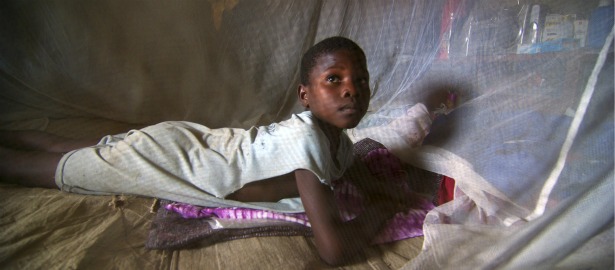
Je vyandarua vya bure katika baadhi ya nchi vinasababisha visa vingi vya malaria? Je, dawa za kuzuia vimelea zinaweza kuongeza mahudhurio ya shule katika nchi moja na hazina athari katika nchi nyingine? Je, huduma ya kinga inapaswa kuwa nafuu kwa familia za kipato cha chini ili kumuona daktari?
Huenda kusiwe na njia kamili ya kujibu maswali haya magumu kwa misingi ya nchi baada ya nchi. Lakini baadhi ya wanasayansi wakuu wanafikiri jibu kali zaidi linatokana na kile wanachokiita "majaribio yaliyodhibitiwa bila mpangilio."
Esther Duflo anatambulika sana kama mtetezi mkuu duniani wa majaribio yanayodhibitiwa nasibu katika uchumi wa maendeleo. Kama mbinu, RCTs zimetumika kwa zaidi ya nusu karne katika dawa za kimatibabu, ambapo athari ya dawa au utaratibu wa matibabu inathibitishwa au kukataliwa katika majaribio ya kisayansi yanayohusisha vikundi vya udhibiti na matibabu. Matumizi ya RCTs kushughulikia umaskini duniani ni jambo la muongo uliopita, lakini imeshikamana na mabadiliko ya dhana katika uchumi, sera za umma, na taaluma nyinginezo.
Mwaka jana, Duflo* na mshiriki mwenzake katika J-PAL, Abhijit Banerjee, walichapisha kitabu kiitwacho Poor Economics: A Radical Rehinking of the Way to Fight Global Poverty . Kitabu hiki kinatoa muhtasari wa mengi waliyojifunza kupitia RCTs na vinginevyo, na kinashikilia madai makubwa dhidi ya "majibu makubwa ya jumla" na "hitimisho kuu" kuhusu umaskini. Badala yake, wanapendekeza mbinu inayoendeshwa na data inayotafuta majibu mahususi, yaliyolengwa kwa kile kinachofanya kazi hasa, kinachofanya kazi vizuri zaidi, na kile kinachofanya kazi kwa gharama nafuu.Esther Duflo anatambulika kote ulimwenguni kuwa mtetezi mkuu wa dunia wa majaribio yanayodhibitiwa nasibu katika uchumi wa maendeleo. Kama mbinu, RCTs zimetumika kwa zaidi ya nusu karne katika dawa za kimatibabu, ambapo athari ya dawa au utaratibu wa matibabu inathibitishwa au kukataliwa katika majaribio ya kisayansi yanayohusisha vikundi vya udhibiti na matibabu. Matumizi ya RCTs kushughulikia umaskini duniani ni jambo la muongo uliopita, lakini imeshikamana na mabadiliko ya dhana katika uchumi, sera za umma, na taaluma nyinginezo.
Kwa kuwa nimefunzwa kama mwanafizikia na mhandisi, ninashukuru na kuunga mkono mbinu ya kisayansi ya Duflo ya kupambana na umaskini. (Ufichuzi kamili: Niko kwenye bodi ya Innovations for Poverty Action, mshirika wa karibu wa J-PAL.) Hata hivyo, nikisoma kitabu hiki, mambo mawili yalikuja kukumbuka mara kwa mara: Kwanza, sayansi bora inahitaji nadharia kama vile majaribio. Data bila nadharia nzuri ni kipimo tu, si maarifa, na nadharia yenye nguvu mara nyingi inajitokeza. Kama jambo la vitendo, nadharia husaidia kutudumisha tunapokosa data. Pili, Duflo na Banerjee wanaonekana kutoridhika na msimamo wao wenyewe dhidi ya majibu mazuri. Sura nyingi za kitabu hiki huhitimisha kwa sehemu zinazotoa matamko ya jumla kuhusu afya ya umma, elimu, fedha ndogo, na ujasiriamali, mara nyingi haziungwi mkono kabisa na majaribio. Sura yao ya mwisho, yenye kichwa "Mahali pa Hitimisho la Kufagia," hata hivyo inatoa kauli tano pana kuhusu watu maskini duniani kote.
Nilimuuliza Duflo maswali kuhusu RCTs na kitabu chake kupitia barua pepe...
KT : Unafikiri ni mchango gani mkubwa zaidi wa RCT hadi sasa katika maendeleo ya kimataifa?
ED : Kwanza, tumepata maendeleo mengi kwenye mijadala ambayo pengine bado tungekuwa tunajadiliana bila kikomo: Je, kutoa vyandarua kwa ajili ya matumizi bila malipo kunakatisha tamaa? Je, bei zisizo za sifuri zinakatisha tamaa matumizi ya huduma ya kinga? Pili, tumetambua baadhi ya hatua zinazoleta matumaini, na hizo zimeanza kuongezwa, huku dawa ya minyoo ikiwa mfano mkuu. [KT: Dawa ya Minyoo inarejelea vidonge vya kuzuia vimelea ambavyo vinapotolewa kwa watoto vimeonyeshwa kuongeza mahudhurio ya shule.] Tatu, tumekusanya ujuzi wa kutosha katika baadhi ya nyanja (elimu ya msingi, kwa mfano) kwamba tunaanza kuwa na mtazamo mpana wa kimfumo wa matatizo na ufumbuzi. Nne, pengine muhimu zaidi, umuhimu wa kujaribu mambo chini ya uangalizi mkali, wa kuacha wazi uwezekano wa kushindwa, sasa unatambulika zaidi ndani ya serikali na mashirika. Nadhani mabadiliko haya ya kitamaduni yanaweza kuwa mchango mkubwa zaidi kwa muda mrefu.
KT : Ni changamoto gani kubwa zaidi katika jinsi RCTs zinavyoendeshwa, kufasiriwa, au kuzungumzwa kivitendo? Au, kuuliza swali kwa njia tofauti, ni desturi gani kuu ndani ya jumuiya ya watu wanaoendesha au kusoma kuhusu RCTs ungependa zaidi kubadilisha?
ED : Sina mengi ya kulalamika kuhusu kweli. Nadhani kwa sasa, watu ni wabunifu sana, wakijaribu kusukuma mipaka katika pande nyingi: kujumuisha nadharia zaidi, kuchanganya miundo ya miundo na majaribio, kuchanganya "majaribio ya maabara" na RCT, kujaribu mambo ya ujasiri kama vile kubadilisha mishahara kwa watumishi wa umma bila mpangilio.
Pia ninatiwa moyo na jinsi matumizi ya RCTs yanavyoingia katika miduara ya sera, lakini hapo nina tatizo moja: Nadhani watunga sera wako tayari kutumia majaribio ili kuhalalisha kufanya jambo fulani, lakini jambo ambalo hatujaona bado, ni matumizi makubwa ya majaribio ili kupogoa sera.
KT : Nilipochukua kozi za uchumi kama mwanafunzi wa shahada ya kwanza, nakumbuka nikifikiria kwamba sehemu kubwa ya uchumi ilikuwa jaribio la kutoa maelezo ya sababu kutoka kwa data haswa katika hali hizo wakati RCT hazikuwa na maana. Dhana kamili ilionekana kuwa RCTs zingekuwa bora, lakini bila kutokuwepo, uchumi tata ulikuwa muhimu. Je, hii ni tafsiri nzuri ya mbinu za kiuchumi, na kama ni hivyo, unafikiri ni kwa nini imechukua muda mrefu kwa uchumi wa maendeleo kukumbatia RCTs?
ED : Nadhani, kwa kiasi fulani, sisi kama uwanja tunaweza kuwa tulidhani ilikuwa ngumu zaidi au ghali zaidi kuliko ilivyokuwa. Ujanja wa kweli wa Michael Kremer ulikuwa ni kujaribu RCTs kwa bajeti ndogo. Kisha, wengi wetu, tukitiwa moyo na mfano wake, tulianza kufanya kazi kama hiyo, tulijifunza hatua kwa hatua kile ambacho watu wamejua kwa muda mrefu katika nyanja zingine za kisayansi: kwamba kuna uwezekano wa kupata pesa kwa masomo ya kitaaluma. Kwa hivyo tulianza kuongeza pesa zaidi. Mawazo haya mawili kwa pamoja yalifungua uwanja mzima.
KT : Katika kitabu chako, unabishana vikali dhidi ya nadharia kuu za maendeleo ya kimataifa, ambazo zinaweza kufasiriwa kama kukiri wazi kwa uchangamano wa maendeleo. Hata hivyo, RCTs katika uchumi wa maendeleo mara nyingi ni RCTs ya tabia ya binadamu katika miktadha fulani. Je, basi, unamaanisha kwamba hakuwezi kuwa na nadharia kuu za tabia ya binadamu?
ED : Kwa hakika kunaweza kuwa na maarifa ya kinadharia, tunahitimisha na mengine kwenye kitabu. Lakini hakuna mfumo mmoja mkubwa ambao utaweza kuelezea kila kitu, au suluhisho kubwa kwa kila kitu.
KT : Ingawa kuna makubaliano madhubuti juu ya malengo ya maendeleo ya kimataifa, watu binafsi mara nyingi wana mawazo tofauti kuhusu malengo ya mwisho. Baadhi ya watu wanadhani ni kiwango fulani cha mafanikio ya kiuchumi kwa kila nchi; wengine wanafikiri ni huduma ya afya na elimu kwa wote; bado wengine wanafikiri ni haki ya kijamii; nk Je, una lengo la mwisho akilini ambalo unafanyia kazi?
ED : Sina hakika nina maoni kweli kuhusu hili, au kwamba ni lazima. Nadhani malengo yanapaswa kuwekwa na mchakato wa kisiasa, na kile ambacho jamii wakati fulani inatamani ni muhimu. Ninaweza kuwa na maoni yangu juu ya kile ambacho ni muhimu katika maisha, lakini mimi si mwanafalsafa, na sihisi kuwa ni kazi yangu kuwaambia watu kile wanachopaswa kufikiria ni muhimu. Nadhani kazi ya mchumi inapaswa kuwa kusaidia watu binafsi au jamii (kupitia watunga sera zao) kufikia malengo haya, mara tu yamepangwa.
***
Kwa vyovyote vile, Uchumi Mbaya ni jambo la lazima kusoma kwa mtu yeyote anayependa maendeleo ya kimataifa, na imetolewa hivi punde kwa karatasi. Iwe unaamini katika nadharia kuu au la, ni vigumu kukataa thamani ya data na uchunguzi makini. Banerjee na Duflo hujaza kitabu chao maarifa ambayo umeshinda kwa bidii kutokana na uzoefu wa kibinafsi na utafiti wa kisayansi. Na, licha ya Duflo kukabidhi malengo yake ya kimaadili kwa falsafa na nyanja ya umma, shauku yake ya kimantiki ya kusaidia jamii masikini kote ulimwenguni inasikika kwenye kila ukurasa.
______
*Duflo anamshukuru kwa ukarimu mwenzake, mchumi wa Harvard Michael Kremer, kwa kuanzisha wimbi la hivi majuzi la RCTs katika maendeleo ya kimataifa, lakini ni juhudi zake bila kuchoka, na msukumo kutoka kwa mfadhili asiyejulikana wa Abdul Latif Jameel Poverty Action Lab (J-PAL) huko MIT ambayo imefanya RCTs kuwa za kawaida.
COMMUNITY REFLECTIONS
SHARE YOUR REFLECTION
5 PAST RESPONSES
They all necessary. there was another comment disappeared before I made reply. I know there are a lot of things that make harder things. To point first one is trust and it is the backbone of everything. So without going long way of trying tiresome points, tell simplest and reason. Not doing so is lack of trust of the simple ways.
"we prefer the NGO work to be this way because that way is not best for such...such...such.."
You can put it like that way but if you go as far as 1 million pages is lack of trust.
If there are certain ways of doing things and you know works best then say the.
You didn't cause any problem but some fear and it happens because of authority.
I really don't tolerate violence but when I look the feelings of my actions I feel what innocent Asians would feel like. It was intended the woman who spoke up to be in as cases would be worked. So that she would learn how to respect human feelings and laws but money launderer might saved.
Well, I am not complaining anything. I just want to satisfy all parts and expect some peace.
[Hide Full Comment]A couple of things: if you have no food and shelter, you die. If you have no access to health care and hygiene, your life span is severely shortened. If you have no access to education, it's almost impossible to be a part of the solution. So from a purely 'common sense' point of view, I wouldn't have thought the basic necessities of life such as food, shelter, health and education were basics that could be left out of any RTCs. Do we really need to spend time and money figuring out if a 'society' really wants these things?
Well, it seems there had been misunderstandings about what to be done and how to be done. Woman is repressed and if she would have known that it is as simple as this she would have owned google seach "N.A" long ago. Well, we teach only what you say and only how you say. Just make next step, it is that I was called today by someone I last knew was in Nairobi and now is very far, Finland. I recognized her voice before I changed mine because I was in Sale and couldn't ask money nor could I let her know it was me. So I had 3 feeling at one time...So i started to feel shame.
Anyway, our NGO can teach Buddhism, Jews and whatever else you like. Make a progress and I don't mind much about it. All I need is to be on google search for dignity and make something that has value.
Are we together? It is just that simple if you can make and understand people who are left behind.
More information please contact us:
enkosariverschool@gmail.com
WELCOME FRIENDS
saladgsÞwgvtþRBH\nÞekasa
ENKOSA RIVER SCHOOL
We are all
very happy to welcome you all to Enkosa River School, Enkosa Buddhist Pagoda,
Siem Reap.
The School
is for ALL local children, teenagers and adults completely free of charge.
They come to
lessons 5 days a week to learn and improve their foreign language
skills...mainly the English Language...to give them better opportunities of a
good job in tourism in the future here or maybe work or study abroad.
1. THE SCHOOL
Opened in
November 2010 and currently has 8 classes nightly and around 150 regular happy
students
ranging from
3 years of age to 30!
We employ 3
Part Time Khmer Teachers on a modest salary and rely on volunteer native
speakers...now 100 per cent English Native Speakers , usually students who stay
a week or two or sometimes fully qualified teachers who have some free time who
live in Siem Reap.
Educating
the students in a mature, interesting and fun way.
We receive
no funding from either the Cambodian Goverment nor the Local Siem Reap
Administration or any NGO's.
We TOTALLY
100% rely on donations, mainly small donations from tourists who visit the
Pagoda on their way back from Angkor Wat and some small donations from mainly
good hearted individuals from overseas.
We ALWAYS in
NEED of DONATIONS either, financial assistance for the everyday running costs (
e.g. electricity, computer and internet
access for knowledge and lesson plans, water for the children, marker pens, ink
printer,books, pencils, crayons, first aid supplies, etc etc) and volunteer
helpers time.
Currently
our monthly running costs are roughly 270 US Dollars.
This breaks
down as such:
3 khmer Part
Time Trainer Teachers Salaries $30 each......$90
Electricity..Internet
Access Printer Ink PC's ...... $80..
water, marker
pens ink paper exercise books etc...$70
Emergency
Monies...Repairs First Aid Supplies..Possible sickness of a pupil or volunteer
etc... $30 …This budget needs at least doubling as a recent event in the
emergency treatment and hospitalization of one of our regular and more
experienced volunteers, high lighted a problem that needs
addressing..Thankfully he is back with us Teaching and helping train volunteers
and some development work.
THE School Moving Forward
We have put our TRUST IN BUDDHA , to help us improve the
facilities here for our beloved Children and Students.
Although
they receive a very good basic and
beyond education in a safe, friendly, loving environment, truthfully our class
rooms are totally inadequate especially in the monsoon season, where classes
could only take place on dry evenings last year.
Also there
is no reason what so ever with the right structure that the Education our
Students receive, can and will be just as good if not better than any offered
by the fee paying English Language Schools for the Children of the elite here
in Siem Reap.
Now hopefully
sooner than later we want to rebuild the Class rooms providing spacious
comfortable inside class rooms on the second floor with a multi purpose meeting
and performance room, School office and modern toilets on the ground floor,
extended to 9 metres by 28 metres, the architects plans will be finished for
April 24th.
The cost was
$180 after a 10% discount..money we need to recoup quickly.
Once again
we would like to thank the wonderful students of Students Against Poverty Group
Huonville High School Tasmania, for
leaving a cash donation of 1,400 Australian Dollars towards the new School’s
foundations.
The toilets
will also be a great help as possible sponsors at the moment have no decent
toilet facilities to use here, maybe needing to go back to their hotels when
with decent modern facilities here they may have had more time to get a feel
for our good work.
As you are
aware both materials and construction and labour costs here are very very low
compared to 1st World Countries.
2. THE LIBARY
Built in
July 2011 mostly funded and supported by Students Against Poverty Group
Huonville High School Tasmania.
It has been a
marvellous success helping all the students and volunteers to prepare
interesting lesson plans.
We currently have two
computers for student use and development, we need at least 2 more.
We are in
urgent need of more relevant English books especially 2 or 3 editions of up to date text books, The Mega
Goal Series, a major success in both Thai Government Schools and now the more
Modern Language Schools in Phom Penh swear by them, general English Language
reading material and also more Khmer books both for the little ones and
teenagers, are always appreciated.
More World
Maps are a PRIORITY.......Cambodian Children and most Adults have NO idea about
Geography...if they hopefully secure a good safe career in Tourism here, they
need to know a lot about outside of SE Asia.
3. OUT REACH
There is also a REAL
NEED for more OUT REACH work in this Province, the local authorities regularly
displace small shanty squatter communities from here to the Countryside with
little regard for their children’s education or well being. Recently around 300
shanty businesses some thriving and their homes either side of the river
outside our Pagoda were dismantled and the families in the main resettled in a
new barren land village,Kontrok 8km from
Siem Reap where there is no School whatsoever and parents are expected to pay
gasoline or motor bike or tuk tuk fares for the daily 16 km return journey , as
the local authorities have not even given the displaced families any cash for
boats..this area will flood badly in monsoon, the massive well,(reservoir) is
already full..the chances of the kids parents funding these long school
journeys and fares are worrying.
On this
point along with another local small NGO on the invitation of a representative
from a local Bank , we are looking at ways in which we can provide some kind of
immediate Educational help and hopefully long term assistance. All these
projects will need funding.
Also we would like to
continue when financially feasible practical outreach projects such as the well ( reservour) and water pumps and
labor we provided in FEB 2010 at a small poor rural village, Ornlongkrahn
in Stoung District around 100 km from here in the direction of Phnom Penh,
totally funded by two kind Australians and an American for less than $1300.
We are very
excited about starting a new project here for local women, teaching them how to
sew, make and repair clothes and crafts...enabling them to earn money for their
families and pass their skills on. Making School uniforms etc. will help
massively the 400 children attending the very basic local school with only 3
Khmer teachers!
We
desperately need to build a basic work shop for the Sewing Cooperative and some
basic accommodation for English Language Native Speaking Volunteers to assist
at the School….as soon as possible.
Once again
our friend’s Students Against Poverty Group Huonville High School Tasmania,
Have made a
1000 Australian Dollar donation to start work on a workshop for the Sewing
Cooperative but we will need more sponsorship and assistance.
As you are
aware both materials and construction and labour costs here are very very low
compared to 1st World Countries.
Finally with
the growing number of foreign tourists it is very important to secure a
training budget..so for example we could invite an NGO drama workshop to
educate the children that NOT all foreigners are NICE men ( or women), and
other relevant training and workshops for both the children and Khmer Teachers
So we have a
lot of good work to do
We are in
the process of producing proposals for all the Projects that Need Completing.
Thank you
for your friendship and help ...you are
always welcome..on behalf of all our wonderful Children ..Orgun chran
Your Kindest regards
DEPOSIT
INFORMATION
ACLEDA BANK
Phone: (+855)
23994444
Fax: (+855)
23430555
Swift Code: ACLBKHPP Chips
UID: 415637
Yorn Chea -
ACCOUNT NUMBER: 3451-20-752208-1-0
Yorn Chea and all at Enkosa River School
cdf
[Hide Full Comment]