
Vadošais attīstības ekonomists runā par uz datiem balstītas pieejas priekšrocībām un ierobežojumiem pasaules visneatrisināmāko problēmu risināšanā.
 Reuters
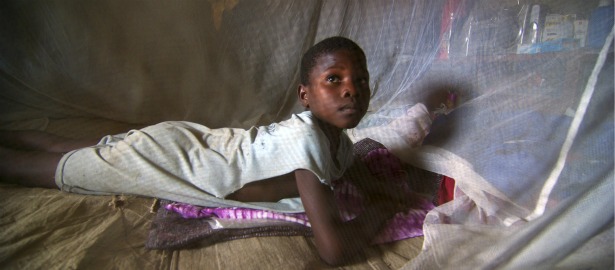
Vai dažās valstīs bezmaksas gultas tīkli izraisa vairāk malārijas gadījumu? Vai pretparazītu tabletes varētu palielināt skolas apmeklējumu vienā valstī, bet citā valstī tās neietekmēs? Cik lētai profilaktiskajai aprūpei ir jābūt maznodrošinātām ģimenēm, lai tiktu pie ārsta?
Iespējams, nav ideāls veids, kā atbildēt uz šiem sarežģītajiem jautājumiem katrā valstī. Bet daži vadošie zinātnieki uzskata, ka visstingrākā atbilde nāk no tā, ko viņi sauc par "randomizētiem kontrolētiem izmēģinājumiem".
Estere Duflo ir plaši atzīta par pasaulē vadošo randomizēto kontrolēto izmēģinājumu aizstāvi attīstības ekonomikā. Kā metodika RCT ir izmantota vairāk nekā pusgadsimtu klīniskajā medicīnā, kur zāļu vai medicīniskās procedūras ietekme tiek apstiprināta vai noliegta zinātniskos eksperimentos, kuros iesaistītas kontroles un ārstēšanas grupas. RCT izmantošana, lai risinātu globālās nabadzības problēmu, ir pēdējās desmitgades parādība, taču tā ir nokļuvusi ar paradigmas maiņas spēku ekonomikā, sabiedriskajā politikā un citās disciplīnās.
Pagājušajā gadā Duflo* un viņas sazvērniece J-PAL Abhijit Banerjee publicēja grāmatu Poor Economics: A Radical Rehinking of the Way to Fight Global Poverty . Grāmatā ir sniegts pārskats par to, ko viņi ir iemācījušies, izmantojot RCT un citādi, un tā liek domāt par "lieliskām universālām atbildēm" un "plašajiem secinājumiem" par nabadzību. Tā vietā viņi iesaka uz datiem balstītu pieeju, kas meklē konkrētas, mērķtiecīgas atbildes uz to, kas faktiski darbojas, kas darbojas labāk un kas darbojas rentabli. Esther Duflo ir plaši atzīta par pasaulē vadošo randomizētu kontrolētu izmēģinājumu aizstāvi attīstības ekonomikā. Kā metodika RCT ir izmantota vairāk nekā pusgadsimtu klīniskajā medicīnā, kur zāļu vai medicīniskās procedūras ietekme tiek apstiprināta vai noliegta zinātniskos eksperimentos, kuros iesaistītas kontroles un ārstēšanas grupas. RCT izmantošana, lai risinātu globālās nabadzības problēmu, ir pēdējās desmitgades parādība, taču tā ir nokļuvusi ar paradigmas maiņas spēku ekonomikā, sabiedriskajā politikā un citās disciplīnās.
Tā kā esmu mācījusies par fiziķi un inženieri, es novērtēju un atbalstu Duflo zinātnisko pieeju cīņai pret nabadzību. (Pilna informācija: es esmu tuvs J-PAL partneris Innovations for Poverty Action padomē.) Tomēr, lasot grāmatu, vairākkārt prātā ienāca divas lietas. Pirmkārt, labākajai zinātnei ir vajadzīga teorija tikpat daudz kā eksperimentēšana. Dati bez labas teorijas ir tikai mērījumi, nevis zināšanas, un spēcīga teorija bieži ir visaptveroša. Praktiski teorija palīdz mūs uzturēt, ja mums trūkst datu. Otrkārt, šķiet, ka Duflo un Banerjee jūtas neērti ar savu nostāju pret lieliskām atbildēm. Lielākā daļa grāmatas nodaļu beidzas ar sadaļām, kurās sniegti vispārīgi izteikumi par sabiedrības veselību, izglītību, mikrofinansēšanu un uzņēmējdarbību, bieži vien nav pilnībā pamatoti ar eksperimentiem. Viņu pēdējā nodaļa ar nosaukumu "Plaša secinājuma vietā" tomēr piedāvā piecus plašus apgalvojumus par nabadzīgajiem cilvēkiem visā pasaulē.
Es pa e-pastu uzdevu Duflo dažus jautājumus par RCT un viņas grāmatu...
KT : Kāds, jūsuprāt, ir līdz šim lielākais RCT ieguldījums starptautiskajā attīstībā?
ED : Pirmkārt, mēs esam panākuši lielu progresu debatēs, par kurām mēs, iespējams, joprojām bezgalīgi diskutētu: vai gultas tīklu izdalīšana bez maksas attur no lietošanas? Vai cenas, kas nav nulles, attur no profilaktiskās aprūpes? Otrkārt, mēs esam identificējuši dažus daudzsološus iejaukšanās veidus, un tie sāk palielināties, un attārpošana ir lielisks piemērs. [KT: Attārpošana attiecas uz pretparazītu tabletēm, kuras, ja tās tiek dotas bērniem, palielina skolas apmeklējumu.] Treškārt, mēs esam uzkrājuši pietiekami daudz zināšanu dažās jomās (piemēram, sākumskolas izglītībā), lai mēs varētu iegūt plašu sistēmisku skatījumu uz problēmām un risinājumiem. Ceturtkārt, iespējams, vissvarīgākais ir tas, cik svarīgi ir izmēģināt lietas stingrā uzraudzībā, atstāt atklātu neveiksmes iespēju, tagad vairāk tiek atzīts valdībās un organizācijās. Es domāju, ka šī kultūras maiņa ilgtermiņā varētu izrādīties lielākais ieguldījums.
KT : Kas ir lielākais izaicinājums, kā RCT faktiski tiek veikts, interpretēts vai runāts par to? Vai arī, uzdodot jautājumu citā veidā, kādu dominējošo praksi to cilvēku kopienā, kuri vada vai lasa par RCT, jūs visvairāk vēlētos mainīt?
ED : Patiesībā man nav daudz par ko sūdzēties. Es domāju, ka šobrīd cilvēki ir ļoti radoši, mēģina virzīt robežas daudzos virzienos: iekļaujot vairāk teorijas, apvienojot strukturālos modeļus un eksperimentus, apvienojot "laboratorijas eksperimentu" ar RCT, izmēģina patiešām drosmīgas lietas, piemēram, ierēdņu algu randomizāciju.
Mani iedrošina arī tas, kā RCT izmantošana ienāk politikas aprindās, taču man ir viena problēma: es domāju, ka politikas veidotāji ir gatavi izmantot eksperimentus, lai attaisnotu kaut ko darīt, bet tas, ko mēs vēl neredzam, ir nopietna eksperimenta izmantošana politikas apcirpšanai.
KT : Kad es mācījos ekonomikas kursos kā bakalaura students, es atceros, ka domāju, ka liela daļa ekonometrijas bija mēģinājums iegūt cēloņsakarības no datiem tieši tajos gadījumos, kad RCT bija nepraktiski. Šķiet, ka netiešais pieņēmums bija tāds, ka RCT būtu bijis ideāls, taču, ja to nebija, bija nepieciešama sarežģīta ekonometrija. Vai tā ir saprātīga ekonomikas metodoloģijas interpretācija, un, ja tā, tad kāpēc, jūsuprāt, ir vajadzīgs tik ilgs laiks, līdz attīstības ekonomika aptver RCT?
ED : Es domāju, ka daļēji mēs kā joma, iespējams, uzskatījām, ka tas ir grūtāk vai dārgāk, nekā tas bija patiesībā. Maikla Krēmera patiesais ģēnija trieciens bija izmēģināt RCT ar nelielu budžetu. Tad, kad daudzi no mums, viņa piemēra mudināti, sāka strādāt līdzīgu darbu, mēs pakāpeniski uzzinājām to, ko cilvēki jau sen zina citās zinātnes jomās: ka ir iespējas piesaistīt naudu akadēmiskajām studijām. Tāpēc mēs sākām vākt vairāk naudas. Šīs divas atziņas kopā pavēra visu lauku.
KT : Savā grāmatā jūs stingri iebilstat pret visaptverošām starptautiskās attīstības teorijām, kuras varētu interpretēt kā attīstības milzīgās sarežģītības netiešu atzīšanu. Tomēr RCT attīstības ekonomikā bieži ir cilvēka uzvedības RCT konkrētos kontekstos. Vai tad jūs domājat, ka nevar būt visaptverošas cilvēka uzvedības teorijas?
ED : Teorētiskas atziņas noteikti var būt, ar dažām noslēdzam grāmatā. Taču nav viena liela ietvara, kas spētu izskaidrot visu, vai liela risinājuma visam.
KT : Lai gan pastāv aptuvenas vienošanās par starptautiskās attīstības mērķiem, cilvēkiem bieži ir atšķirīgi priekšstati par galīgajiem mērķiem. Daži cilvēki domā, ka tas ir sava līmeņa ekonomiskais sasniegums katrai valstij; citi domā, ka tā ir universāla veselības aprūpe un izglītība; vēl citi domā, ka tas ir sociālais taisnīgums; utt. Vai jums ir galējais mērķis, kura sasniegšanai strādājat?
ED : Es neesmu pārliecināts, ka man patiešām ir viedoklis par to, vai man vajadzētu. Es domāju, ka mērķi ir jāizvirza politiskajam procesam, tas, ko sabiedrība kādā brīdī vēlas, ir svarīgi. Man var būt savs skatījums uz to, kas dzīvē ir svarīgs, bet es neesmu filozofs un neuzskatu, ka mans uzdevums ir stāstīt cilvēkiem, kas viņiem šķiet svarīgi. Es domāju, ka ekonomista uzdevums ir palīdzēt indivīdiem vai sabiedrībām (ar to politikas veidotāju starpniecību) sasniegt šos mērķus, kad tie ir noteikti.
***
Jebkurā gadījumā Poor Economics ir obligātā literatūra ikvienam, kas interesējas par starptautisko attīstību, un tas tikko tika izdots mīkstos vākos. Neatkarīgi no tā, vai ticat lielām teorijām vai nē, ir grūti noliegt datu vērtību un rūpīgu novērojumu. Banerjee un Duflo piepilda savu grāmatu ar grūti gūtām atziņām no personīgās pieredzes un zinātniskiem pētījumiem. Un, neskatoties uz to, ka Duflo savus morālos mērķus ir nodevusi filozofijai un publiskajai sfērai, viņas racionāli rūdītā aizraušanās palīdzēt nabadzīgajām kopienām visā pasaulē ir jūtama katrā lappusē.
______
*Duflo dāsni izsaka atzinību savam kolēģim Hārvardas ekonomistam Maiklam Krēmeram par nesenā RCT viļņa aizsākšanu starptautiskajā attīstībā, taču tās ir viņas nenogurstošās pūles, kuras ir devušas tā paša nosaukuma ziedotāja Abdul Latif Jameel Poverty Action Lab (J-PAL) MIT, kas ir padarījuši RCT par visiem, izņemot galveno virzienu.
COMMUNITY REFLECTIONS
SHARE YOUR REFLECTION
5 PAST RESPONSES
They all necessary. there was another comment disappeared before I made reply. I know there are a lot of things that make harder things. To point first one is trust and it is the backbone of everything. So without going long way of trying tiresome points, tell simplest and reason. Not doing so is lack of trust of the simple ways.
"we prefer the NGO work to be this way because that way is not best for such...such...such.."
You can put it like that way but if you go as far as 1 million pages is lack of trust.
If there are certain ways of doing things and you know works best then say the.
You didn't cause any problem but some fear and it happens because of authority.
I really don't tolerate violence but when I look the feelings of my actions I feel what innocent Asians would feel like. It was intended the woman who spoke up to be in as cases would be worked. So that she would learn how to respect human feelings and laws but money launderer might saved.
Well, I am not complaining anything. I just want to satisfy all parts and expect some peace.
[Hide Full Comment]A couple of things: if you have no food and shelter, you die. If you have no access to health care and hygiene, your life span is severely shortened. If you have no access to education, it's almost impossible to be a part of the solution. So from a purely 'common sense' point of view, I wouldn't have thought the basic necessities of life such as food, shelter, health and education were basics that could be left out of any RTCs. Do we really need to spend time and money figuring out if a 'society' really wants these things?
Well, it seems there had been misunderstandings about what to be done and how to be done. Woman is repressed and if she would have known that it is as simple as this she would have owned google seach "N.A" long ago. Well, we teach only what you say and only how you say. Just make next step, it is that I was called today by someone I last knew was in Nairobi and now is very far, Finland. I recognized her voice before I changed mine because I was in Sale and couldn't ask money nor could I let her know it was me. So I had 3 feeling at one time...So i started to feel shame.
Anyway, our NGO can teach Buddhism, Jews and whatever else you like. Make a progress and I don't mind much about it. All I need is to be on google search for dignity and make something that has value.
Are we together? It is just that simple if you can make and understand people who are left behind.
More information please contact us:
enkosariverschool@gmail.com
WELCOME FRIENDS
saladgsÞwgvtþRBH\nÞekasa
ENKOSA RIVER SCHOOL
We are all
very happy to welcome you all to Enkosa River School, Enkosa Buddhist Pagoda,
Siem Reap.
The School
is for ALL local children, teenagers and adults completely free of charge.
They come to
lessons 5 days a week to learn and improve their foreign language
skills...mainly the English Language...to give them better opportunities of a
good job in tourism in the future here or maybe work or study abroad.
1. THE SCHOOL
Opened in
November 2010 and currently has 8 classes nightly and around 150 regular happy
students
ranging from
3 years of age to 30!
We employ 3
Part Time Khmer Teachers on a modest salary and rely on volunteer native
speakers...now 100 per cent English Native Speakers , usually students who stay
a week or two or sometimes fully qualified teachers who have some free time who
live in Siem Reap.
Educating
the students in a mature, interesting and fun way.
We receive
no funding from either the Cambodian Goverment nor the Local Siem Reap
Administration or any NGO's.
We TOTALLY
100% rely on donations, mainly small donations from tourists who visit the
Pagoda on their way back from Angkor Wat and some small donations from mainly
good hearted individuals from overseas.
We ALWAYS in
NEED of DONATIONS either, financial assistance for the everyday running costs (
e.g. electricity, computer and internet
access for knowledge and lesson plans, water for the children, marker pens, ink
printer,books, pencils, crayons, first aid supplies, etc etc) and volunteer
helpers time.
Currently
our monthly running costs are roughly 270 US Dollars.
This breaks
down as such:
3 khmer Part
Time Trainer Teachers Salaries $30 each......$90
Electricity..Internet
Access Printer Ink PC's ...... $80..
water, marker
pens ink paper exercise books etc...$70
Emergency
Monies...Repairs First Aid Supplies..Possible sickness of a pupil or volunteer
etc... $30 …This budget needs at least doubling as a recent event in the
emergency treatment and hospitalization of one of our regular and more
experienced volunteers, high lighted a problem that needs
addressing..Thankfully he is back with us Teaching and helping train volunteers
and some development work.
THE School Moving Forward
We have put our TRUST IN BUDDHA , to help us improve the
facilities here for our beloved Children and Students.
Although
they receive a very good basic and
beyond education in a safe, friendly, loving environment, truthfully our class
rooms are totally inadequate especially in the monsoon season, where classes
could only take place on dry evenings last year.
Also there
is no reason what so ever with the right structure that the Education our
Students receive, can and will be just as good if not better than any offered
by the fee paying English Language Schools for the Children of the elite here
in Siem Reap.
Now hopefully
sooner than later we want to rebuild the Class rooms providing spacious
comfortable inside class rooms on the second floor with a multi purpose meeting
and performance room, School office and modern toilets on the ground floor,
extended to 9 metres by 28 metres, the architects plans will be finished for
April 24th.
The cost was
$180 after a 10% discount..money we need to recoup quickly.
Once again
we would like to thank the wonderful students of Students Against Poverty Group
Huonville High School Tasmania, for
leaving a cash donation of 1,400 Australian Dollars towards the new School’s
foundations.
The toilets
will also be a great help as possible sponsors at the moment have no decent
toilet facilities to use here, maybe needing to go back to their hotels when
with decent modern facilities here they may have had more time to get a feel
for our good work.
As you are
aware both materials and construction and labour costs here are very very low
compared to 1st World Countries.
2. THE LIBARY
Built in
July 2011 mostly funded and supported by Students Against Poverty Group
Huonville High School Tasmania.
It has been a
marvellous success helping all the students and volunteers to prepare
interesting lesson plans.
We currently have two
computers for student use and development, we need at least 2 more.
We are in
urgent need of more relevant English books especially 2 or 3 editions of up to date text books, The Mega
Goal Series, a major success in both Thai Government Schools and now the more
Modern Language Schools in Phom Penh swear by them, general English Language
reading material and also more Khmer books both for the little ones and
teenagers, are always appreciated.
More World
Maps are a PRIORITY.......Cambodian Children and most Adults have NO idea about
Geography...if they hopefully secure a good safe career in Tourism here, they
need to know a lot about outside of SE Asia.
3. OUT REACH
There is also a REAL
NEED for more OUT REACH work in this Province, the local authorities regularly
displace small shanty squatter communities from here to the Countryside with
little regard for their children’s education or well being. Recently around 300
shanty businesses some thriving and their homes either side of the river
outside our Pagoda were dismantled and the families in the main resettled in a
new barren land village,Kontrok 8km from
Siem Reap where there is no School whatsoever and parents are expected to pay
gasoline or motor bike or tuk tuk fares for the daily 16 km return journey , as
the local authorities have not even given the displaced families any cash for
boats..this area will flood badly in monsoon, the massive well,(reservoir) is
already full..the chances of the kids parents funding these long school
journeys and fares are worrying.
On this
point along with another local small NGO on the invitation of a representative
from a local Bank , we are looking at ways in which we can provide some kind of
immediate Educational help and hopefully long term assistance. All these
projects will need funding.
Also we would like to
continue when financially feasible practical outreach projects such as the well ( reservour) and water pumps and
labor we provided in FEB 2010 at a small poor rural village, Ornlongkrahn
in Stoung District around 100 km from here in the direction of Phnom Penh,
totally funded by two kind Australians and an American for less than $1300.
We are very
excited about starting a new project here for local women, teaching them how to
sew, make and repair clothes and crafts...enabling them to earn money for their
families and pass their skills on. Making School uniforms etc. will help
massively the 400 children attending the very basic local school with only 3
Khmer teachers!
We
desperately need to build a basic work shop for the Sewing Cooperative and some
basic accommodation for English Language Native Speaking Volunteers to assist
at the School….as soon as possible.
Once again
our friend’s Students Against Poverty Group Huonville High School Tasmania,
Have made a
1000 Australian Dollar donation to start work on a workshop for the Sewing
Cooperative but we will need more sponsorship and assistance.
As you are
aware both materials and construction and labour costs here are very very low
compared to 1st World Countries.
Finally with
the growing number of foreign tourists it is very important to secure a
training budget..so for example we could invite an NGO drama workshop to
educate the children that NOT all foreigners are NICE men ( or women), and
other relevant training and workshops for both the children and Khmer Teachers
So we have a
lot of good work to do
We are in
the process of producing proposals for all the Projects that Need Completing.
Thank you
for your friendship and help ...you are
always welcome..on behalf of all our wonderful Children ..Orgun chran
Your Kindest regards
DEPOSIT
INFORMATION
ACLEDA BANK
Phone: (+855)
23994444
Fax: (+855)
23430555
Swift Code: ACLBKHPP Chips
UID: 415637
Yorn Chea -
ACCOUNT NUMBER: 3451-20-752208-1-0
Yorn Chea and all at Enkosa River School
cdf
[Hide Full Comment]