
Önde gelen bir kalkınma ekonomisti, dünyanın en çözümsüz sorunlarını çözmek için veri odaklı bir yaklaşımın erdemleri ve sınırlamaları hakkında konuşuyor
 Reuters
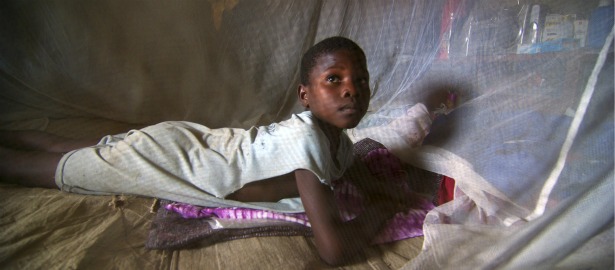
Bazı ülkelerdeki ücretsiz cibinlikler daha fazla sıtma vakasına mı yol açıyor? Parazit önleyici haplar bir ülkede okul katılımını artırabilirken başka bir ülkede hiçbir etkisi olmayabilir mi? Düşük gelirli ailelerin doktora gitmesi için önleyici bakımın ne kadar ucuz olması gerekiyor?
Bu çetrefilli soruları ülke bazında yanıtlamanın mükemmel bir yolu olmayabilir. Ancak bazı önde gelen bilim insanları en titiz yanıtın "rastgele kontrollü denemeler" dedikleri şeyden geldiğini düşünüyor.
Esther Duflo, kalkınma ekonomisinde randomize kontrollü denemelerin dünya çapında önde gelen savunucusu olarak yaygın olarak tanınmaktadır. Bir metodoloji olarak RCT'ler, bir ilacın veya tıbbi prosedürün etkisinin kontrol ve tedavi gruplarını içeren bilimsel deneylerde doğrulandığı veya reddedildiği klinik tıpta yarım yüzyıldan uzun süredir kullanılmaktadır. RCT'lerin küresel yoksulluğu ele almak için kullanılması son on yılın bir fenomenidir, ancak ekonomi, kamu politikası ve diğer disiplinlerde bir paradigma değişiminin gücüyle tutulmuştur.
Geçtiğimiz yıl, Duflo* ve J-PAL'daki suç ortağı Abhijit Banerjee, Poor Economics: A Radical Rehinking of the Way to Fight Global Poverty adlı bir kitap yayınladı. Kitap, RCT'ler ve diğer yollarla öğrendiklerinin çoğunu özetliyor ve yoksulluk hakkında "büyük evrensel cevaplar" ve "kapsamlı sonuçlar"a karşı daha büyük bir iddiada bulunuyor. Bunun yerine, gerçekte neyin işe yaradığına, neyin daha iyi işe yaradığına ve neyin maliyet etkin bir şekilde işe yaradığına dair belirli, hedefli cevaplar arayan veri odaklı bir yaklaşım öneriyorlar. Esther Duflo, kalkınma ekonomisinde randomize kontrollü denemelerin dünya çapında önde gelen savunucusu olarak yaygın olarak tanınmaktadır. Bir metodoloji olarak RCT'ler, bir ilacın veya tıbbi prosedürün etkisinin kontrol ve tedavi gruplarını içeren bilimsel deneylerde doğrulandığı veya reddedildiği klinik tıpta yarım yüzyıldan fazla bir süredir kullanılmaktadır. RCT'lerin küresel yoksulluğu ele almak için kullanılması son on yılın bir fenomeni olsa da, ekonomi, kamu politikası ve diğer disiplinlerde bir paradigma değişiminin gücüyle benimsenmiştir.
Fizikçi ve mühendis olarak eğitim almış biri olarak, Duflo'nun yoksullukla mücadeleye yönelik bilimsel yaklaşımını takdir ediyor ve destekliyorum. (Tam açıklama: Yoksulluk Eylemi İçin Yenilikler'in yönetim kurulundayım, J-PAL'in yakın bir ortağıyım.) Yine de kitabı okurken, aklıma tekrar tekrar iki şey geldi: Birincisi, en iyi bilim deney kadar teori de gerektirir. İyi bir teori olmadan veri sadece ölçümdür, bilgi değildir ve güçlü teori genellikle kapsamlıdır. Tamamen pratik bir konu olarak, teori veri eksikliğimiz olduğunda bizi ayakta tutmaya yardımcı olur. İkincisi, Duflo ve Banerjee büyük cevaplara karşı kendi duruşlarından rahatsız görünüyorlar. Kitabın bölümlerinin çoğu, genellikle tamamen deneyle desteklenmeyen, halk sağlığı, eğitim, mikro finans ve girişimcilik hakkında genel açıklamalar yapan bölümlerle sona eriyor. Yine de "Kapsamlı Bir Sonuç Yerine" başlıklı son bölümleri, dünya çapındaki yoksul insanlar hakkında beş genel ifade sunuyor.
Duflo'ya e-posta yoluyla RCT'ler ve kitabı hakkında birkaç soru sordum...
KT : RCT'lerin bugüne kadar uluslararası kalkınmaya en büyük katkısının ne olduğunu düşünüyorsunuz?
ED : Öncelikle, muhtemelen hala sonu gelmez bir şekilde tartışacağımız tartışmalarda çok fazla ilerleme kaydettik: Yatak cibinliklerini bedava vermek kullanımını caydırır mı? Sıfır olmayan fiyatlar önleyici bakım kullanımını caydırır mı? İkincisi, bazı ümit verici müdahaleler belirledik ve bunlar ölçeklenmeye başlıyor, solucan ilacı bunun başlıca örneği. [KT: Solucan ilacı, çocuklara verildiğinde okul devamlılığını artırdığı gösterilen anti-parazit haplarını ifade eder.] Üçüncüsü, bazı alanlarda (örneğin ilköğretim) yeterince bilgi biriktirdik ve sorunlara ve çözümlere dair geniş bir sistemik görüşe sahip olmaya başladık. Dördüncüsü, belki de en önemlisi, şeyleri titiz bir gözlem altında denemenin, başarısızlık olasılığını açık bırakmanın önemi artık hükümetler ve kuruluşlar tarafından daha fazla kabul görüyor. Kültürdeki bu değişimin uzun vadede en büyük katkı olabileceğini düşünüyorum.
KT : RCT'lerin pratikte gerçekte yürütülme, yorumlanma veya konuşulma biçimindeki en büyük zorluk nedir? Ya da soruyu farklı bir şekilde sormak gerekirse, RCT'leri yürüten veya okuyan insanların topluluğunda hangi baskın uygulamayı en çok değiştirmek istersiniz?
ED : Aslında şikayet edecek çok bir şeyim yok. Bence şu anda insanlar çok yaratıcı davranıyor, birçok yönden sınırları zorlamaya çalışıyor: daha fazla teoriyi dahil etmek, yapısal modeller ve deneyi birleştirmek, "laboratuvar deneyi"ni RCT ile birleştirmek, memurların ücretlerini rastgele belirlemek gibi gerçekten cesur şeyler denemek.
RCT'lerin kullanımının politika çevrelerine nasıl girdiğinden de cesaret alıyorum, ancak burada bir sorunum var: Bence politika yapıcılar bir şeyi meşrulaştırmak için deneyler kullanmaya istekliler, ancak henüz göremediğimiz şey, politikaları budamak için deneylerin ciddi şekilde kullanılması.
KT : Lisans eğitimim sırasında ekonomi dersleri aldığımda, ekonometrinin büyük bir kısmının, tam da RCT'lerin pratik olmadığı durumlarda verilerden nedensel açıklamalar çıkarma girişimi olduğunu düşündüğümü hatırlıyorum. Örtük varsayım, RCT'lerin ideal olacağı ancak bunların yokluğunda karmaşık ekonometrinin gerekli olduğu yönündeydi. Bu, ekonomik metodolojinin makul bir yorumu mudur ve eğer öyleyse, kalkınma ekonomisinin RCT'leri benimsemesinin neden bu kadar uzun sürdüğünü düşünüyorsunuz?
ED : Bence, kısmen, biz bir alan olarak bunun gerçekte olduğundan daha zor veya daha pahalı olduğunu varsaymış olabiliriz. Michael Kremer'in gerçek dehası, RCT'leri küçük bir bütçeyle denemekti. Sonra, çoğumuz onun örneğinden cesaret alarak benzer çalışmalar yapmaya başladığımızda, diğer bilimsel alanlardaki insanların uzun zamandır bildiği şeyi kademeli olarak öğrendik: akademik çalışmalar için para toplama olasılıkları olduğunu. Bu yüzden daha fazla para toplamaya başladık. Bu iki içgörü birleşince tüm alan açıldı.
KT : Kitabınızda, kalkınmanın karmaşıklığının örtük bir kabulü olarak yorumlanabilecek, uluslararası kalkınmanın kapsayıcı teorilerine karşı güçlü bir şekilde argüman sunuyorsunuz. Yine de, kalkınma ekonomisindeki RCT'ler genellikle belirli bağlamlarda insan davranışının RCT'leridir. Öyleyse, insan davranışının kapsayıcı teorilerinin olamayacağını mı ima ediyorsunuz?
ED : Kesinlikle teorik içgörüler olabilir, kitapta bazılarıyla sonuçlandırıyoruz. Ancak her şeyi açıklayabilecek büyük bir çerçeve veya her şey için büyük bir çözüm yok.
KT : Uluslararası kalkınmanın hedefleri konusunda kabaca bir fikir birliği olmasına rağmen, bireyler genellikle nihai amaçlar konusunda farklı fikirlere sahiptir. Bazı insanlar bunun her ülke için bir miktar ekonomik başarı olduğunu düşünür; diğerleri bunun evrensel sağlık hizmeti ve eğitim olduğunu düşünür; diğerleri ise bunun sosyal adalet olduğunu düşünür; vb. Çalıştığınız aklınızda nihai bir hedef var mı?
ED : Bu konuda gerçekten bir fikrim olduğundan veya olması gerektiğinden emin değilim. Hedeflerin siyasi süreç tarafından, bir toplumun bir noktada önemli olmasını istediği şey tarafından belirlenmesi gerektiğini düşünüyorum. Hayatta neyin önemli olduğuna dair kendi görüşüm olabilir, ancak bir filozof değilim ve insanlara neyin önemli olduğunu düşünmeleri gerektiğini söylemenin benim görevim olduğunu düşünmüyorum. Bir ekonomistin görevinin, bireylerin veya toplumların (politika yapıcıları aracılığıyla) bu hedeflere ulaşmalarına yardımcı olmak olduğunu düşünüyorum, hedefler belirlendikten sonra.
***
Her durumda, Poor Economics uluslararası kalkınmayla ilgilenen herkes için okunması gereken bir kitap ve yeni ciltli kitap olarak piyasaya sürüldü. Büyük teorilere inanın ya da inanmayın, verilerin ve dikkatli gözlemin değerini inkar etmek zor. Banerjee ve Duflo kitaplarını kişisel deneyimlerden ve bilimsel çalışmalardan elde edilen zor kazanılmış içgörülerle dolduruyor. Ve Duflo'nun ahlaki hedeflerini felsefeye ve kamusal alana bırakmasına rağmen, dünyadaki yoksul topluluklara yardım etme konusundaki akılcı bir şekilde yumuşatılmış tutkusu her sayfada hissediliyor.
______
*Duflo, uluslararası kalkınmada son dönemdeki RCT dalgasının başlamasında Harvard ekonomisti meslektaşı Michael Kremer'e cömertçe teşekkür ediyor; ancak RCT'leri neredeyse ana akıma sokan şey, MIT'deki Abdul Latif Jameel Yoksulluk Eylem Laboratuvarı'nın (J-PAL) aynı adlı bağışçısının da desteğiyle, onun yorulmak bilmez çabaları oldu.
COMMUNITY REFLECTIONS
SHARE YOUR REFLECTION
5 PAST RESPONSES
They all necessary. there was another comment disappeared before I made reply. I know there are a lot of things that make harder things. To point first one is trust and it is the backbone of everything. So without going long way of trying tiresome points, tell simplest and reason. Not doing so is lack of trust of the simple ways.
"we prefer the NGO work to be this way because that way is not best for such...such...such.."
You can put it like that way but if you go as far as 1 million pages is lack of trust.
If there are certain ways of doing things and you know works best then say the.
You didn't cause any problem but some fear and it happens because of authority.
I really don't tolerate violence but when I look the feelings of my actions I feel what innocent Asians would feel like. It was intended the woman who spoke up to be in as cases would be worked. So that she would learn how to respect human feelings and laws but money launderer might saved.
Well, I am not complaining anything. I just want to satisfy all parts and expect some peace.
[Hide Full Comment]A couple of things: if you have no food and shelter, you die. If you have no access to health care and hygiene, your life span is severely shortened. If you have no access to education, it's almost impossible to be a part of the solution. So from a purely 'common sense' point of view, I wouldn't have thought the basic necessities of life such as food, shelter, health and education were basics that could be left out of any RTCs. Do we really need to spend time and money figuring out if a 'society' really wants these things?
Well, it seems there had been misunderstandings about what to be done and how to be done. Woman is repressed and if she would have known that it is as simple as this she would have owned google seach "N.A" long ago. Well, we teach only what you say and only how you say. Just make next step, it is that I was called today by someone I last knew was in Nairobi and now is very far, Finland. I recognized her voice before I changed mine because I was in Sale and couldn't ask money nor could I let her know it was me. So I had 3 feeling at one time...So i started to feel shame.
Anyway, our NGO can teach Buddhism, Jews and whatever else you like. Make a progress and I don't mind much about it. All I need is to be on google search for dignity and make something that has value.
Are we together? It is just that simple if you can make and understand people who are left behind.
More information please contact us:
enkosariverschool@gmail.com
WELCOME FRIENDS
saladgsÞwgvtþRBH\nÞekasa
ENKOSA RIVER SCHOOL
We are all
very happy to welcome you all to Enkosa River School, Enkosa Buddhist Pagoda,
Siem Reap.
The School
is for ALL local children, teenagers and adults completely free of charge.
They come to
lessons 5 days a week to learn and improve their foreign language
skills...mainly the English Language...to give them better opportunities of a
good job in tourism in the future here or maybe work or study abroad.
1. THE SCHOOL
Opened in
November 2010 and currently has 8 classes nightly and around 150 regular happy
students
ranging from
3 years of age to 30!
We employ 3
Part Time Khmer Teachers on a modest salary and rely on volunteer native
speakers...now 100 per cent English Native Speakers , usually students who stay
a week or two or sometimes fully qualified teachers who have some free time who
live in Siem Reap.
Educating
the students in a mature, interesting and fun way.
We receive
no funding from either the Cambodian Goverment nor the Local Siem Reap
Administration or any NGO's.
We TOTALLY
100% rely on donations, mainly small donations from tourists who visit the
Pagoda on their way back from Angkor Wat and some small donations from mainly
good hearted individuals from overseas.
We ALWAYS in
NEED of DONATIONS either, financial assistance for the everyday running costs (
e.g. electricity, computer and internet
access for knowledge and lesson plans, water for the children, marker pens, ink
printer,books, pencils, crayons, first aid supplies, etc etc) and volunteer
helpers time.
Currently
our monthly running costs are roughly 270 US Dollars.
This breaks
down as such:
3 khmer Part
Time Trainer Teachers Salaries $30 each......$90
Electricity..Internet
Access Printer Ink PC's ...... $80..
water, marker
pens ink paper exercise books etc...$70
Emergency
Monies...Repairs First Aid Supplies..Possible sickness of a pupil or volunteer
etc... $30 …This budget needs at least doubling as a recent event in the
emergency treatment and hospitalization of one of our regular and more
experienced volunteers, high lighted a problem that needs
addressing..Thankfully he is back with us Teaching and helping train volunteers
and some development work.
THE School Moving Forward
We have put our TRUST IN BUDDHA , to help us improve the
facilities here for our beloved Children and Students.
Although
they receive a very good basic and
beyond education in a safe, friendly, loving environment, truthfully our class
rooms are totally inadequate especially in the monsoon season, where classes
could only take place on dry evenings last year.
Also there
is no reason what so ever with the right structure that the Education our
Students receive, can and will be just as good if not better than any offered
by the fee paying English Language Schools for the Children of the elite here
in Siem Reap.
Now hopefully
sooner than later we want to rebuild the Class rooms providing spacious
comfortable inside class rooms on the second floor with a multi purpose meeting
and performance room, School office and modern toilets on the ground floor,
extended to 9 metres by 28 metres, the architects plans will be finished for
April 24th.
The cost was
$180 after a 10% discount..money we need to recoup quickly.
Once again
we would like to thank the wonderful students of Students Against Poverty Group
Huonville High School Tasmania, for
leaving a cash donation of 1,400 Australian Dollars towards the new School’s
foundations.
The toilets
will also be a great help as possible sponsors at the moment have no decent
toilet facilities to use here, maybe needing to go back to their hotels when
with decent modern facilities here they may have had more time to get a feel
for our good work.
As you are
aware both materials and construction and labour costs here are very very low
compared to 1st World Countries.
2. THE LIBARY
Built in
July 2011 mostly funded and supported by Students Against Poverty Group
Huonville High School Tasmania.
It has been a
marvellous success helping all the students and volunteers to prepare
interesting lesson plans.
We currently have two
computers for student use and development, we need at least 2 more.
We are in
urgent need of more relevant English books especially 2 or 3 editions of up to date text books, The Mega
Goal Series, a major success in both Thai Government Schools and now the more
Modern Language Schools in Phom Penh swear by them, general English Language
reading material and also more Khmer books both for the little ones and
teenagers, are always appreciated.
More World
Maps are a PRIORITY.......Cambodian Children and most Adults have NO idea about
Geography...if they hopefully secure a good safe career in Tourism here, they
need to know a lot about outside of SE Asia.
3. OUT REACH
There is also a REAL
NEED for more OUT REACH work in this Province, the local authorities regularly
displace small shanty squatter communities from here to the Countryside with
little regard for their children’s education or well being. Recently around 300
shanty businesses some thriving and their homes either side of the river
outside our Pagoda were dismantled and the families in the main resettled in a
new barren land village,Kontrok 8km from
Siem Reap where there is no School whatsoever and parents are expected to pay
gasoline or motor bike or tuk tuk fares for the daily 16 km return journey , as
the local authorities have not even given the displaced families any cash for
boats..this area will flood badly in monsoon, the massive well,(reservoir) is
already full..the chances of the kids parents funding these long school
journeys and fares are worrying.
On this
point along with another local small NGO on the invitation of a representative
from a local Bank , we are looking at ways in which we can provide some kind of
immediate Educational help and hopefully long term assistance. All these
projects will need funding.
Also we would like to
continue when financially feasible practical outreach projects such as the well ( reservour) and water pumps and
labor we provided in FEB 2010 at a small poor rural village, Ornlongkrahn
in Stoung District around 100 km from here in the direction of Phnom Penh,
totally funded by two kind Australians and an American for less than $1300.
We are very
excited about starting a new project here for local women, teaching them how to
sew, make and repair clothes and crafts...enabling them to earn money for their
families and pass their skills on. Making School uniforms etc. will help
massively the 400 children attending the very basic local school with only 3
Khmer teachers!
We
desperately need to build a basic work shop for the Sewing Cooperative and some
basic accommodation for English Language Native Speaking Volunteers to assist
at the School….as soon as possible.
Once again
our friend’s Students Against Poverty Group Huonville High School Tasmania,
Have made a
1000 Australian Dollar donation to start work on a workshop for the Sewing
Cooperative but we will need more sponsorship and assistance.
As you are
aware both materials and construction and labour costs here are very very low
compared to 1st World Countries.
Finally with
the growing number of foreign tourists it is very important to secure a
training budget..so for example we could invite an NGO drama workshop to
educate the children that NOT all foreigners are NICE men ( or women), and
other relevant training and workshops for both the children and Khmer Teachers
So we have a
lot of good work to do
We are in
the process of producing proposals for all the Projects that Need Completing.
Thank you
for your friendship and help ...you are
always welcome..on behalf of all our wonderful Children ..Orgun chran
Your Kindest regards
DEPOSIT
INFORMATION
ACLEDA BANK
Phone: (+855)
23994444
Fax: (+855)
23430555
Swift Code: ACLBKHPP Chips
UID: 415637
Yorn Chea -
ACCOUNT NUMBER: 3451-20-752208-1-0
Yorn Chea and all at Enkosa River School
cdf
[Hide Full Comment]