
Un destacado economista del desarrollo habla sobre las virtudes y limitaciones de un enfoque basado en datos para solucionar los problemas más intratables del mundo.
 Reuters
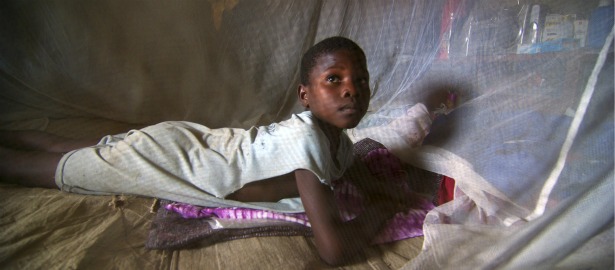
¿Acaso los mosquiteros gratuitos en algunos países provocan más casos de malaria? ¿Podrían las pastillas antiparasitarias aumentar la asistencia escolar en un país y no tener ningún efecto en otro? ¿Qué tan barata debe ser la atención preventiva para que las familias de bajos ingresos puedan acudir al médico?
Puede que no exista una forma perfecta de responder a estas espinosas preguntas país por país. Pero algunos científicos destacados creen que la respuesta más rigurosa proviene de lo que ellos llaman "ensayos controlados aleatorios".
Esther Duflo es ampliamente reconocida como la principal defensora mundial de los ensayos controlados aleatorios (ECA) en la economía del desarrollo. Como metodología, los ECA se han utilizado durante más de medio siglo en medicina clínica, donde el efecto de un fármaco o procedimiento médico se confirma o se niega en experimentos científicos con grupos de control y de tratamiento. El uso de ECA para abordar la pobreza global es un fenómeno de la última década, pero ha cobrado impulso gracias a un cambio de paradigma en la economía, las políticas públicas y otras disciplinas.
El año pasado, Duflo* y su cómplice en J-PAL, Abhijit Banerjee, publicaron el libro " Economía de los Pobres: Una Reconsideración Radical de la Lucha contra la Pobreza Global" . El libro repasa gran parte de lo que han aprendido a través de los ECA y de otras fuentes, y se opone con mayor fuerza a las "respuestas universales" y las "conclusiones generalizadas" sobre la pobreza. En su lugar, recomiendan un enfoque basado en datos que busca respuestas específicas y concretas a lo que realmente funciona, lo que funciona mejor y lo que resulta rentable. Esther Duflo es ampliamente reconocida como la principal defensora mundial de los ensayos controlados aleatorios (ECA) en la economía del desarrollo. Como metodología, los ECA se han utilizado durante más de medio siglo en medicina clínica, donde el efecto de un fármaco o procedimiento médico se confirma o niega en experimentos científicos con grupos de control y de tratamiento. El uso de ECA para abordar la pobreza global es un fenómeno de la última década, pero ha cobrado impulso gracias a un cambio de paradigma en la economía, las políticas públicas y otras disciplinas.
Habiendo recibido formación como físico e ingeniero, aprecio y apoyo el enfoque científico de Duflo para combatir la pobreza. (Aclaración: formo parte de la junta directiva de Innovations for Poverty Action, un socio cercano de J-PAL). Sin embargo, al leer el libro, dos cosas me vinieron repetidamente a la mente: primero, la mejor ciencia requiere tanto teoría como experimentación. Los datos sin una buena teoría son solo medición, no conocimiento, y una teoría sólida suele ser generalizadora. En la práctica, la teoría nos ayuda a sostenernos cuando carecemos de datos. segundo, Duflo y Banerjee parecen incómodos con su propia postura contra las grandes respuestas. La mayoría de los capítulos del libro concluyen con secciones que hacen declaraciones generales sobre salud pública, educación, microfinanzas y emprendimiento, a menudo no completamente respaldadas por la experimentación. Su capítulo final, titulado "En lugar de una conclusión general", ofrece, sin embargo, cinco afirmaciones generales sobre las personas pobres en todo el mundo.
Le hice a Duflo algunas preguntas sobre los RCT y su libro por correo electrónico...
KT : ¿Cuál cree usted que es la mayor contribución de los RCT hasta el momento al desarrollo internacional?
ED : En primer lugar, hemos avanzado mucho en debates que probablemente seguiríamos debatiendo sin cesar: ¿Regalar mosquiteros desincentiva su uso? ¿Los precios no nulos desincentivan el uso de la atención preventiva? En segundo lugar, hemos identificado algunas intervenciones prometedoras, y estas están empezando a ampliarse, siendo la desparasitación un excelente ejemplo. [KT: La desparasitación se refiere a las pastillas antiparasitarias que, al administrarse a los niños, han demostrado aumentar la asistencia escolar]. En tercer lugar, hemos acumulado suficiente conocimiento en algunos ámbitos (la educación primaria, por ejemplo) como para empezar a tener una visión sistémica amplia de los problemas y las soluciones. En cuarto lugar, quizás lo más importante, la importancia de probar cosas bajo una observación rigurosa, de dejar abierta la posibilidad del fracaso, ahora es más reconocida dentro de los gobiernos y las organizaciones. Creo que este cambio de cultura podría resultar ser la mayor contribución a largo plazo.
KT : ¿Cuál es el mayor desafío en la forma en que se realizan, interpretan o se habla de los ECA en la práctica? O, dicho de otro modo, ¿qué práctica dominante dentro de la comunidad de personas que realizan o leen sobre ECA le gustaría cambiar?
ED : La verdad es que no tengo mucho de qué quejarme. Creo que, actualmente, la gente está siendo muy creativa, intentando ampliar los límites en muchas direcciones: incorporando más teoría, combinando modelos estructurales y experimentos, combinando experimentos de laboratorio con RCT, probando cosas realmente audaces como aleatorizar los salarios de los funcionarios.
También me alienta la forma en que el uso de RCTs está entrando en los círculos políticos, pero tengo un problema: creo que los responsables políticos están dispuestos a usar experimentos para justificar hacer algo, pero lo que aún no estamos viendo es un uso serio de la experimentación para podar las políticas.
KT : Cuando cursaba economía en la licenciatura, recuerdo pensar que gran parte de la econometría consistía en extraer explicaciones causales de los datos precisamente en aquellos casos en que los RCT no eran prácticos. La suposición implícita parecía ser que los RCT habrían sido ideales, pero en su ausencia, se necesitaba una econometría compleja. ¿Es esta una interpretación razonable de la metodología económica? Y, de ser así, ¿por qué cree que la economía del desarrollo ha tardado tanto en adoptar los RCT?
ED : Creo que, en parte, como campo, quizá asumimos que era más difícil o más caro de lo que realmente era. La verdadera genialidad de Michael Kremer fue probar los RCT con un presupuesto reducido. Luego, cuando muchos de nosotros, animados por su ejemplo, comenzamos a realizar trabajos similares, aprendimos poco a poco lo que se sabe desde hace tiempo en otros campos científicos: que existen posibilidades de financiar estudios académicos. Así que empezamos a recaudar más fondos. La combinación de estas dos ideas abrió el campo por completo.
KT : En su libro, usted argumenta firmemente en contra de las teorías globales del desarrollo internacional, lo cual podría interpretarse como un reconocimiento implícito de la enorme complejidad del desarrollo. Sin embargo, los RCT en economía del desarrollo suelen ser RCT del comportamiento humano en contextos específicos. ¿Insinúa entonces que no puede haber teorías globales del comportamiento humano?
ED : Sin duda, puede haber ideas teóricas, concluimos con algunas en el libro. Pero no existe un marco general que pueda explicarlo todo, ni una solución definitiva para todo.
KT : Si bien existe un consenso general sobre los objetivos del desarrollo internacional, las personas suelen tener ideas diferentes sobre sus fines últimos. Algunos piensan que se trata de alcanzar cierto nivel de logro económico para todos los países; otros, de la atención médica y la educación universales; y otros, de la justicia social; etc. ¿Tiene usted un objetivo final en mente por el que trabaja?
ED : No estoy seguro de tener una opinión clara sobre esto, ni de si debería tenerla. Creo que los objetivos deberían establecerse mediante el proceso político, según lo que una sociedad en algún momento considere importante. Puede que tenga mi propia opinión sobre lo que es importante en la vida, pero no soy filósofo y no creo que sea mi trabajo decirle a la gente qué debería considerar importante. Creo que la labor de un economista debería ser ayudar a las personas o a las sociedades (a través de sus responsables políticos) a alcanzar estos objetivos, una vez establecidos.
***
En cualquier caso, Poor Economics es una lectura imprescindible para cualquier persona interesada en el desarrollo internacional, y acaba de publicarse en edición de bolsillo. Tanto si se cree en las grandes teorías como si no, es difícil negar el valor de los datos y la observación minuciosa. Banerjee y Duflo llenan su libro con perspectivas adquiridas con esfuerzo, fruto de la experiencia personal y el estudio científico. Y, a pesar de que Duflo cede sus objetivos morales a la filosofía y la esfera pública, su pasión, moderada por la razón, por ayudar a las comunidades pobres de todo el mundo se percibe en cada página.
______
*Duflo generosamente atribuye a su colega, el economista de Harvard Michael Kremer, el impulso a la reciente ola de RCTs en el desarrollo internacional, pero son sus esfuerzos incansables, con el apoyo del donante homónimo del Laboratorio de Acción contra la Pobreza Abdul Latif Jameel (J-PAL) en el MIT, los que han hecho que los RCTs sean prácticamente comunes.
COMMUNITY REFLECTIONS
SHARE YOUR REFLECTION
5 PAST RESPONSES
They all necessary. there was another comment disappeared before I made reply. I know there are a lot of things that make harder things. To point first one is trust and it is the backbone of everything. So without going long way of trying tiresome points, tell simplest and reason. Not doing so is lack of trust of the simple ways.
"we prefer the NGO work to be this way because that way is not best for such...such...such.."
You can put it like that way but if you go as far as 1 million pages is lack of trust.
If there are certain ways of doing things and you know works best then say the.
You didn't cause any problem but some fear and it happens because of authority.
I really don't tolerate violence but when I look the feelings of my actions I feel what innocent Asians would feel like. It was intended the woman who spoke up to be in as cases would be worked. So that she would learn how to respect human feelings and laws but money launderer might saved.
Well, I am not complaining anything. I just want to satisfy all parts and expect some peace.
[Hide Full Comment]A couple of things: if you have no food and shelter, you die. If you have no access to health care and hygiene, your life span is severely shortened. If you have no access to education, it's almost impossible to be a part of the solution. So from a purely 'common sense' point of view, I wouldn't have thought the basic necessities of life such as food, shelter, health and education were basics that could be left out of any RTCs. Do we really need to spend time and money figuring out if a 'society' really wants these things?
Well, it seems there had been misunderstandings about what to be done and how to be done. Woman is repressed and if she would have known that it is as simple as this she would have owned google seach "N.A" long ago. Well, we teach only what you say and only how you say. Just make next step, it is that I was called today by someone I last knew was in Nairobi and now is very far, Finland. I recognized her voice before I changed mine because I was in Sale and couldn't ask money nor could I let her know it was me. So I had 3 feeling at one time...So i started to feel shame.
Anyway, our NGO can teach Buddhism, Jews and whatever else you like. Make a progress and I don't mind much about it. All I need is to be on google search for dignity and make something that has value.
Are we together? It is just that simple if you can make and understand people who are left behind.
More information please contact us:
enkosariverschool@gmail.com
WELCOME FRIENDS
saladgsÞwgvtþRBH\nÞekasa
ENKOSA RIVER SCHOOL
We are all
very happy to welcome you all to Enkosa River School, Enkosa Buddhist Pagoda,
Siem Reap.
The School
is for ALL local children, teenagers and adults completely free of charge.
They come to
lessons 5 days a week to learn and improve their foreign language
skills...mainly the English Language...to give them better opportunities of a
good job in tourism in the future here or maybe work or study abroad.
1. THE SCHOOL
Opened in
November 2010 and currently has 8 classes nightly and around 150 regular happy
students
ranging from
3 years of age to 30!
We employ 3
Part Time Khmer Teachers on a modest salary and rely on volunteer native
speakers...now 100 per cent English Native Speakers , usually students who stay
a week or two or sometimes fully qualified teachers who have some free time who
live in Siem Reap.
Educating
the students in a mature, interesting and fun way.
We receive
no funding from either the Cambodian Goverment nor the Local Siem Reap
Administration or any NGO's.
We TOTALLY
100% rely on donations, mainly small donations from tourists who visit the
Pagoda on their way back from Angkor Wat and some small donations from mainly
good hearted individuals from overseas.
We ALWAYS in
NEED of DONATIONS either, financial assistance for the everyday running costs (
e.g. electricity, computer and internet
access for knowledge and lesson plans, water for the children, marker pens, ink
printer,books, pencils, crayons, first aid supplies, etc etc) and volunteer
helpers time.
Currently
our monthly running costs are roughly 270 US Dollars.
This breaks
down as such:
3 khmer Part
Time Trainer Teachers Salaries $30 each......$90
Electricity..Internet
Access Printer Ink PC's ...... $80..
water, marker
pens ink paper exercise books etc...$70
Emergency
Monies...Repairs First Aid Supplies..Possible sickness of a pupil or volunteer
etc... $30 …This budget needs at least doubling as a recent event in the
emergency treatment and hospitalization of one of our regular and more
experienced volunteers, high lighted a problem that needs
addressing..Thankfully he is back with us Teaching and helping train volunteers
and some development work.
THE School Moving Forward
We have put our TRUST IN BUDDHA , to help us improve the
facilities here for our beloved Children and Students.
Although
they receive a very good basic and
beyond education in a safe, friendly, loving environment, truthfully our class
rooms are totally inadequate especially in the monsoon season, where classes
could only take place on dry evenings last year.
Also there
is no reason what so ever with the right structure that the Education our
Students receive, can and will be just as good if not better than any offered
by the fee paying English Language Schools for the Children of the elite here
in Siem Reap.
Now hopefully
sooner than later we want to rebuild the Class rooms providing spacious
comfortable inside class rooms on the second floor with a multi purpose meeting
and performance room, School office and modern toilets on the ground floor,
extended to 9 metres by 28 metres, the architects plans will be finished for
April 24th.
The cost was
$180 after a 10% discount..money we need to recoup quickly.
Once again
we would like to thank the wonderful students of Students Against Poverty Group
Huonville High School Tasmania, for
leaving a cash donation of 1,400 Australian Dollars towards the new School’s
foundations.
The toilets
will also be a great help as possible sponsors at the moment have no decent
toilet facilities to use here, maybe needing to go back to their hotels when
with decent modern facilities here they may have had more time to get a feel
for our good work.
As you are
aware both materials and construction and labour costs here are very very low
compared to 1st World Countries.
2. THE LIBARY
Built in
July 2011 mostly funded and supported by Students Against Poverty Group
Huonville High School Tasmania.
It has been a
marvellous success helping all the students and volunteers to prepare
interesting lesson plans.
We currently have two
computers for student use and development, we need at least 2 more.
We are in
urgent need of more relevant English books especially 2 or 3 editions of up to date text books, The Mega
Goal Series, a major success in both Thai Government Schools and now the more
Modern Language Schools in Phom Penh swear by them, general English Language
reading material and also more Khmer books both for the little ones and
teenagers, are always appreciated.
More World
Maps are a PRIORITY.......Cambodian Children and most Adults have NO idea about
Geography...if they hopefully secure a good safe career in Tourism here, they
need to know a lot about outside of SE Asia.
3. OUT REACH
There is also a REAL
NEED for more OUT REACH work in this Province, the local authorities regularly
displace small shanty squatter communities from here to the Countryside with
little regard for their children’s education or well being. Recently around 300
shanty businesses some thriving and their homes either side of the river
outside our Pagoda were dismantled and the families in the main resettled in a
new barren land village,Kontrok 8km from
Siem Reap where there is no School whatsoever and parents are expected to pay
gasoline or motor bike or tuk tuk fares for the daily 16 km return journey , as
the local authorities have not even given the displaced families any cash for
boats..this area will flood badly in monsoon, the massive well,(reservoir) is
already full..the chances of the kids parents funding these long school
journeys and fares are worrying.
On this
point along with another local small NGO on the invitation of a representative
from a local Bank , we are looking at ways in which we can provide some kind of
immediate Educational help and hopefully long term assistance. All these
projects will need funding.
Also we would like to
continue when financially feasible practical outreach projects such as the well ( reservour) and water pumps and
labor we provided in FEB 2010 at a small poor rural village, Ornlongkrahn
in Stoung District around 100 km from here in the direction of Phnom Penh,
totally funded by two kind Australians and an American for less than $1300.
We are very
excited about starting a new project here for local women, teaching them how to
sew, make and repair clothes and crafts...enabling them to earn money for their
families and pass their skills on. Making School uniforms etc. will help
massively the 400 children attending the very basic local school with only 3
Khmer teachers!
We
desperately need to build a basic work shop for the Sewing Cooperative and some
basic accommodation for English Language Native Speaking Volunteers to assist
at the School….as soon as possible.
Once again
our friend’s Students Against Poverty Group Huonville High School Tasmania,
Have made a
1000 Australian Dollar donation to start work on a workshop for the Sewing
Cooperative but we will need more sponsorship and assistance.
As you are
aware both materials and construction and labour costs here are very very low
compared to 1st World Countries.
Finally with
the growing number of foreign tourists it is very important to secure a
training budget..so for example we could invite an NGO drama workshop to
educate the children that NOT all foreigners are NICE men ( or women), and
other relevant training and workshops for both the children and Khmer Teachers
So we have a
lot of good work to do
We are in
the process of producing proposals for all the Projects that Need Completing.
Thank you
for your friendship and help ...you are
always welcome..on behalf of all our wonderful Children ..Orgun chran
Your Kindest regards
DEPOSIT
INFORMATION
ACLEDA BANK
Phone: (+855)
23994444
Fax: (+855)
23430555
Swift Code: ACLBKHPP Chips
UID: 415637
Yorn Chea -
ACCOUNT NUMBER: 3451-20-752208-1-0
Yorn Chea and all at Enkosa River School
cdf
[Hide Full Comment]